Best Ceramic Dinner Plates: Pick by Size, Material and Glaze Safety 2026
Disclosure: We may earn a commission when you buy through links on this page, at no extra cost to you. As an Amazon Associate I earn from qualifying purchases. Learn more

Compare the best ceramic dinner plates by size, stoneware versus porcelain, glaze safety and set count for everyday meals.
Picture a weeknight dinner where one plate is too wide for the dishwasher rack, another slides around inside a shallow cabinet, and a third has a rim so deep that serving pasta becomes a balancing act. The best ceramic dinner plates prevent those daily annoyances because they match your storage space, your household size, and the way you actually eat. This guide walks you through sizes, ceramic types, safety checks, and budgets, and the product table above sums up the main types side by side.
Ceramic is a broad family rather than a single material, so two plates that look similar on a shelf can behave very differently at home. For a wider view of materials first, see our guide to the best dinner plates.




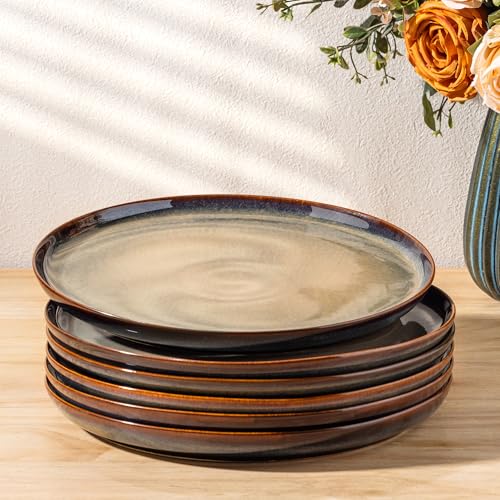
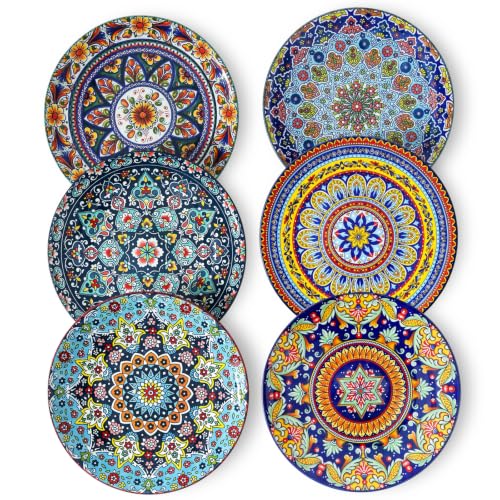

Quick Answer: Ceramic Types Worth Considering
Start with stoneware for relaxed daily meals, porcelain for a plate that moves easily from weekday dinners to guests, and glazed earthenware style ceramic for color and pattern at a lower cost. Stoneware feels sturdy and forgiving, porcelain feels refined yet dense and strong, and earthenware style pieces bring the most decoration but ask for gentler handling.
Before You Buy: A Quick Checklist for Choosing Dinner Plates
Size: Match It to Your Space
Plate diameter decides far more than how a serving looks. A plate around 10 inches suits most main courses and fits standard dishwasher racks and cabinet shelves with room to spare. Plates around 11 inches give salads and meals with several sides more breathing room, while plates around 12 inches can crowd smaller tables and tilt in compact dishwashers. Measure cabinet depth and dishwasher clearance first.
Shape matters alongside diameter. A coupe plate has a gentle curve and no raised rim, so food spreads out and the plate stacks in a low, tidy pile. A rimmed plate keeps sauces contained and gives servers a clear edge to grip, but the rim takes up surface area, so the usable center is smaller than the stated size suggests.
Which Type Fits Your Routine
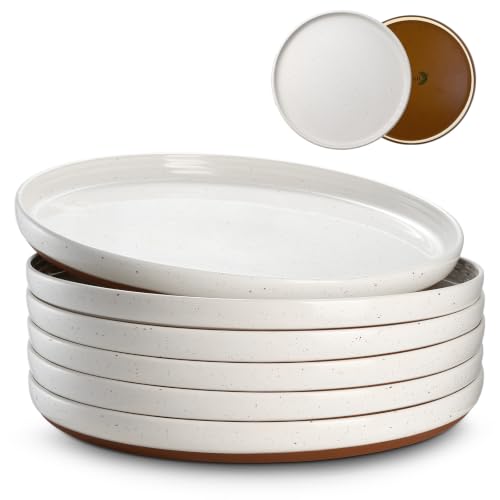
Stoneware is fired at high temperatures and has a dense, slightly rustic body that handles daily use well, often in reactive glazes where color varies a little from plate to plate. Porcelain is fired even hotter, which makes it thinner, smoother, and surprisingly strong for its weight, with a surface that resists staining. Earthenware style ceramic is fired at lower temperatures and is more prone to chipping, so it suits occasional use or careful hand washing.
Your routine should make the call. Households that load the dishwasher nightly and serve acidic foods like tomato sauce often prefer porcelain or stoneware, since both shrug off stains and repeated washing. Readers focused on daily workhorse sets may also want to compare the options in our guide to the best dinner plates for everyday use.
Lead and Cadmium Free Glazes
The glaze is the glassy coating that seals the ceramic body and carries the color, so it deserves a close look. Reputable makers state clearly when a glaze is made without lead and cadmium, and that wording should appear on the product page or packaging, not only in marketing copy. Be cautious with very bright red, orange, and yellow decorative finishes from unknown sources, because vivid pigments are where heavy metals have historically been used. Retire any old decorative plate whose origin you cannot confirm.
Dishwasher, Microwave, and Oven Safety
Safety labels only help if they match how you cook and reheat. A plate marked dishwasher safe can still fade or craze over time if the glaze is delicate, so check whether the maker means occasional washing or daily cycles. Microwave safe means the plate itself should not get scorching hot while the food heats. Oven safety varies the most, so confirm the stated temperature limit and never move a cold plate straight into a hot oven, since sudden temperature change can crack it.
Set Size and Open Stock Availability
Sets of four suit couples and small households, sets of six cover a family with a spare or two, and sets of eight make sense when you host often or want a buffer while the dishwasher runs. Count your busiest regular table, then add two plates for breakage. Open stock availability is the quiet feature that saves money later, because it lets you replace a single chipped plate instead of buying a whole new set. Check that the maker sells individual plates in the same pattern before you commit.
Realistic Budget Ranges
At about $25 for a small set, expect simple glazed stoneware or earthenware style plates with basic shapes and limited replacement options. Between about $50 and $100, you usually get denser stoneware or porcelain, more consistent glazing, and better stack design. Above about $100, the gains are finer porcelain, reinforced rims, wider pattern choice, and stronger open stock support rather than a dramatic jump in basic function.
Types Compared: Best Ceramic Dinner Plates by Home and Budget
Stoneware for Most Homes
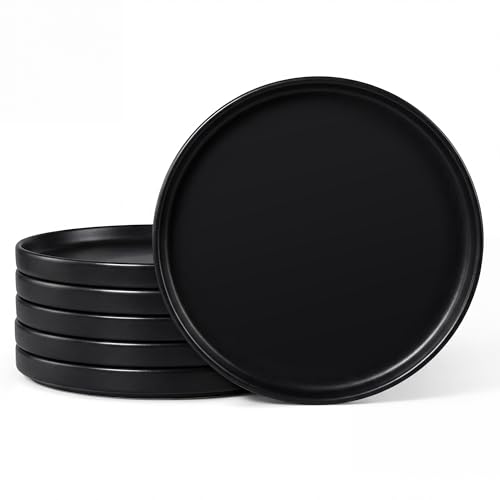
Stoneware earns its place in most kitchens because it balances sturdiness, price, and a relaxed look that suits wood tables and casual rooms. Its glazes hide small marks well, and its weight feels reassuring. A coupe stoneware plate in a set of six covers most family dinners. Choose stoneware if your home values a warm, handmade feel and you would rather replace a plate cheaply than protect a delicate one.
Porcelain for a Long Term Investment
Porcelain is the choice when you want one set to serve daily breakfasts and holiday dinners without looking out of place at either. Its dense body resists chips better than its slim profile suggests, and the smooth glaze wipes clean after oily or brightly colored meals. Classic white porcelain also blends with almost any table linen you already own. For more ideas in that direction, see our guide to the best white dinner plates. Its higher starting cost spreads out over many years of service.
Glazed Earthenware Style Ceramic for Value and Color
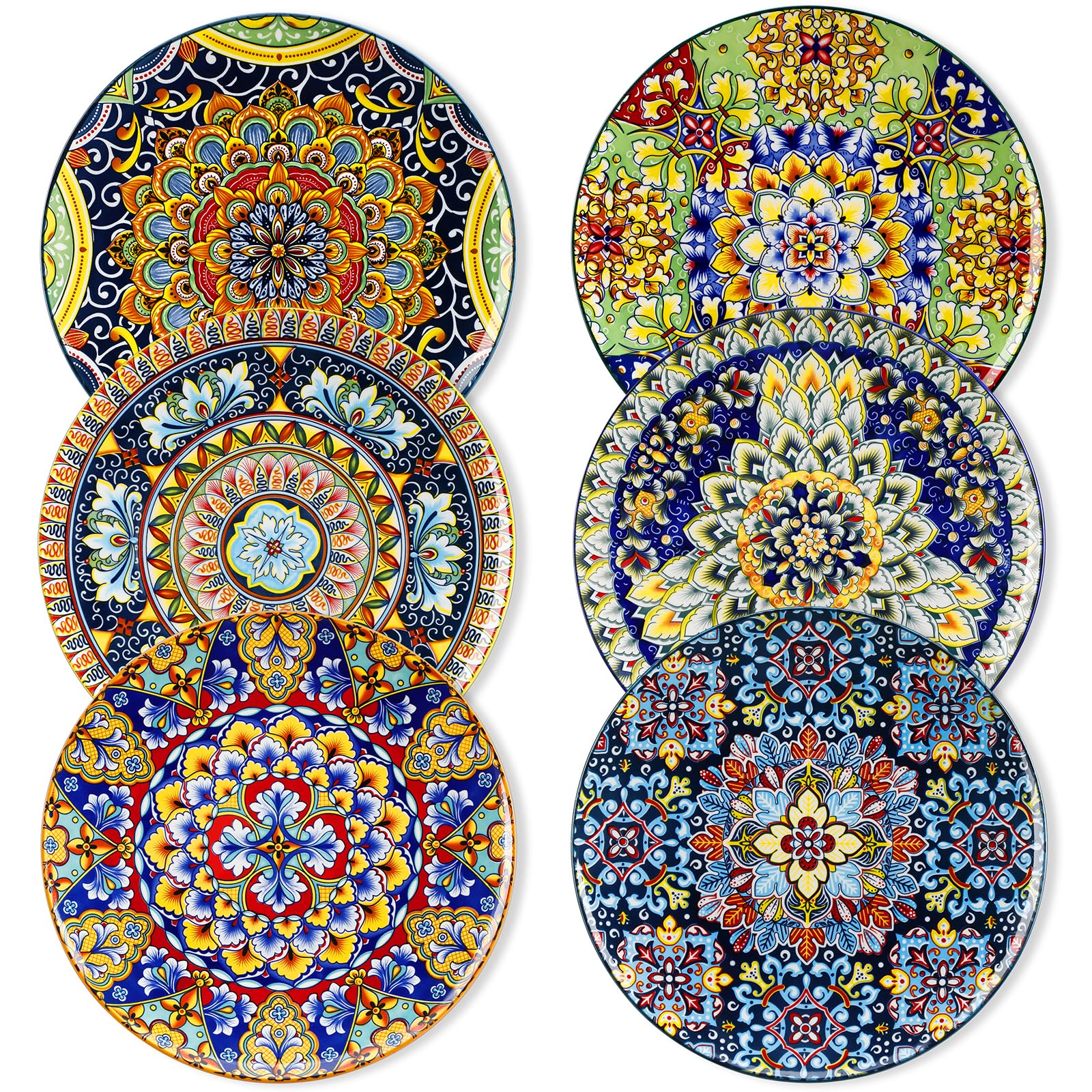
If your budget is tight or you simply love pattern, glazed earthenware style plates bring painted designs and rich color that stoneware and porcelain rarely match at the same price. They work well for dry foods, themed tables, and households that move often. The trade off is care, since these plates chip more easily and some need hand washing to protect the glaze. Treat them as cheerful, replaceable tableware and they deliver strong value.
How to Evaluate Ceramic Dinner Plates
Judge any set by five things in order. Start with material and durability, then confirm dishwasher, microwave, and oven limits against your habits. Next, look at design in practical terms, meaning rim shape, stack height, and how the plate sits in your cabinets. Then check set contents and finish with value, including replacement access. This guide relies on maker specifications and patterns in verified buyer feedback, so confirm final details on the product page.
Ceramic Compared With Other Dinner Plate Materials
Ceramic plates offer a pleasant middle ground. They feel more substantial than glass, carry heat more gently than metal, and look at home on both casual and dressed up tables. Porcelain and stoneware also resist knife marks and staining well over time. On the other side, ceramic can chip or crack when dropped on tile or stone floors, and a full set is heavier to carry and store than lighter options. For picnics, camping, or events where breakage is likely, our guide to the best disposable dinner plates covers the practical throwaway route.
Melamine deserves a short note because it often sits beside ceramic in stores. It is light and hard to break, which suits outdoor meals and young children, but it is not meant for the microwave. Ceramic wins for most indoor tables because it combines warmth, weight, and versatility, as long as you accept careful stacking as part of ownership.
Common Buying Mistakes to Avoid
- Buying 12 inch plates for a small kitchen, so they jam in the dishwasher and overhang the table edge at every meal.
- Choosing a pattern with no open stock, so one chipped plate forces you to replace or mismatch the entire set.
- Ignoring the stated oven limit, then cracking a plate by moving it from a cold counter into a hot oven.
- Ordering a large set before trying one plate at home, so a rim shape or weight you dislike is multiplied across the cabinet.
- Paying for extra place pieces you never use, while skipping the spare dinner plates your household actually needs.
Cost of Ownership and Care
The purchase price is only part of what a set costs over time. Replacement plates and hand washing time add up across years of meals. Keep those costs low by stacking plates with a soft cloth or felt pad between them if the glaze marks easily, and avoid sliding plates across each other, since that dragging motion causes many fine scratches. Let hot plates cool a little before rinsing them in cold water.
Inspect rims and foot rings every few months for small chips, because a damaged edge can harbor residue and can worsen with heat. A plate with a crack that runs through the body should leave service, since it can fail without warning under a hot meal.
Your Questions, Answered
What makes a ceramic dinner plate brand reliable?
Reliability shows up in consistency more than in a famous name. A dependable maker fires plates evenly, so sizes stack true and glazes match across boxes bought months apart. Clear safety labeling and a steady supply of replacement plates also matter. One simple check is to scan recent buyer comments for repeated mentions of the same flaw, such as rims chipping in the first month, because a pattern of identical complaints tells you more than any single review.
How should you clean ceramic dinner plates day to day?
For daily cleaning, scrape food into the bin, rinse soon after the meal, and wash with warm water, a soft sponge, and ordinary dish soap. Baking soda paste lifts light stains from unglazed foot rings. One point many guides skip is drying, since stacking plates while they are still damp can leave water marks and a stale smell in the cabinet. Let plates air dry fully or towel them dry before they go back on the shelf.
Are expensive ceramic dinner plates worth the money?
They can be, when the higher price buys denser firing, reinforced rims, and guaranteed replacement stock rather than decoration alone. A costly porcelain set that serves you daily for a decade may cost less per year than a cheap set replaced twice. The case weakens if the plates sit in a cabinet for guests only. Match your spending to how often the plates will actually meet the table.
How long do ceramic dinner plates usually last?
A well made stoneware or porcelain plate used daily can serve for many years, often a decade or more, when it is stacked carefully and kept away from sudden temperature shocks. Earthenware style plates usually have a shorter working life because the softer body chips sooner. Plates in crowded dishwasher loads face more knocks and chip sooner. Retire a plate at the first through crack, rather than waiting for it to split under a hot meal.
Are ceramic dinner plates worth choosing over other materials?
For most indoor dining, yes, because ceramic balances heat retention, a pleasant feel under cutlery, and a look that suits both plain suppers and celebrations. The exception is any setting where drops are frequent, such as meals on a hard patio with toddlers, where a lighter unbreakable option protects both the plate and the floor. If your meals happen mainly at a proper table, ceramic remains the most versatile choice.
Final Thoughts
The right set comes down to fit. Stoneware suits most homes that want sturdy, relaxed plates for daily meals, porcelain rewards buyers who want one refined set for years of use, and glazed earthenware style ceramic serves tight budgets and colorful tables well. Measure your cabinets, count your regular diners, and check replacement access before you order, and the best ceramic dinner plates for your home will be an easy call. Compare your shortlist against the product table above, then pick the type that matches your space, your household, and your budget.