
Best Cast Iron Roasting Pan: Oven Fit, Handles and Racks (2026)
Disclosure: We may earn a commission when you buy through links on this page, at no extra cost to you. As an Amazon Associate I earn from qualifying purchases. Learn more

The best cast iron roasting pan guide: oven fit, handle grip, racks, weight and care for a pan you will lift often.
A heavy pan that will not fit your oven or your storage shelf helps no one, no matter how well it roasts. The right pick, the best cast iron roasting pan for your home, depends on your oven size, your cabinet space, and how many people usually sit at your table. This guide sorts those fit questions first, then covers care and cost, so use the product table below to match pan types against your space and budget.
Cast iron earns its place through steady heat and a long service life, but it asks for weight tolerance and simple upkeep in return. If you are still weighing materials, our guide to the best roasting pan covers the wider field.


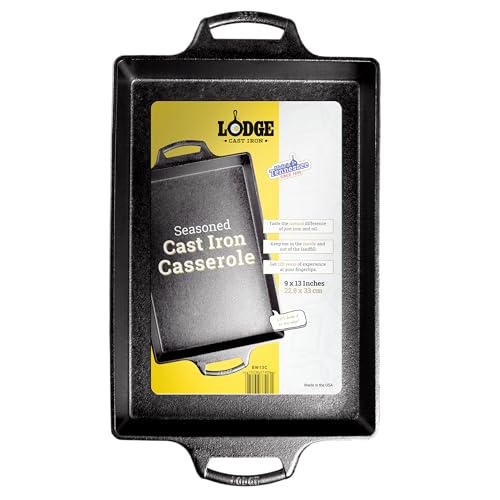
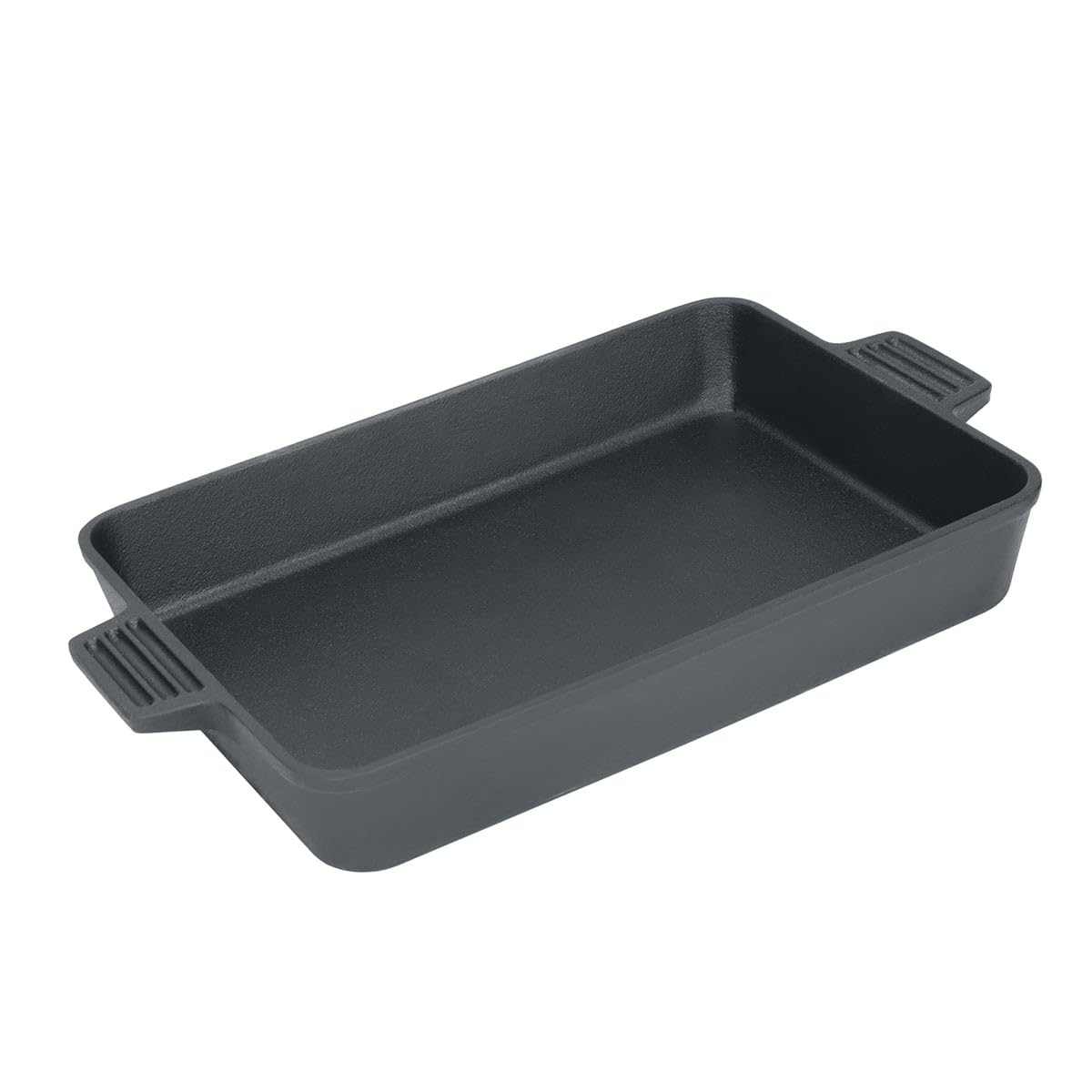


Quick Answer: Three Types That Fit Most Homes
Bare rectangular pans suit cooks who roast often and want the lowest upkeep cost over time. Enameled oval pans suit cooks who value easier cleanup and a table ready look. Pans sold with a rack or a lid suit holiday cooks who roast a whole bird a few times a year and want built in help with airflow and basting. Those three types cover most searches for the best cast iron roasting pan.
Before You Buy: A Quick Checklist for Choosing a Roasting Pan
Size: Match It to Your Space
Measure your oven interior first, then leave about two inches of clearance on every side so hot air can move and you can grip the handles safely. A pan around 13 by 16 inches handles a medium turkey or two chickens for most families. Larger 18 inch pans need a wide oven and deep storage, while compact pans near 13 inches fit small ovens and couples. Our guide that answers what size roasting pan do i need walks through bird weight by pan length.
Which Type Fits Your Routine
Cast iron holds heat longer than stainless steel, nonstick, or carbon steel, so drippings brown well and gravy starts right in the pan on the stovetop. Stainless steel and tri ply pans weigh less and react faster to heat changes. Nonstick and disposable pans clean up fast but wear out sooner. Enameled cast iron skips seasoning yet costs more. Granite style and electric roasters sit outside the cast iron choice, so weigh them only if oven space is your main limit.
Features Worth Paying For and Ones to Skip
Wide loop handles you can grip with thick mitts are worth paying for, since a loaded cast iron pan is genuinely heavy. A rack earns its cost if you roast poultry often, and a lid helps when you braise after roasting. Skip decorative handle shapes that narrow your grip. Skip extra inserts you will store more than use. A flat, thick base matters more than any accessory, because it keeps the pan stable on the burner while you stir pan juices.
Is Cast Iron a Non Toxic Choice?
Cast iron contains no PFAS or PTFE coating, which is one reason many shoppers move to it from worn nonstick pans. On bare pans, the cooking surface is iron covered with seasoning, a layer formed from oil heated until it bonds to the metal. Enameled pans cover the iron with a glass based coating that will not rust or react with tomato based sauces. Ceramic coated and stainless pans are other coating free or low concern routes, but cast iron stands out for tolerating very high heat without coating damage.
Induction, Gas and Glass Cooktop Compatibility
Cast iron works on induction, gas, and electric coils because the iron itself responds to a magnet, so no special base layer is needed. On a glass cooktop, lift the pan instead of sliding it, since the rough base can scratch the surface. Check that the pan base spans your burner reasonably well. A very long pan on a small round burner heats unevenly, and bridging two burners works better on gas and induction ranges with a bridge element.
Oven Safe Temperature and Handles
Bare cast iron usually tolerates the highest oven heat of any roasting pan material, including broiler use, but confirm the maker rating for the exact pan you choose. Enameled pans sometimes carry a lower limit, and knob or handle materials can set the ceiling rather than the iron itself. Avoid pans with wooden or plastic handle parts if you plan to finish dishes under the broiler. All metal handles stay safest across every cooking method you might use.
Realistic Budget Ranges
Under about $30, expect simple bare pans in smaller sizes with few extras. Between about $50 and $100, you find larger bare pans, better handle shapes, and some rack included options. Under about $200, enameled pans and larger formats dominate, with smoother finishes and longer warranties. Above that range, you mostly pay for enamel quality and finish rather than better roasting.
Three Types of Cast Iron Roasting Pans Compared
Rather than naming specific models, it helps to compare the three types you will actually shop among, since type drives price, care, and fit more than any single feature does.
Bare Cast Iron Rectangular Pans
This is the workhorse type, sold seasoned and ready to cook after a first wash. The rectangular shape uses oven corners well and fits standard racks, sheet pans, and storage shelves with little wasted space. It moves from oven to stovetop for gravy without a second thought. The trade off is upkeep, since you dry it promptly and keep the seasoning in good shape. Choose this type if you roast monthly or more and want the lowest cost over a long life.
Enameled Cast Iron Oval Pans
The enamel coating removes seasoning from your routine and resists stains from wine, tomatoes, and long braises. The oval shape hugs a whole chicken or a leg of lamb closely, so juices pool near the meat instead of spreading thin. The trade offs are price and weight, plus enamel that can chip if you bang metal tools against the rim.
Cast Iron Pans Sold With a Rack or a Lid
A rack lifts meat above the drippings so the bottom browns instead of steaming, and a V shaped rack cradles a bird so it cooks evenly on all sides. Our guide to the best roasting pan with rack explains rack shapes further. A heavy lid turns the pan into a braiser for short ribs after the holiday roast is done. Choose this type if one pan must cover roasting, braising, and gravy making across the whole year.
How to Evaluate a Cast Iron Roasting Pan
Judge any pan against five points drawn from maker specifications and patterns in verified buyer feedback. Look at heat distribution, meaning a thick base with no thin spots. Check durability through wall thickness and warranty length. Confirm material safety from the coating type. Verify stovetop and oven compatibility for your range. Finally, weigh the cleaning routine honestly, because a pan you dread washing will sit unused.
What We Like and What We Do Not Like About Cast Iron Compared With Other Roasting Pans
Cast iron browns fond deeply, holds serving heat at the table, and can last for decades with basic care. It also sears on the stovetop before roasting, which lighter pans with thin bases do less evenly. Against that, the weight is real, and lifting a full pan from a low oven takes two hands and good mitts. Rust appears fast if the pan soaks. A useful comparison is roasting pan vs dutch oven, since low roasting pan walls let moisture escape for crisper skin while a Dutch oven traps it.
- Like: steady heat that evens out oven hot spots during long roasts.
- Like: a surface that improves with use instead of wearing out.
- Do not like: the heaviest lift of any common roasting pan material.
- Do not like: no dishwasher option, since detergents strip seasoning and invite rust.
Common Buying Mistakes to Avoid
- Buying an 18 inch pan for a standard oven, so the door will not close with handles accounted for.
- Ignoring loaded weight, so the pan becomes unsafe to lift once a large bird and its juices are inside.
- Paying for a lid, rack, and inserts as a bundle, so half the pieces live in storage untouched for years.
- Choosing enamel in a dark interior color you cannot monitor, so fond burns before you notice it darkening.
- Skipping the burner check, so a long pan sits on a small burner and heats in one hot stripe.
Cost of Ownership and Care
Ongoing cost stays low with cast iron. You need oil for occasional seasoning, sturdy mitts, and a brush or scraper, and that is nearly all. Wash the pan with hot water soon after cooking, dry it on a warm burner, and wipe in a thin film of oil before storing. Our guide on how to clean a roasting pan covers stuck on residue for other materials too. Store the pan dry with airflow, and keep a cloth between stacked pans to protect enamel or seasoning.
For holiday birds, size the pan to the bird with room for vegetables around it, a point our guide to the best roasting pan for turkey develops by weight class. A pan bought at the right size can serve for decades, so the cost per use drops fast. Replacement is rarely needed unless enamel chips badly or a bare pan cracks from a hard drop.
FAQ
What is the most reliable roasting pan brand?
Reliability in cast iron shows up in casting quality rather than in a name. Look for even wall thickness, a smooth cooking surface with no rough pits, and handles cast as one piece with the pan body. A warranty that covers cracking and enamel defects for many years signals maker confidence. Replacement lids and racks that stay available over time also matter, since a pan that outlives its accessories loses part of its value in daily use.
How do you clean a cast iron roasting pan after roasting?
Pour off the fat while the pan is warm, then add hot water and let the pan sit for about ten minutes so roasted residue loosens. Scrub with a stiff brush, using coarse salt as a gentle abrasive for stubborn spots. A wooden spoon edge lifts stuck bits without gouging seasoning. Dry the pan fully on the stove before storing it, since even a little trapped moisture under a lid or rack will start rust spots overnight.
Is a roasting pan worth it if you already own a Dutch oven?
For many homes, yes, because the low walls change the result. Roasting in an open pan lets steam escape, so skin crisps and vegetables caramelize at the edges instead of softening. A Dutch oven holds a small chicken well, but a large bird crowds against its tall sides and steams. If you roast whole birds or big vegetable trays more than a few times a year, the dedicated pan earns its storage space quickly.
How long does a cast iron roasting pan last?
A bare cast iron pan can serve for several decades, and many stay in family use across generations because the material does not wear thin. Enameled pans also last for many years, though the coating sets the limit once chips reach the cooking surface. Lifespan depends mostly on avoiding thermal shock and hard impacts. A pan that is dried after washing, stored without stacking damage, and never left soaking will usually outlast every other pan in the kitchen.
Are cast iron roasting pans worth the weight?
They are worth it when browning quality and longevity top your list, and when you can lift about fifteen to twenty pounds safely once the pan is loaded. The mass smooths out oven temperature swings, so long roasts cook more evenly. If wrist strength or a high oven placement makes lifting hard, choose a smaller format or a lighter material. Honest fit matters more than any single performance gain a heavier pan can offer your household.
Final Thoughts
Start with your oven measurements, pick the type that matches your routine, and spend in the middle ranges unless enamel is a priority. Judged that way, the best cast iron roasting pan is simply the one that fits your space, your family size, and your strength. Check the product table above once more before you order, and confirm the handle span against your oven width one last time.


