
Best Cast Iron Pizza Stone: Size, Thickness and Preheating (2026)
Disclosure: We may earn a commission when you buy through links on this page, at no extra cost to you. As an Amazon Associate I earn from qualifying purchases. Learn more

The best cast iron pizza stone guide: pan size, thickness, preheating and care.
It is pizza night, the dough is stretched, and your thin sheet pan delivers another pale and floppy crust. That letdown is why many home cooks switch to cast iron. The best cast iron pizza stone holds steady heat under the dough, so the bottom crisps while the toppings finish.
Choosing well comes down to your oven space, how many people you feed, and how much upkeep you accept. This guide walks through sizes, shapes, finishes, and budgets. Start with the product table below, and if you are still weighing materials, our broader guide to the best pizza stone covers the full field.
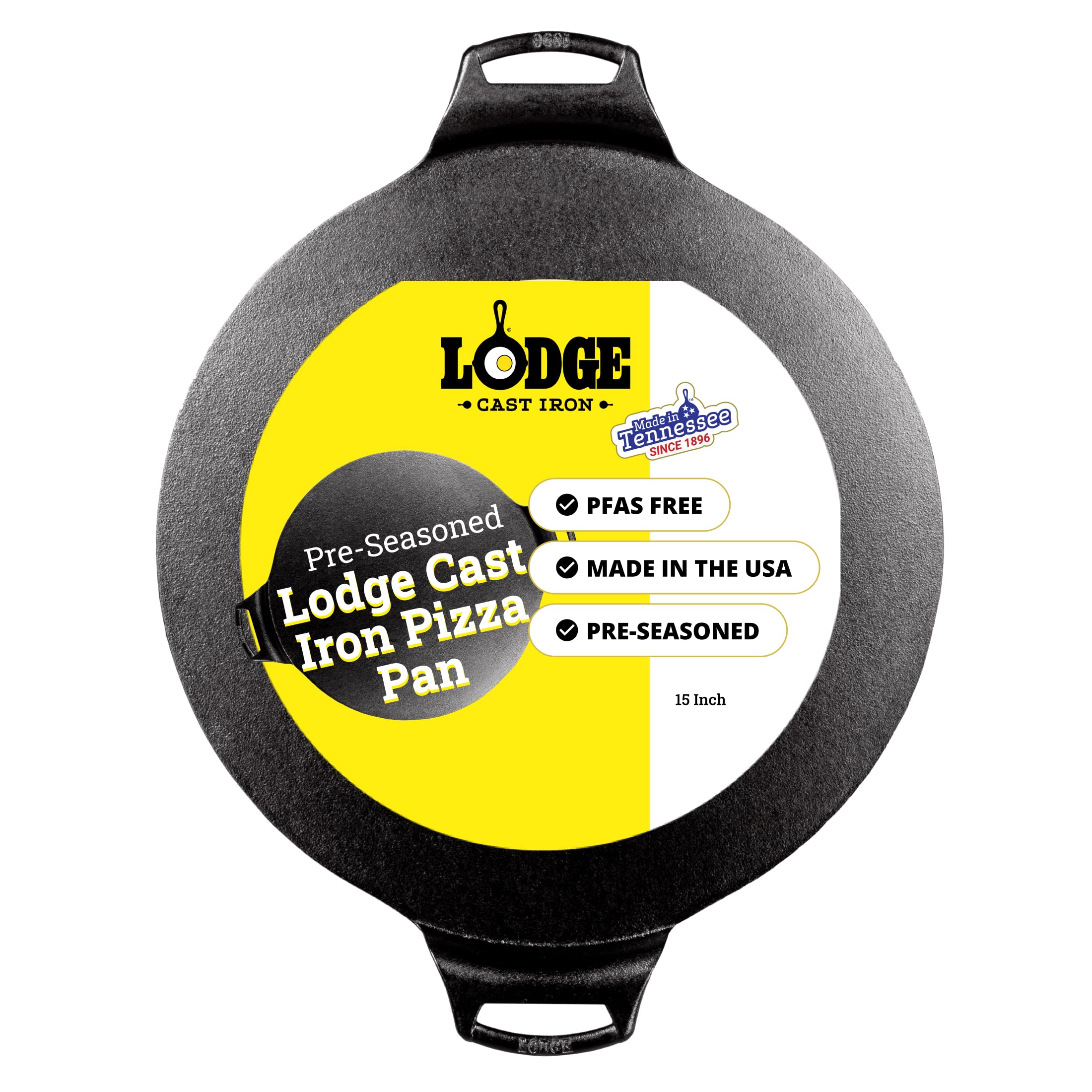


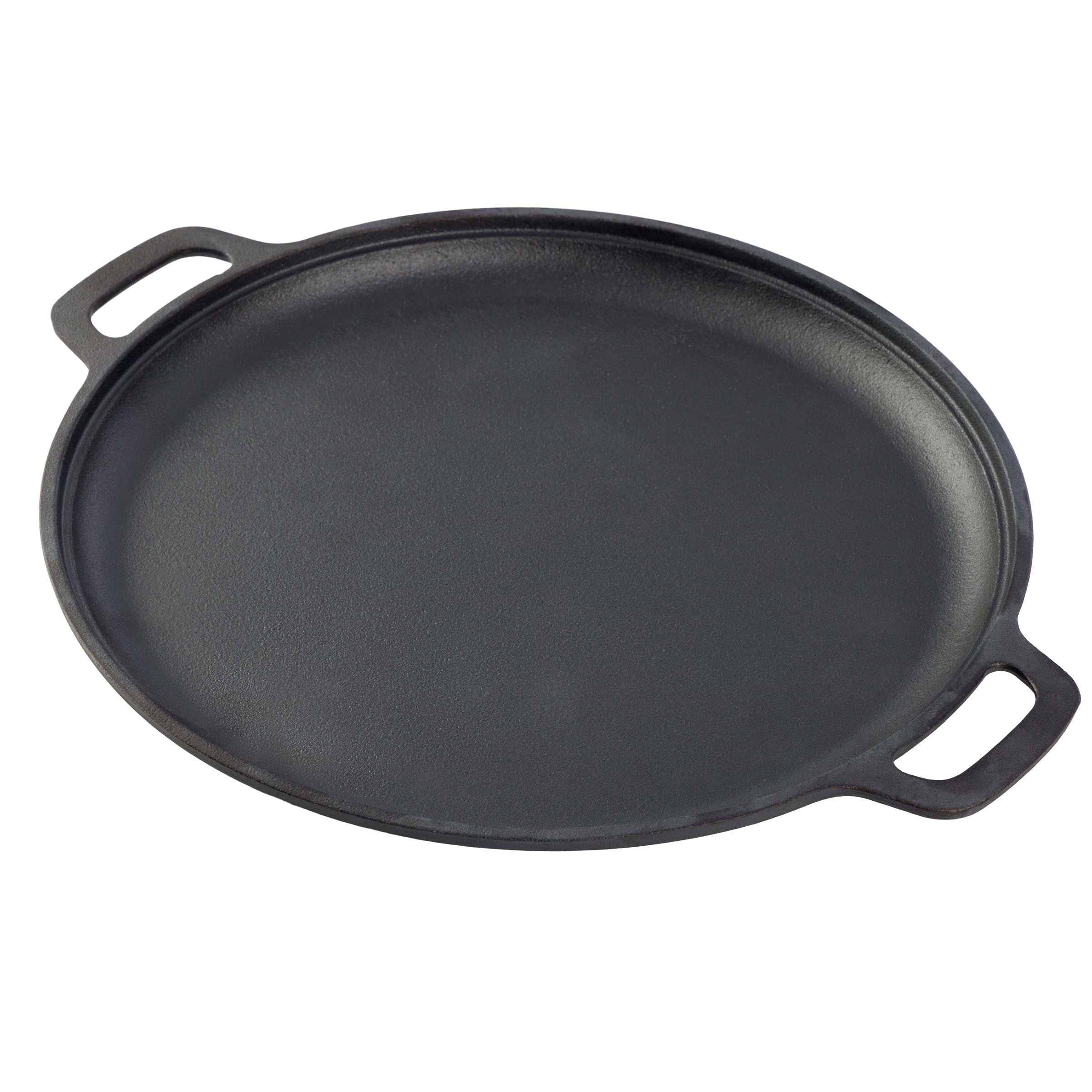


Quick Answer: Cast Iron Styles in Brief
Cast iron pizza pans fall into three practical styles, and each suits a different household. All of them reward a full preheat. Use this summary to narrow your focus on the best cast iron pizza stone for your oven before the detailed checklist.
- Round pan with handles: the easiest style to move in a hot oven, and a good default for family pizza nights.
- Compact round pan: the lightest and lowest cost style, suited to small ovens and personal pizzas.
- Large rectangular pan: the most surface for feeding a crowd or baking two smaller pizzas side by side.
Before You Buy: A Quick Checklist for Choosing a Pizza Stone
The checklist below covers the decisions that actually change how a cast iron pan cooks and how it fits your kitchen. Work through each point once, and the right size and style usually become obvious.
Size: Match It to Your Space
Measure the inside of your oven, then leave about an inch of open space on every side so hot air can circulate. A 12 inch pan suits compact ovens and personal pizzas, while 14 and 15 inch pans fit most standard ovens and feed three or four people. A 16 inch pan or a rectangular pan near 14 by 16 inches serves larger groups but can crowd smaller cavities. Also check your storage spot first.
Shape and Construction: Match It to Your Routine
Round pans mirror the shape of most pizzas and turn easily with a peel, so they suit classic pies and weekly pizza nights. Rectangular pans use oven space more fully and double as a griddle for pancakes and sheet style pizzas. Thicker castings hold heat longer between back to back pizzas, which helps when you bake several pies in a row. Thinner castings heat faster and weigh less.
Features Worth Paying For and Ones to Skip
Wide loop handles are worth paying for, because a loaded cast iron pan is heavy and oven mitts need a secure grip. A pizza peel also earns its cost, since sliding dough onto a preheated pan is far easier than building the pizza on the hot surface. A shallow raised rim helps contain loose toppings. Skip decorative stands, pour spouts, and bundled cutter sets, since none of them improve the crust.
Finish Color and Browning
Cast iron is naturally dark, and that dark surface absorbs radiant heat and pushes the crust toward deeper browning. The result is a firmer bottom with more color than pale ceramic usually gives. One trade off is visual: on a dark pan, it is harder to judge doneness by color alone, so lift an edge with a spatula and check the underside. For a softer and lighter crust, shorten the bake slightly.
Heat Limits and Heat Sources
Bare cast iron tolerates the full heat of a home oven, including broiler settings, and it also works on a grill with the lid closed. Always confirm the rating from the maker, because enamel coatings can carry lower limits. Preheat the pan with the oven for about 30 to 45 minutes so the whole casting reaches baking temperature. Gradual heating matters, since placing a cold pan into a fully hot oven stresses the metal. For placement tips, see our guide to the best pizza stone for oven use.
Seasoned Surface Versus Coated Surface
A seasoned bare iron surface builds food release over time and can be restored at home with a thin coat of oil and oven heat. It asks for prompt drying after washing, but it has no coating to wear out. An enamel coated surface wipes clean more easily and resists rust, yet chips cannot be repaired. Avoid thin nonstick coatings for pizza unless the maker rates them for high heat, because pizza temperatures sit near the limit of many such coatings.
Realistic Budget Ranges
Under $30, expect a compact or plain round pan with basic seasoning and no extras, which still bakes a fine crust. About $30 to $50 covers most full size round pans with sturdy handles and more even factory seasoning. About $50 to $100 brings larger rectangular pans, enamel finishes, or bundled peels. Paying more mainly buys size, finish, and accessories rather than better pizza, so set your budget by the diameter you need.
Cast Iron Styles Compared for Different Homes
With the checklist in mind, here is how the three main styles line up against real household needs.
Round Pan With Handles for Most Homes
A 14 or 15 inch round pan with loop handles is the most forgiving starting point for most households. It fits a standard oven, holds a family size pizza, and the handles make the heavy pan manageable with thick mitts. The round shape pairs naturally with a standard peel and lets you rotate the pizza midway for even browning. Choose this style if you bake pizza most weeks.
Compact Round Pan for Small Ovens and Tight Budgets
A 12 inch round pan suits apartment ovens and households of one or two people. It heats quickly, stores upright in a cabinet, and usually costs the least of the three styles. The limits are real: large pizzas must shrink, and baking for guests means several rounds in the oven. Choose this style if cabinet space is tight and personal pizzas are your normal routine.
Large Rectangular Pan for Bigger Households
A rectangular pan around 14 by 16 inches gives you the most working surface, so it handles two small pizzas or a big flatbread at once. It also moonlights as a griddle for breakfast foods. The trade off is weight and storage, because this is the heaviest style and it needs a wide flat shelf. Choose it if you cook for five or more people often.
How to Evaluate a Cast Iron Pizza Stone
When you compare listings, judge each pan on five points drawn from maker specifications and patterns in verified buyer reviews. Look at heat distribution, meaning an even casting without thin spots, and food release, meaning seasoning quality out of the box. Check warp resistance, plus material safety, meaning a clear statement of what the surface coating contains. Finish with cleaning effort, because a pan that is annoying to wash will quietly stop being used.
Cast Iron Compared With Other Pizza Stone Materials
Cordierite and ceramic stones cost less and weigh less, but they can crack under sudden temperature change and they stain easily. Baking steel conducts heat even faster than cast iron, though it is heavy and usually costs more. Cast iron sits between them: nearly unbreakable in normal use, strong at holding heat, and priced in the middle. Our head to head on pizza stone vs pizza steel digs into that trade off.
Where cast iron wins is versatility and lifespan, since the same pan sears, roasts, and bakes for decades with basic care. Where it loses is weight and upkeep, because it needs drying and occasional seasoning. On a grill it performs beautifully with the lid down, and our guide to the best grill pizza stone explains grill setup in more depth.
Common Buying Mistakes to Avoid
- Buying the largest pan your oven can hold, so poor air flow gives you uneven browning and a pan you dread moving.
- Ignoring the weight, so a pan that felt fine in the store becomes a two handed lift you avoid on busy weeknights.
- Choosing a coated pan without checking its heat rating, so the first broiler session damages the finish.
- Skipping a peel, so you end up assembling pizza on a hot pan and burning your knuckles on the oven wall.
- Storing the pan damp in a closed cabinet, so rust spots form and the seasoning breaks down between uses.
Cost of Ownership and Care
Ownership costs stay low with cast iron. There are no replacement parts, and the only consumables are a little cooking oil for seasoning and a stiff brush for cleaning. A peel is a one time purchase of about $15 to $30 if you do not own one. Energy costs match any long oven preheat, and batching two pizzas in one session keeps that cost sensible.
For daily care, scrape off baked on food, wash with hot water and a brush, and dry the pan on a warm burner before storing. If food release fades, rub on a very thin layer of oil and heat the pan upside down in the oven for about an hour. Keep the pan in a dry spot with a paper towel on top. Our step by step on how to clean a pizza stone covers stubborn stains.
Your Questions, Answered
How do you handle stuck cheese on a cast iron pizza stone?
Let the pan cool until warm, then pour on a little hot water and wait about ten minutes so the cheese softens and lifts with a bench scraper. This soaking trick works on cast iron but would endanger a ceramic stone, which is one quiet advantage of iron. If a faint smoky smell lingers afterward, bake the empty pan for about 20 minutes at your usual pizza temperature to burn off residue before the next use.
Is a cast iron pizza stone worth it if you only make pizza twice a month?
Yes, for most households, because the pan rarely sits idle between pizza nights. It reheats leftover slices without sogginess, crisps frozen foods, roasts vegetables, and works as a small griddle for sandwiches. Count those weekly uses and the cost per use drops fast. If you truly bake nothing else and storage is scarce, a simple baking sheet may serve you better.
How long does a cast iron pizza stone last before it needs replacing?
A sound casting can last for decades, and the pan almost never wears out in the way coated cookware does. What changes over time is the seasoning layer, which thins in spots after heavy scrubbing and builds back with regular cooking. Surface rust looks alarming but usually scrubs away and seasons cleanly again. Replacement only becomes necessary if the pan cracks from a hard drop onto tile or concrete.
Can you use a cast iron pizza stone on a gas grill and a stove burner?
Yes, and each heat source gives a slightly different result. On a grill, close the lid so the top of the pizza cooks at the same pace as the crust, and leave a small gap between the pan and the grill wall for air flow. On a stove burner, the pan works as a flat top for tortillas and quesadillas, but a single burner heats the center fastest, so rotate foods for even browning. Match the pan size to the burner or grill grate before you buy.
What size cast iron pizza stone works best for a household of two?
A 12 or 14 inch round pan covers most couples well, but consider how you like to serve. Two people who enjoy personal pizzas with different toppings often prefer one 14 inch pan used twice, since the second pizza bakes while you eat the first. The 14 inch size also reheats two leftover slices side by side, which the 12 inch pan cannot do comfortably.
Final Thoughts
Match the pan to your oven, your household size, and the upkeep you will honestly do, and cast iron will reward you with crisp crusts for years. The best cast iron pizza stone for your home is the one that fits your space and gets used every week, not the largest or priciest option. Review the product table above once more, then check our pizza stone buying guide if you want a deeper look at materials before you order.


