Best Cast Iron Kettlebells: Weight, Handle and Base (2026)
Disclosure: We may earn a commission when you buy through links on this page, at no extra cost to you. As an Amazon Associate I earn from qualifying purchases. Learn more

The best cast iron kettlebells guide: weight selection, handle finish, base shape and floor protection.
Cast iron kettlebells are simple, durable training tools, and best cast iron kettlebells choices matter more than their plain looks suggest. The product table below lists current options, and this guide explains what to check. Handle finish, weight accuracy, base shape and coating all affect comfort and safety during swings, cleans and presses.
A kettlebell is a single piece of iron, so quality hides in details. A rough handle tears hands. An uneven base wobbles during floor work. A poorly marked weight causes confusion in a workout.

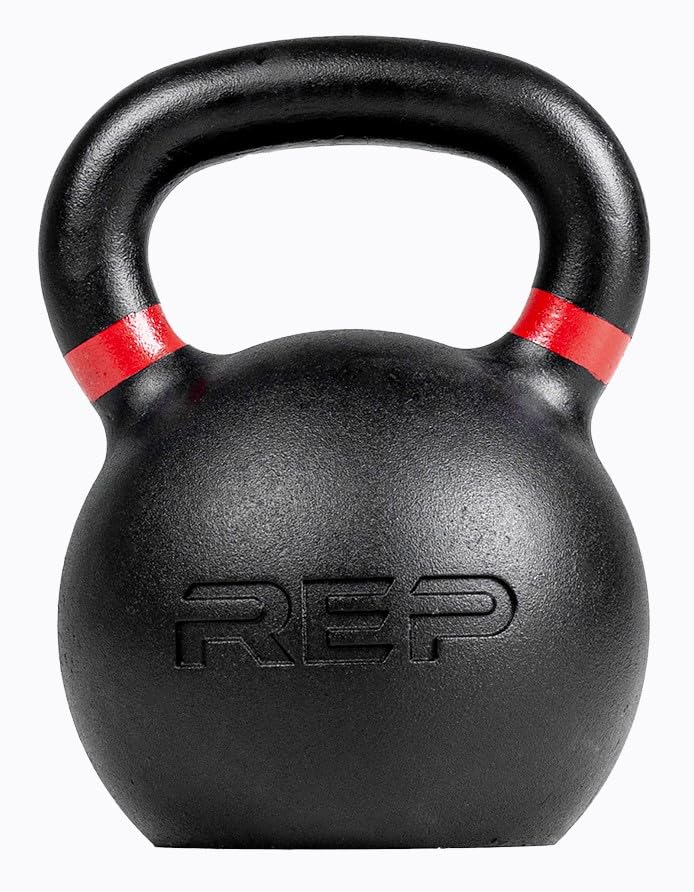


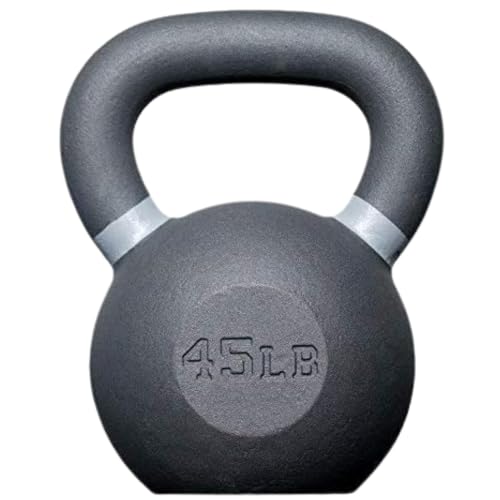


Checking these details before buying saves frustration and protects your hands and floors.
Weight selection matters most. Too light a bell teaches poor form for swings. Too heavy a bell risks injury for presses and snatches. Most people need more than one weight over time, so plan a small collection rather than a single perfect bell.
Workout programming with kettlebells works best in simple cycles. A beginner cycle might include swings, goblet squats and carries three times weekly. An intermediate cycle adds cleans, presses and Turkish get ups with careful progression. Keeping sessions short and consistent beats occasional marathon workouts.
Simple programming builds skill safely and keeps motivation high.
Who Should Train With Kettlebells
Home exercisers benefit from kettlebells because one bell supports strength, conditioning and mobility work in a small space. Swings build hip power, presses build shoulder strength and carries build grip and core stability. A few bells replace much larger equipment for general fitness.
Beginners should start light and learn technique first, ideally with coaching or trusted video guidance. Experienced lifters use heavier bells for strength and power. People with back, shoulder or wrist problems should seek professional advice before starting, since kettlebell moves demand good form and joint health.
Key Features to Compare
When you compare the best cast iron kettlebells, handle finish is critical. A smooth, slightly textured handle grips well with chalk without tearing skin. Avoid handles with rough casting seams or sharp edges. Handle diameter matters too: thicker handles challenge grip, thinner handles suit smaller hands.
Check handle width for two hand swings if you plan them.
Weight accuracy and markings help training. Reputable makers cast weights close to stated values and mark them clearly in kilograms or pounds. Base shape should be flat and wide enough for stable floor work. Coating, such as powder coat or enamel, protects against rust and improves grip, but thick coatings can hide casting flaws.
Choosing the Right Weight
For two hand swings, most adult men start around 16 kilograms and most adult women around 12 kilograms, adjusting for strength and experience. For presses and single arm work, lighter bells suit most beginners. These are starting guides, not rules, and individual strength varies widely.
Buy your first bell for learning, not for ego. Good form with a moderate weight beats sloppy reps with a heavy bell. As strength grows, add the next weight rather than jumping far ahead. A gradual collection, spaced by 4 kilograms, supports steady progress across swings, presses and carries.
Technique, Safety and Flooring
Learn the hip hinge before heavy swings. Power comes from hips and legs, not from lifting with the lower back. Keep the wrist straight during cleans and presses, and stop if pain appears. Warm up thoroughly, especially shoulders, hips and grip, before kettlebell sessions.
Protect floors with rubber mats or a dedicated platform, since dropped bells damage wood and tile. Train in clear space away from fragile items and other people. Wear flat shoes or train barefoot on a safe surface if your setting allows. If dizziness, sharp pain or persistent soreness occurs, stop and seek professional advice.
Budget, Storage and Value
Single cast iron bells cost less than adjustable systems and last a lifetime with basic care. Competition bells cost more but keep identical dimensions across weights, which suits technique focused lifters. For most home users, standard cast iron bells offer the strongest deal.
Store bells on the floor, not on shelves where they can fall. A corner rack or mat area keeps them accessible and safe. Wipe handles after sweaty sessions and keep bells dry to prevent rust. A small, well chosen set beats a large collection of poor quality bells.
Quick Checklist Before You Buy
- Check handle smoothness and diameter for your hands.
- Start with a moderate weight and learn form first.
- Use rubber mats to protect floors.
- Keep wrists straight and power swings from the hips.
- Store bells on the floor, never on high shelves.
Getting the Most From Your Choice
Grip care matters for regular kettlebell training. Chalk improves grip and protects hands, but too much chalk dries skin and causes tears. File calluses smooth and moisturize hands after training. If a tear occurs, rest the grip work until healed, since training through torn hands worsens damage and breaks technique.
Healthy hands train consistently.
Space planning keeps home kettlebell training safe. A clear area of a few square meters, a rubber mat and no overhead obstructions suffice for most moves. Outdoor training on grass or patio works well in good weather. Keep children and pets clear during swings and snatches, since a moving bell covers surprising distance if grip fails.
A Final Check Before You Order
Pairing kettlebells with other training creates balanced fitness. Bodyweight work complements kettlebell strength, while walking or cycling adds easy cardio. Avoid stacking intense kettlebell sessions with heavy barbell days without recovery planning. Balanced programming prevents overuse and keeps training enjoyable across months, not just weeks.
Second hand kettlebells offer great value if inspected carefully. Check handles for cracks, rust and smooth finish, and verify weight markings. Surface rust cleans up, but deep pitting or handle damage should be rejected. A quality used bell performs identically to a new one, so patient shopping can build a home set affordably.
Coaching, even briefly, transforms kettlebell safety and results. A single session with a qualified coach can correct hip hinge mechanics, breathing and grip that self taught lifters practice wrong for months. Many gyms offer introductory kettlebell classes, and online coaching reviews can help if local options are limited. Investing in one coaching session early costs less than a second bell and pays off every time you train, since good form protects your back and shoulders while making every rep more effective.
Frequently Asked Questions
What weight kettlebell should a beginner start with?
Most beginners start with a moderate bell that allows good form for swings and presses, often around 12 kilograms for women and 16 kilograms for men, adjusted for individual strength. Lighter is safer for learning. If you can swing with control and press without strain, the weight is right. Progress gradually rather than jumping to heavy bells early.
Cast iron or competition kettlebells: which is better?
Cast iron bells grow in size with weight and cost less, suiting home gyms and general training. Competition bells keep the same size across weights and suit technique focused lifters. For most home users, cast iron offers better value. For lifters who compete or prioritize identical technique, competition bells justify the extra cost.
How do I protect my floors from kettlebells?
Use thick rubber mats or a dedicated lifting platform under your training area. Mats absorb drops and prevent dents in wood or tile. Train on a stable surface and keep bells on mats between sets. Avoid dropping bells from overhead whenever possible, since even mats have limits and repeated drops damage floors and bells.
Can kettlebells hurt your back?
Kettlebells can strain the back if technique is poor, weights are too heavy or warm up is skipped. Good hip hinge form, controlled reps and gradual progression reduce risk. Stop if sharp pain, numbness or persistent soreness appears. People with existing back problems should seek professional guidance before starting kettlebell training.
How do I stop kettlebells rusting?
Keep bells dry, wipe handles after sweaty sessions and store them in a dry area. Powder coated or enameled bells resist rust better than raw iron. If light rust appears, clean it promptly and dry thoroughly. Avoid storing bells outdoors or in damp garages without protection, since moisture accelerates rust.
Final Thoughts
A good cast iron kettlebell is simple, honest equipment that lasts for decades. Start with a weight that lets you learn great form. Quality details matter more than brand hype.
Train patiently, protect your floors and progress gradually. With sensible weight choices and solid technique, kettlebells can build strength, power and conditioning in a remarkably small space.
Simple, durable and endlessly versatile, kettlebells reward patient technique and steady progression, and best cast iron kettlebells can anchor home training for decades. Use the product table above to compare handles and weights, then start light and build skill first.