Best Cart Charcoal Grill (2026): Sizes and Features That Fit Real Homes
Disclosure: We may earn a commission when you buy through links on this page, at no extra cost to you. As an Amazon Associate I earn from qualifying purchases. Learn more

The best cart charcoal grill depends on floor space and household size; compare compact, standard and large carts, features and running costs.
The grill rolls out from the garage wall, and dinner needs to feed your household without turning setup into a project. That is where a cart model earns its place. Choosing the best cart charcoal grill comes down to floor space, how many people you feed, and how much cleanup you will accept each week.
This guide focuses on fit for real homes rather than cooking power alone. Compare sizes, layouts, features, and ownership costs, then match a type to your routine. Check the product table for current models.




Quick Answer: Cart Types in 30 Seconds
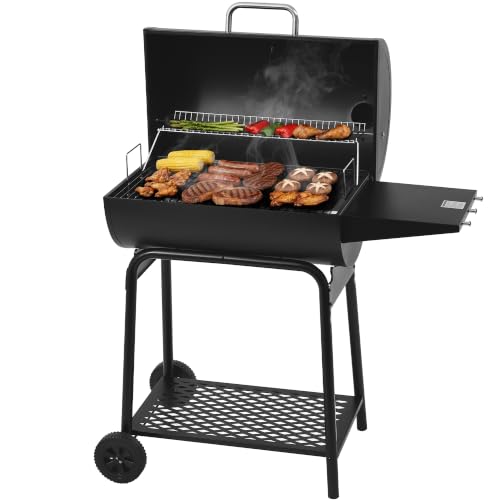
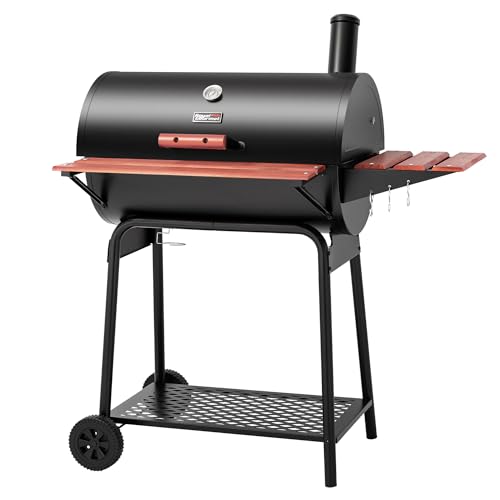
A cart charcoal grill is a charcoal chamber mounted on a wheeled frame, usually with a lower shelf and a side surface for trays and tools. It suits homes that want charcoal flavor without bending over a low kettle or carrying a portable unit to a table.
- Compact cart models suit small patios and households of one to three people.
- Standard family cart models suit most patios and regular cooking for three to five people.
- Large cart models suit frequent hosts who cook in batches and need extra grate room.
For the wider view before you settle on a cart layout, see our guide to the best charcoal grill.
Before You Buy: A Quick Checklist for Choosing a Charcoal Grill
Size: Match It to Your Space
Measure where the grill will live and the path it must roll through, including gates and tight patio corners. Leave clear space on each side for hot trays. An 18 inch grate handles burgers for a small household, a 22 inch grate fits a whole chicken plus vegetables, and a 26 inch grate helps with parties but needs more storage room and more charcoal.
Judge footprint when parked, not only grate size, since wide shelves add real width. If your patio is truly tight, compare your shortlist with the options in our guide to the best small charcoal grill.
Which Type Fits Your Routine
Most cart models use either a kettle shaped bowl or a barrel shaped chamber. Kettle bowls focus heat well for searing and handle indirect cooking with a simple charcoal arrangement. Barrel chambers give a wider surface that lays out ribs, skewers, and trays in neat rows. Choose based on the foods you cook most often.
A kamado holds heat for very long cooks but is heavy, and an offset model needs more floor space and attention. If you travel often, a cart may be the wrong tool, and our guide to the best portable charcoal grill covers units built for car trips instead.
Features Worth Paying For and Ones to Skip
Pay for an adjustable charcoal tray if you cook both delicate fish and thick steaks, since raising or lowering the coals changes heat faster than vent work alone. A hinged lid, a built in thermometer, sturdy wheels, and a removable ash catcher also earn their cost. Side surfaces matter too, because a safe landing spot for a hot tray prevents juggling.
Skip a rotisserie kit if you roast whole birds only once or twice a year, since it adds cost and storage needs. If smoking is a priority, look at our guide to the best charcoal grill with smoker instead.
Fuel Type and Running Cost
Cart models burn lump charcoal or briquettes. Lump lights quickly, burns hot, and leaves less ash, but piece sizes vary and it can cost more per cook. Briquettes burn steadier and cost less for long sessions, though they produce more ash. Keep a dry storage bin near the grill, since damp charcoal lights poorly.
Plan on roughly one chimney for a typical family cook. Learning how to start a charcoal grill with a chimney starter removes the need for lighter fluid.
Cooking Area and Heat Output
Charcoal grills are rated by cooking area, not by BTU, which is a gas grill measure. About 250 to 350 square inches suits small households, and about 350 to 450 square inches covers most families. Above that, you gain batch room but also longer preheat times and higher fuel use. A warming rack adds holding space, though it does not replace main grate area.
Heat control comes from three levers. Vents set airflow, charcoal amount sets total heat, and grate distance sets how hard that heat hits the food.
Build Materials and Rust Resistance
Look for a thick steel bowl and lid with a porcelain coated finish, which resists rust and wipes clean more easily than thin painted steel. Cast iron grates hold sear marks nicely yet need seasoning and dry storage. Steel rod grates are lighter, cheaper to replace, and more forgiving after a missed cleaning.
Square tube frames with cross bracing wobble less than thin round legs, and large rear wheels roll better over patio joints. Check how the ash catcher seals, since gaps drop ash onto the shelf below.
Realistic Budget Ranges
At about $100 and below, expect a compact cart, thinner steel, basic vents, and a simple ash pan that needs a cover to last. In the about $100 to $250 range, you gain sturdier frames, better wheels, hinged lids, and more reliable dampers. This range is where daily use feels easiest for most households.
From about $250 to $500, expect thicker materials, adjustable trays, and larger shelves. Above about $500, you pay for premium finishes, very large areas, and stronger warranties. Spending more buys durability and convenience, not a different charcoal flavor.
Cart Charcoal Grill Types Compared for Different Homes
Match the cart style to your household first. Buy for your typical weeknight dinner, then check that it can stretch for your biggest regular gathering.
Compact Cart Models for Small Patios and Balconies
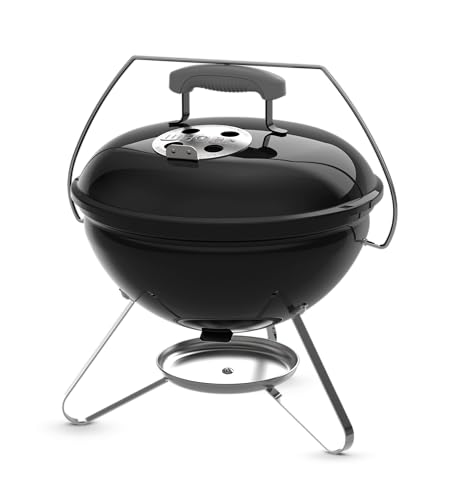
Compact carts pair an 18 inch or slim 22 inch bowl with narrow shelves and a small footprint. They roll easily through narrow side yards and crowded garage corners. For one to three people, the grate holds a full meal in one batch, and the smaller chamber uses less charcoal. Cleanup stays quick because ash volume is low.
The trade off is headroom and batch size. A tall whole chicken may not fit under a shallow lid, and cooking for six means two batches. Check local building and balcony rules before buying, since some properties restrict charcoal outdoors.
Standard Family Cart Models for Regular Weeknight Use
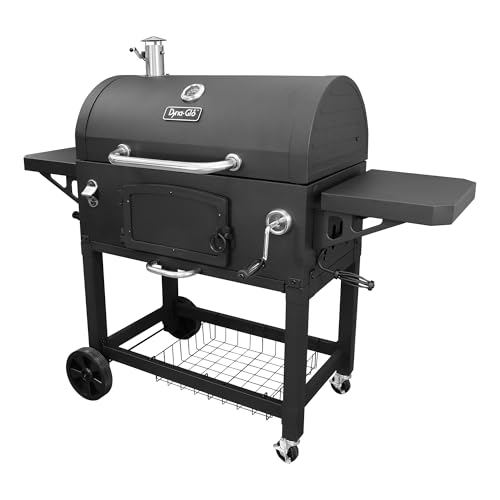
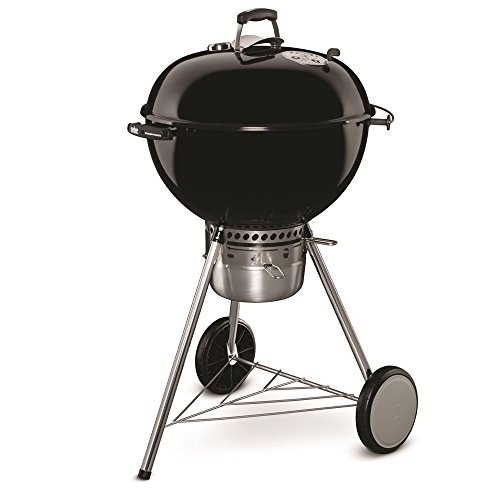
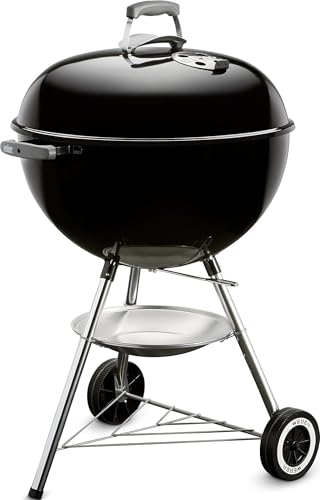
Standard models center on a 22 inch kettle bowl or a midsize barrel chamber, with about 350 to 450 square inches of cooking area. They feed three to five people in one batch and still leave a cooler zone for vegetables or resting meat. A stable frame, a real side shelf, and a lidded ash catcher make weeknight cooking feel routine. Most households keep this size class longest.
Choose this group if you grill twice a week or more in season. Storage stays manageable in a garage corner or under a patio cover. When friends ask which cart charcoal grill class to buy first, this group fits the widest range of homes.
Large Cart Models for Frequent Entertaining
Large carts move to 26 inch bowls or wide barrel chambers with generous shelving and strong frames. They shine when you cook two proteins at once, run a warming zone for a crowd, or lay out ribs without folding them. Hosts who grill for eight or more people several times a season will use the extra area often.
The costs are space, fuel, and weight. A large cart needs a wide parking spot, more charcoal per cook, and two hands to move on slopes. Preheat takes longer, so buy this size only when your guest list calls for it.
How to Weigh the Criteria for Cart Charcoal Grills
Weigh cooking area against household size first, then heat control, frame stability, fuel use per cook, and cleaning effort. Build materials and warranty terms settle close calls, since they decide how long the grill stays useful. A grill that scores well on those points will outlast one chosen for looks or a long accessory list.
Pros and Cons of Cart Models
The strongest case for a cart is working height and movement. Food sits at a comfortable level, shelves hold trays, and wheels let you chase shade or move away from wind without lifting anything hot. Storage below the bowl keeps charcoal dry and close, which makes weeknight grilling more likely.
The trade offs are real. A cart takes more floor space than a kettle on short legs, and tall frames can feel less steady on uneven ground. If you are still learning the basics, our walkthrough on how to use a charcoal grill will help you get steady results.
Common Buying Mistakes to Avoid
- Buying by grate size alone: a huge grate on a cramped patio gets used less than a smaller grill you reach for weekly.
- Ignoring the parked footprint: shelves and handles add width, and a grill that blocks the patio door annoys you daily.
- Skipping the ash system: an open ash pan spreads ash in the wind and adds cleanup that discourages regular use.
- Forgetting charcoal storage: bags on damp ground ruin fuel, so plan a dry bin before the grill arrives.
- Overpaying for rare extras: accessories used twice a year cost money and room that build quality would serve better.
Cost of Ownership and Care
Ongoing costs stay modest but steady. Expect regular spending on charcoal and a new cooking grate every few seasons, depending on material and care. A cover costs little and slows rust on the frame and fasteners. Budget a small amount yearly for vent hardware or wheels on heavily used carts, especially in humid climates.
Care is mostly about ash and moisture. Empty cooled ash after every few cooks so it does not hold moisture against the bowl. Brush the grate while warm, oil cast iron lightly, and store the grill covered with vents open. Once a season, tighten frame bolts and check wheel axles.
FAQ: Your Questions, Answered
Are cart charcoal grills worth it for a small patio?
Yes, if you choose a compact model and measure the parked footprint first. The raised height and shelves can save space, since you skip a separate prep table beside a low kettle. One point many buyers miss is that some compact carts let the side shelf fold down, shrinking the footprint further when parked.
How do you clean a cart charcoal grill after cooking?
Close the vents when you finish, let the coals die fully, and wait until the ash is completely cold before handling it. Scoop ash into a metal container with a lid, since stray embers can stay warm longer than they appear. Wipe the bowl with a dry brush rather than water, which turns ash into a paste that clings.
How long does a cart charcoal grill last with regular use?
A midrange steel cart kept covered and stored dry commonly serves for many seasons, while thin budget models wear faster at the bowl and ash pan. The part that usually fails first is the charcoal grate, which endures the harshest heat cycles. Replacing it when it sags or flakes is normal upkeep that extends the life of the whole grill.
Can you smoke food on a cart charcoal grill?
Yes, for shorter smoking sessions like ribs, chicken, or sausages. Set the coals to one side, place a water pan on the charcoal grate, and cook food on the opposite side with the lid vent over the food. Adding charcoal in small amounts through a hinged grate section keeps the lid closed and the temperature steadier.
What size cart charcoal grill does a family of five need?
A 22 inch model with about 350 to 450 square inches covers a family of five in one batch for most meals. Look for a warming rack, since it lets you hold finished burgers or corn while the last items cook. That holding space often matters more than a 26 inch bowl, which raises fuel use at every dinner.
Final Thoughts
Match the cart to your floor space, household size, and the cleanup routine you will actually keep. Compact carts serve small patios, standard carts cover most families, and large carts earn their space only for frequent hosts. Use the product table above to compare your shortlist.
Seen that way, the best cart charcoal grill for your home is the one you will roll out often. Pick the size class first, spend on build quality and ash handling next, and let rare extras wait.