
Best Cast Iron Egg Pan: Size, Handle and Burner Fit (2026)
Disclosure: We may earn a commission when you buy through links on this page, at no extra cost to you. As an Amazon Associate I earn from qualifying purchases. Learn more

The best cast iron egg pan guide: size, handle and burner fit, plus care for a small pan.
Picture a weekday morning in a small kitchen. One person wants a fried egg for toast, the coffee is still brewing, and there is no room for a big skillet that only comes out on weekends. A compact cast iron pan solves that problem because it lives on the stovetop, heats evenly, and handles a single egg without fuss. Finding the best cast iron egg pan for your home comes down to the space you have, how many people you cook eggs for, and how much daily care you are willing to do.
This guide walks through sizes, styles, and costs in plain terms so you can match a pan to your household instead of guessing. The product table below lists current options at a glance.

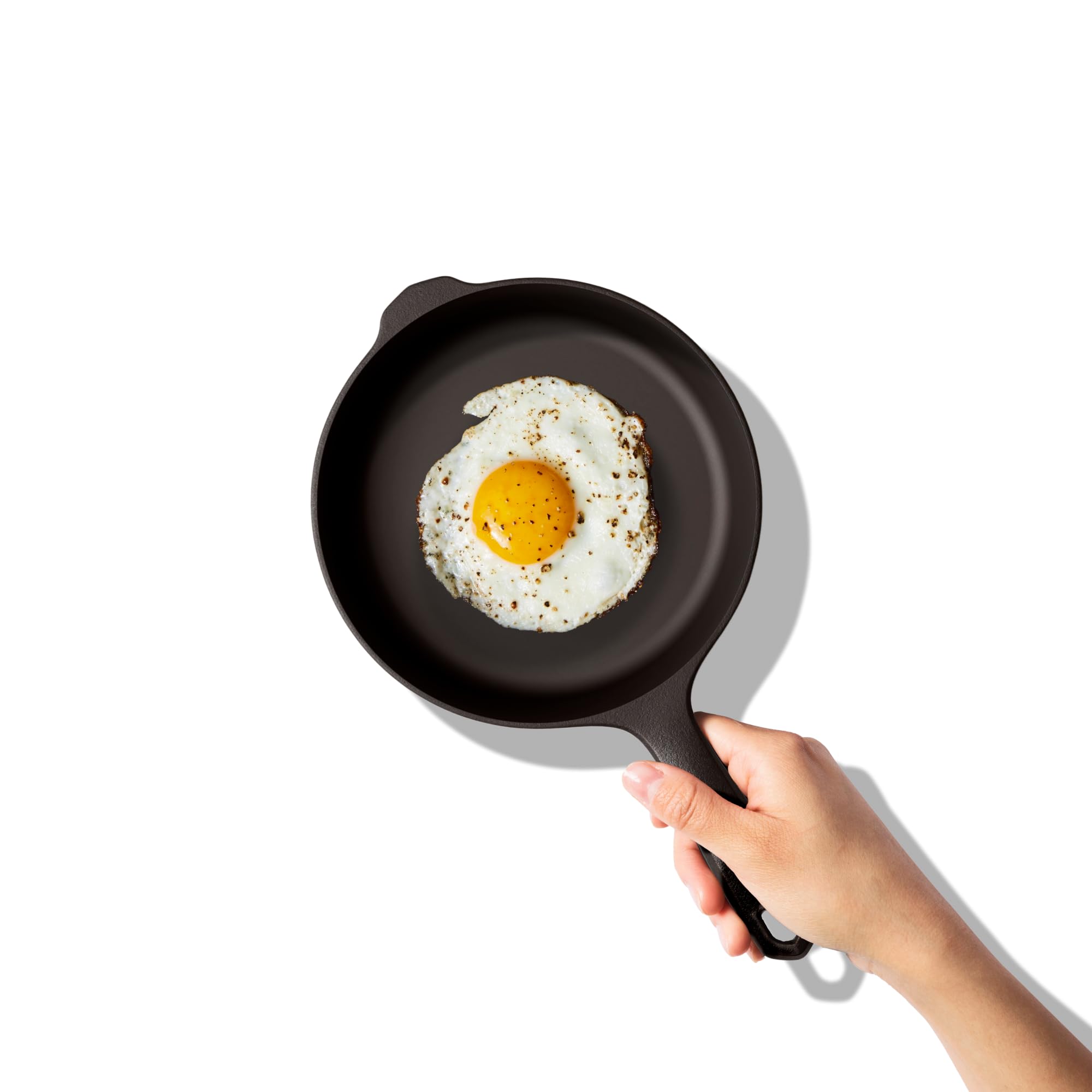

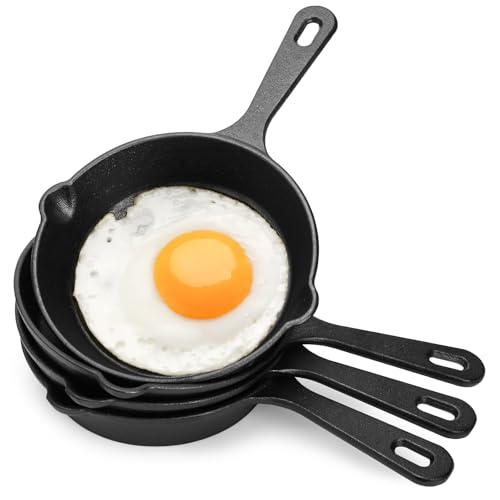

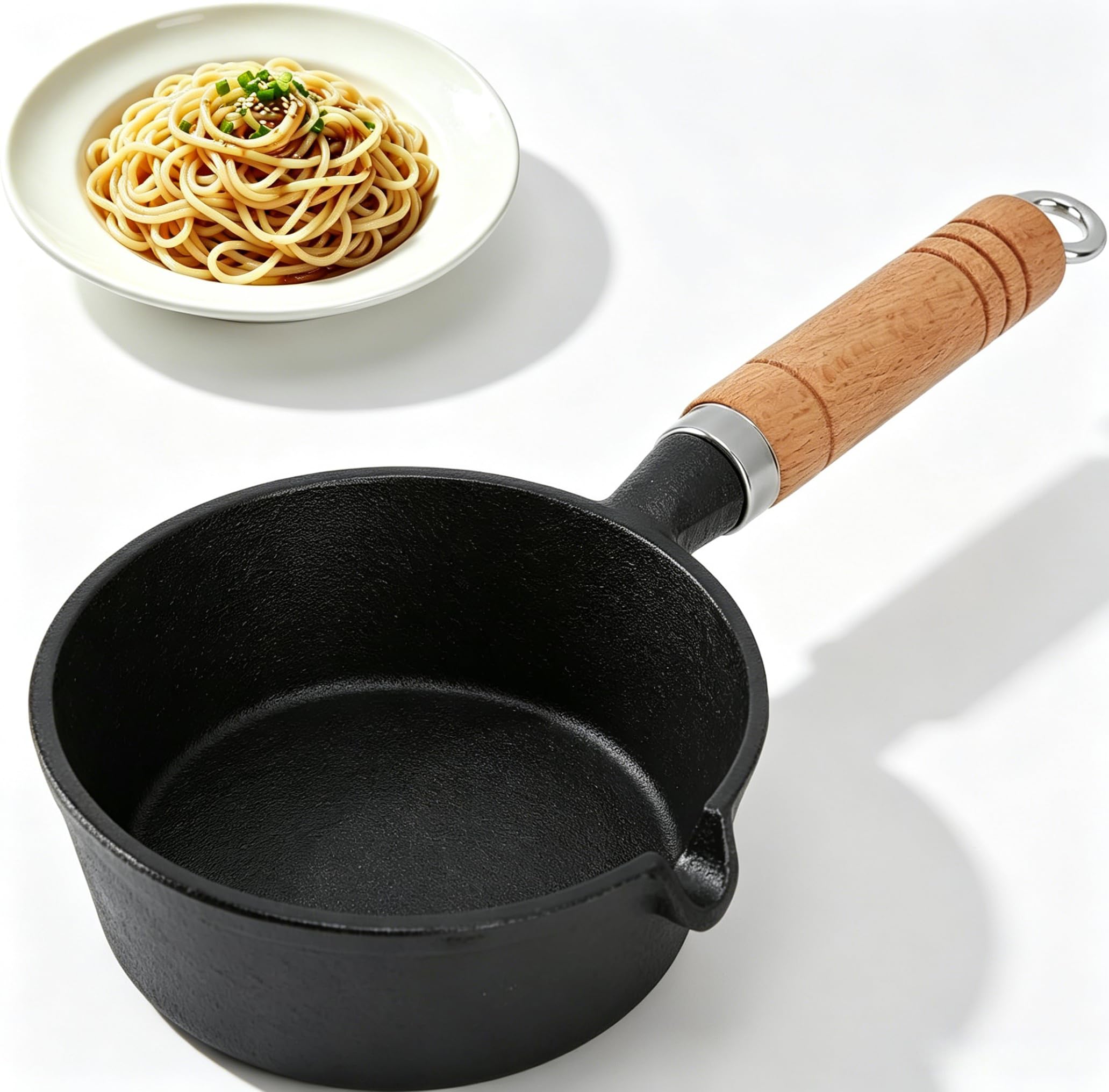

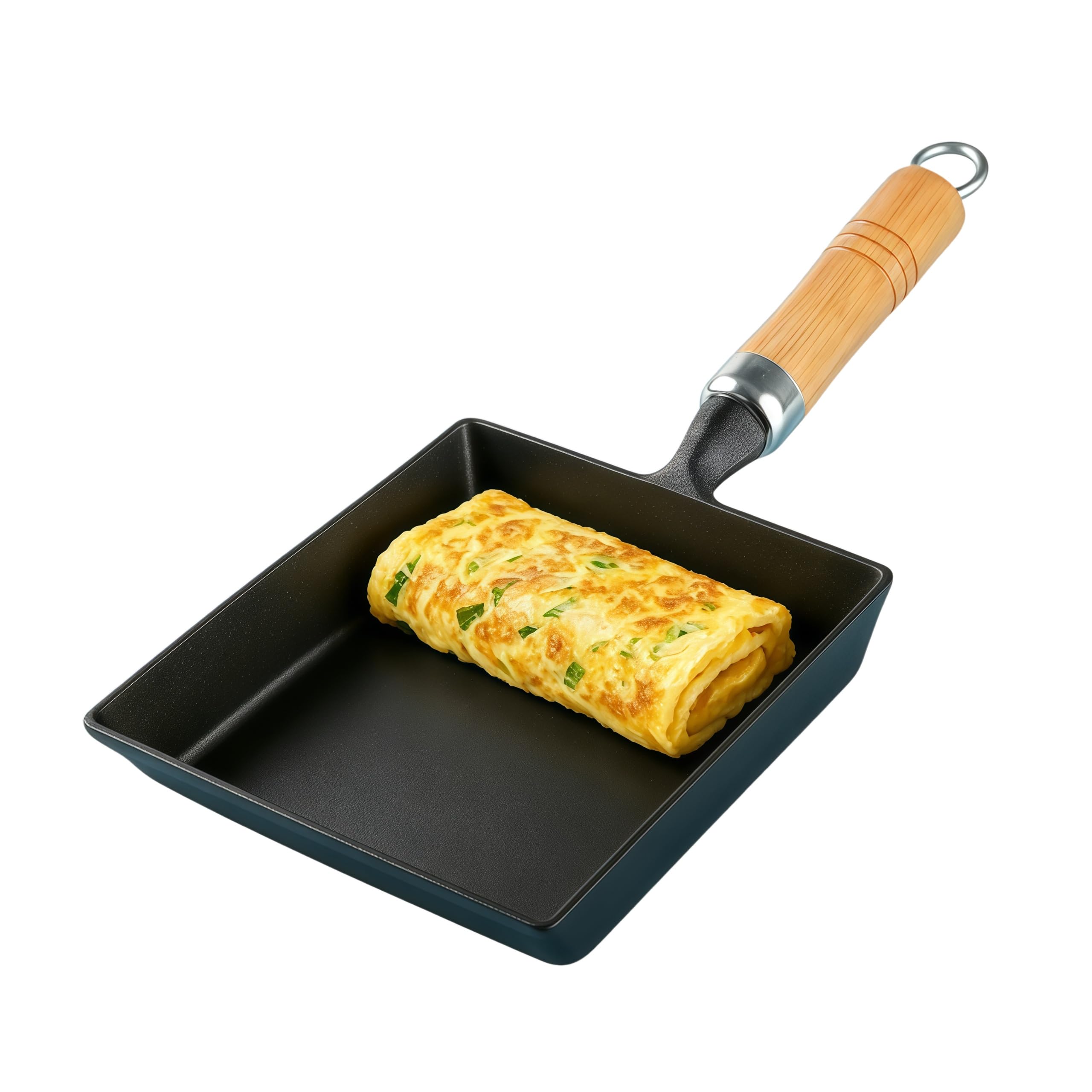


Quick Answer: The Three Styles That Cover Most Homes
Most households land on one of three styles. A small round pan of about 5 to 6 inches suits one egg at a time and tiny stovetops. A midsize pan of about 8 inches handles two eggs or a small omelette and fits the average burner. A larger pan near 10 inches works when you fry eggs for three or four people in one round. Pick by household size first, then check handle length, weight, and stovetop fit below, and the best cast iron egg pan for you will follow.
Before You Buy: A Quick Checklist for Choosing an Egg Pan
Cast iron looks simple, but small details decide whether a pan becomes a daily habit or a heavy object you avoid.
Size: Match It to Your Space and Household
Measure your burner and your storage spot before you choose a diameter. A 5 to 6 inch pan cooks one egg with tidy edges and tucks into a drawer or a narrow cabinet. An 8 inch pan is the flexible middle ground for most homes, since it fits two eggs and still leaves room for a second pan on the stove. A pan near 10 inches feeds a family in fewer rounds but needs a wide burner and a strong wrist. If your burners are small, an oversized base heats unevenly at the edges, so pan size should follow the burner, not the other way around.
Which Type Fits Your Routine
Cast iron is one option among several, and the right choice depends on your mornings. If you want eggs to slide out with almost no fat and cleanup in seconds, our guide to the best nonstick egg pan covers that route, though those coatings wear out and need replacing every few years. A best ceramic egg pan offers a slick surface without a traditional coating, but it also loses release over time. Cast iron asks more of you at the start, since you build and maintain seasoning, yet it can serve for decades and moves from stovetop to oven freely. Still weighing the whole category? Start with the broader best egg pan guide and come back once you know cast iron suits your routine.
Features Worth Paying For, and Ones to Skip
A few features genuinely help with eggs. Slightly sloped sides let a spatula slide under a fried egg and help an omelette roll out. A helper handle opposite the main handle makes a full pan easier to lift with two hands. Preseasoned surfaces save you the first rounds of seasoning at home. A lid is the feature most egg cooks can skip, since eggs cook fast and a plate set over the pan works when you want to trap steam for a basted top. Decorative enamel is also optional, because plain seasoned iron releases eggs just as well once the seasoning matures.
Is Cast Iron a Safe Cooking Surface?
A cast iron egg pan is simply iron with a layer of baked on oil, so there is no synthetic coating to chip or degrade at high heat. That plain makeup is why many shoppers comparing a best non toxic egg pan end up at cast iron. The seasoning layer is oil that has bonded to the metal through heat, and it renews each time you cook with a little fat. One honest note: long cooking of acidic foods can strip seasoning, but eggs are gentle, so an egg pan keeps its surface in good shape.
Induction, Gas, and Glass Top Compatibility
Cast iron works on gas, electric coil, and induction because the metal is magnetic and holds heat well. On a glass top stove, the main concern is weight and roughness. Lift the pan instead of sliding it, since dragging a heavy base can scratch the glass. Check that the base is flat and smooth, because a rough ridge ring can mark the surface over time. On induction, a flat base also matters for full contact, since a warped bottom can buzz and heat unevenly.
Oven Safe Temperatures and Handles
Plain cast iron tolerates oven heat far beyond what eggs ever need, so you can finish a frittata style egg under the broiler or keep eggs warm in a low oven. The limits come from handle design rather than the iron itself. A bare iron handle goes anywhere the pan goes. A wooden or silicone grip may carry a lower oven limit, so read the maker guidance for that part. Short handles suit small ovens, while longer handles give leverage but need more storage room.
Realistic Budget Ranges
Small cast iron egg pans often cost under $20, and at that level you get a simple shape, basic preseasoning, and few extras. The range of about $20 to $30 adds smoother cooking surfaces, better shaped handles, and more even casting. Spending about $30 to $50 usually buys finer finishing and details such as a helper handle. Above that, you mostly pay for craft and appearance rather than better eggs. Because a cast iron pan can last for decades, even the higher range spreads out to very little per year of use.
Three Cast Iron Egg Pan Styles Compared
Compare the three common styles by how they fit your home life.
The Small Single Egg Skillet
This is the pan for one person households, dorms, and campers. Its small base heats fast on a small burner and uses very little storage space. One egg fills the surface, so the white stays thick and the edges cook evenly. The trade off is obvious: you cook eggs one at a time, so a couple ends up waiting or cooking in turns.
The Midsize Everyday Skillet
At about 8 inches, this style is the workhorse for couples and small families. Two eggs fit without crowding, and a two egg omelette has room to set before you fold it. It still fits a standard burner and most cabinets, and the weight stays manageable for most cooks. If you cook eggs most days and only own one cast iron egg pan, this is the size to start with.
The Larger Family Skillet
A pan near 10 inches fries three or four eggs at once, which cuts the morning queue in a bigger household. It also gives an omelette room to spread thin and cook through. The costs are weight, storage, and burner fit. A full pan of eggs is heavy to tilt with one hand, and the base needs a large burner to heat evenly. Choose this style only if batch cooking is your normal pattern rather than an occasional weekend event.
How We Judge a Cast Iron Egg Pan
Our comparison rests on the factors that change daily use: how evenly the base spreads heat, how smooth the cooking surface is, how the weight and handle feel when you tilt eggs onto a plate, and how the pan fits common stovetops and ovens. We draw on maker specifications and patterns in verified buyer reports about seasoning, sticking, and durability. We also weigh long term ownership cost, since a pan that lasts decades beats a cheap pan replaced every few years.
What We Like and What We Do Not About Cast Iron Versus Other Egg Pans
Cast iron wins on durability and heat. Once hot, it holds a steady temperature, so eggs cook at an even pace without hot spots racing ahead. It sears edges nicely for people who like lacy, crisp whites, and it never needs a replacement cycle the way coated pans do. The honest downsides are weight, warm up time, and care. It takes longer to heat than a thin coated pan, it needs drying and a light coat of oil after washing, and eggs can stick during the first weeks while seasoning builds. If your mornings are rushed and you want zero upkeep, a coated pan may serve you better.
Common Buying Mistakes to Avoid
- Buying a pan sized for guests instead of your daily household, then avoiding it because it feels too big and heavy for one egg.
- Ignoring burner size, so the base overhangs a small burner and the outer eggs cook slowly while the center races.
- Expecting coated pan release on day one, then giving up before the seasoning has had a few weeks to build.
- Paying extra for a lid you will rarely use, since eggs cook fast and seldom need covered cooking.
- Forgetting storage, so a long handle pan never fits the drawer where you planned to keep it.
Cost of Ownership and Care
Owning cast iron costs little beyond the purchase. There are no replacement coatings, no special sprays, and no inserts to reorder. Your ongoing supplies are a stiff brush or scraper, a little cooking oil for seasoning upkeep, and a soft cloth. Wash the pan with hot water and a brush, dry it on a warm burner so no water sits in the surface, and wipe on a thin layer of oil while it is warm. Store it in a dry spot, and if you stack other pans on top, set a cloth between them to protect the seasoning.
FAQ
How do you clean a cast iron egg pan after cooking eggs?
Rinse the warm pan under hot water and loosen any egg residue with a brush or a flat scraper. Skip long soaking, since standing water invites rust on any bare spots. Dry the pan on the stove over low heat for a minute, then wipe a drop of oil across the surface with a cloth. If eggs did stick, a brief simmer of water softens the residue without harsh scrubbing.
Is a cast iron egg pan worth it for one person?
Yes, if you cook eggs several times a week, because the small size heats quickly and the pan will outlast many coated alternatives. The value case is weaker if you eat eggs once a month, since the care routine only pays off with regular use.
How long does a cast iron egg pan last?
A cast iron egg pan can last for decades, and many stay in family use far longer than that. There is no coating to wear through, so the end of life usually comes from damage such as a crack after a hard drop or deep rust left untreated for years. Light surface rust is fixable with scrubbing and fresh seasoning.
Do eggs stick in a cast iron egg pan?
They can at first, and the fix is mostly technique. Preheat the pan over medium heat until it feels warm when you hold a hand above it, then add butter or oil and let the fat shimmer before the eggs go in. Cold eggs in a cold pan stick almost every time. As the seasoning builds over the first weeks of use, release improves a great deal.
Can a cast iron egg pan go in the dishwasher?
No, a dishwasher is rough on seasoning and leaves the pan wet long enough for rust to start. The detergent and long hot cycle strip the oil layer you worked to build. Hand washing takes about a minute, since egg residue comes off easily while the pan is still warm. If you truly need dishwasher safe cookware, a coated pan fits that routine better.
Final Thoughts
Choosing well comes down to fit: the right diameter for your burner, a size that matches your household, and a care routine you will actually keep. The product table above lists current options. For most homes, the best cast iron egg pan is the midsize one you will reach for every morning, heavy enough to cook evenly and small enough to store without a second thought.


