Best Cassette for Mountain Bike: Fit, Range and Speed Count (2026)
Disclosure: We may earn a commission when you buy through links on this page, at no extra cost to you. As an Amazon Associate I earn from qualifying purchases. Learn more

The best cassette for mountain bike guide: gear range, speed count and freehub fit, with a fit checklist.
A worn or mismatched cassette can make a good bike feel noisy, slow to shift, and hard to climb on. Choosing the best cassette for mountain bike riding starts with fit, because a cassette only works well when it matches your freehub body, your chain, and your rear derailleur. This guide explains gear range, speed count, materials, and the simple checks you can do at home before you order, and the product table below gathers current options in one place.
Here you get a clear checklist you can apply to any listing, plus guidance on installation, common mistakes, and everyday care, so the cassette you buy shifts cleanly and lasts.





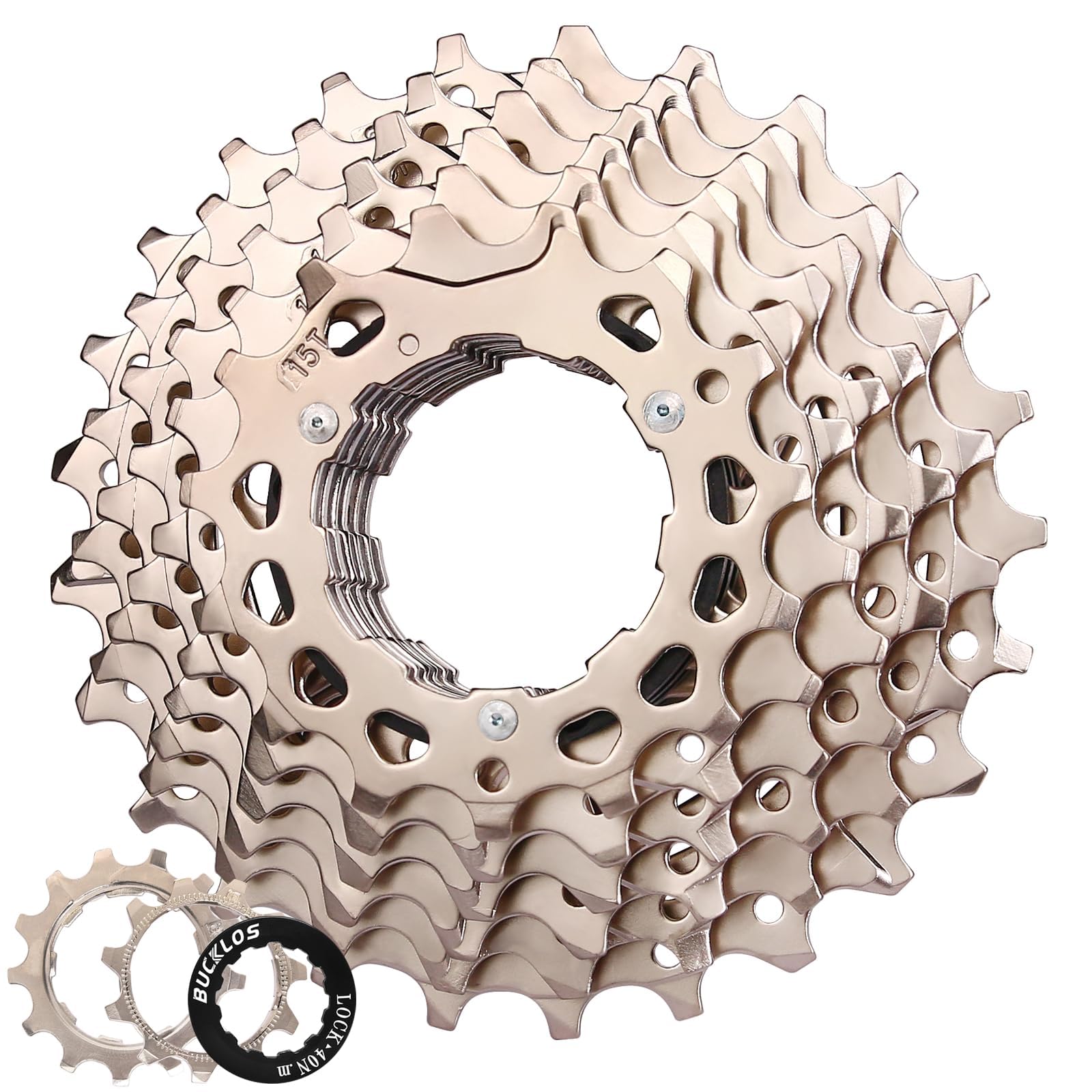

Who Should Buy a New Mountain Bike Cassette?
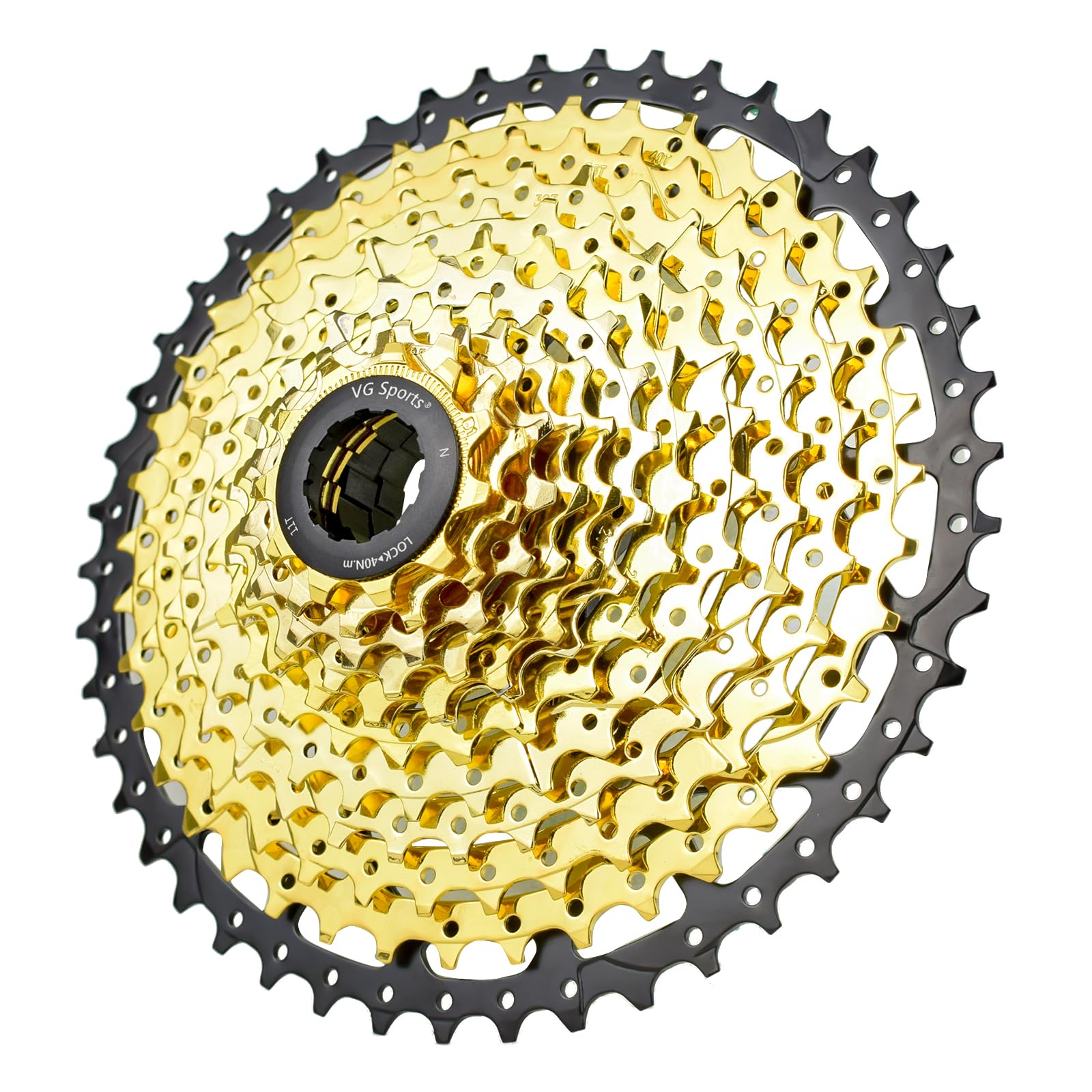
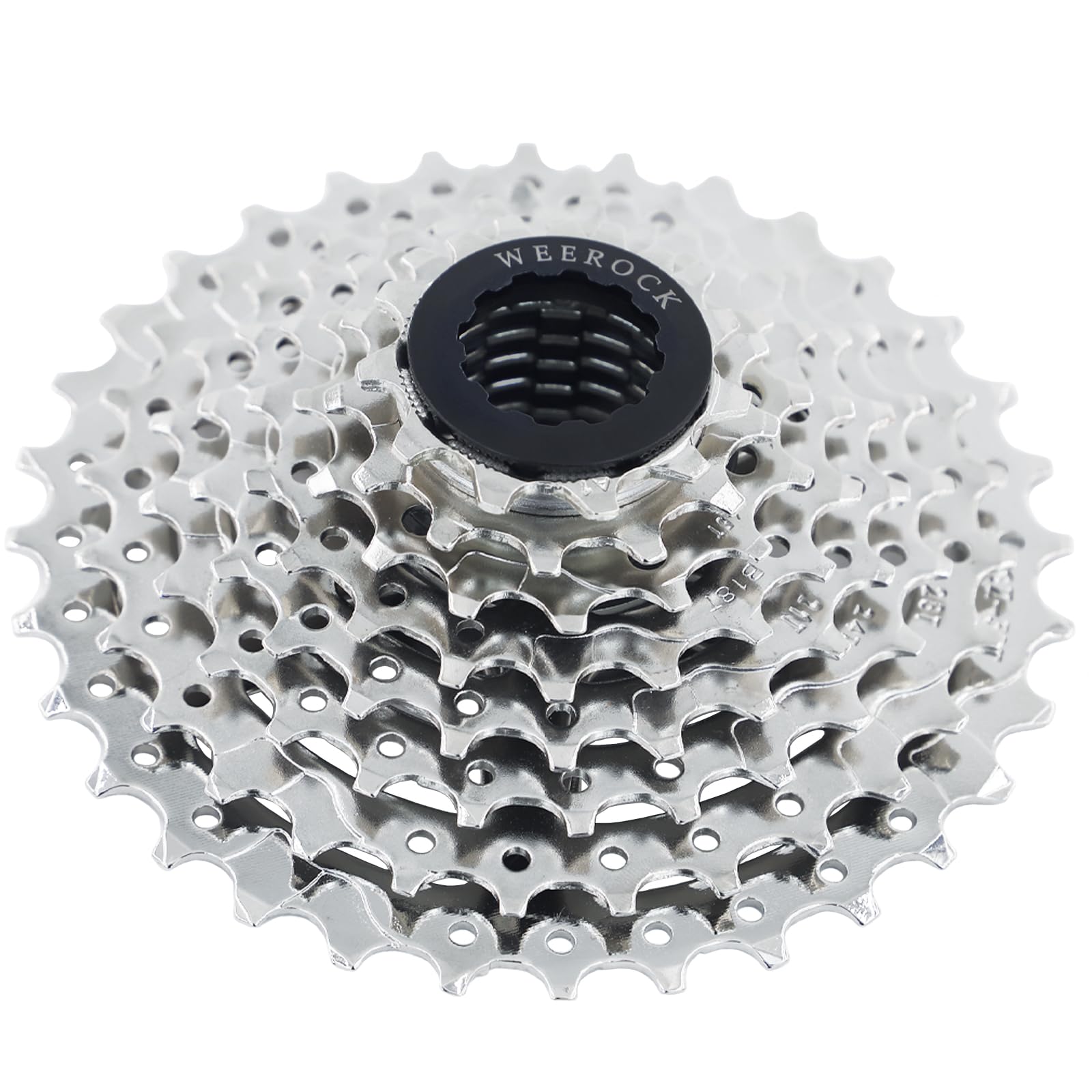
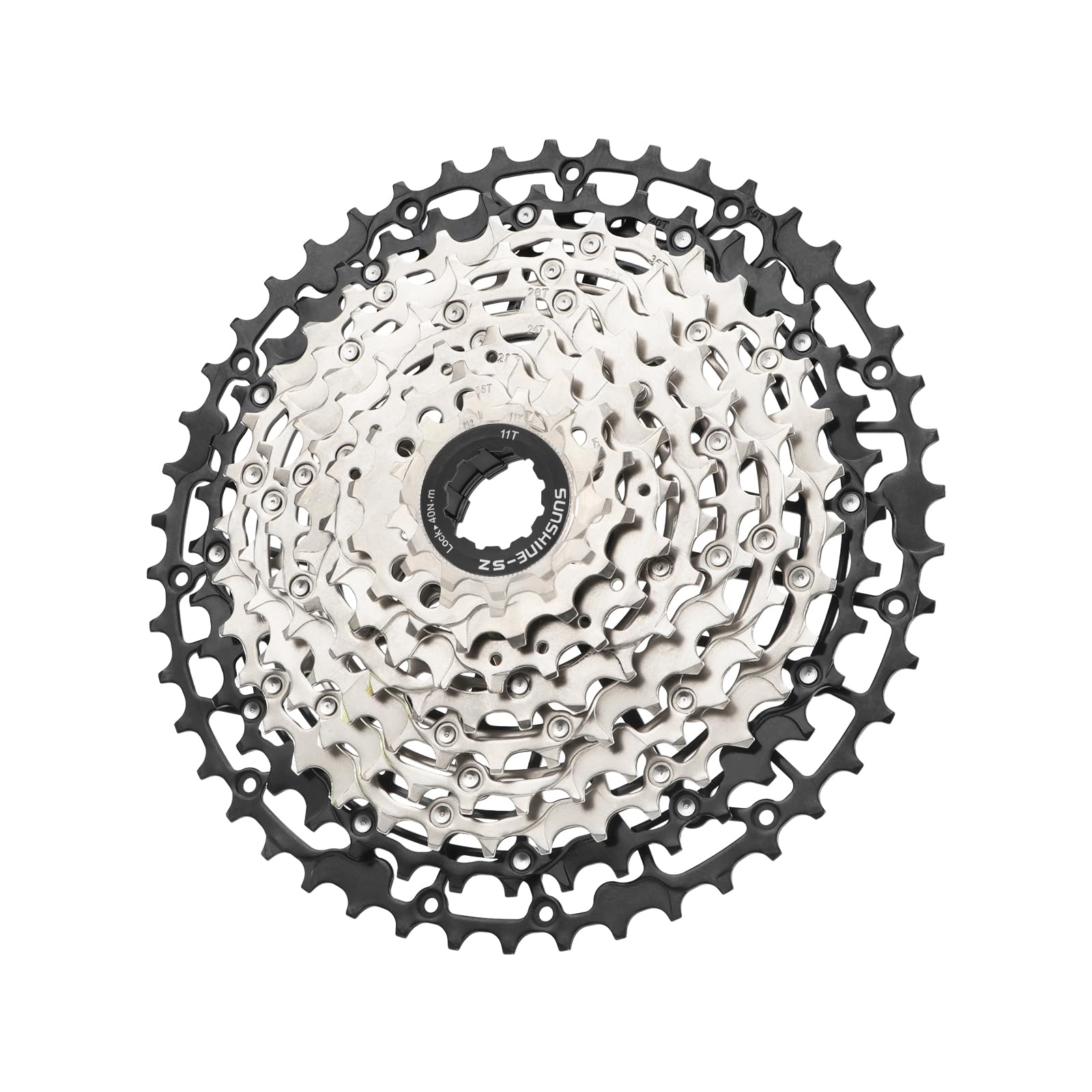
Most riders replace a cassette for one of three reasons. The chain skips under hard pedaling, the gear range leaves them pushing up climbs, or they are upgrading the whole drivetrain. Use the product table above to compare ranges and speed counts, then match your situation below.
Cross Country Riders Who Climb Long Grades
If your rides link long climbs and rolling singletrack, you need a low gear you can spin without grinding your knees. A cassette with a large cog of 48, 51, or 52 teeth paired with a single front ring gives you that bailout gear for steep pitches. If you are still choosing a complete bike for this style, see our guide to the best mtb mountain bike for the frame sizes that pair with these drivetrains.
Trail and Enduro Riders Who Need Range at Both Ends
Trail riders climb to earn their descents, so they need easy gears on the way up and enough top end for fast fire road stretches. A wide range cassette, for example 10 to 51 teeth, covers both ends without a front derailleur. Durability matters more than the last few grams here, because rocks, mud, and hard shifts wear cogs quickly. Riders on varied terrain can also see our guide to the best all mountain mountain bike to understand how bike choice shapes the gearing you need.
Riders Refreshing an Older Drivetrain
If your bike has an 8, 9, or 10 speed drivetrain, a fresh cassette in the same speed count is often the simplest fix for skipping and noisy shifting. You keep your current shifter, derailleur, and chain type, and you only replace the worn parts. This is also the budget friendly path, because older speed counts use the common HG freehub body. Measure what you have before you shop, because mixing speed counts rarely works.
Key Features to Compare
The best cassette for mountain bike use is the one that matches your wheel, your shifter, and your terrain, in that order. A wide range means nothing if the cassette cannot mount on your freehub body or your derailleur cannot reach the largest cog. Work through the five factors below, using the comparison table above to check each candidate.
Gear Range and Largest Cog Size
Gear range describes the gap between your easiest and hardest gears, stated as the smallest and largest cog sizes, such as 11 to 42 teeth or 10 to 51 teeth. The largest cog decides how easy your lowest gear feels on a climb. A 51 or 52 tooth cog lets you spin up steep, loose grades while seated, which saves energy and keeps traction. Match the low gear to the steepest climb you ride often, not one you might ride once a year.
Speed Count and Drivetrain Compatibility
Speed count is the number of cogs on the cassette, and it must match your shifter and chain exactly. A 12 speed shifter pulls a precise amount of cable for 12 speed cog spacing, so it cannot shift an 11 speed cassette cleanly. Modern drivetrains are mostly 10, 11, or 12 speed with a single front chainring, while older bikes may have 8 or 9 speeds. Count your current cogs before you buy. If you move up a speed count, plan on a new shifter, chain, and often a new derailleur as a matched set.
Freehub Body Fit: HG, XD, and Micro Spline
The freehub body is the splined part on your rear hub that the cassette slides onto, and there are three common standards. The older HG body, used for most 8, 9, 10, and many 11 speed cassettes, cannot accept a cog smaller than 11 teeth. The XD body and the newer Micro Spline standard both allow a 10 tooth smallest cog. The listing must name the body your wheel uses, because the three standards do not interchange.
Material, Weight, and Durability
Most cogs are steel, larger cogs are often aluminum, and some cassettes mount several cogs on a shared aluminum carrier called a spider. All steel cassettes cost less and wear slowly, which suits muddy or gritty conditions. Large aluminum cogs save weight, but aluminum wears faster than steel under a worn chain. Many all steel options cost about $40, while lighter wide range designs often cost about $100 or more. For most trail riders, steel with one or two aluminum largest cogs balances cost, weight, and service life well.
Cog Steps and Shift Quality
Cog steps are the jumps in size between neighboring cogs. Small steps keep your pedaling cadence steady when you shift, which matters on long climbs and rolling terrain. Very wide range cassettes need bigger steps somewhere, usually between the largest cogs, so one shift near the low end can feel sudden. Shift quality also depends on the shaped ramps and pins on each cog, which lift the chain to the next cog under load. These ramps work as designed only with a compatible chain and derailleur family, another reason to buy by system rather than by price alone.
How to Check Fit Before You Order
A few minutes with your bike saves a return later. First, count your current cogs and read the size stamped on the largest cog, usually printed near its outer edge. Second, identify your freehub body. Sellers often call this part the rear cassette, and you can see our guide to the best rear cassette for mountain bike for more on how that term is used in listings.
Third, check your rear derailleur capacity. Every derailleur has a maximum largest cog it can clear, and a cassette will not shift onto a cog beyond that limit. The maker prints this limit in the specs, and long cage models handle larger cogs than short cage models. Fourth, confirm chain length. A much larger biggest cog needs a longer chain, sized so the derailleur can wrap the big cog and the front ring together without straining.
Finally, note that suspension type does not change cassette fit. Hardtail mountain bikes and full suspension bikes use the same freehub bodies, speed counts, and derailleur standards, so your checks are about the drivetrain, not the frame. If you are building a first trail bike from parts, see our guide to the best bike for mountain biking for the frame standards around the drivetrain.
Quick Buyer Checklist
Run through these questions for any cassette in the product table above. A good candidate answers yes to every line that applies.
- Does the listing state the exact speed count that matches your shifter?
- Does it name your freehub body standard, HG, XD, or Micro Spline?
- Is the largest cog at or below the maximum size your derailleur supports?
- Does the smallest cog give you enough top end for your fastest trails?
- Are all cog sizes listed, so you can judge the steps between gears?
- Does the maker state which chain type the cassette requires?
Red Flags to Watch For
Some listings leave out the details that decide whether a cassette will fit or last. Treat the signs below as reasons to keep shopping.
- The listing never names a freehub body standard, so fit is left to guesswork.
- Cog sizes are missing or shown only as a range with no individual sizes.
- One listing claims the same cassette fits several speed counts at once.
- The material of the largest cogs is not stated anywhere on the page.
Common Mistakes to Avoid
- Buying by largest cog size alone, because a cog beyond your derailleur limit will never shift into use.
- Mixing speed counts, because mismatched cog spacing makes every shift slow and noisy.
- Reusing a worn chain on a new cassette, because stretched chain rollers wear fresh cogs quickly.
- Guessing the freehub body from a photo, because HG, XD, and Micro Spline bodies look similar at a glance.
- Forgetting chain length after fitting a larger cassette, because a short chain can jam the drivetrain in the lowest gear.
- Overtightening the lockring, because excess torque can damage the smallest cog and the freehub threads.
How to Make Your Mountain Bike Cassette Last Longer
Cassette wear comes mostly from grit and from riding on a worn chain. After muddy or dusty rides, scrub the cogs with a stiff brush and a mild degreaser, rinse gently, and dry the cassette before you lube the chain. A clean cassette also shifts better, because packed dirt between cogs can block the chain from seating fully.
Check chain wear with a simple gauge every month or two of regular riding. A chain stretched beyond the gauge limit acts like a file on your cogs, and replacing it at that point can double the life of the cassette behind it. You can often go through two or three chains on one cassette when you catch wear early.
Installation care matters too. Swapping a cassette calls for a chain whip, a lockring tool, and a wrench, and the lockring should be tightened to the torque printed on its face. Lightly grease the freehub splines first, line up the wide spline with the wide gap on the cassette, and refit any spacers in the order they came off. Store the bike under cover, because a cassette left wet will rust at the steel cogs.
FAQ
What features matter most in cassettes for mountain bike riding?
Freehub body fit matters most, because a cassette that cannot mount on your wheel is useless no matter how wide its range is. After fit, check speed count against your shifter and largest cog size against your derailleur limit. One point riders often miss is the smallest cog. A 10 tooth cog needs an XD or Micro Spline body, while an 11 tooth cog works on the common HG body.
How do I know if a mountain bike cassette fits my freehub body?
Your hub maker lists the freehub body standard in the wheel or hub specs, so start there rather than with the cassette listing. As a cross check, an XD body is a threaded cylinder with fine external splines, while an HG body has taller, evenly spaced splines. If a used wheel came with a cassette fitted, the smallest cog is a clue, since a 10 tooth cog means the body is XD or Micro Spline.
Can I use a 12 speed mountain bike cassette with an 11 speed derailleur?
No, an 11 speed derailleur is not designed for a 12 speed cassette, and the pairing shifts poorly even when the largest cog size looks compatible. Derailleur geometry, cable pull, and cog spacing all differ between the two systems. A useful extra check is the chain. A 12 speed chain is narrower, so plan on changing the cassette, derailleur, shifter, and chain together if you move up a speed count.
When should I replace a mountain bike cassette?
Replace a mountain bike cassette when a new chain skips over the cogs you use most under hard pedaling. That skipping means the tooth profiles have worn into hooked shapes that can no longer hold the chain. Another sign is visible shark tooth shaping on the mid range cogs, which often appears before skipping starts. Catching that shaping early can help you plan the replacement before a big ride.
Do I need a new chain when I install a new mountain bike cassette?
Yes, fitting a new chain with a new cassette is the safest default, because the two parts wear in together. A stretched old chain concentrates load on a few teeth and can make a fresh cassette skip within weeks. One exception is a low mileage chain that still measures within its wear limit on a gauge. In that case you can reuse it, but recheck its wear after the first few rides.
Final Thoughts
Start with fit, then range, then material. Confirm your freehub body standard and speed count, pick a largest cog that matches your steepest regular climb and your derailleur limit, and choose steel or mixed materials based on budget and conditions. The comparison table above pulls those details together for a quick check. Chosen that way, the best cassette for mountain bike riders in your situation is the one that mounts cleanly, shifts under load, and still runs quietly after a season of use. Prices and availability can change, so check the product page before ordering.