
Best Casserole Cookware for 2026: Dishes, Dutch Ovens and Clay Pots Compared
Disclosure: We may earn a commission when you buy through links on this page, at no extra cost to you. As an Amazon Associate I earn from qualifying purchases. Learn more
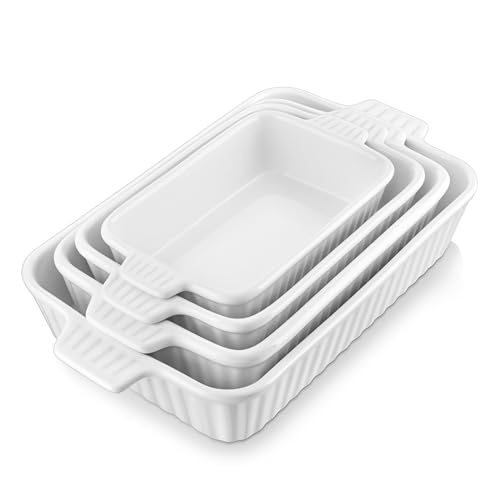
Casserole cookware compared by material and shape: ceramic and glass dishes, enameled Dutch ovens and clay pots, plus oven and care notes.
Choosing the best casserole cookware can feel confusing because ceramic dishes, glass baking dishes, enameled Dutch ovens and clay pots all promise even cooking and easy serving, yet each behaves differently in the oven and on the stove. A dish that bakes a lasagna beautifully may be the wrong tool for a slow braise, and the reverse is also true.
This guide compares the main types side by side, then walks through size, lids, oven limits and care so you can match the cookware to the way you cook. Use the comparison table below as a starting point.




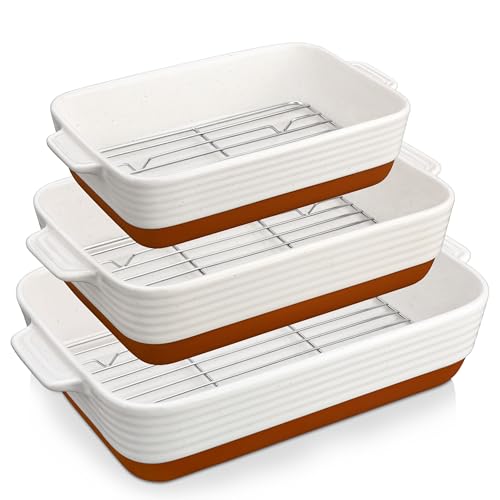

Types of Casserole Cookware Compared
Start with the material and shape, because they decide how the dish heats, how well it holds heat at the table and what it can do on the stove. Weight matters too for a large dish that will be full when you lift it from the oven.
Ceramic and Stoneware Casserole Dishes
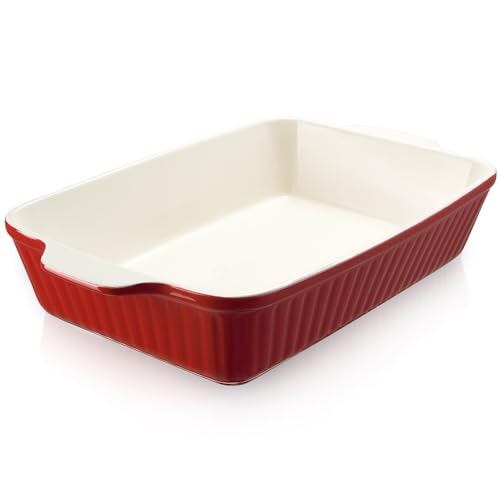
Ceramic and stoneware dishes heat gently and hold heat well, so a bake stays warm on the table. They are glazed, which keeps cleanup easy, and many go from the fridge to a preheated oven if the maker allows it. They come in rectangular 9 by 13 style sizes, round and square shapes and sets with lids. Handles are usually built into the sides, which makes them easier to carry with oven mitts. The trade-off is that they can chip, and sudden temperature changes can crack them, so avoid moving a hot dish onto a cold or wet surface.
Glass Baking Dishes
Glass dishes let you see browning on the sides and bottom, they do not react with acidic foods and they are usually affordable. Deep versions with plastic lids make a casserole, store the leftovers and reheat in the same dish. Glass heats evenly but can break from thermal shock, so follow the maker instructions about preheating, resting on a trivet and avoiding direct heat from a burner or broiler unless the dish is rated for it.
Enameled Cast Iron Dutch Ovens
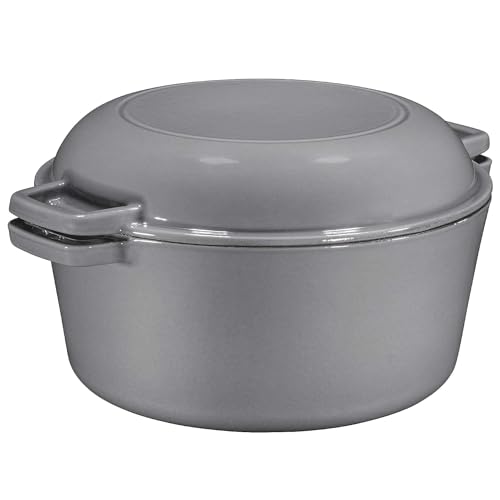
An enameled Dutch oven is the casserole pot for stovetop browning and oven braising in one vessel. The thick walls hold heat for a long time, which suits stews, braises and bakes that start on the burner. The enamel keeps food from touching bare iron and avoids the seasoning routine of plain cast iron. The trade-off is weight, so check that you can lift a full pot safely, and avoid metal utensils that can chip the enamel. For stovetop use, see our guides to best cookware for induction ranges and best cookware for gas ranges to confirm burner fit.
Clay and Earthenware Pots
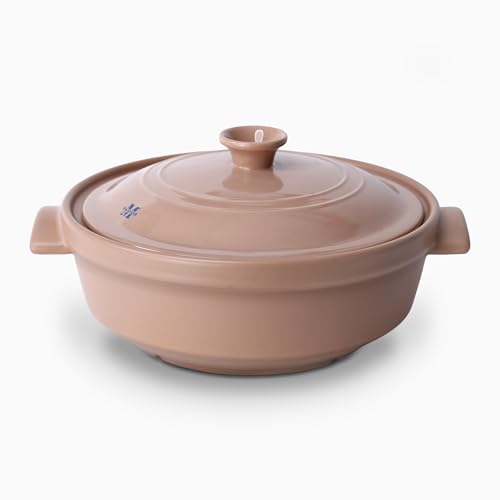
Clay pots are slow, gentle cookers that suit stews and rice dishes where moisture and steady heat matter. Natural clay needs careful soaking or seasoning before first use in many cases, and it must never go on a burner or under a broiler unless the maker states it can. They suit cooks who enjoy a slower style of cooking and do not mind extra care.
Ceramic Dishes vs Dutch Ovens: Which Should You Choose?
Compare these two on versatility, weight, care and cost. A ceramic dish is lighter, usually cheaper and ideal for baked casseroles, lasagna and desserts, but it stays in the oven and cannot be used for browning on the stove. A Dutch oven costs more and weighs more, but it lets you brown meat and vegetables first, then braise or bake in the same pot. Choose a ceramic dish if you mostly bake and serve, and choose a Dutch oven if you braise, stew or want one pot to do several jobs.
How to Choose the Right Casserole Cookware
After choosing a type, check fit for your oven, your storage and your strength. A dish that is too tall for your oven shelf or too heavy when full will frustrate you however good the material is. If you cook for a crowd, size up, but if you cook for one or two, a smaller dish heats faster and wastes less food. For a full set view, see our guide to best kitchen cookware sets alongside this guide.
Size and Shape
A deep 9 by 13 style dish suits lasagna, baked pasta and layered bakes, while a square dish suits smaller families and brownies. Round and oval dishes look good on the table, and a deep covered dish holds a saucy casserole without spilling in the oven. A 4 to 5 quart capacity is a flexible size for most households, and a pot in that range also suits soup and braises.
Lids and Covers
A fitted lid keeps moisture in during a slow bake and helps you carry and store leftovers. Ceramic and enameled lids are usually oven safe, but plastic lids are for storage only, so never put them in the oven. Check that the lid sits flat and has a handle you can grip with oven mitts.
Oven, Broiler and Stovetop Limits
Check the maker guidance for oven temperature limits, and whether the dish can go under a broiler or on a burner. Most ceramic and glass dishes are oven safe but not stovetop safe. Enameled cast iron can usually go on the stove and in the oven, but check the knob material on the lid, which sometimes has a lower temperature limit.
Care and Cleaning
Let a hot dish cool on a trivet or dry towel before washing, because cold water on a hot dish can crack it. Soak baked-on food in warm soapy water rather than scraping with metal tools, and use a non-abrasive pad on glazed and enameled surfaces. Dry the dish fully before storing it, and stack with a soft cloth between pieces to prevent chipping.
Tips to Get the Most From Your Casserole Cookware
Let a chilled dish sit on the counter for a few minutes before it goes into a hot oven, so the temperature change is less sudden. Use dry oven mitts, because damp mitts conduct heat quickly, and leave room above the lid for safe removal. Store lids separately or with a soft cloth between pot and lid so rims do not chip. Retire any dish with a crack, a chipped rim near the food area or a loose handle.
Frequently Asked Questions
Can casserole cookware go in the oven?
Most casserole dishes and pots are made for the oven, but the limit depends on the material, lid and handles, so check the maker guidance first. Ceramic, glass and enameled cast iron usually tolerate normal baking temperatures, while plastic lids and some knobs have lower limits. Use dry oven mitts when lifting a hot dish.
What is the difference between a casserole dish and a Dutch oven?
A casserole dish is usually a shallow or medium-depth baking dish made of ceramic, stoneware or glass, built for the oven. A Dutch oven is a heavy lidded pot that can also go on the stove, which lets you brown food before braising. The Dutch oven is more versatile but costs more and weighs more.
Can I use a casserole dish on the stove?
Most ceramic and glass casserole dishes cannot go on a burner, because direct heat can crack them. Enameled cast iron and some flameproof ceramic or clay pots are made for the stove, but only if the maker says so. When in doubt, brown food in a separate pan and transfer it.
How do I stop food sticking to a casserole dish?
Grease the dish with butter, oil or spray before you add food, or line it with parchment for easy release. Let a baked dish rest for a few minutes before serving, because it often loosens as it cools slightly. Soak any stuck-on food in warm soapy water instead of scraping.
Is it better to buy a cookware set or individual pieces?
A set often costs less per piece and gives matching sizes for a new kitchen, while individual pieces let you choose the best material for each job. Buy a set if you need most sizes at once, but buy pieces if you already own good pots or only cook certain dishes. Compare the product table above with what you already have so you do not duplicate a size you rarely use.
Our Verdict
Pick by cooking style, weight and care, not by looks alone. Ceramic and glass dishes suit baked casseroles, an enameled Dutch oven suits browning and braising in one pot, and clay suits slow, gentle stews. Check oven limits, lid quality and size before you buy, and choose a dish you can lift safely when full. Review the product table above once more, then choose the best casserole cookware for the meals you cook most.


