Best Carpet Cleaner Under $300 in 2026: Three Ways to Spend It Well
Disclosure: We may earn a commission when you buy through links on this page, at no extra cost to you. As an Amazon Associate I earn from qualifying purchases. Learn more

Choose the best carpet cleaner under $300 by format, tank size, brush action and tools, with notes for pet owners, renters and busy families.
Tracked in mud, spilled drinks, and pet accidents can leave carpet looking tired long before it wears out. A home machine gives you a way to lift soil and rinse fibers without renting equipment for every mess. If you are looking for the best carpet cleaner under 300 dollars for your rooms, the real choice is not a single winner. It is the format, tank size, and tools that match how often you clean and how much carpet you have.
Below, you will find three sensible ways to spend this budget, the features that matter most, and the trade offs you accept at this price. The product table lists current machines. For a broader view of the market, see our guide to the best carpet cleaner options for every home.




Carpet Cleaner Types at a Glance
All machines here use water, cleaning solution, brushes, and strong suction to pull dirty water out of carpet. What changes is size and reach. Upright models cover whole rooms in steady passes.
Portable spot models treat a small area at a time. Compact upright models sit between those two, with lighter tanks that are easier to carry on stairs.
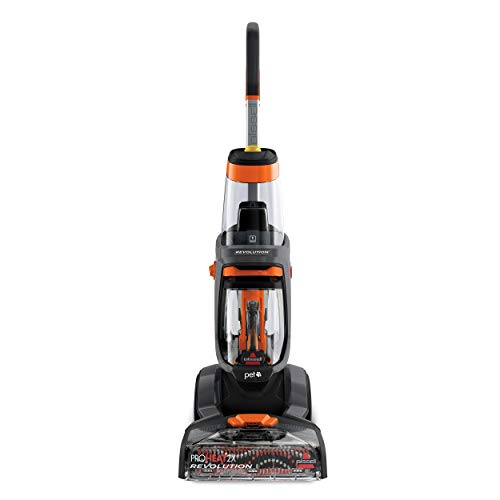
- Upright: widest cleaning path, largest tanks, best fit for several carpeted rooms.
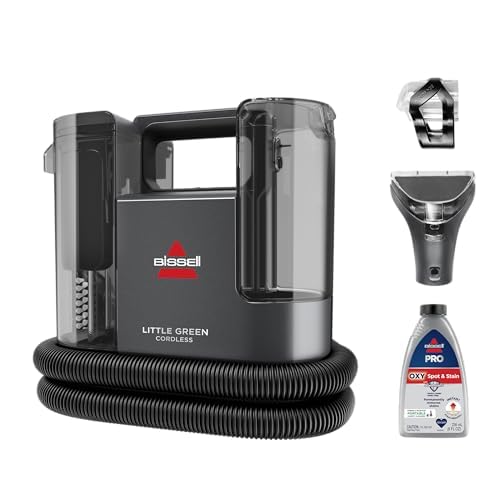
- Portable spot cleaner: small tanks, a hose and hand tool, best fit for spills, stairs, and car interiors.
- Compact upright: narrower path and lighter body, best fit for apartments and small homes.
Three Ways to Spend Under $300 Wisely
Instead of chasing a long list of models, think about which of these three approaches fits your home. Each one cleans well when matched to the right job, and each one disappoints when asked to do work it was not built for.
Full Room Upright for Regular Whole Home Cleaning
Choose this approach when carpet covers most of your floors and you clean room by room a few times a year. A full size upright gives you the widest path, so you finish a living room in fewer passes, and larger tanks mean fewer trips to the sink. Look for a brush you can pause on delicate rugs and a hose port for stairs. The trade off is weight and storage, since this is the bulkiest option to lift and park in a closet.
Portable Spot Cleaner for Spills and Small Areas
Choose this approach when your carpeted area is small but messes are frequent, such as a single rug, a nursery, or carpeted stairs. A portable unit is light enough to grab when a drink tips over, and its hand tool concentrates suction on one spot. It also works on upholstery and car seats.
If this sounds like your pattern, compare formats in our guide to the best portable carpet cleaner. The trade off is slow coverage on large rooms.
Compact Upright With Upholstery Tools for Mixed Homes
Choose this approach when you have a mix of carpet, rugs, and fabric furniture and need one machine for all of it. A compact upright still walks a room like a larger model, but it stores in a smaller closet and feels less tiring on a second floor. A short hose with an upholstery tool lets you clean a sofa or stair tread. Tank size is the trade off, since you will refill and empty more often during a big session.
How to Evaluate Carpet Cleaners Under $300
Judge every candidate for the best carpet cleaner under 300 on the same six points. Check tank capacity and whether the tanks lift out cleanly. Look at brush action, suction, and how much water the machine leaves behind.
Note cord length, weight, and how the parts rinse clean. Confirm electrical safety listings, and read the warranty length for the motor and for parts.
How to Choose the Right Carpet Cleaner
Work through type and tools first, then power and safety, then size and budget. That order keeps you from paying for capacity you will never use or saving money on a machine that cannot reach the messes you clean most often.
Type
Start with where the dirt actually is. Whole room soil calls for an upright with a rotating brush and a path of about 10 to 12 inches. Isolated stains on rugs, stairs, and furniture call for a portable unit with a hose, since the hand tool seals against a small area and pulls liquid straight up. If most of your floors are hard surfaces with a few rugs, a compact model is usually enough.
Features Worth Paying For
Heated cleaning, where the machine helps keep wash water warm, can help solution work on greasy soil, but it matters less than brush contact and suction. A separate upholstery tool with softer bristles protects fabric while still lifting dirt. A pet stain tool with concentrated spray is worth paying for in homes with animals. Two separate tanks, one for clean solution and one for dirty water, are worth it on almost any model, since you never rinse with water that is already dirty.
Power, Suction, and Energy Use
Home carpet cleaners are usually rated in amps, often about 4 to 12 amps depending on size, rather than in watt figures. Higher draw often supports stronger suction and faster brush spin, but design matters as much, since a good seal at the floor head pulls more water out than raw power alone. Water recovery is the point to care about, because carpet that stays damp for many hours can develop odor. Run the machine on a circuit that is not already loaded.
Safety Features and Certifications
Look for a UL or ETL listing mark on the label, which shows the appliance met an independent electrical safety standard for the US market. A grounded plug and a shutoff that stops suction when the dirty tank is full reduce risk around water and power. Keep the cord away from the brush path, never use the machine outdoors in rain, and unplug it before you clear a wrapped brush. Use only solution made for carpet machines, since excess foam can reach the motor.
Storage Space and Dimensions
Measure the closet where the machine will live before you buy, then compare that space with the listed height, width, and depth. Upright models often stand about 42 to 45 inches tall and need a footprint near a vacuum cleaner. Portable models fit on a shelf but leave you a hose and cord to coil. Also weigh the machine when its tanks are full, not just its dry weight, if you will carry it between floors.
How Much Should You Spend?
Under $100, expect small spot cleaners with short hoses that suit single spills. About $100 to $175 brings larger portable units and entry level compact uprights. About $175 to $250 is where most full size uprights sit, with wider paths and heated cleaning on some models.
Near the top, about $250 to $300, you gain bigger tanks, longer cords, and extra tools rather than a different kind of clean. Spend for tools you will use weekly, not attachments that stay in the box.
What You Get, and Give Up, Under $300
At this price you get genuine extraction cleaning for a typical home, and for many households that removes the need for rental trips. What you give up compared with costlier machines is tank size, metal parts in high wear areas, and very long hoses. Drying time also depends more on your technique, since slower dry passes matter more when suction is modest.
Homes With Pets and Frequent Accidents
Pet messes reward speed and targeted tools more than raw size. Treat accidents the same day, blot first, and use an enzyme based solution made for carpet machines so odor does not draw the animal back. For repeated urine spots, our guide to the best carpet cleaner for pet urine covers deeper treatment. A portable model kept nearby often beats a large upright stored far away.
Renters and Small Homes
If you rent, a machine in this range can pay for itself the first time it saves a deposit deduction for a stained carpet. Small homes benefit from compact uprights and portable units because storage is tight and rooms are close together. Try solution on a hidden corner first. Light weight and short setup time matter more here than the largest tank on the shelf.
Families With Kids and Busy Hallways
Hallways, playrooms, and dining areas collect ground in soil that a quick vacuum pass leaves behind. A full size or compact upright suits these homes because it can refresh a whole room on a weekend. Before your first session, read our walkthrough on how to use a carpet cleaner so your passes and drying steps are right from the start. Clean high traffic areas more often and bedrooms less often, so the work stays manageable.
Frequently Asked Questions
What is the best carpet cleaner under $300?
The best choice depends on the job rather than a single model name. For several carpeted rooms, a full size upright with two tanks and a hose gives the most coverage for the money. For frequent small spills, a portable spot cleaner is faster to set up and easier to store. Match the format to your floors first, then compare suction, tank size, and tools within that format.
Can you get a good carpet cleaner for under $300?
Yes. This budget covers the mainstream home market, so you can expect solid suction, rotating brushes, and useful tools without paying commercial prices. What you trade away is mostly capacity and ruggedness, not basic cleaning ability. A well matched machine at about $200 often outperforms a poorly matched machine at about $300, because format and technique drive results.
How long does a carpet cleaner last?
A home carpet cleaner used a few times a year often serves for about 5 to 8 years when it is rinsed after use and stored dry. Belts, brushes, and seals are wear parts and may need attention sooner, especially in homes with long pet hair. Empty tanks after every session, since standing dirty water can damage seals. If suction drops and cleaning the nozzle does not restore it, repair costs can approach the price of a new unit.
Is a carpet cleaner worth it?
It is worth it when carpet covers a large share of your floors or when messes happen often enough that rental fees add up. One avoided professional visit can offset a large part of the purchase price. It is less worth it if you have a single small rug, since spot treatment or a professional visit may cost less over time. Think about storage too, because a machine you can reach is one you will actually use.
How do you clean a carpet cleaner?
Empty both tanks, rinse them with plain water, and leave the lids open so the insides dry fully. Wipe the nozzle and brush area, remove wrapped hair, and rinse any removable filters the manual lists. Our step by step guide on how to clean a carpet cleaner adds one detail many owners miss, which is flushing the hose with clean water so residue does not harden inside it. Doing this after every session prevents most odor and suction problems.
What is the most reliable carpet cleaner brand?
Reliability depends more on model design and care than on the badge alone. Simple machines with removable tanks, accessible brushes, and parts that are easy to order tend to stay in service longest. Read recent owner reports for repeated complaints about leaks or belt failures on the exact model you are considering. Care habits, especially rinsing and dry storage, do more for lifespan than brand loyalty.
Final Thoughts
Pick the format first, then let tank size, tools, and safety listings settle the rest. An upright suits whole rooms, a portable unit suits quick spills, and a compact upright suits mixed homes with limited storage. Use the product table above to compare those types against your rooms before you order. For most homes, the best carpet cleaner under 300 dollars is simply the one that fits your messes, your floors, and your closet, and this budget is enough to buy exactly that.