Best Carpet Cleaner Under $200 in 2026: Value, Types and Features
Disclosure: We may earn a commission when you buy through links on this page, at no extra cost to you. As an Amazon Associate I earn from qualifying purchases. Learn more

The best carpet cleaner under $200 comes from matching machine type, tank size, suction and tools to your rooms, pets and storage space.
A carpet cleaner under this budget can feel like a gamble. Some machines scrub well but leave carpet soaking wet, while others spray plenty of solution yet pull very little of it back out. This guide to the best carpet cleaner under 200 dollars focuses on what separates a smart buy from a regret: tank size, suction strength, drying time, and how easy the machine is to live with.
This guide compares the main types and the features that matter at this price, so you can match a machine to your rooms, your messes, and your storage space. Start with the product table, then use the sections that follow to narrow your choice with confidence.


How to Judge Value Under $200
Value at this price comes from cleaning results you can repeat, not from a long feature list. Weigh tank capacity, because small tanks mean constant trips to the sink, and suction, because strong water recovery is what leaves carpet dry enough to walk on within hours. Also look at weight, cord length, included attachments, and warranty length, since a budget machine that is awkward to carry or store tends to sit unused in a closet.
Owner feedback often mentions clogged spray tips or leaking tanks, so check reviews for those points. If you want the wider picture beyond this budget, see our guide to the best carpet cleaner options at every price.
Who Should Buy a Carpet Cleaner Under $200
Pet Owners With Frequent Small Messes
If your dog tracks in mud or your cat leaves the occasional accident, a machine in this range pays for itself quickly because you can treat a mess within minutes instead of waiting for a rental or a pro visit. Fast response matters with urine, since odor sets deeper the longer it sits. Our guide to the best carpet cleaner for pet urine covers the enzyme formulas and dwell times that make the biggest difference for that job.
Apartment and Small Home Renters
You likely have one or two carpeted rooms, limited closet space, and a deposit you want back. A compact upright or a portable unit handles move out refreshes and party spills without the cost of hiring a service. Portability also matters if your unit lives on a different floor from the room you clean most, so check the weight and handle design before you buy.
Families Refreshing High Traffic Areas
Entryways, hallways, and the path between the kitchen and the couch collect ground in dirt that vacuuming alone cannot lift. A full size upright under $200 suits you if you plan whole room sessions a few times a year and want a wide cleaning path that finishes a room in fewer passes. You give up some spot cleaning agility, but you gain speed on the large areas that bother you most.
How to Choose the Right Carpet Cleaner
Type: Upright, Portable, or Spot Cleaner
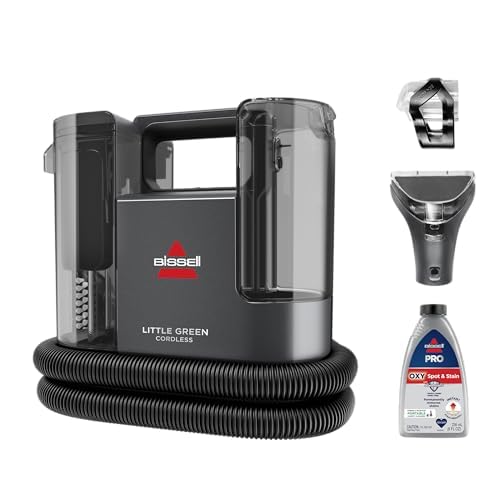
Upright machines look like vacuums and cover open floor fastest, with cleaning paths around 10 to 12 inches wide and tanks that hold about a gallon. Portable units are smaller boxes with a hose and hand tool, built for stairs, car interiors, and furniture rather than whole rooms. Spot cleaners are the smallest portables, meant to live near the mess and come out for single spills. If your home mixes open carpet with lots of stairs and upholstery, a portable or a compact upright with a hose covers more ground than either style alone.
Features Worth Paying For
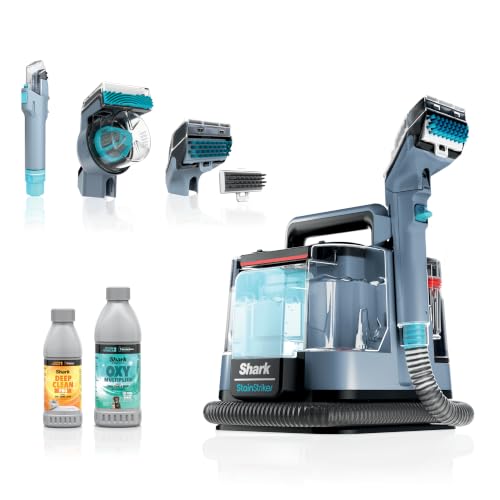
A two tank system that keeps clean and dirty water separate is worth prioritizing, because a single shared tank dilutes your solution as you work. Heated cleaning or heat force drying can shorten drying time on thick pile. An upholstery tool and a pet stain tool extend the machine beyond floors, and a long hose reach of about 6 to 8 feet lets you clean a full flight of stairs while the unit stays at the bottom. Skip decorative extras you will not use, such as extra brush sets for floor types you do not own.
Power, Suction, and Energy Use
Most uprights in this range draw about 4 to 12 amps, and higher amperage generally pairs with stronger suction and faster brush spin. Suction matters more than spray volume, because a machine that applies solution it cannot recover leaves residue that attracts fresh dirt. These machines use far more electricity than a vacuum during a session, so clean in planned passes rather than leaving the unit running while you move furniture, and empty the dirty tank before it reaches the fill line to keep airflow strong.
Safety Features and Certifications
Look for a UL or ETL listing on the label, which confirms the machine met electrical safety standards for a water using appliance. A ground fault protected plug or a recommendation to use a GFCI outlet adds protection in laundry rooms and garages. Keep cords out of standing water, never run the machine over its own cord, and unplug before you clear a wrapped brush roll. If a burning smell or repeated breaker trips appear, stop using the machine and contact the manufacturer rather than pushing through the session.
Storage Space and Dimensions
Measure your closet or utility corner before ordering, because uprights in this class often stand about 43 to 45 inches tall and weigh about 12 to 18 pounds. Portable units shrink to roughly the size of a carry on bag and can sit on a shelf. Cord length shapes your session too: a cord of about 15 to 25 feet lets you finish a typical bedroom without hunting for a second outlet. If storage is tight, our guide to the best portable carpet cleaner models focuses on machines built for small spaces.
How Much Should You Spend?
Under about $100, expect compact spot cleaners with small tanks and short hoses, fine for single rooms and car seats. Between about $100 and $150, portables gain bigger tanks and better tools, and entry uprights appear with modest suction. From about $150 to $200, uprights add wider paths, longer cords, and stronger water recovery, which is the tier most whole home buyers should target. Above about $200 to $300, you mainly buy larger tanks, quieter motors, and longer warranties rather than a different class of clean.
What You Get (and Give Up) Under $200
Under $200 you get genuine hot water extraction for most home messes: spilled drinks, tracked in soil, pet accidents, and dull traffic lanes all respond well. You also get tools for stairs and furniture on most models, so the machine earns its keep beyond carpet. If you are unsure whether extraction is even the right method, our comparison of carpet cleaner vs steam cleaner explains where each approach works best.
What you give up is capacity and refinement. Tanks are smaller, so large homes mean more refills. Motors run louder, plastics feel lighter, and warranties usually run one to two years instead of five.
Drying times stretch on plush carpet because suction, while adequate, cannot match pro grade truck mounted equipment. For most apartments and average size houses, those trade offs are reasonable. For wall to wall carpet in a large home, stepping above this budget buys back the refill breaks and some durability.
Common Mistakes to Avoid
- Using too much solution, which leaves sticky residue that pulls new dirt into the fibers within weeks.
- Soaking the carpet pad with repeated wet passes, so drying takes days and a musty smell develops.
- Skipping a plain vacuum first, so loose grit turns to mud and smears instead of lifting out.
- Moving the machine too fast, which gives the brush and suction no time to work on each strip.
- Putting the machine away with dirty water inside, so odors and mold grow in the tank between uses.
- Using hot water on wool or delicate rugs without checking the care label, which can shrink or fade fibers.
How to Make Your Carpet Cleaner Last Longer
Rinse the tanks after every session and let them air dry with the lids open so residue and odor do not build up. Pull hair and string off the brush roll once it cools, and check the spray tips for mineral clogs if the pattern turns uneven. Store the machine indoors where water left in the lines cannot freeze, and coil the cord loosely rather than wrapping it tight against the housing. For a full routine, including filter washing and hose flushing, follow our steps on how to clean a carpet cleaner after deep cleaning days.
Technique protects the machine too. Work in slow overlapping strips and make extra dry passes until the recovered water runs clearer, as shown in our walkthrough of how to use a carpet cleaner correctly. Straining to extract gritty water on a single fast pass wears the pump and brush motor faster than steady, patient passes do.
FAQ
Can you get a good carpet cleaner for under $200?
Yes. Machines in this range handle routine home extraction well, and the gap to pricier models is mostly tank size, noise, and warranty length rather than basic cleaning ability. One useful signal is the warranty: a two year warranty at this price suggests the maker expects the pump and motor to hold up. Buy from a seller with an easy return window so you can try suction on your own carpet during the first sessions.
How long does a carpet cleaner last?
With rinsed tanks and a clean brush roll, a home machine commonly serves about five to eight years of occasional use. The usual early failures are worn brush belts, cracked tank latches, and pumps weakened by stored dirty water. If suction fades gradually rather than stopping at once, check for a clogged hose or a full dirty tank before assuming the motor is done.
Is a carpet cleaner worth it compared with renting one?
For most homes, yes. A rental plus solution often costs about $40 to $60 per day, so three or four weekend rentals can approach the price of owning a machine in this range. Ownership also means the cleaner is in your closet at midnight when a pet gets sick, while a rental requires a store trip and a return deadline. Renting still makes sense if you clean once and have no storage space at all.
Can a carpet cleaner under $200 clean upholstery and stairs?
Most can, as long as the model includes a hose and a hand tool and the fabric carries a W or WS cleaning code on its tag. Try solution on a hidden spot first, use light passes, and extract as much water as you can, because cushions dry slowly and can mildew if left damp. Avoid dry clean only fabrics entirely, since water based extraction can spot or shrink them.
How much cleaning solution should you use in a carpet cleaner?
Follow the fill lines on the tank and the dilution printed on the solution bottle, which is usually a small measured capful per tank rather than a free pour. More solution does not mean cleaner carpet, because excess surfactant stays in the fibers and attracts soil. If carpet feels stiff or sticky after drying, run a rinse pass with plain warm water to pull the leftover solution out.
Final Thoughts
The right choice depends on your mix of open floor, stairs, pets, and storage, but the formula is simple: pick the type that fits your rooms, insist on a two tank design with strong water recovery, and spend near the top of the budget if whole rooms are your main job. Chosen that way, the best carpet cleaner under 200 dollars will handle years of spills and refreshes without drama. Compare the finalists in the product table above against the size and feature notes here, and you will land on a machine that suits your home.