
Best Carhartt Boots 2026: Types Compared and How to Choose
Disclosure: We may earn a commission when you buy through links on this page, at no extra cost to you. As an Amazon Associate I earn from qualifying purchases. Learn more

Compare the best Carhartt boots by toe type, sole, waterproofing and fit, with a simple checklist to choose the right pair for your job site.
Carhartt makes several kinds of work boots, and the labels can blur together when you shop. A soft toe boot for a warehouse, a steel toe boot for a plant, and a logger boot for rough ground solve different problems. The best carhartt boots for you match your hazards, ground, and weather first. Use the product table below to sort the types before you worry about color or price.
Start with the work you do most days. Note whether you stand on concrete, climb, kneel, work in mud, or face falling objects. Those answers point you to a toe type and a sole shape.

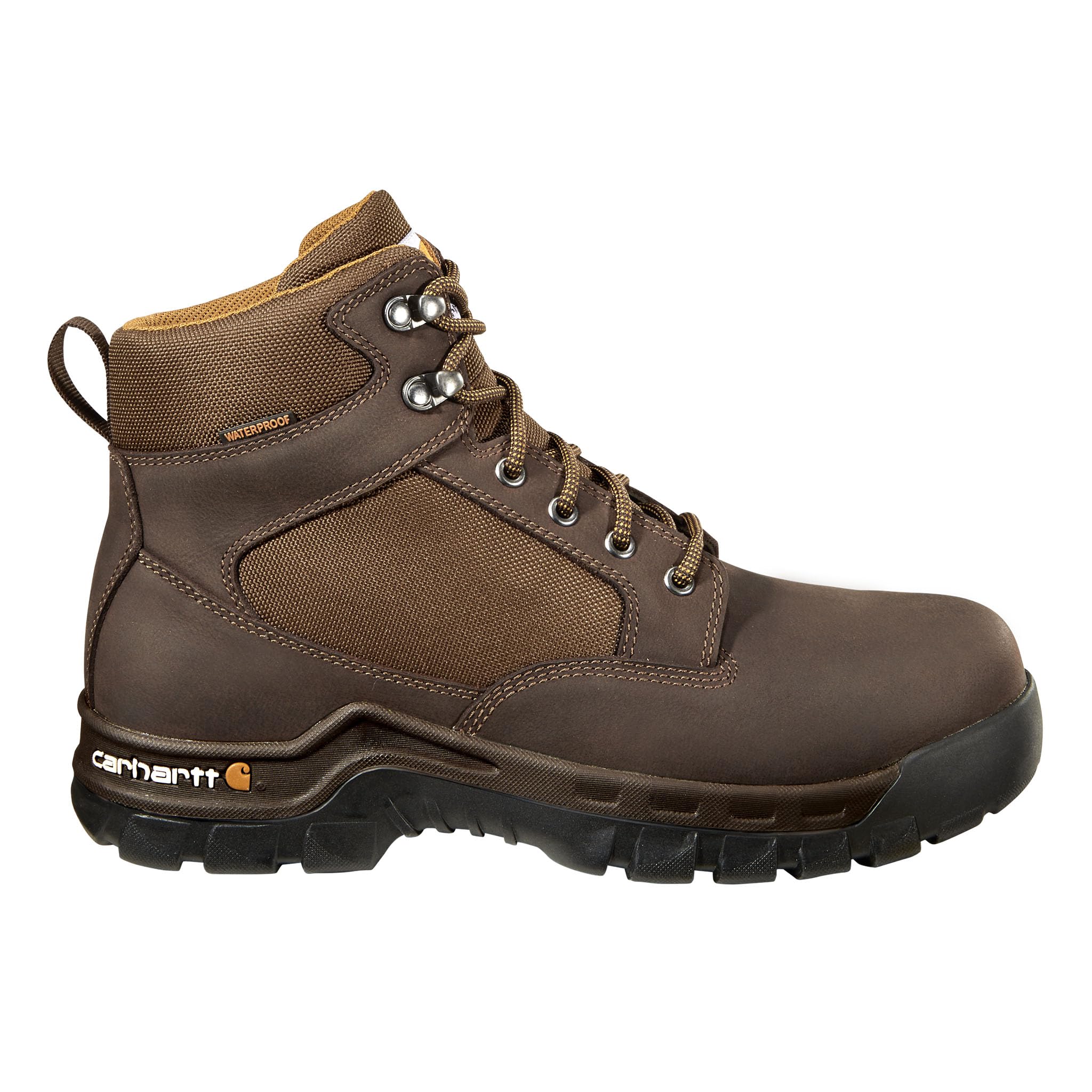


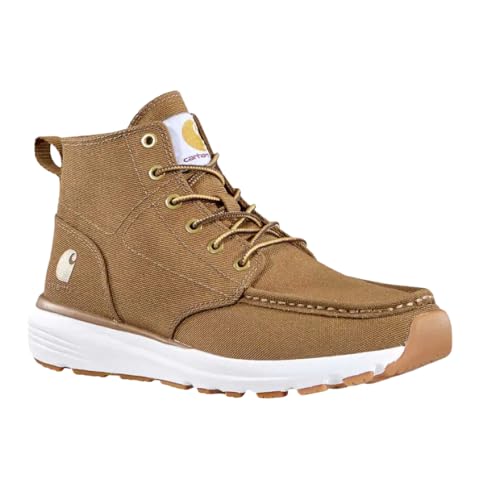
Types of Carhartt Boots Compared
Think of the types below as starting points. The best carhartt boots for one trade can feel heavy, hot, or under protected in another, so match the type to your daily tasks first. Most pairs cost about $120 to $220, with insulated models near the top of that range.
Soft Toe Boots for Warehouse and Light Trade Work
Soft toe boots have no hard cap in the front, so they weigh less and flex more easily as you walk, bend, and drive. They suit warehouse work, delivery, light carpentry, and shop tasks where falling object risk is low and no safety toe is required. Choose this type when comfort and low weight matter more than impact protection, and confirm your employer allows it.
Steel Toe and Composite Toe Boots for Hazard Sites
Safety toe boots add a hard cap that guards your toes from impact and compression. Steel caps are slim and strong, while composite caps weigh a bit less and do not conduct cold in the same way. Both should meet the safety standard your employer names. Choose this type for construction, plants, and sites with heavy materials overhead. If your site scans for metal, a composite cap can also save time at entry.
Logger Boots with a Raised Heel for Rough Ground
Logger boots use a taller shaft, often about 8 inches, and a raised heel with deep lugs. The heel helps your foot catch on ladder rungs, uneven soil, and slopes, and the high shaft supports your ankle when the ground shifts. These boots feel firmer and heavier than low work boots. Choose them for forestry, utility work, fencing, and outdoor jobs where you walk on loose or steep ground each day.
Pull On and Wedge Sole Boots for Farms and Flat Concrete
Pull on boots have no laces, so you can step in and out quickly at a barn, shop, or home entry. Wedge sole boots have a flat, wide sole that spreads pressure across concrete and packed floors, which many workers find easier for long standing. The flat sole has shallow tread, so it grips mud less well than a logger sole. Choose this group for farm chores, workshops, and flat indoor floors.
Wedge Sole or Heeled Sole: Which Carhartt Boot Fits Your Ground?
A wedge sole touches the ground along its full length, so it feels stable on flat concrete, tile, and shop floors, and it tracks less mud indoors. It gives less bite on slopes and loose gravel, because the tread is shallow.
A heeled sole lifts your heel and uses deeper lugs, so it bites better on dirt, grass, and uneven ground and helps on ladders. It can feel less even on hard flat floors. Pick the wedge sole for mostly flat and indoor work, and pick the heeled sole when most of your day is outdoors on soft or sloped ground.
Key Features to Compare When You Choose Carhartt Boots
Once the type is clear, compare these five factors in order.
Safety Toe Choice and Electrical Hazard Protection
Your toe choice should start with the written rules for your site, not with habit. Steel and composite caps both protect against impact, but composite caps suit cold rooms and sites where metal free footwear is required. Some boots also carry electrical hazard protection, which means the sole and heel are built to reduce shock risk under dry conditions. That rating does not replace safe work practice around live parts. Always check the product marking for the exact rating.
If your search is focused on job site models, see our guide to the best carhartt work boots.
Waterproofing and Insulation for Wet and Cold Work
Waterproof boots use a sealed membrane inside the leather to keep rain and puddle water out while letting some heat escape. That breathable layer helps on wet sites, but it can feel warm in summer. Insulated boots add fill in the lining, often described in grams, and they suit cold storage and winter outdoor work. More insulation adds bulk and weight. If you work mostly indoors in mild weather, a lightly lined boot will feel cooler and dry faster.
Fit, Sizing and Toe Box Room in Carhartt Boots
Try boots late in the day, when your feet are at their largest, and wear the socks you plan to use at work. Your toes should not press the cap, and you need room to wiggle them inside the toe box. Your heel should stay in place as you walk, with only slight lift. Many Carhartt styles come in wide widths, so choose width before you size up in length. A boot that is too long can crease in the wrong place and rub.
Outsole Traction, Lug Depth and Sole Construction
The outsole decides how the boot grips and how it wears. Deep, wide lugs shed mud and grip soft ground, while a flatter pattern suits concrete and helps resist slipping on wet smooth floors. Look for oil resistant and slip resistant wording if you work near kitchens, garages, or plants. Sole construction matters too. A stitched welt can often be resoled and feels firm, while a cemented sole often feels lighter and more flexible at first.
Cushioning, Weight and Break In Comfort
Cushioning in the insole and midsole softens each step on hard floors and can reduce foot fatigue during long shifts. Removable insoles let you air the boot and swap in a fresh pair when the foam packs down. Weight varies by type, with logger and insulated boots heaviest and soft toe boots lightest. Leather boots need a break in period of short wears before a full shift, because stiff leather can rub your heel at first. Start with a few hours a day.
Common Mistakes to Avoid
These errors cost comfort and money.
- Buying a soft toe boot for a site that requires a safety toe leaves you unable to start work.
- Sizing up in length instead of choosing a wide width gives you a loose heel and blisters.
- Picking deep logger lugs for flat concrete work makes standing feel uneven and wears the lugs fast.
- Wearing brand new leather boots for a full shift on day one causes sore heels and ankle rub.
- Choosing heavy insulation for indoor summer work leaves your feet hot and damp all day.
- Ignoring the sole rating for wet floors raises your chance of a slip on smooth surfaces.
Care and Maintenance for Carhartt Boots
Brush dirt from the leather and sole after each shift, and knock mud from the lugs before it dries hard. If the boots get wet, pull out the insoles, loosen the laces, and let the pair air dry at room temperature away from direct heat, because high heat can crack leather and weaken glue.
Clean leather with a damp cloth and mild soap when needed, then apply a leather conditioner once the surface is dry if the care label allows it. Check laces, seams, and sole edges each week. Rotate two pairs if you work daily, so each pair has a full day to dry. Store boots upright in a dry place.
FAQ
Do Carhartt boots need to be waterproof for wet job sites?
Yes, Carhartt boots for wet job sites should be waterproof if you stand in rain, mud, or puddles for long periods. A sealed membrane keeps outside water from soaking the lining, so your socks stay drier. Leave waterproof boots open overnight after a wet shift, because a sealed boot that stays damp inside can develop odor even when the outside looks dry.
Can I wear Carhartt boots for a full work shift?
Yes, you can wear Carhartt boots for a full work shift once the fit and break in are right. Most discomfort in week one comes from stiff leather at the ankle, not from the sole. Keep a spare pair of socks in your bag. Swapping socks at lunch can reduce friction if your feet run warm.
How should Carhartt boots fit with thick work socks?
Carhartt boots should fit snug at the heel and roomy at the toes when you wear thick work socks. Press your foot forward in the unlaced boot and check that you can fit one finger behind your heel, which leaves fair room in front. If your toes hit the front when you step down a ramp, the length or shape will bother you on ladders and slopes.
Are higher priced Carhartt boots worth the extra cost?
Higher priced Carhartt boots are worth the extra cost only when the added feature matches your work. Paying more for waterproofing, insulation, or a safety toe you actually need can save a second purchase. Paying more for insulation you will never use in a warm shop adds weight with no gain. A pair worn daily spreads even a higher price across many shifts.
How often should Carhartt boots be replaced at work?
Carhartt boots should be replaced when protection or grip fades, not on a fixed date alone. Replace the pair if the safety cap is dented after an impact, the sole is smooth where you need traction, or the upper splits so water enters freely. If a once comfortable boot leaves your feet aching much earlier in the shift despite fresh insoles, the midsole may be worn out.
Final Thoughts
Choose your toe type from your site rules, your sole from your ground, and your lining from your weather. Then confirm fit with work socks late in the day. Those checks will narrow the product table above to a short list fast.
When you compare best carhartt boots with those points in mind, pick the simplest pair that meets your hazards and feels steady from the first walk.


