
Best Boots for Framing Carpenters in 2026: Which One Fits the Way You Use It?
Disclosure: We may earn a commission when you buy through links on this page, at no extra cost to you. As an Amazon Associate I earn from qualifying purchases. Learn more

Compare framing carpenter boots by toe protection, nail guard, ankle support, traction and fit, with a checklist for ladder work and long days on site.
Framing puts your feet under lumber, on ladders and across unfinished floors where nails and offcuts wait. There is no single pair that suits every crew role. The best boots for framing carpenters match your main ground, your climbing load and how long you stay in them. Use the comparison table below to check protection, sole type and fit first.
Start with the work you repeat most. A framer on concrete slabs needs cushioning and a nail guard, while a framer walking joists needs ankle stability and a heel that locks onto rungs. The sections below sort those needs before price.




Who Should Buy Which Boots for Framing Work?
Pick by your usual position on the crew and the surface under you. Your climbing, lifting and standing time change which protection and sole matter most.
Ground Framers Working on Slabs and Decks
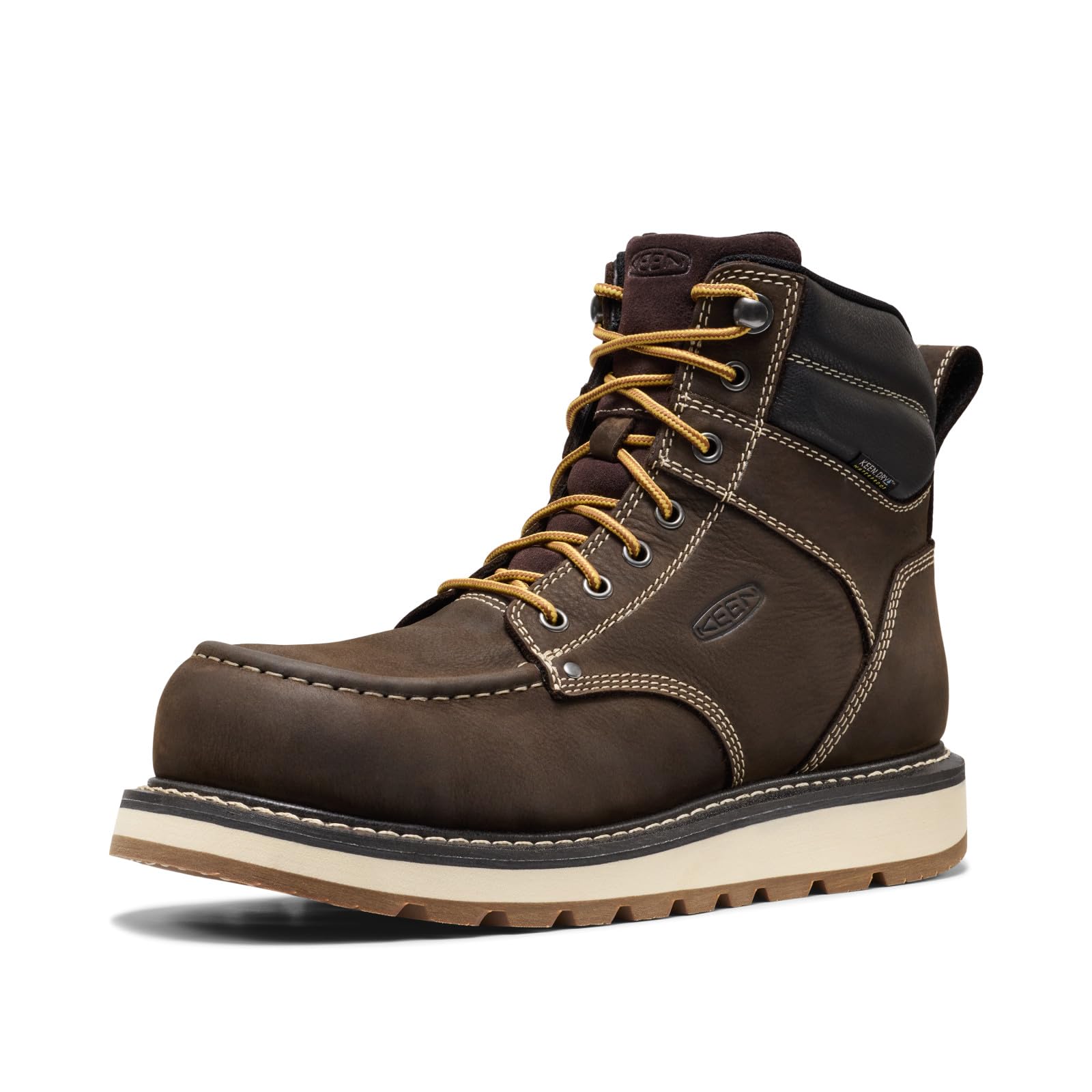
You cut, carry and nail at ground level, often on concrete or plywood for long stretches. Prioritize a safety toe, a puncture resistant plate and firm cushioning under heel and forefoot. A wedge sole spreads pressure on flat ground. Choose a six inch upper if you want solid ankle cover without extra leg weight.
Framers Who Climb Ladders and Walk Joists
You spend part of the day above ground, balancing on narrow lumber and ladder rungs. Prioritize a defined heel, a stiff shank and an eight inch upper that supports the ankle when you step sideways. Traction on dusty wood matters more for you than deep mud grip. A lighter boot helps, because extra weight pulls on your calves with every climb.
Apprentice Framers and Part Time Framers
You may split time between framing, cleanup and material runs, so value and versatility count. Choose a composite toe if you want protection with less weight, and look for a fit that works with the work socks you already own. A plain toe leather upper in the middle price range, about $120 to $200, usually serves you well.
Key Features to Compare
Compare these factors in order. Protection comes first, then stability, then comfort for a full shift, because a comfortable boot that fails on nails or rungs is still the wrong boot.
Safety Toe and Puncture Protection for Framing Sites
A safety toe guards against dropped studs, plates and tools, with steel offering slim strength and composite offering lower weight and less cold transfer. Many sites also require electrical hazard protection, so check the rating your employer expects. A puncture resistant midsole plate guards the sole of your foot when you step on a bent nail through subfloor or decking. That plate adds stiffness, so pair it with enough cushioning above it.
Ankle Height, Shank and Stability on Uneven Lumber
Upper height and shank stiffness control how much your foot rolls on uneven ground. A six inch boot suits flat framing and faster movement, while an eight inch boot adds support when you carry loads across joists. A firm shank bridges gaps between rungs and boards, so your arch does not flex around every edge. Stability improves when the heel counter feels firm and your heel stays seated as you climb.
Outsole Traction, Heel Shape and Heel to Toe Drop
The outsole must grip dusty plywood, concrete and lumber without collecting debris. A heeled sole with a distinct breast, the front face of the heel, locks onto ladder rungs and suits climbing. A wedge sole feels steadier on flat slabs. Heel to toe drop in work boots often sits around 8 to 12 mm, and a higher drop can ease calf strain if you stand on rungs often.
Cushioning, Arch Support and All Day Weight
Cushioning and arch support decide how your feet feel in the last two hours of a shift. Look for a removable insole you can replace when it packs down, and a midsole that feels firm rather than soft under load. Arch support should match your foot shape, because a rigid high arch in a flat foot causes pressure. Lightweight shoes and boots reduce leg fatigue, but the lightest option still needs a stiff shank.
Fit, Sizing and Toe Box Room for Framing Boots
Measure both feet late in the day, when framing work has swollen them, and size to the larger foot. Wear your normal work socks and leave about a thumb width in front of your longest toe. The toe box should let your toes lie flat without pressing the safety cap edge. Walk, crouch and step onto a low ledge, because heel lift that feels minor while standing grows painful on ladders.
Upper Materials, Breathability and Weather Protection
Full grain leather resists scrapes from lumber edges and lasts well with regular conditioning, while lighter panels improve airflow in hot weather. Breathable linings help during summer framing, but open panels give less protection from rain and wet concrete. A waterproof membrane such as Gore Tex suits wet sites and cold mornings, though it can feel warmer indoors. Choose weather protection for your climate, not as a default upgrade.
Choosing a Sole and Style for Your Crew Role
This is where choosing the best boots for framing carpenters becomes personal, and where sole style splits the options clearly. Wedge soles suit slab and deck crews who stand on flat surfaces all day. Heeled soles suit wall and roof framers who climb and need a rung stop.
Toe style matters less than toe rating, but shape affects comfort. A roomier moc toe style can suit wide feet, while a plain toe cleans more easily after muddy ground work. For daily carpentry use, see our guide to the best carpenter boots, and compare it with our guide to the best framing boots for framing specific soles. Crews weighing general options can also see our guide to the best work boots for carpenters.
Common Mistakes to Avoid When Buying Boots
These errors are common on framing crews and easy to prevent before you order.
- Choosing a soft fashion toe with no safety rating leaves your toes exposed to dropped lumber.
- Skipping a puncture plate on a remodel site leaves the sole of your foot open to nail injuries.
- Buying boots a full size too large to gain toe room causes heel slip and blisters on ladders.
- Picking deep mud lugs for slab work packs the sole with concrete dust and reduces grip on plywood.
- Ignoring your employer safety toe and electrical hazard rules can keep a new pair off the site entirely.
Care and Maintenance for Framing Boots
Knock sawdust and dried mud from the outsole and seams each evening, because grit left in stitching wears leather and thread as you walk. Brush the upper, wipe it with a damp cloth and let the boots air dry away from direct heat. Heat can crack leather and weaken sole bonds, so use room air and loose newspaper inside if the lining feels damp.
Condition leather when it looks dry and light in color, and check laces, eyelets and insole wear each month. Replace insoles when cushioning stays flat after a night of rest, and rotate two pairs if you frame five days a week. Rotation gives foam and lining a full day to dry, which cuts odor and slows breakdown.
Frequently Asked Questions
What features should framing carpenters prioritize first in framing boots?
Framing carpenters should prioritize a rated safety toe and a puncture plate first. If your budget is tight, fund those two items before waterproofing or premium leather, because they address the injuries that end shifts. Next, match the heel shape to your climbing time. Weight is a useful tie breaker, since equal protection can feel very different by late afternoon.
How often should framing carpenters replace framing boots?
Framing carpenters should replace framing boots when protection or support fails, not on a fixed calendar. Replace a pair at once if the toe cap shows through, the sole cracks or the plate area feels bent after a nail step. Most full time framers get about 8 to 14 months from a pair.
How long is the break in period for new framing boots?
The break in period for new framing boots is usually about one to two weeks of regular shifts. Wear a new pair for shorter tasks during the first few days, then add full framing days once hot spots fade. Return a pair that still pinches the toe cap after that period.
Do framing carpenters need waterproof framing boots?
Framing carpenters need waterproof framing boots only when their sites stay wet for much of the shift. On dry interior framing or hot summer decks, a breathable upper often feels better and dries faster after sweat. A practical compromise is one waterproof pair for wet months and one breathable pair for dry months. Match a single pair to the season when you frame most.
Can framing carpenters wear framing boots for a full day shift?
Yes, framing carpenters can wear framing boots for a full day shift when fit and support are right. Loosen laces briefly at a break if your feet swell in heat, and change into dry socks at lunch on long summer days for a clear comfort gain. Pain that spreads into your knees or back needs attention beyond footwear, so talk with a clinician about personal needs if it persists.
How should framing boots fit when framing carpenters try them on?
Framing boots should fit snug at the heel and midfoot, with free space at the toes. Press the toe area while standing, then climb a step and check that your heel stays in place without your toes striking the front. Bring the insoles you plan to use, because a thicker insole can remove the toe room you counted on.
The Bottom Line
Match protection to your site hazards first, then match sole and height to your climbing and standing mix. Fit at the end of the day decides more comfort than any single material claim. Use the product table above to compare toe rating, plate, heel shape and weight side by side.
When you judge best boots for framing carpenters by those points, the right pair is the one you can climb, carry and stand in safely until the last task. Buy for your crew role, break the pair in gradually and replace it when protection wears out.


