Best Cardio Elliptical Treadmill or Bike for 2026: Every Type Explained Side by Side
Disclosure: We may earn a commission when you buy through links on this page, at no extra cost to you. As an Amazon Associate I earn from qualifying purchases. Learn more

Compare treadmill, elliptical, and bike options in this guide to the best cardio elliptical treadmill or bike, covering space, noise, joints, and budget.
Three machines, three very different workouts, and one corner of your home to fit them in. Treadmills, ellipticals, and exercise bikes all raise your heart rate, yet they differ sharply in joint impact, noise, space, and price. This guide compares each type side by side so you can pick the best cardio elliptical treadmill or bike for your body and your room, instead of guessing from store photos.
We explain the three machine families first, then the three build tiers you will see at every price, then the specs that decide daily comfort. A short note before we start: if you have a heart condition, joint damage, or balance concerns, talk with your doctor about which motion suits you before you buy.






Types of Cardio Machines Compared
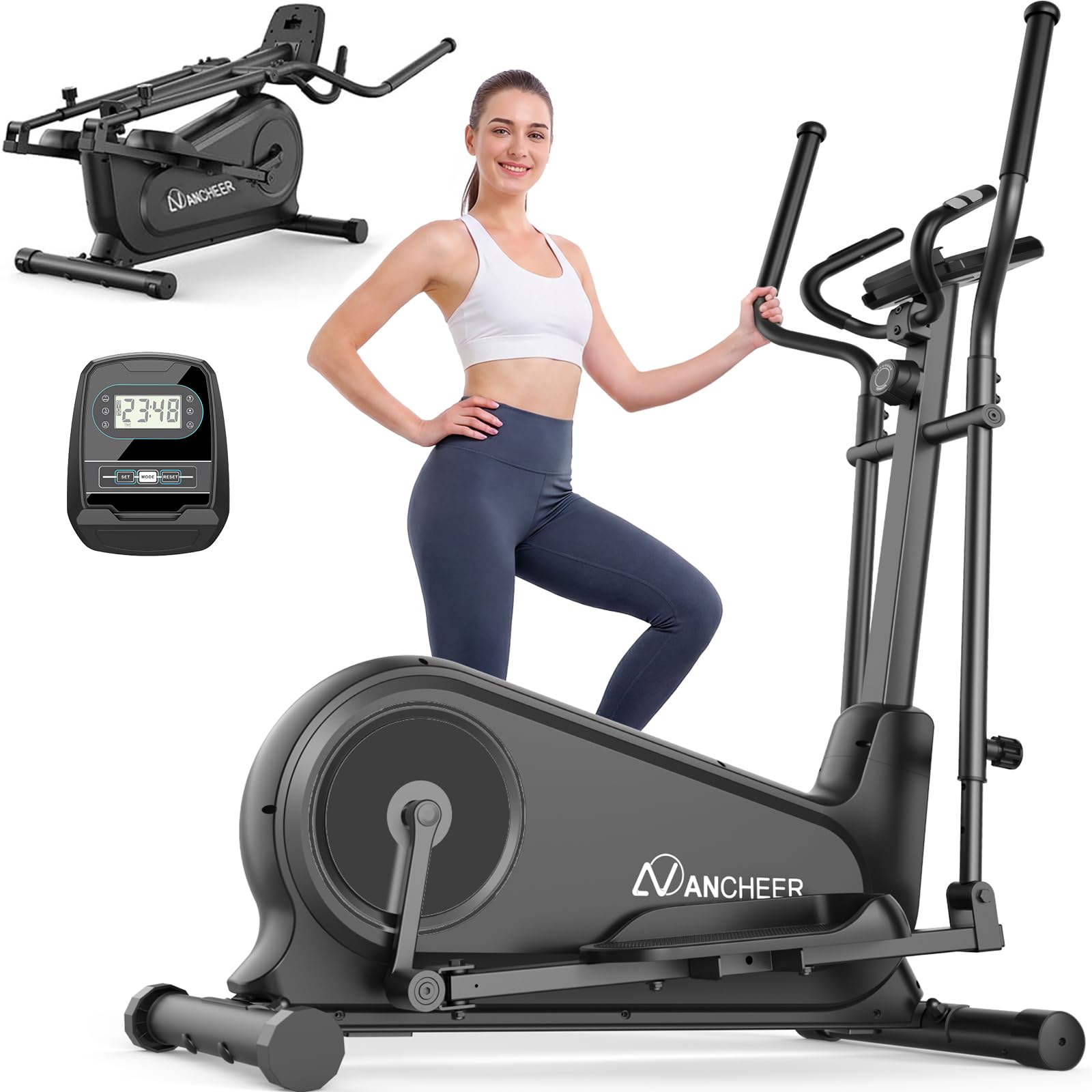
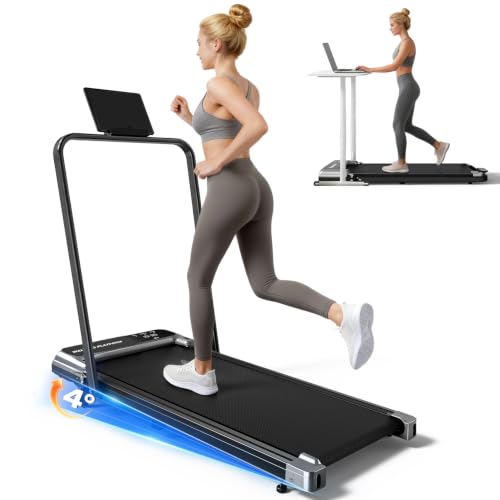
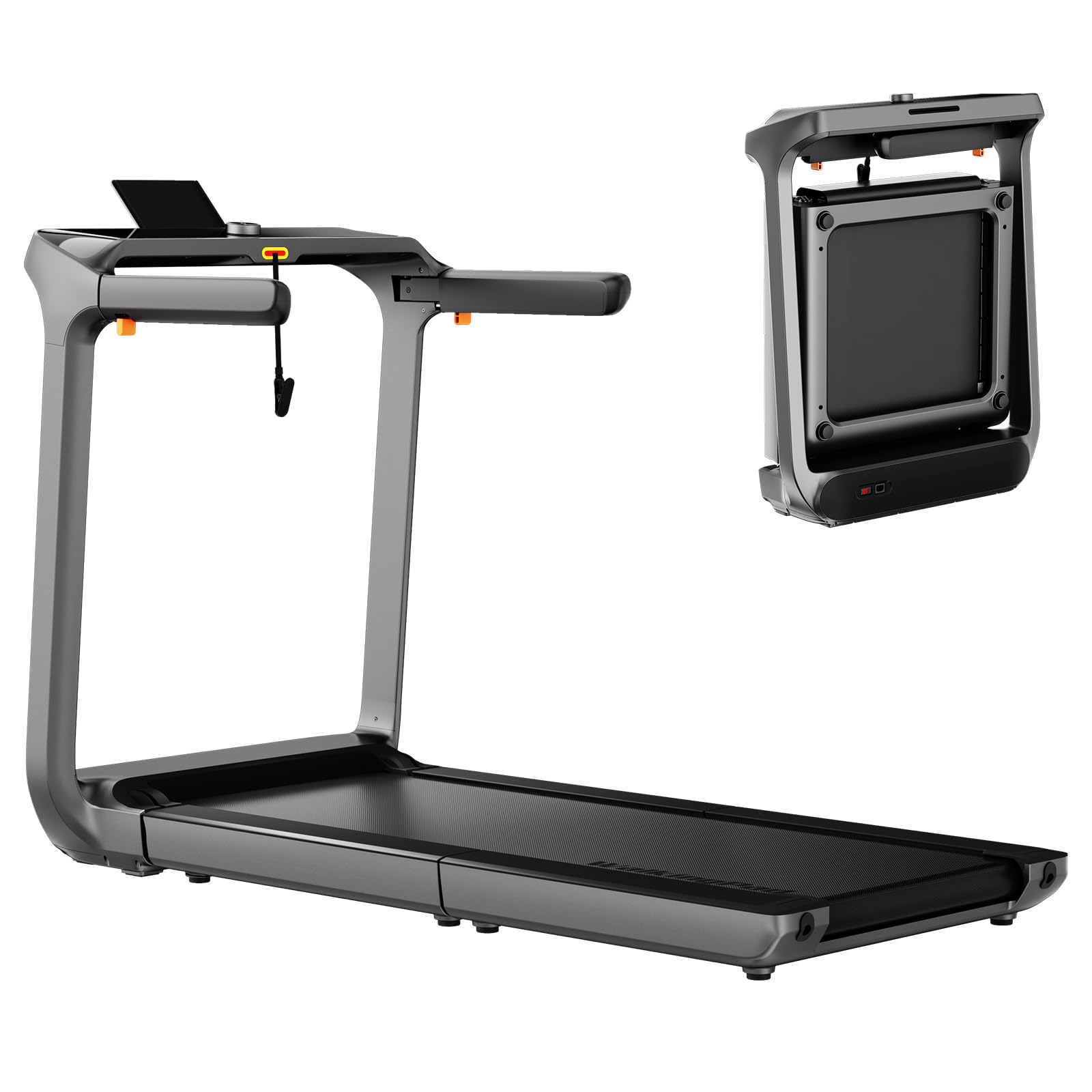
Start with the motion itself. A treadmill lets you walk or run on a moving belt, which feels natural and supports everything from gentle walking to hard interval training, but each step lands with impact. An elliptical guides your feet in a smooth oval path while your hands push and pull moving handles, so your feet never leave the pedals and your joints feel far less stress. A bike supports your weight on a seat while you pedal, which makes it the easiest option for sore knees, balance worries, or long steady sessions. Readers who have narrowed the field to two machines can go deeper with our guide to the best workout treadmill or elliptical.
Price follows a similar pattern across all three families. Simple manual or basic motorized models start around $300 to $600, solid home models with stronger frames and more programs sit around $700 to $1,500, and premium or commercial grade machines run about $2,000 and up. The sections below use those tiers rather than brand names, because the differences between tiers matter more than the logo on the frame.
Commercial Grade Models
Commercial grade machines are built for gyms, where many users train all day. They use heavy steel frames, large motors or flywheels, wide belts or long stride paths, and weight capacities often above 350 lb. The ride or run feels planted and quiet, and parts are made to be serviced rather than replaced. The trade offs are size, weight, and price: these machines fill a room corner permanently and rarely fold. Choose this tier if several adults will train daily, if the user is tall or heavy, or if you want one machine to last a decade of hard use.
Budget Starter Models
Budget starter models aim to get you moving at the lowest sensible cost. Frames are lighter, belts are narrower, stride lengths are shorter, and weight capacities often sit near 220 to 250 lb. Motors and resistance systems are smaller, so very fast running or very strong resistance can feel strained. What you gain is a low price, a smaller footprint, and often a folding frame that tucks away between sessions. This tier suits walkers, lighter users, and anyone testing whether home cardio fits their routine before spending more. Our comparison of the best workout bike or elliptical shows how starter tiers differ between those two families.
Smart Connected Models
Smart connected models add a screen, Bluetooth, and app based training to a mid range or premium frame. Guided classes, virtual routes, and automatic resistance changes can make workouts feel shorter and keep motivation high across months. The watch outs are ongoing subscription costs, which often run about $10 to $40 per month, and dependence on WiFi and software support. Check what the machine does if you cancel the subscription: the good ones still offer manual mode and built in programs. Choose this tier if variety and coaching are what keep you consistent.
Commercial Grade Models vs Budget Starter Models: Which Should You Choose?
Compare the two ends of the market on five points. For frame and feel, commercial models stay rock steady at full effort, while starter models can wobble under heavier users or fast paces. For capacity, commercial frames usually allow 350 lb or more, while starter frames often cap near 250 lb. For size, starter models win clearly, since many fold and roll away. For lifespan, commercial parts are rated for many hours of daily use, while starter parts suit one user training a few times a week. For total cost, add delivery and a mat to both, then note that a starter model you outgrow in two years may cost more across five years than one commercial model. Match the tier to your honest training volume, not your best week ever.
How to Choose the Right Cardio Machine
Build Quality and Weight Capacity
Look for a welded steel frame and a stated weight capacity at least 50 lb above the heaviest regular user. That margin keeps the frame quiet and extends bearing and belt life. On treadmills, motor size matters: about 2.5 to 3.0 continuous horsepower suits walking and jogging, while regular runners should look higher. On ellipticals and bikes, a heavier flywheel, roughly 18 lb or more, gives a smoother stroke. Thin frames and vague capacity numbers are early warnings to walk away.
Warranty: Frame, Parts, and Labor
Read the warranty in its three parts. Frame coverage of ten years or lifetime is common on quality home machines, while starter models may offer only one to five years. Parts coverage tells you how the maker values the motor, electronics, and drive system: two to three years is a fair home standard. Labor coverage is often just one year, and it matters because a service visit can cost more than the part. A long, clearly written warranty signals a machine built to be repaired, not replaced.
Space, Footprint, and Ceiling Height
Measure the room before you fall for any model. Treadmills need a clear safety zone behind the belt, ellipticals need length plus room for the pedal swing, and bikes need the least space of the three. Ceiling height surprises elliptical buyers most: add your height to the pedal at its highest point, plus a few inches of clearance, and compare with your ceiling. Folding treadmills and compact bikes suit apartments, while most ellipticals stay where you place them. Shoppers focused on one machine type can see footprint ranges in our guide to the best elliptical for cardio.
Stride Length, Range of Motion, and Ergonomics
On an elliptical, stride length decides comfort more than any screen feature. Most adults feel natural with a stride around 18 to 20 inches, while shorter strides can feel choppy for tall users. On a treadmill, belt width around 20 inches gives runners room to drift safely. On a bike, check seat adjustment range and handlebar reach so your knee keeps a slight bend at the bottom of the stroke. If two people of different heights will share the machine, favor the type with the widest adjustment range.
Noise Level for Apartments
Bikes are usually the quietest of the three, especially with magnetic resistance, since there is no footfall at all. Ellipticals come next, with soft pedal motion and only mild frame sounds. Treadmills are the loudest, because each step strikes the belt and sound travels through floors. A thick equipment mat, a ground floor room, and training hours that respect your neighbors solve most complaints. If thin floors rule your building, the shared frame designs in our guide to the best elliptical treadmill models show a middle path worth considering.
Tips to Get the Most From Your Cardio Machine
- Use a mat to protect floors and reduce noise. A dense mat also catches sweat and keeps the machine from creeping across hard floors.
- Wipe down after each workout. Sweat corrodes metal and electronics fast. A soft cloth on the console, handles, and frame takes under a minute.
- Tighten bolts monthly. Repetitive motion loosens hardware slowly. A quick pass with the supplied wrench keeps the frame silent and stable.
- Build up gradually. Add about ten percent to your weekly time or intensity, and let easy days stay easy so the habit survives.
- Track one simple number. Minutes per week beats complex metrics for most home users, and a visible streak keeps motivation steady.
Frequently Asked Questions
Is a cardio machine quiet enough for an apartment?
Usually yes, if you choose with noise in mind. A bike with magnetic resistance is nearly silent, and an elliptical on a thick mat rarely bothers neighbors. A treadmill is the risky option in upstairs rooms, since footfall carries through floors. Train during daytime hours, place the machine on the lowest floor available, and avoid the wall shared with a bedroom. With those steps, most apartment users train without a single complaint.
How much space does a cardio machine need?
Plan on a footprint of roughly 6 feet by 3 feet for a treadmill, about 5 feet by 2.5 feet for an elliptical, and about 4 feet by 2 feet for a bike, plus working room around each. Add two feet of clear space behind a treadmill for safety. Folding models shrink their stored size but need the same room while in use. Measure your doorways too, because a machine that cannot enter the room solves nothing.
Which cardio machine is better for beginners?
The bike is the gentlest starting point, since the seat supports you and the motion is easy to learn at any pace. The elliptical follows closely, offering a full body workout with low joint stress once you find the rhythm. A treadmill suits beginners who simply want to walk, which is the most familiar motion of all. The honest answer is the machine you will use three times a week, so weigh comfort and room fit above small calorie differences.
How long does a cardio machine last?
A quality home machine lasts about seven to ten years with basic care, and commercial grade models can run far longer. Belts, pedals, and seat pads are wear parts you may replace once in that span. Life shortens when a machine is overloaded, stored in a damp garage, or never cleaned. Staying within the weight capacity and doing the monthly bolt check are the two habits that add the most years.
Is a subscription required for a smart cardio machine?
No, a subscription is rarely required to use the machine itself. It pays for live and on demand classes, route libraries, and some advanced tracking. Most connected models still offer manual mode and preset programs without it. Before buying, confirm which features stay free, ask about the monthly price after any trial, and decide whether classes are something you will truly use. If not, a simpler console saves money every single month.
Final Thoughts on Choosing Cardio Elliptical Treadmill or Bike
Choose the motion first, then the tier, then the specs: that order keeps the decision simple. Runners with healthy joints lean treadmill, joint conscious users lean elliptical, and space or balance concerns point to the bike. Whichever you choose as your best cardio elliptical treadmill or bike, check the product table above for current options that match your room measurements and weight capacity, and measure your space one last time before you order.