
Best Card Reader for Trail Cameras for 2026: Budget, Midrange, and Premium Tiers
Disclosure: We may earn a commission when you buy through links on this page, at no extra cost to you. As an Amazon Associate I earn from qualifying purchases. Learn more

Choose the best card reader for trail cameras by price tier, with clear advice on speed, card support and build quality for field and home use.
Card readers for trail cameras sell for under $10 and for well over $80, and the listings rarely explain what the extra money buys. This guide sorts the market by price tier so you can see where spending helps and where it does not. If you want the best card reader for trail cameras for your routine, start with how you check your cameras: in the field on a phone, at home on a laptop, or on a viewer screen at the truck.
The product table shows the spread in one place. Keep your own cameras and devices in mind as you read, because a reader only earns its cost when it fits the gear you already own.


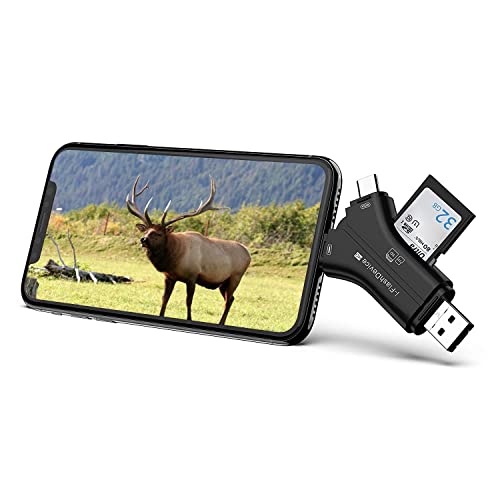


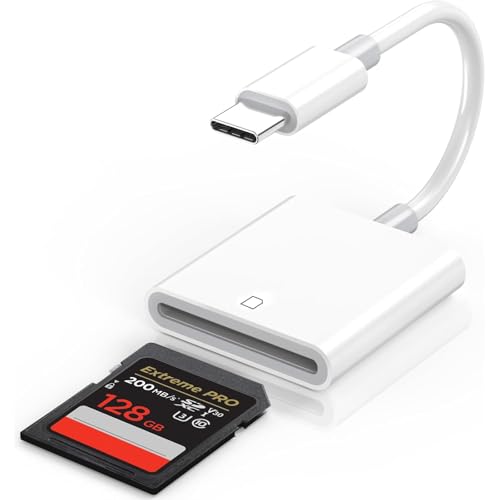

What Each Price Tier Delivers
Budget Tier: Simple and Serviceable
Budget readers, usually under $20, do one job: they connect a card to a phone or a computer. Expect a single card format or a simple dual slot, a plastic body, and basic transfer speeds. For photo checks and light video use, that is often enough. The compromises show up in build quality, slower handling of large 4K video files, and vague support for very large cards. If you run two or three cameras and mostly view still photos, a budget reader paired with a good card, like the ones in our guide to the best sd card for trail cameras, covers the basics without waste. Keep a spare in your pack, since a lost budget reader is an annoyance rather than a real loss.
Midrange Tier: The Sweet Spot for Most Buyers
Midrange readers, about $20 to $45, add the upgrades most users actually feel: faster USB 3.0 or USB C transfers, slots for both SD and micro SD cards without adapter sleeves, and sturdier bodies that survive seasons in a hunting pack. Many include short cables that seat well through thick phone cases. This tier also tends to state capacity support clearly, including large SDXC cards. If you check cameras weekly, shoot video clips, or manage cards for several properties, midrange is where your money works hardest. It is also the tier where phone apps and file handling tend to be more polished, which matters when you sort hundreds of images at a tailgate.
Premium Tier: Viewers and Special Features
Premium readers, about $45 to $90 and above, usually means a standalone viewer with its own screen and battery, or a rugged reader with very fast transfers and wide device support. You pay for independence from your phone, a bigger and brighter display, and extras such as video playback with sound and on device deleting and formatting. This tier pays off for outfitters, researchers, and families who share cameras and want anyone to review a card without an app or an account. It does not pay off if you only move files to a laptop, because a midrange USB reader moves them just as fast for half the price.
What Your Money Gets You at Each Price Tier
Budget Tier: What to Expect
At the budget end, judge a reader by fit and honesty. The slot should grip your card firmly, the listing should name the maximum card capacity it supports, and the connector should match your phone or laptop exactly. Speed claims at this level are often optimistic, so treat them as rough guides. A budget reader is a sensible first buy while you learn your routine. Many users start here, then upgrade once they know whether they check cards in the field or at home, and the old budget reader becomes the glove box spare.
Midrange Tier: Where Upgrades Feel Real
In the midrange, pay attention to transfer standard and slot design. USB 3.0 or better cuts the time to copy a full card of video from many minutes to a few. Direct micro SD slots beat sleeve adapters, which can fit loosely and interrupt transfers. Metal or reinforced bodies handle heat and drops better than thin plastic. You also see better cable strain relief, a small detail that decides whether a field reader lasts one season or five. For most trail camera users, this tier offers the best balance of speed, durability, and price.
Premium Tier: When Spending More Pays Off
Spending more pays off in three situations. First, you review cards where no computer exists, such as a remote lease or a cabin, and a viewer screen keeps the workflow self contained. Second, you handle cards for many cameras and need fast, reliable transfers every time. Third, your eyesight makes small phone thumbnails hard to judge, and a larger screen prevents deleting a photo you should have kept. Outside those cases, premium features sit unused. Also weigh size: a viewer is another item to charge, pack, and protect from rain.
Features Worth Paying For (and Ones to Skip)
Transfer Speed and Card Support
Speed is worth paying for when you shoot video. Look for USB 3.0 or USB C readers and check that your card and your computer port support the same standard, because the slowest link sets the pace. Card support is just as important. Trail cameras commonly use SDXC cards of 64 GB to 256 GB, and a reader that caps out at 32 GB is nearly useless with modern cards. This same advice anchors our guide to the best sd card reader for trail cameras, where capacity limits are the top reason readers get returned.
Build Quality and Field Durability
A trail camera reader lives in pockets, packs, and truck consoles, often with dust, moisture, and grit nearby. A solid body, a cap or sliding cover for the slot, and a short sturdy cable matter more than slim styling. Weather resistance claims for readers are modest at best, so store yours in a small dry pouch. If you hunt in cold weather, remember that numb fingers drop small gear. A slightly larger reader with a lanyard loop is easier to keep track of at a tree in the dark than the smallest model money can buy.
Features That Matter for Trail Cameras
Trail cameras create a specific workload: bursts of night photos, short video clips, and cards that fill slowly over weeks. Your reader and its app should show thumbnails quickly, sort by date, and play your camera video format without extra software. Batch delete and select all tools save real time when a card holds a thousand wind triggered blanks. If you run cellular cameras alongside standard ones, a reader still matters for the standard fleet, and the two workflows sit side by side in our guide to the best card reader for game cameras as well.
Screen Size and Viewing Comfort
On viewers, screen size and brightness decide whether the premium price makes sense. A small screen confirms that deer visited, but judging antler points or reading a collar tag needs a larger, sharper panel. Look for adjustable brightness for use in sun and in a dark blind. Zoom or pan controls help you inspect one corner of a frame without moving the file to a computer. If you wear reading glasses, test how the viewer feels at your normal holding distance, because a crisp screen held too close is still tiring on a long card.
Long Term Costs to Factor In
The reader itself is a small part of total cost. Budget for spare memory cards so you can swap and go at each camera, a hard card case, and possibly a second reader as a backup. Viewers add battery care and eventual replacement to the list. Software can add cost too, if a reader relies on a paid app for full features, so check before you buy. Your time is a cost as well. A reader that saves ten minutes per camera run pays for its upgrade price within a season for anyone running several cameras. Finally, protect your files with a simple backup habit at home, since the footage from a full season is worth far more than any reader. If you are building the whole setup from scratch, our guide to the best trail cameras helps you plan cameras and accessories together.
FAQs
What features matter most in card readers for trail cameras?
Full capacity card support and the right connector matter most, followed by transfer speed. Your reader must accept the SDXC cards your cameras use, plug into your phone or laptop directly, and move video at a pace you can live with. Fast thumbnail loading in the companion app is a quiet but real advantage during field checks.
How much should I spend on my first trail camera card reader?
About $15 to $30 is a sensible first budget. That range buys a sturdy dual slot reader with USB 3.0 speeds and clear capacity support. Spend less and you risk flimsy slots; spend much more and you are paying for a viewer screen you may not need. Upgrade later once your checking routine is settled and you know which feature you miss.
What specs matter most for beginners choosing a card reader?
Beginners should confirm four specs: card format, maximum supported capacity, connector type, and whether the reader works with their phone operating system. Those four decide compatibility. Speed ratings and extra slots are secondary. A reader that simply works every time builds good habits, like backing up cards the same day you pull them.
Which card reader type is better for low light photos?
No reader improves night images, but a bigger and brighter screen helps you judge them. Infrared photos hide detail in gray tones, and a quality viewer or laptop screen shows that detail better than a small dim panel. Avoid deleting borderline night shots in the field. A second look at home often reveals an animal you missed at the tree.
Is a smartphone enough instead of a dedicated card reader?
A smartphone needs an adapter to read an SD card, so it replaces the screen, not the reader. That combination works well for quick checks and sharing. It falls short when your phone storage is nearly full, when your camera records video your phone cannot play, or when you review cards for hours and drain the battery you need for the trip home.
What card sizes and speed classes should my reader support?
Look for SDXC support up to at least 256 GB and compatibility with UHS I cards, which covers most trail cameras. Your reader does not need the newest UHS II standard unless your cards use it, and most trail camera cards do not. Matching the reader to the cards you own beats paying for a faster standard your gear cannot use.
Final Thoughts
Let your routine set your budget. Photo only checks need little more than a sound budget reader, weekly video work rewards the midrange, and phone free reviewing justifies a premium viewer. Whichever tier you choose from the product table, confirm card capacity and connector fit first. That is how you land on the best card reader for trail cameras for your woods, your devices, and your wallet.


