Best Car Window Tint Film: A Buyer's Guide
Disclosure: We may earn a commission when you buy through links on this page, at no extra cost to you. As an Amazon Associate we earn from qualifying purchases. Learn more
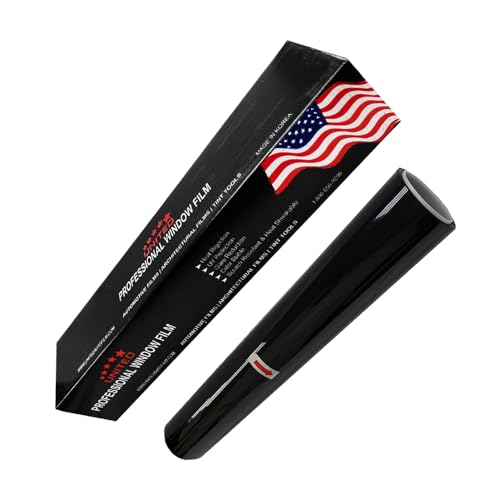
If your car turns into an oven every summer afternoon, the best car window tint film can make a real difference in comfort, glare, and interior protection. Tint film comes in a few core materials, each with its own balance of heat rejection, clarity, and price. Picking the right one means weighing how much sun exposure your car gets against how much you want to spend, and whether you plan to install it yourself or hire a shop.
Before you buy any roll or precut kit, it helps to know what separates a budget film from a premium one, what darkness levels are actually legal where you live, and how to avoid the bubbling and peeling that ruin so many DIY jobs. This guide walks through all of that so you can shop with confidence.

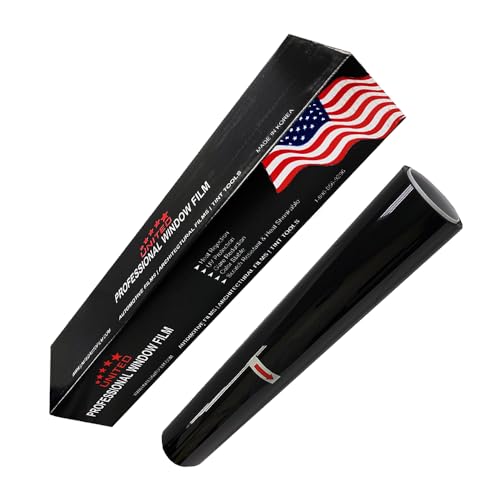
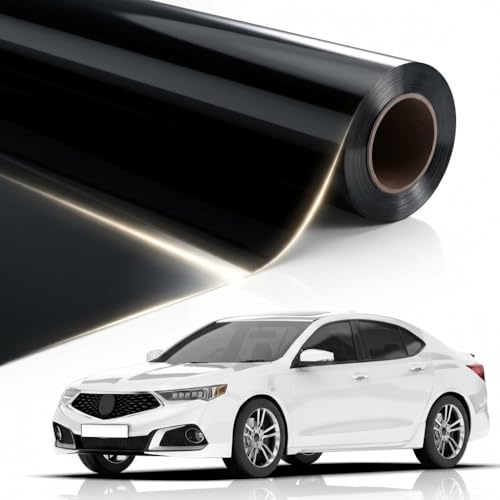
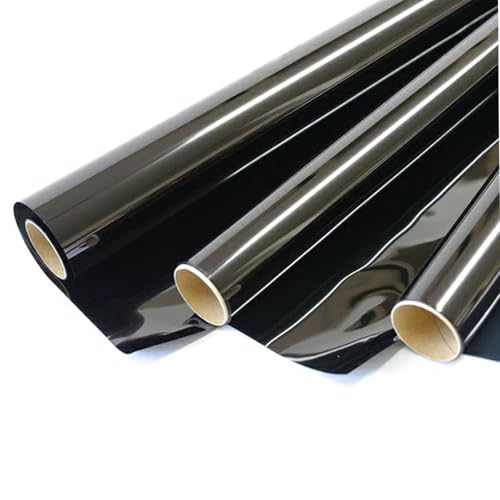
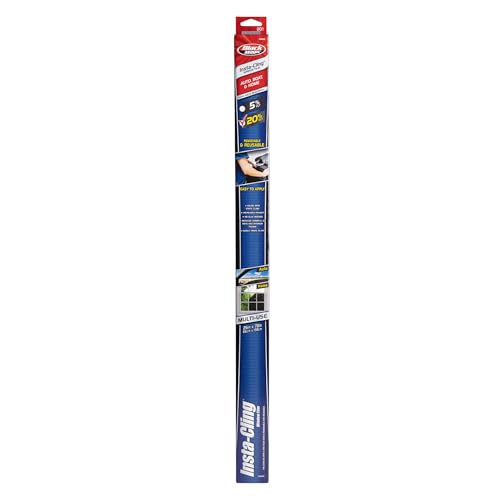
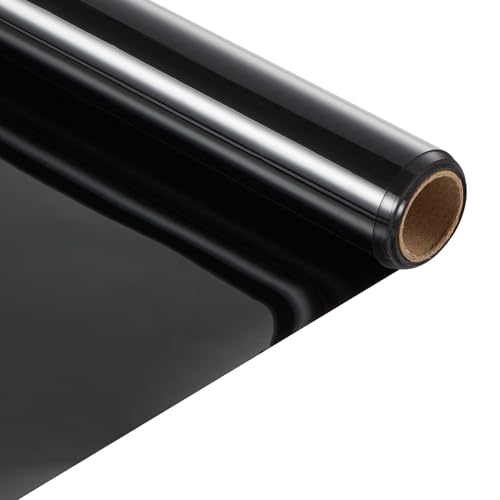
Dyed, Carbon, and Ceramic Tint Film: What Sets Them Apart
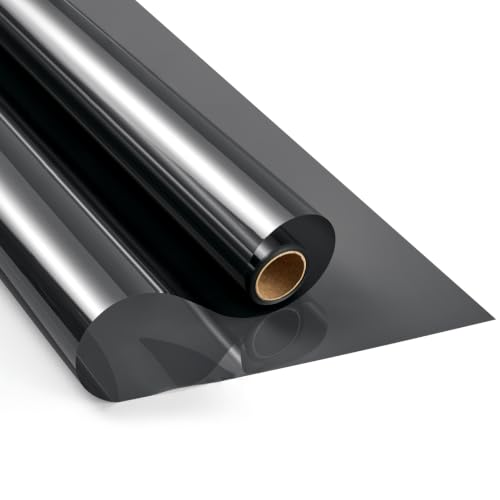
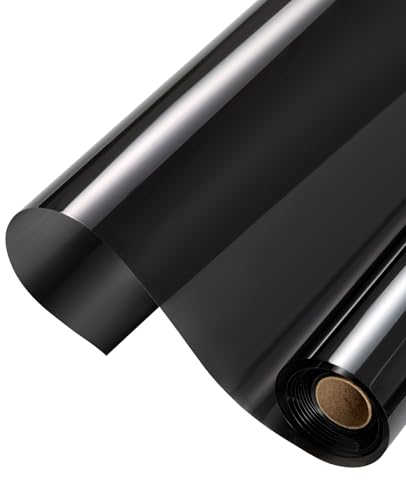
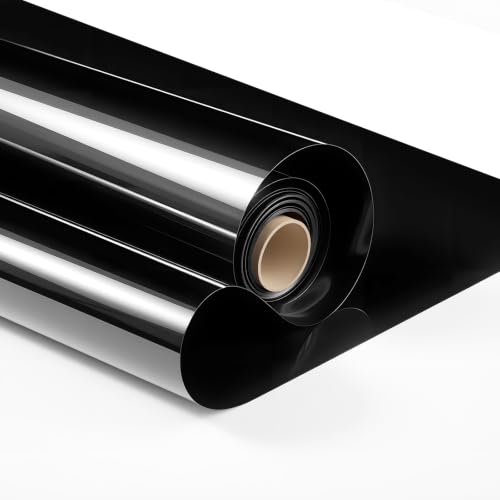
Dyed film is the most affordable option. A layer of colored dye sits between adhesive and a protective topcoat, cutting glare and adding privacy. It looks great when new, but the dye breaks down under UV exposure over a few years and can fade to a purplish tint that looks worn out.
Carbon film skips the dye and uses carbon particles instead, which do not fade the way dye does. It also blocks a noticeably higher share of infrared heat, so your dashboard and seats stay cooler on hot days. It sits in the middle of the price range and holds its color much longer than dyed film.
Ceramic film uses nano-ceramic particles that reflect infrared radiation rather than absorbing it, which is why it delivers the strongest heat rejection of the three. It also avoids the signal interference that older metallic films sometimes caused with GPS, radio, or toll transponders. Ceramic costs more upfront but tends to outlast the other two options.
Picking the Right VLT Percentage and Film Quality
VLT, or visible light transmission, tells you how much light passes through the glass after tinting. A lower VLT percentage means a darker film. Many drivers land somewhere in the middle for front windows, since it cuts glare and heat without making it hard to see at night, then go darker on rear windows and the back glass for privacy.
Beyond darkness, pay attention to adhesive quality. Cheaper film often uses a thinner, less consistent adhesive layer that is more prone to trapping air and forming bubbles during installation. Look for film with a documented warranty against fading, cracking, or peeling, since that warranty is usually a decent proxy for how confident the manufacturer is in the product.
Budget dyed film, mid-tier carbon film, and premium ceramic film each serve a different kind of buyer, and the best car window tint film for you depends on how long you keep your car and how much direct sun it gets. If you park outside constantly, spending more upfront on a longer-lasting film usually pays off in fewer redo jobs.
Checking Your State's Tint Laws Before You Buy
Window tint darkness rules vary quite a bit from one state to the next, and they often differ by window position, meaning the windshield, front doors, rear doors, and back glass can each have their own minimum VLT percentage. Some states also restrict reflective or colored tints outright.
Before you order film or book an installer, look up your state's specific VLT limits through your local DMV or a dedicated tint law resource, since guessing can lead to a failed inspection or a citation. It also helps to know that most factory glass already carries a light factory tint, so layering film on top lowers the net VLT further than the film's rating alone suggests.
If you are close to a legal limit, err on the side of a lighter film rather than the darkest one available. It is easier to add a second layer later than to strip out a job that gets flagged during inspection.
DIY Installation, Curing, and Care Tips
A clean, dust-free work area makes the biggest difference in how a DIY tint job turns out. Wash the glass thoroughly, then work in a shaded spot without wind or blowing debris, since even small particles trapped under the film show up as bumps once it dries.
Keep the glass and the film wet with a mild soap-and-water solution while you position it, and use a squeegee to push out water and air from the center outward. Trim carefully with a fresh blade for each window rather than reusing a dull one, which tends to drag and lift the edges instead of cutting cleanly.
- Let the film cure fully before rolling windows down, which can take anywhere from a few days to a couple of weeks depending on humidity and temperature
- Avoid ammonia-based glass cleaners, which can break down the adhesive over time
- Wipe with a soft microfiber cloth and a tint-safe cleaner once cured
Common Mistakes That Ruin a Tint Job
The most common and costly mistake is buying film without checking the legal VLT limit for your state first. Ordering a shade that turns out to be too dark means either redoing the work or risking a ticket, so confirm the limit before you order anything.
Choosing the cheapest available film is another frequent misstep. Low-quality dyed film without any warranty tends to purple and fade within a couple of years, which means you end up paying for a second installation sooner than expected. A slightly higher upfront cost for carbon or ceramic film often saves money over the life of the car.
Rushing the install is the third big issue. Skipping the cleaning step, working in a dusty garage, or rolling windows down before the film has cured are all shortcuts that show up as bubbles, cloudiness, or lifted edges within weeks.
Frequently Asked Questions
What VLT percentage should I choose for my car?
It depends on your state's legal limit and how much privacy or heat reduction you want. Many drivers choose a lighter shade for front windows to keep visibility high and a darker one for rear windows and back glass.
Is ceramic tint really worth the extra cost?
For most climates with strong sun exposure, yes. Ceramic film blocks significantly more infrared heat than dyed or carbon film and resists fading longer, so it often costs less over time even though the upfront price is higher.
Can I install window tint film myself?
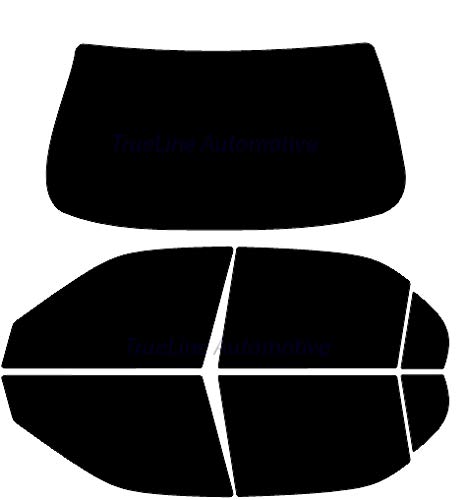
Yes, with patience and a clean workspace. Precut kits designed for specific vehicle models make DIY installation more manageable, though curved rear windows are usually the hardest part for beginners.
Consider practicing on a flat piece of glass first if you have never applied film before.
Why does window tint bubble after installation?
Bubbling is usually caused by trapped air or moisture beneath the film, often from a rushed installation or a dusty work surface. It can also happen if the film is rolled down before it fully cures.
How long does window tint film last?
Dyed film typically lasts a few years before fading. Carbon film holds up longer, and quality ceramic film can last well over a decade with proper care.
Does window tint block UV rays?
Most quality tint films block a very high percentage of UV rays, which helps protect your skin and keeps your interior from cracking or fading in the sun.
Will window tint interfere with my phone or GPS signal?
Older metallic tints sometimes caused interference, but modern ceramic and carbon films are non-conductive and generally do not affect cell signal, GPS, or toll transponders.
Final Word on Choosing the Right Tint Film
Finding the best car window tint film for your car comes down to matching material, VLT percentage, and legal limits to your specific needs. A little research upfront saves you from a redo job or a failed inspection down the road.