
Best Car Vacuum for Sand in 2026: Buying Guide
Disclosure: We may earn a commission when you buy through links on this page, at no extra cost to you. As an Amazon Associate I earn from qualifying purchases. Learn more

Compare the best car vacuum for sand by power, brush head, bin size and reach to clear beach grit fast.
Sand looks harmless on the floor mat, then it works its way into carpet pile, seat seams, and the tracks under your seats, where a weak vacuum just skims past it. Choosing the best car vacuum for sand means looking past general suction claims and checking how a model lifts buried grains, handles clogged filters, and reaches tight spaces. This guide compares the main types by vehicle compatibility, performance, and ease of use, and the comparison table below sums up the differences.
You will learn which features actually move sand, and how much power and reach you need for your vehicle.

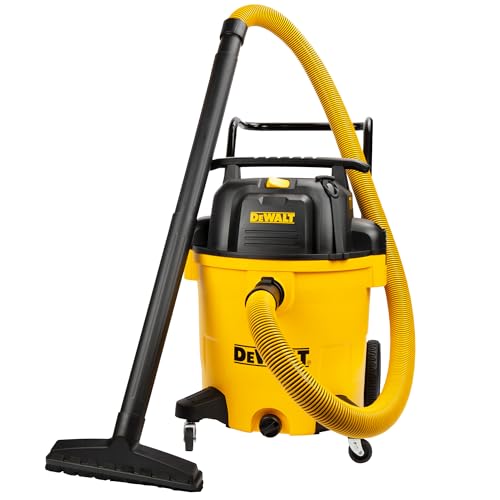


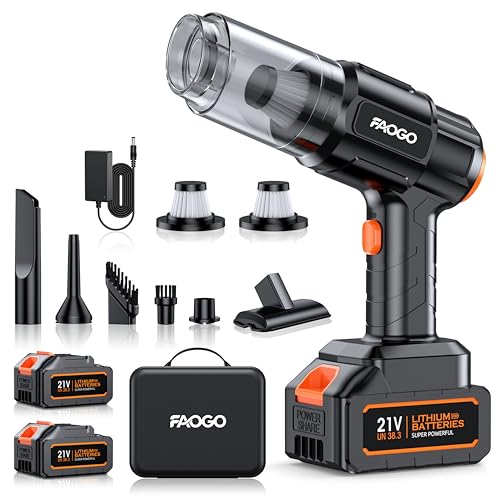
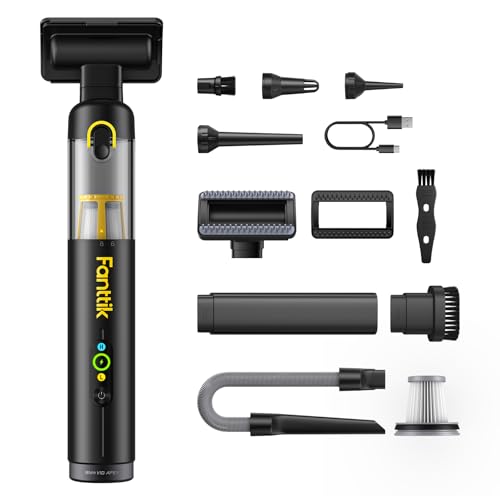


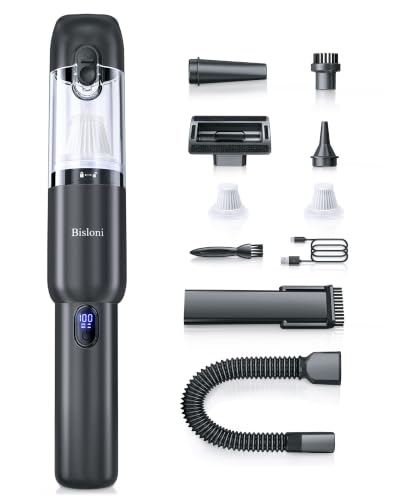
Main Types Compared at a Glance
Cordless handheld models are the most common choice for sand. They move freely around seats and into the cargo area, and you can grab one the moment you get home. Their limits are runtime and bin size, so they suit regular light cleanup best. Our guide to the best handheld car vacuum covers this format in depth.
Models that plug into a 12 volt outlet trade freedom of movement for power that never fades mid job. The cord reaches the whole cabin in most cars, and there is no battery to charge. This type suits drivers who park far from a wall outlet and want to finish a full cleanup in one session.
Compact wet and dry models handle damp sand, spilled drinks, and wet footprints as well as dry grains. They tend to be larger, with a hose that reaches under seats easily, but they store less neatly in a trunk. Choose this type if your trips leave wet towels and soggy mats in the car, not just dry sand.
How the Criteria in This Guide Were Chosen
The criteria below come from the way sand behaves in a car rather than from general vacuum shopping. Sand is dense, abrasive, and quick to clog a filter, so this guide weighs lifting power at the nozzle, filter access, bin emptying, and attachment reach above extras such as lights. It also weighs vehicle compatibility, durability, ease of use, and warranty cover, using maker specifications and verified buyer feedback.
Who Should Buy Which Type for Sand
Families Coming Home From the Beach
You deal with volume. Sand arrives in shoes, buckets, and the folds of towels, then spreads across both rows and the cargo floor. A larger bin matters more to you than a slim body, because stopping to empty a tiny bin four times slows the whole job. A brush attachment for carpet and a crevice tool for seat folds cover most of your cleanup, and a model that lives in the garage, charged and ready, gets used far more than one stored in a closet.
Surfers and Paddle Boarders
Your sand is often wet, and it arrives with salt water drips from boards and wetsuits. A wet and dry model protects the motor when you vacuum damp grains and puddled footwell water in the same pass. Reach matters too, since sand collects along door sills and the trunk lip where boards slide in. Rinse sand off your gear first when you can, and let the worst of the water drain before you vacuum.
Coastal Commuters and Rideshare Drivers
You may carry less sand per trip, but you clean far more often, and passengers notice gritty floors fast. A compact cordless model that tucks behind a seat suits quick passes between trips. Prioritize a bin that empties with one hand and a filter you can tap clean in seconds, because a tool that takes ten minutes to maintain will quietly stop being used.
How to Choose the Right Car Vacuum for Sand
Type
Start with where you will clean. If you park in a driveway or garage, a cordless handheld gives you the fastest routine for dry sand. If you clean at the beach parking lot or on the street, corded power removes the runtime question entirely, and our roundup of the best 12v car vacuum covers that format in depth. If wet loads are routine, pick a wet and dry model and accept the larger storage footprint.
Features Worth Paying For
Three attachments do most sand work: a motorized or stiff brush head to loosen grains from carpet pile, a long crevice tool for seat seams and rails, and a soft brush for vents and screens. A washable filter with a spare in the box keeps suction steady week after week. An LED light helps in footwells, but it adds little cleaning power, so treat it as a bonus. See the best car vacuum with attachments guide before you pay extra for a large kit.
Vehicle Compatibility
Check the fit against your actual vehicle. Measure the gap beside your seats and the space under them, then compare it with the body and hose size of the model. Confirm the plug type matches your 12 volt outlet if you go corded, and check the outlet location, since a rear outlet in some SUVs makes cord routing easier. In small cars, a slim body turns in the footwell without catching on pedals, while large trucks may need a longer hose.
Setup and First Use
There is little setup, but the first session sets your routine. Charge a cordless model fully before first use, fit the carpet brush, and start with the mats removed and shaken outside the car. Work from the seats down to the floor so falling grains land where you have not cleaned yet. Keep a small trash bag with the vacuum, because cleanup goes faster when emptying the bin is part of the same motion.
Power and Performance
For sand, what matters is pull at the nozzle with the brush fitted, not a headline number quoted with no attachment attached. Dense grains need strong airflow plus agitation, which is why a modest vacuum with a good brush head often beats a stronger one with a plain flat nozzle on carpet. Battery models should hold useful suction for about 15 to 25 minutes, enough for one full car. If suction drops early, the cause is usually a coated filter rather than a weak motor.
Warranty
Sand wears parts faster than household dust, so warranty terms and spare part access deserve a quick check. Look for at least one year of cover, replacement filters that are easy to order, and a bin latch that will not loosen as grit works into it. Keep your receipt, since battery cover on cordless models sometimes sits in a separate clause with its own time limit.
How Much Should You Spend?
Basic corded and small cordless models sit at about $30 to $60 and handle occasional dry sand on mats and seats. The middle band, about $60 to $120, adds stronger suction, washable filters, bigger bins, and fuller attachment kits, which is where most beach going households get the best value. Above about $120 you pay for longer runtime, wet and dry ability, and sturdier construction. Spending more makes sense if you clean weekly.
What Matters Most in a Car Vacuum for Sand
The single biggest difference is agitation. Sand settles below the surface of carpet fibers, so suction alone pulls only the loose top layer. A brush that scrubs the pile opens the fibers and lets airflow carry grains into the bin. Technique supports the tool: slow passes and a second pass across seat seams remove far more than one fast sweep. For a deeper clean on pedals and tight trim, compare approaches in the best detailing car vacuum guide.
The second factor is how the vacuum copes as the bin fills. Fine grains coat a filter quickly, and suction falls long before the bin looks full. Models with a filter you can rinse and dry fully tend to hold performance across a whole car. The black and decker dustbuster review shows how bin size and filter design play out in daily use.
Common Mistakes to Avoid
- Vacuuming loose sand before shaking out the mats, which pushes grains deeper into carpet.
- Using a flat nozzle on carpeted floors, so buried sand stays in the pile while the surface looks clean.
- Letting the filter stay coated with fine dust for weeks, which cuts suction and strains the motor.
- Buying the smallest bin for family beach trips, so you stop to empty it so often that you rush the last seats.
- Vacuuming standing water with a dry only model, which can damage the motor and void the warranty.
- Storing the vacuum in a hot trunk all summer, which shortens battery life on cordless models.
How to Make Your Car Vacuum Last Longer
Empty the bin after every sand session, even a short one, because grit left sitting in the bin scratches the plastic and works into the latch. Tap the filter clean outdoors, rinse it only if the maker allows washing, and let it dry fully before refitting, since a damp filter clogs almost at once. If you are new to the routine, the steps in how to use a car vacuum walk through nozzle choice and pass order.
Wipe the nozzle and brush after beach trips so salt residue does not build up, and check the brush for hair that traps sand. Store a cordless model indoors with a partial to full charge, and run it briefly every month or so so the battery stays active. Replace the filter when rinsing no longer restores suction.
FAQ
What is the best car vacuum for sand for most drivers?
For most drivers it is a cordless handheld with a brush head, a washable filter, and a bin you can empty with one hand. That mix handles weekly dry sand without setup fuss. One extra point: think about where the car sleeps. If you park on the street with no charging spot nearby, a corded model may serve you better.
What should I look for in a car vacuum for sand?
Look first for a brush attachment that fits your floor carpet, then for a filter you can remove without tools and a crevice tool long enough to reach the full seat seam. One detail worth checking in photos is the bin opening: a wide mouth lets heavy sand pour out in one motion, while a narrow neck traps damp grains.
How long does a car vacuum for sand last?
A well kept model usually serves for several years of regular use, with the filter and battery aging faster than the body. Sand speeds up wear because grit abrades the bin, the latch, and the brush. A sign that a cordless unit is nearing the end is runtime that keeps shrinking after a full charge. Replacing the filter first is the cheaper test.
Is a car vacuum for sand worth buying if I already own a home vacuum?
It is worth it if sand reaches your car more than a few times a year, because a home vacuum hose rarely turns well in footwells and seldom reaches a car parked outside. A dedicated model also keeps gritty loads out of your household machine. It clears crumbs and pet hair too, so it earns its storage space between beach trips.
How do you clean a car vacuum after removing sand?
Empty the bin outdoors, tap the filter against the inside of a trash can, and brush grains out of the nozzle with an old toothbrush. Wash only parts the maker marks as washable, and dry them fully. A safety point that is easy to miss: check child seat buckle slots as you clean the car, since packed sand in a buckle can stop it latching cleanly.
What makes a car vacuum brand reliable for sand use?
Reliability for sand shows up less in a name than in support: filters and bins you can still buy a year later, clear warranty terms, and designs that open fully for cleaning. Before you commit, check that a spare filter is in stock for the exact model you want, because an unavailable filter leaves a vacuum weak within one busy summer.
Final Thoughts
Sand cleanup gets easy when the tool matches the load: a brush head to lift buried grains, a filter you can keep clear, and enough reach for seams and rails. Use the product table above to compare the types against your car, your parking setup, and how wet your beach loads tend to be. Chosen well, the best car vacuum for sand turns a gritty chore into a ten minute routine.


