Best 12v Car Vacuums (2026): Buying Guide
Disclosure: We may earn a commission when you buy through links on this page, at no extra cost to you. As an Amazon Associate I earn from qualifying purchases. Learn more

What to check before you buy the best 12v car vacuum: cord length, dust cup size and attachments, and which type fits your home.
Crumbs settle under seats, grit works into floor mats, and dust coats the dash. Choosing the best 12v car vacuum solves a specific problem, because it runs from your vehicle power outlet and is ready whenever you are parked. The comparison table below sums up the main types so you can match one to your car, truck, or SUV.
This guide skips named picks and focuses on what decides a good match: cord length, dust cup size, suction, and attachments.


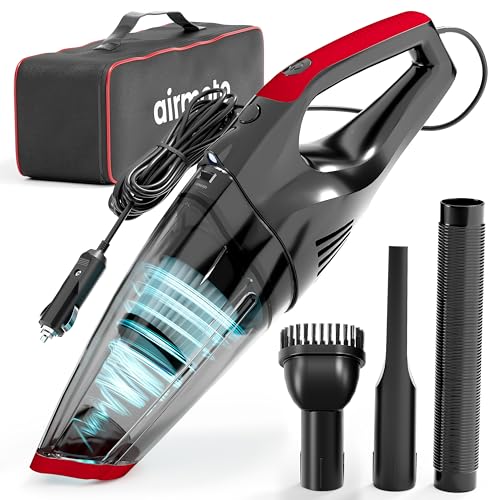
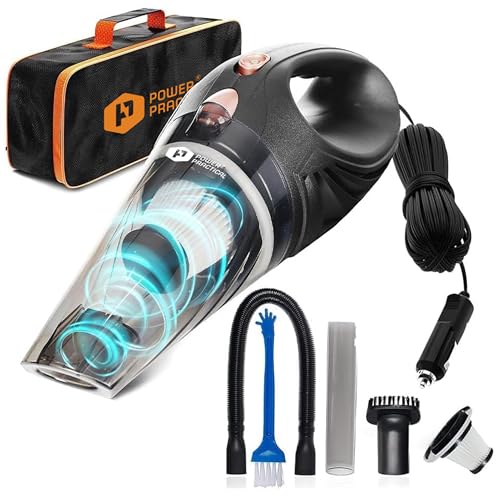
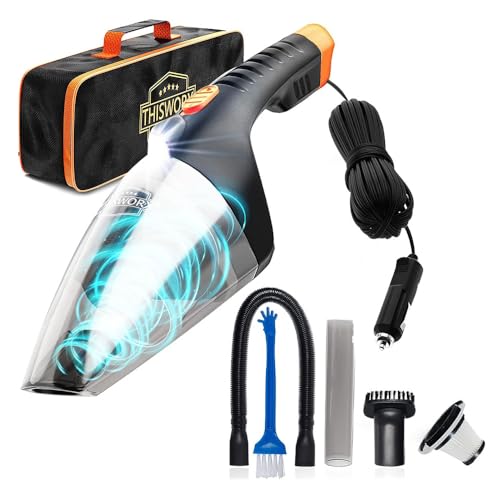
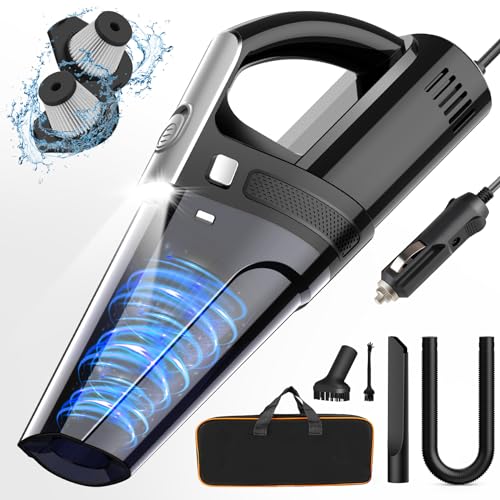
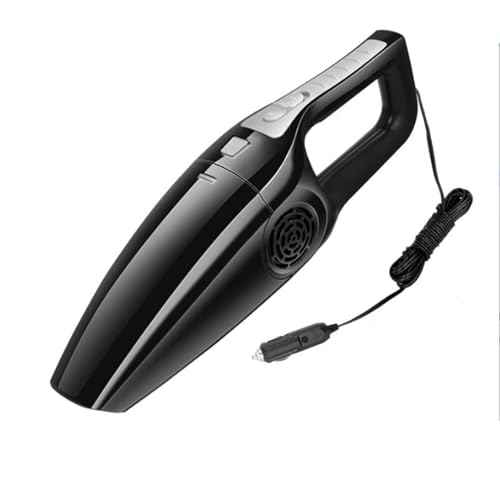

12v Car Vacuum Types at a Glance
All 12v models draw power from the round accessory outlet in your vehicle, so they never need charging. Beyond that, size and purpose split them into three groups. Compact models favor speed and storage. Larger models favor capacity and pickup on mats. Wet and dry models add the ability to pick up small spills along with dry debris.
Three Types to Compare
Compact Models for Quick Cleanups
Compact 12v vacuums store in a trunk corner or a bin under the cargo floor. They suit drivers who clean little and often, picking up crumbs after a snack or dust after a short trip. Suction is modest, so they work best on loose surface debris rather than grit ground deep into carpet. Their small dust cups fill fast, which is fine for a five minute tidy but frustrating during a full interior clean.
Larger Models With Bigger Dust Cups
Larger 12v models trade easy storage for a bigger dust cup and often a longer hose. That capacity matters when you clean all rows at once, because you stop less often to empty the cup. A hose helps you reach under seats and into the gap beside the center console without dragging the whole unit across the upholstery. Expect steady rather than dramatic suction, since power still comes from the vehicle outlet.
Wet and Dry Models for Spills
Wet and dry 12v models can pick up a small drink spill or damp leaves as well as dry crumbs. That flexibility helps families and anyone who hauls gear after rain or snow. The trade off is care. The cup and filter need rinsing and full drying after wet use, or odors can build up. For beach trips, compare our guide to the best car vacuum for sand, since sand needs a filter you can clean often.
How to Evaluate 12v Car Vacuums
Five factors decide whether a 12v vacuum will satisfy you. Compatibility comes first, because outlet location and cord reach can make a model unusable in a long vehicle. Performance comes next, judged by how it lifts grit from mats rather than by a headline suction number. Ease of use covers weight, grip, and how simple the cup is to empty. Durability covers cord strain relief, housing quality, and filter life. Warranty rounds it out.
Who Should Buy a 12v Car Vacuum
Drivers Who Park Away From a Wall Outlet
If you park on the street, in a shared lot, or in a garage without a handy outlet, a 12v model removes the extension cord problem. Your vehicle becomes the power source, so you can clean where you park. Plan around cord reach and outlet position, and run the engine or use accessory mode as your manual directs, so a short clean does not drain the starter battery.
Parents and Pet Owners Who Clean in Small Bursts
Spills and pet hair rarely wait for a planned cleaning day. A 12v vacuum stored in the vehicle lets you handle a mess in the moment, before crumbs get ground in or hair works deep into seat fabric. There is no flat battery surprise when you grab it. Look for a crevice tool for seat gaps and a brush tool that lifts hair without just pushing it around.
Drivers Who Want a Backup That Is Always Ready
Some drivers keep a household or cordless vacuum for big jobs and want a second tool that lives in the car for travel and errands. A 12v model fills that role at low cost, and it tolerates sitting unused for weeks without losing a charge. Prioritize a long cord and a storage bag.
How to Choose the Right Car Vacuum
Type
Corded 12v models give unlimited runtime from the vehicle but tie you to a cord. By contrast, the best handheld car vacuum options are usually cordless, which frees your movement but limits each session to battery life. Wet and dry ability, mini size for storage, and detailing focus are sub choices within the 12v group. Match the type to your most common mess first, and let rare jobs be slower rather than buying for the exception.
Features Worth Paying For
Attachments change results more than small suction gains do. A crevice tool reaches seat rails and door pockets, a brush tool loosens grit on mats, and an extension hose lets the motor stay put while the nozzle moves. That is why shoppers comparing the best car vacuum with attachments often end up happier than shoppers who chase power numbers alone. A HEPA style filter can trap fine dust and pollen. An LED light sounds minor until you clean under a seat at dusk.
Vehicle Compatibility
Check three things before you buy. First, find your accessory outlet and note whether you have one in the front, in the rear, or in the cargo area, since that sets your working radius. Second, measure from the outlet to the farthest point you need to reach, usually a third row or the far corner of the cargo space, and compare it with the stated cord length. Third, confirm the plug fits snugly, because a loose plug can lose power when the cord moves.
Setup and Power Connection
Setup takes under a minute. Insert the plug fully, route the cord through an open door rather than closing the door on it, and keep the cord clear of pedals. Start the vehicle or set accessory power as your manual advises, and move from top surfaces down to the mats so loose debris falls to where you will finish. If you have never worked through an interior in order, our guide on how to use a car vacuum lays out a simple sequence.
Power and Performance
A vehicle outlet supplies limited power, commonly around 100 to 150 watts for the motor, so a 12v model will not match a household vacuum on deep carpet. Judge performance by debris type instead. Loose crumbs need little force. Sand and grit ground into mats need a brush tool, slow passes, and sometimes a second pass from a different angle. A clean filter matters as much as motor rating, because a clogged filter can cut pickup sharply.
Warranty
Warranty terms on small car vacuums are often short, so read what is covered rather than just the length. Look for coverage of the motor and cord, since cord damage near the plug is a common failure point. Keep your receipt and note whether the filter counts as a wear item outside coverage.
How Much Should You Spend?
Budget models under $30 cover basic crumbs and dust for drivers who clean often. Models at about $30 to $50 usually add a longer cord, a bigger cup, and a fuller attachment set, which is the range most buyers should target. Spending toward under $100 can bring wet and dry ability and better filtration, but it cannot break the power ceiling of the vehicle outlet.
12v and Other Car Vacuums Compared: Pros and Cons
The strongest case for 12v is readiness. There is no charging routine, no aging battery pack, and no runtime clock while you work. Cost is also low. The limits are just as clear. The cord restricts movement and can tangle around seats, power tops out well below a household machine, and you must think about battery drain during long sessions with the engine off.
Cordless models remove the cord and work away from the vehicle, but they add charging and higher cost. Readers weighing that trade off can see our black and decker dustbuster review for how a familiar cordless format handles runtime and upkeep. For focused interior work, the best detailing car vacuum category goes further than a basic 12v unit, at higher cost and with more setup.
Common Mistakes to Avoid
- Buying a cord that is too short for your vehicle, so the far row or cargo area stays out of reach.
- Running the vacuum for a long session with the engine off, which can drain the starter battery.
- Judging suction by the motor number alone and ignoring filter condition, airflow, and tool choice.
- Leaving the dust cup full between uses, which cuts pickup and pushes fine dust back into the cabin.
- Closing a door on the cord or yanking the plug out by the cable, which damages the cord near the plug.
- Using a dry only model on a spill, which can harm the motor and trap moisture in the filter.
How to Make Your Car Vacuum Last Longer
Empty the dust cup after each meaningful clean and tap the filter clean over a trash bin. Wash a washable filter only as the manual allows, and let it dry fully before you refit it, because a damp filter clogs fast and strains the motor. Coil the cord loosely without sharp bends, and store the unit out of direct sun, since heat inside a parked car is hard on plastic and cord insulation.
FAQ
Are 12v car vacuums worth it?
Yes, if your main need is frequent small cleanups where you park and you do not want to manage charging. The value case rests on readiness and low price rather than deep cleaning power. Drivers who clean only twice a year and own a good household vacuum with a hose may gain little. For apartment and street parking drivers, the format often earns its storage space quickly.
How long does a 12v car vacuum last?
With basic filter and cord care, many owners get several years of light use from a simple 12v model, because there is no battery pack to wear out. Life usually ends through cord damage, a cracked dust cup, or a motor weakened by repeated use with a clogged filter. Replacing the filter when cleaning no longer restores airflow extends service life more than any other habit.
How do you clean a 12v car vacuum filter?
Remove the filter over a bin and tap off loose dust first, since that restores much of the airflow on its own. If the maker marks the filter as washable, rinse it with plain water, shake off the excess, and air dry it fully, which can take a full day in a humid garage. Never run the vacuum with a damp filter in place. Keep a spare filter if you clean often.
Can a 12v car vacuum pick up pet hair from seats?
It can lift loose hair from smooth fabric, but hair woven into textured upholstery needs help from a brush tool and slow overlapping passes. Work a small area at a time and clean the tool often, because hair mats on the brush and blocks airflow. A lint roller pass after vacuuming catches the fine strands the nozzle leaves behind. Tight woven seats release hair more easily than deep pile inserts.
Will a 12v car vacuum drain a car battery?
A short clean of about 10 to 15 minutes in accessory mode is a small draw, but longer sessions with the engine off can drain an older or weak starter battery. The safer habit is to run the engine during a full interior clean, which also keeps voltage steady for consistent suction. If your battery is already slow to crank on cold mornings, clean only with the engine running.
Final Thoughts
The right choice comes down to reach, attachments, and how often you clean. Measure from your outlet, pick the type that fits your most common mess, and keep the filter clean so the modest power on tap goes to the nozzle. If you compare types in the product table above with those points in mind, the best 12v car vacuum for your vehicle is the one whose cord, cup, and tools match your routine.