
Best Car Vacuums for Car Detailing in 2026: Buying Guide
Disclosure: We may earn a commission when you buy through links on this page, at no extra cost to you. As an Amazon Associate I earn from qualifying purchases. Learn more

Compare the best car vacuum for car detailing by type, attachments, suction and fit for tight interiors.
Detailing the inside of a car is slow, fiddly work. Dust settles into air vents and seat seams, grit hides under floor mats, and crumbs collect in the gap beside the center console where a household vacuum nozzle cannot reach. Finding the best car vacuum for car detailing means looking past headline suction claims and judging reach, attachments, and how long the machine keeps working before it fades.
This guide compares the three main types of detailing vacuum by power source and size, then walks through the features that separate a quick tidy up tool from one that can handle a full interior session. Use the comparison table below to see how the types differ before you read the detailed criteria.


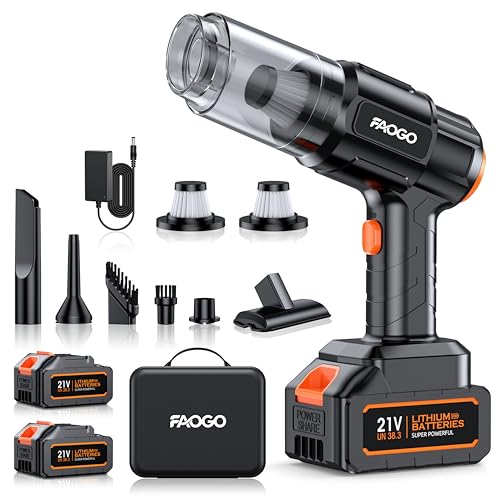
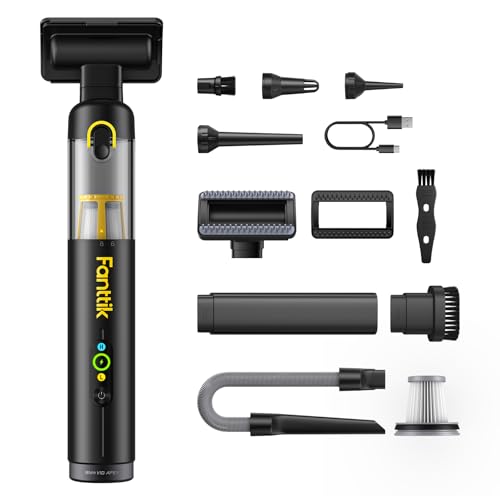

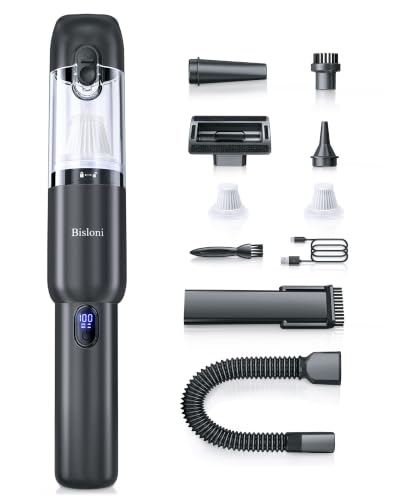

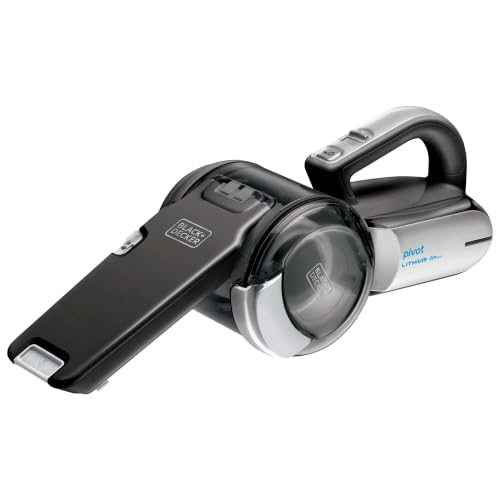
Detailing Vacuum Types at a Glance
Every detailing vacuum falls into one of three broad types, and the right choice mostly depends on where you park and how long your sessions run. Cordless handheld models trade run time for freedom of movement. Corded 12 volt models draw steady power from the vehicle itself. Larger wet and dry models plug into a household outlet and bring the most capacity for garage based work.
- Cordless handheld: best for apartment parking, quick sessions, and cars kept away from an outlet.
- Corded 12 volt: best for long sessions where steady power matters more than freedom to move.
- Wet and dry corded: best for garage detailing, spilled liquids, and heavy grit after trips.
Three Types Worth Comparing for Detailing Work
Cordless Handheld Models for Freedom Around the Cabin
A cordless handheld is the easiest type to live with because you can walk around the car without routing a cable through a door. Most run for about 15 to 30 minutes per charge, which covers a focused session on seats, mats, and the trunk if you work in a planned order. Battery powered suction often dips as the charge falls, so a model that holds power well late in the run suits detailing better than one with a strong first minute. If this type fits your parking setup, our guide to the best handheld car vacuum compares the options in more depth.
Corded 12 Volt Models for Sessions That Run Long
A 12 volt model plugs into the vehicle accessory socket and runs as long as you need, which removes the clock pressure that comes with a battery. The trade is the cord, usually about 12 to 16 feet, and you must confirm it reaches the trunk of a larger vehicle without pulling tight across trim. Run the engine or follow the vehicle maker guidance during long sessions, because a small vacuum can still drain a weak battery over time. Readers who like this steady power approach can compare models in our roundup of the best 12v car vacuum.
Wet and Dry Models for Garage Based Deep Sessions
A compact wet and dry vacuum earns its place when your detailing includes wet mats, spilled drinks, or the sand and grit that collect after beach and trail trips. These models hold far more debris than a handheld, and a long hose lets the canister sit outside the car while you work the nozzle inside. They need a household outlet and more storage space, so they suit a garage or driveway setup. Grit is abrasive and heavy, and our guide to the best car vacuum for sand covers machines built for that load.
How to Judge a Detailing Vacuum Before You Buy
Judge each candidate against five criteria: fit inside your vehicle, suction that stays steady, attachments that match interior surfaces, ease of emptying and cleaning, and warranty support. Base your judgment on maker specifications for run time, cord length, dust cup size, and weight, and treat run time figures as best case numbers measured with no attachment fitted. Choosing the best car vacuum for car detailing is mostly about matching those five criteria to your parking, your vehicle size, and your patience for mid session stops.
How to Choose the Right Car Vacuum for Car Detailing
Type Follows Your Parking and Power Access
Start with one practical question: where will the vacuum get its power while you work? A private garage with an outlet opens every option, including larger corded models. Street or shared lot parking usually points to a cordless handheld you can charge indoors. A driveway without an outdoor outlet often suits a 12 volt model, since the vehicle supplies the power. Answering this honestly narrows the field faster than any suction figure.
Features Worth Paying For
Attachments matter more for detailing than for general car cleaning. A slim crevice tool reaches seat rails and the space beside the console, a soft brush lifts dust from vents and textured trim without scratching, and a short extension hose lets you angle the nozzle under seats. A HEPA filter helps trap fine dust so it does not blow back into the cabin, and a small LED light reveals debris in footwells. Our guide to the best car vacuum with attachments shows which kits cover all of these jobs.
Vehicle Compatibility Goes Beyond the Plug
Check three fit points before you buy. First, confirm the plug or charger suits your vehicle and home outlets. Second, picture the body of the vacuum moving through your cabin, because a bulky unit that cannot pass between the front seats and the console will slow every session. Third, check the dust cup size against your typical mess, since a small cup in a family vehicle with child seats and pet passengers means repeated emptying trips to the bin.
Setup and Power Access
Setup is simple but worth planning. Charge a cordless model fully before a session rather than topping it up for a few minutes, because partial charges shorten your working window. For a 12 volt model, route the cord through the door closest to the area you are cleaning so it does not drag across freshly wiped trim. Keep attachments in a small caddy in the trunk so the full kit travels with the car.
Power and Performance in Detailing Terms
For detailing, steady suction beats a brief peak. What matters is whether the machine still lifts grit from carpet pile in the last third of the session and whether airflow holds when a narrow crevice tool is fitted, because slim nozzles restrict airflow on weak motors. Weight plays a quiet role too. A lighter body is easier to hold at odd angles under a dashboard, while a heavier unit tires your wrist during slow, careful passes along seams and stitching.
Warranty and Support
Look for at least a one year warranty and a maker that sells replacement filters and batteries separately, because those parts decide how long the vacuum stays useful. Before settling on a familiar handheld name, a focused black and decker dustbuster review shows how filter costs and battery replacement work for one long running line, and the same questions are worth asking of any brand you consider.
How Much Should You Spend?
Basic handheld models sell for around $30 and handle crumbs and light dust, but expect short run times and small dust cups. The middle ground, about $50 to $90, brings stronger motors, fuller attachment kits, and better filtration, and it suits most owners who detail monthly. Spending about $90 to $150 buys longer run time, larger capacity, or a compact wet and dry machine for the garage. Pay for the tier that matches your session length rather than the longest feature list.
What Matters Most in a Car Vacuum for Car Detailing
Detailing differs from a quick clean in one way: the dirt you are chasing sits in seams, vents, stitching, and textured plastic, not in open floor space. That is why nozzle shape and brush quality decide your results more than raw power figures. Work from the top of the cabin downward so loose dust falls onto surfaces you have not cleaned yet, and move mats out of the car before you start on the carpet beneath them. If you want a full walkthrough of that order, our article on how to use a car vacuum lays out the sequence step by step.
A household vacuum with a hose can stand in for occasional deep cleans, but it struggles with the tight angles inside a car and ties you to an outlet. A canister shop machine offers power yet is clumsy around a cabin. A dedicated car vacuum sits between those extremes, small enough to maneuver and built around the nozzles interior work demands, which is why most regular detailers end up owning one.
FAQ
What is the best car vacuum for car detailing?
For most owners, a cordless handheld with a full attachment kit is the most practical answer, because it moves freely and stores easily. One check many buyers skip is storage fit: confirm the body and its attachments fit the spot you plan to keep them, such as a trunk corner or a garage shelf. A vacuum that lives where you park gets used far more often than a stronger one stored far from the car.
What should I look for in a car vacuum for car detailing?
Look first at the seal between the dust cup and the filter housing. A poor seal leaks fine dust and quietly cuts suction, and you can spot weak designs when owner feedback mentions dust escaping around the cup rim. After that, weigh attachment range, steady suction, and cup size for your vehicle. These details matter more than extra charging docks or storage bags, which add cost without improving a single cleaning pass.
How long does a car vacuum last?
The body of a car vacuum often lasts for years, while the battery pack is usually the first part to fade, gradually holding less charge after a couple of years of regular use. You can extend battery life by storing the vacuum indoors rather than in a hot trunk, since heat slowly damages battery cells. Models with replaceable packs last longest overall, because swapping one pack refreshes the machine without replacing everything.
Is a car vacuum worth it?
It is worth it if you clean the interior at least once a month or carry passengers, pets, or sports gear often. Compare the cost with repeated trips to a coin operated station vacuum, plus the driving time each trip takes. A home unit also lets you clean a spill or a muddy footwell the moment it happens, before stains and odors set into carpet and fabric, and that timing alone justifies the purchase for many owners.
How do you clean a car vacuum?
Empty the dust cup after each detailing session, ideally outdoors, and tap the filter gently against the inside of a bin to shake loose the fine dust it holds. Wash the filter only if the maker marks it as washable, and let it dry fully before refitting it, because a damp filter clogs fast and can smell. Wipe the nozzle and brush attachment as well, since hair wraps around brush bristles and slowly blocks airflow.
Final Thoughts
Match the type to your parking first, then judge attachments, steady suction, and dust cup size against the way you actually detail. The product table above pulls those differences together so you can compare types side by side. Chosen that way, the best car vacuum for car detailing is simply the one that reaches every seam in your cabin and still has power left when you reach the trunk.


