
Best Car Thermostat Brand: Who Makes the Most Reliable Models for 2026
Disclosure: We may earn a commission when you buy through links on this page, at no extra cost to you. As an Amazon Associate I earn from qualifying purchases. Learn more

Compare the best car thermostat brand side by side: who leads on quality, who offers the best value, and which brand fits your needs and budget.
A thermostat is a small part with an outsized job, because it decides when coolant flows and how steadily your engine holds its working temperature. With so many brands on the shelf, choosing the best car thermostat brand can feel harder than the part deserves. This guide compares brands by the criteria that actually predict reliability, so you can buy once and trust the result.
Brand matters here more than with many parts, because a thermostat that opens late, opens early, or sticks can cause overheating or poor fuel economy. Use the comparison table below as a shortlist, then judge each brand below by temperature accuracy, build quality, warranty, and support.


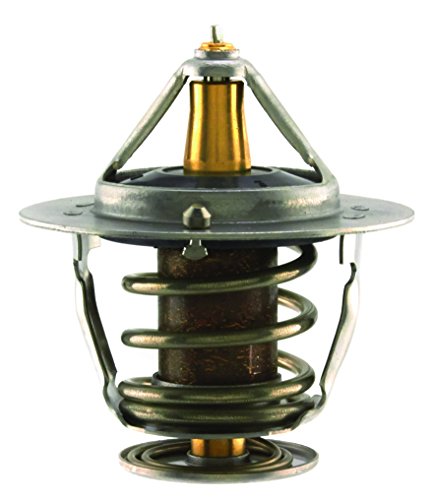
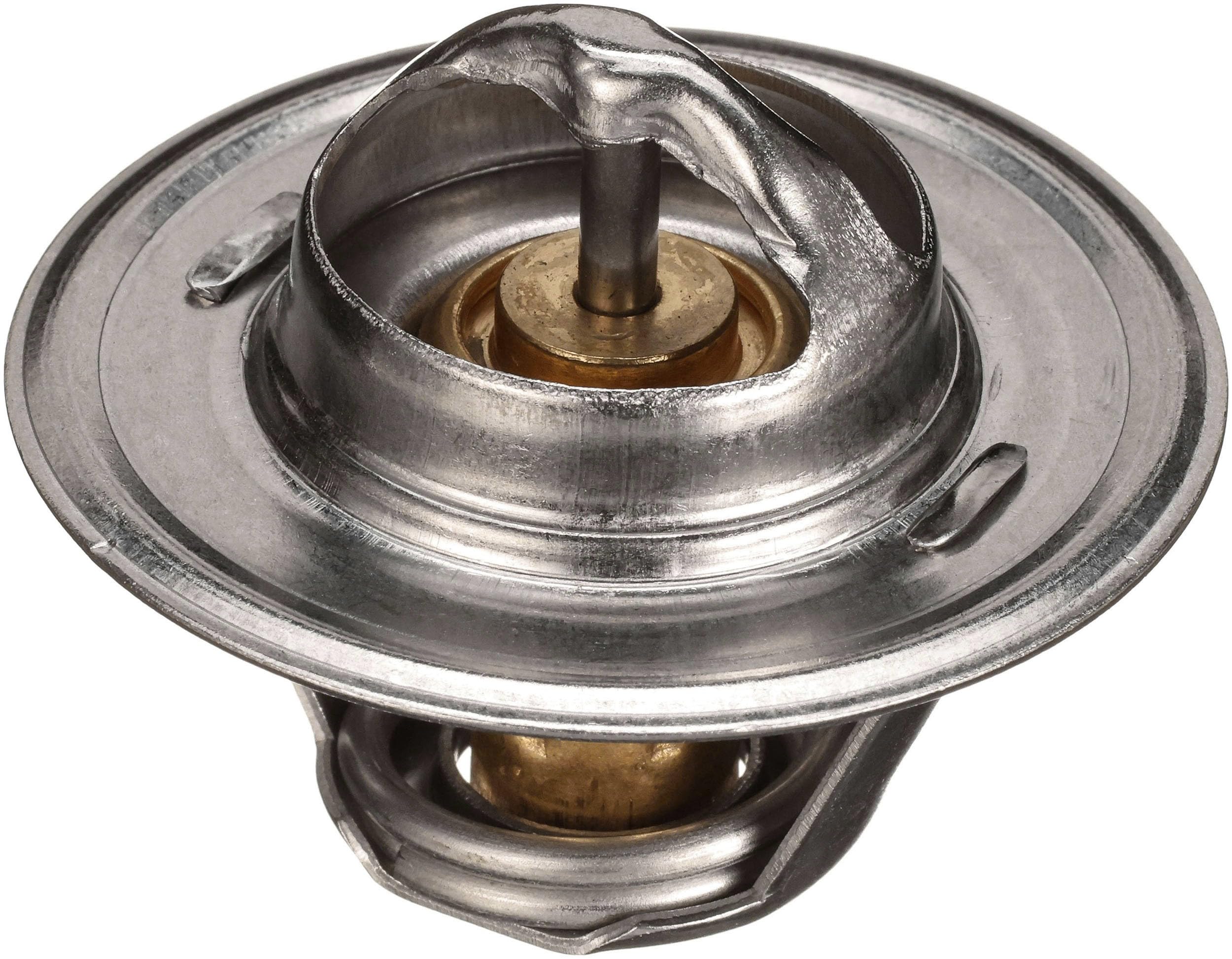


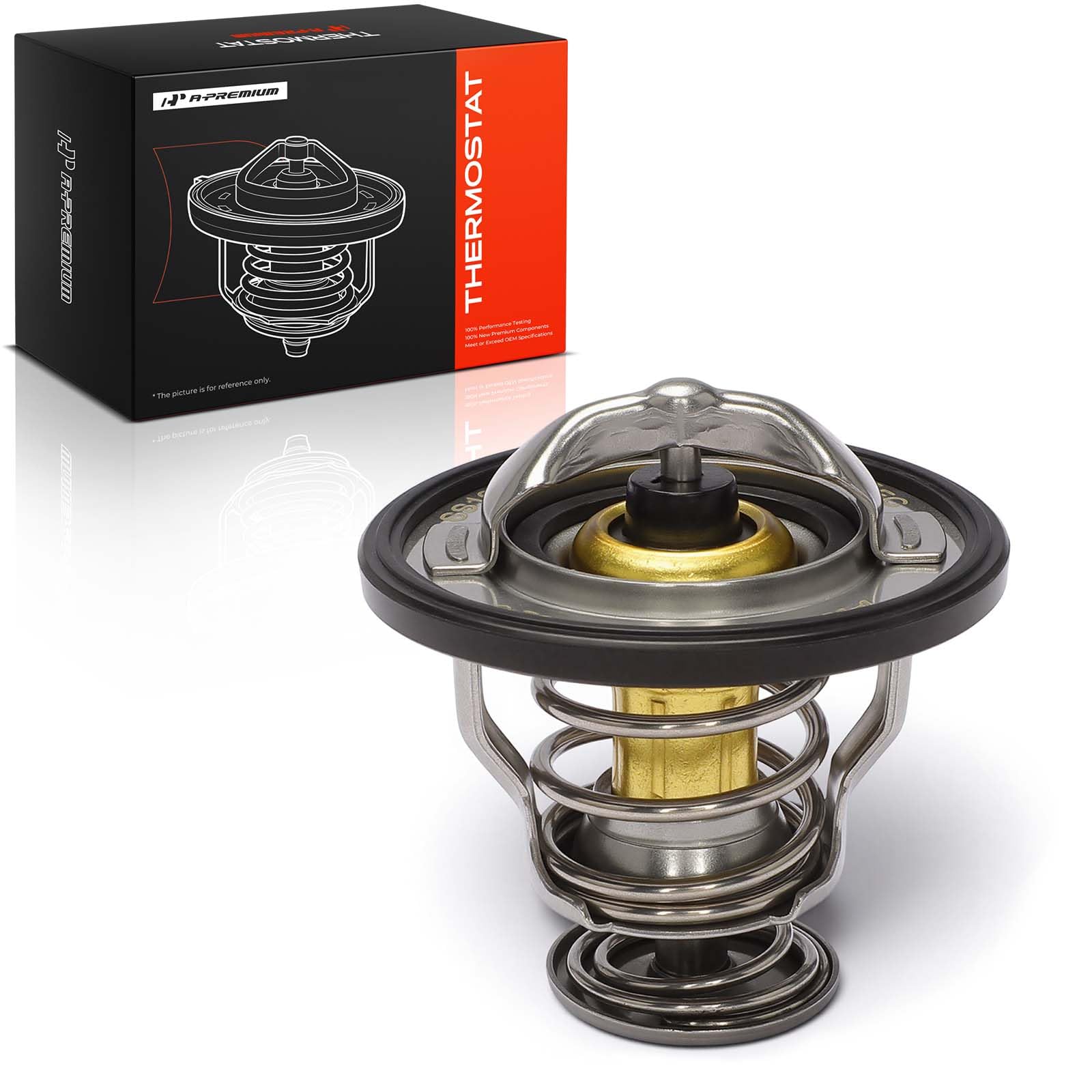
What Makes a Great Car Thermostat Brand?
A great thermostat brand earns its reputation in the least glamorous way possible: its parts open at the stated temperature, seal properly, and keep doing so for years. The criteria below separate brands that invest in that consistency from brands that compete only on price.
Accuracy of Opening Temperature
The single most important brand trait is calibration. A thermostat rated at a given temperature, commonly around 180 to 195 degrees Fahrenheit for many vehicles, should begin opening at that point and open fully a little above it. Brands with tight quality control hold that tolerance across every batch, while loose control produces parts that drift several degrees either way. Drift sounds minor, yet a few degrees early keeps an engine running cool and inefficient, and a few degrees late pushes cooling margins on hot days and steep grades.
Build Quality and Materials
Look for stainless steel or quality brass and steel construction, a strong spring, and a jiggle valve or bleed feature where the vehicle design calls for one. The wax pellet motor inside the thermostat does the real work, and brands differ in how well that element survives heat cycles. Seals matter too: a brand that supplies a correct, well made gasket with the part reduces leak risk and saves a second trip to the store. Thin stampings and vague packaging are early signs of corner cutting.
Warranty, Support, and Parts Availability
Because a thermostat is cheap but the labor to reach it often is not, warranty and availability carry real weight. Strong brands back their parts for at least a year, publish clear fitment data, and stock replacements in most parts stores so a warranty claim does not strand your vehicle. Good catalogs that distinguish engine variants matter as well, because many models use different temperatures by engine. If you are still deciding which part specification you need before comparing brands, start with our guide to the best car thermostat for the basics of temperature ratings and fitment.
Top Brands at a Glance
Thermostat brands fall into recognizable groups, and knowing the groups makes individual listings easier to judge. Premium original equipment suppliers sell parts built to the same standards as the units fitted at the factory. Established aftermarket specialists focus on thermostats and cooling parts, with wide catalogs and consistent calibration. Value brands compete on price and availability, with quality that varies more from part to part. Store house brands sit between those poles and depend heavily on which manufacturer supplies them in a given year.
Original Equipment Suppliers
Brands that supply vehicle factories build thermostats to the exact specification the engine was tuned around, including opening temperature, flow rate, and housing dimensions. That precision is their main strength, and it makes them the safest choice for newer vehicles and for engines known to be sensitive to temperature. The trade off is price: these parts usually cost the most, and catalogs can require care because the same model may list several factory temperatures by engine code. For a part this critical and this inexpensive in absolute terms, many owners judge the premium worth paying.
Established Aftermarket Specialists
Cooling system specialists with long histories in the aftermarket offer the best balance for most drivers. Their thermostats typically include the correct gasket, clear temperature markings, and design touches such as fail safe mechanisms that lock open rather than closed if the element fails, which protects against sudden overheating. Coverage spans older and less common vehicles that factory catalogs sometimes neglect. Prices land in the middle of the range, and availability through national parts chains makes these brands easy to source and easy to warranty.
Value Oriented Brands
Value brands serve tight budgets and older vehicles where ultimate precision matters less than getting back on the road. The best of them produce perfectly serviceable thermostats, but batch consistency is the known weakness, so a part may open a few degrees off its rating. If you choose this route, buy from a seller with an easy return policy and test the part in heated water with a thermometer before installation when you can. That simple check converts a gamble into a verified part for a few minutes of effort.
Performance Oriented Brands
Performance brands sell thermostats with lower opening temperatures aimed at modified engines and hot climates. They can suit a tuned vehicle whose cooling system was designed around that change, but a cooler thermostat is not an upgrade for a standard engine. Fitting one to a stock vehicle can delay warm up, reduce heater output, increase engine wear, and set warning lights on modern cars. Treat this group as a specialist tool rather than a default choice, and follow the vehicle maker specification unless a qualified builder advises otherwise. Drivers researching brand trust across maintenance parts may also find our comparison of the best car battery brands useful, because the same habits of checking warranty and support apply there.
How to Choose Between Brands
The specific part matters more than the badge on the box, so start with the exact temperature and design your vehicle manual specifies, then choose the strongest brand that offers that exact part. Read recent owner reports for your vehicle rather than generic praise, because fitment quirks are model specific. Weigh total cost honestly: a modest saving is poor value if a failure means paying labor twice. Finally, buy the matching gasket or seal from the same brand when possible, because matched parts reduce leak risk. If you want a wider view of how brand reputations compare beyond the car specific case, our overview of the best thermostat brand options adds useful background, and our notes on the best thermostat brand auto suppliers cover factory fit choices in more depth.
One safety note applies to every brand choice. Never open a radiator or coolant reservoir cap while the engine is hot, because pressurized coolant can erupt and cause serious burns. If your temperature gauge climbs into the red, the heater suddenly blows cold, or you see steam, stop driving and let the engine cool fully before checking anything. Repeated overheating can warp engine parts quickly, so treat those signs as a prompt for a qualified mechanic rather than a reason to keep driving and hope.
Frequently Asked Questions
How long does a car thermostat from a good brand last?
A quality car thermostat commonly lasts eight to ten years or around 100,000 miles, though many owners replace it preventively with the coolant or water pump service. Life shortens when coolant stays old and corrosive, because deposits attack the moving parts. If your vehicle is already apart for cooling work, a fresh thermostat from a trusted brand is inexpensive insurance.
What temperature thermostat does my car need?
Your car needs the temperature printed in the vehicle manual or listed for your exact engine in a reliable catalog, often around 180 to 195 degrees Fahrenheit. That rating is part of the engine tuning, affecting fuel delivery, emissions, and cabin heat. Fitting a colder or hotter part to fix a cooling problem hides the real fault and can create new ones, so match the specification exactly.
Can a poor quality thermostat brand damage my engine?
Yes, a thermostat that sticks closed can overheat an engine within minutes, and severe overheating can warp a cylinder head or damage gaskets. A part stuck open is less dramatic but increases wear and fuel use over time. This risk is exactly why brand consistency matters more than small price differences, and why any overheating episode deserves prompt attention from a qualified mechanic.
Do car thermostats really work as described?
Yes, a car thermostat is a simple and proven valve that blocks coolant flow to the radiator until the engine warms, then opens gradually to hold a steady temperature. You can watch one work by placing it in water you heat slowly with a thermometer nearby. If a part opens far from its stamped rating in that test, return it rather than installing it.
Should I choose an original equipment or aftermarket thermostat brand?
Choose original equipment if your vehicle is newer, under warranty, or known for temperature sensitivity, because the match to factory tuning is closest. Choose a respected aftermarket specialist if you want strong value and wide availability for an older vehicle. Either route serves you well when the temperature rating and gasket are correct, so condition and specification should outrank brand loyalty alone.
Wrapping Up
Judge brands by calibration accuracy, materials, warranty, and the depth of their fitment data, and always match the exact temperature your engine was designed for. The product table above gathers dependable options so you can compare them on those terms. Pick the best car thermostat brand for your vehicle with that discipline, install it with fresh coolant and a new gasket, and your engine will hold its temperature calmly for years. When in doubt about symptoms or fitment, talk with a qualified mechanic about your specific vehicle before you drive on a warning sign.


