
Best Car Thermostat 2026: How to Match One to Your Car
Disclosure: We may earn a commission when you buy through links on this page, at no extra cost to you. As an Amazon Associate I earn from qualifying purchases. Learn more

Learn how to choose a car thermostat for steady engine temperature. Compare temperature ratings, fit, failure symptoms, and install tips here.
Picking the best car thermostat matters more than its small size suggests, because it controls how fast your engine warms up and how steady it stays. A thermostat that sticks open leaves the engine too cool, while one that sticks closed can overheat it quickly. The right choice depends on your car model, your climate, and whether you want an original spec part or an upgraded design. The comparison table below shows the main thermostat types side by side.
Car thermostats open at a set temperature to let coolant flow to the radiator, then close again as the engine cools. That simple cycle affects fuel use, heater output, and engine wear over time. This guide explains temperature ratings, failure signs, fit, and install basics in plain terms. Check the product table below when you want a quick recap of the types.


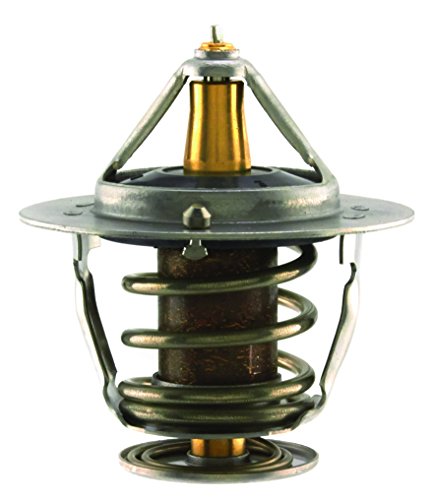
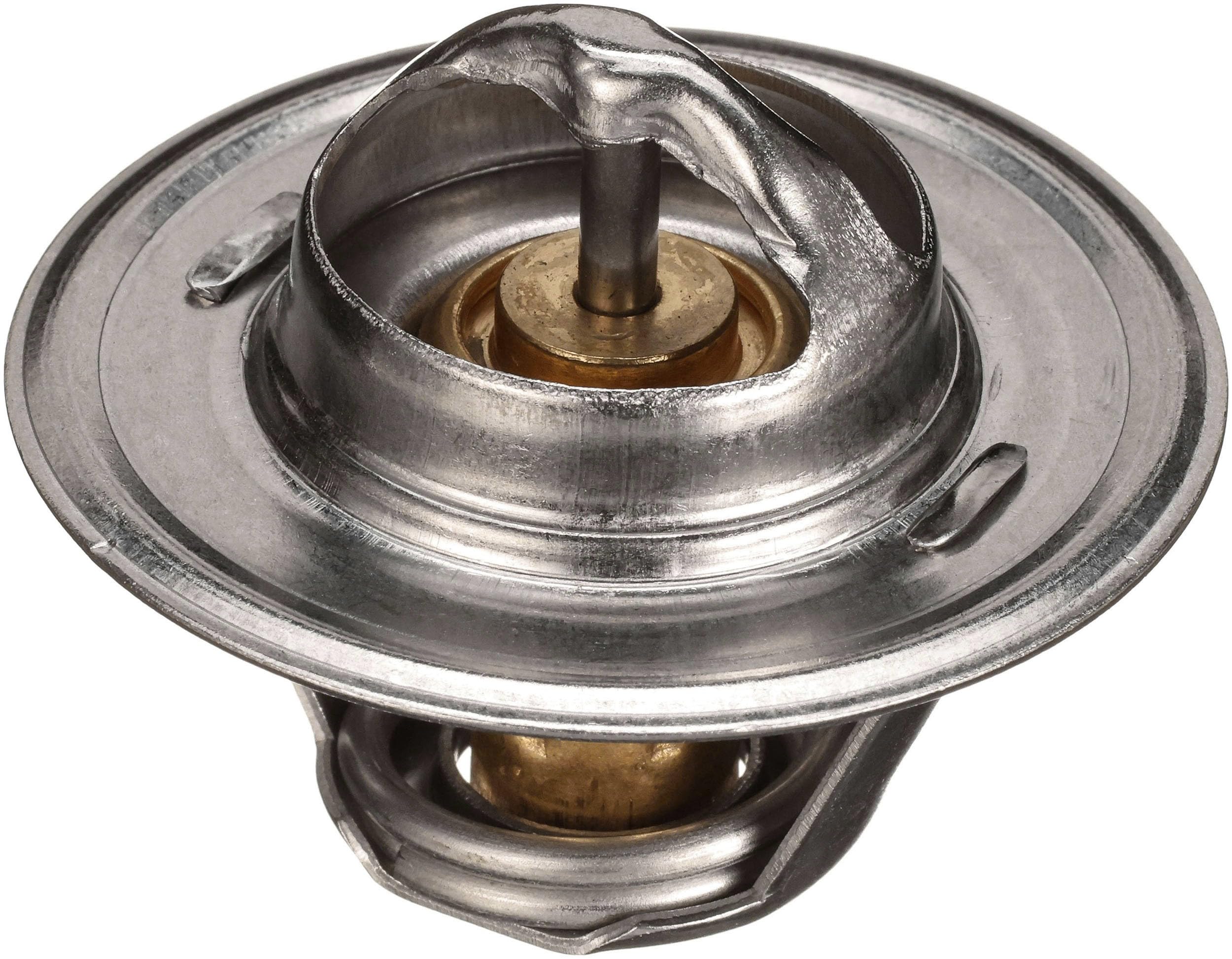


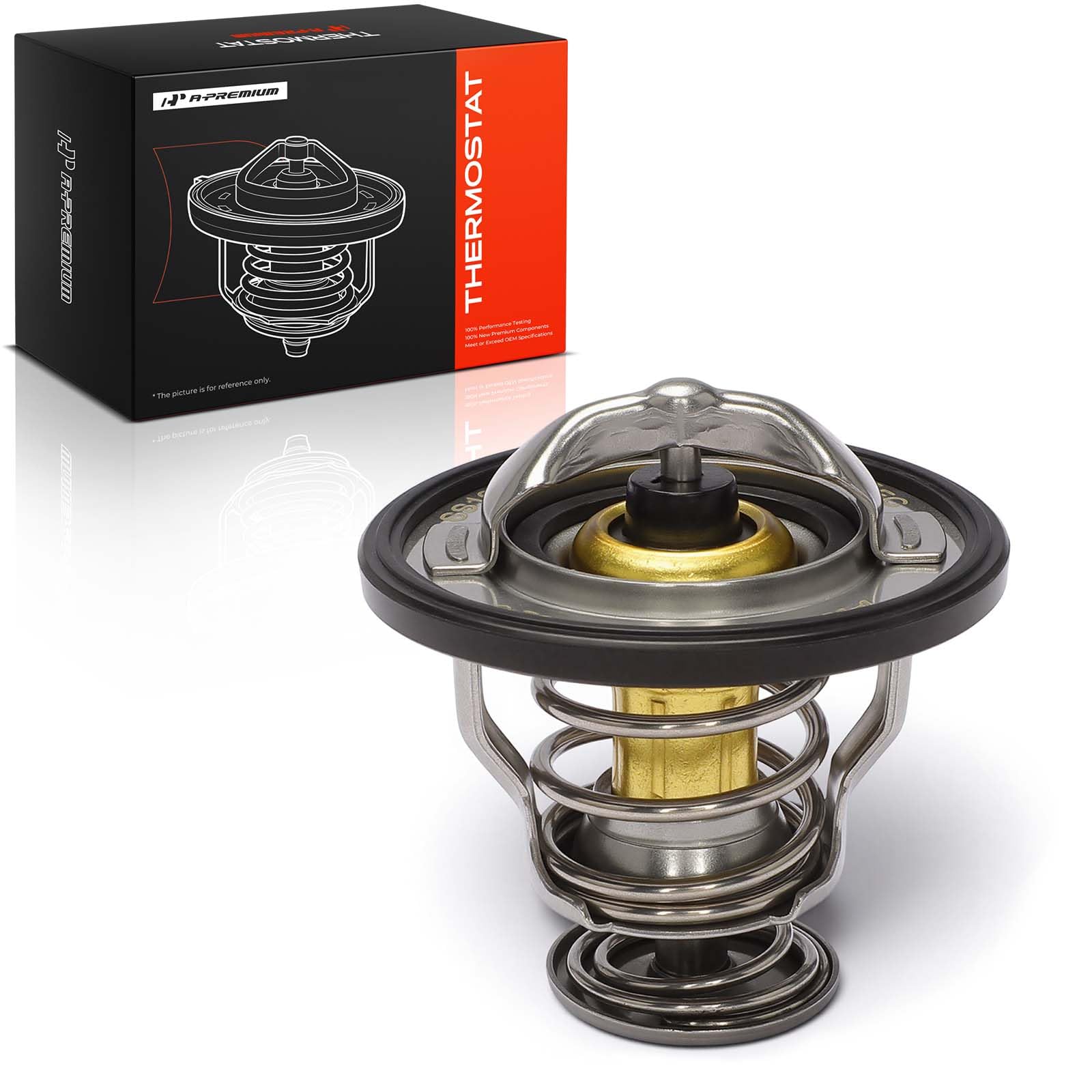
How a Car Thermostat Works
A car thermostat sits between the engine and the radiator and blocks coolant flow while the engine warms up. Once coolant reaches the rated temperature, a wax element expands and opens a valve to the radiator. As coolant cools, the valve closes again, keeping the engine near its designed operating temperature. This cycle repeats constantly during driving, which is why a slow or sticky thermostat causes steady problems rather than a single fault.
Engine temperature affects more than the gauge reading, since cold engines use more fuel and wear faster, while hot engines risk damage to gaskets and heads. A working thermostat helps the heater warm the cabin quickly in winter and keeps summer temperatures stable in traffic. If your temperature gauge moves oddly or the heater stays lukewarm, the thermostat is a common first suspect. Always check coolant level and fan operation too, since those faults can mimic thermostat trouble.
Temperature Ratings and Fit
Thermostats carry a rated opening temperature, often around 82 to 92 degrees Celsius depending on the engine design. Use the rating specified for your exact engine, since a cooler thermostat can delay warm up and raise fuel use, while a hotter one can push an older cooling system too far. Performance thermostats with lower ratings suit some modified engines, but they need matching cooling capacity to help rather than hinder. For most road cars, the factory rating is the safest choice.
Fit depends on engine code, housing shape, and gasket type, so match parts by vehicle details rather than by size alone. Some thermostats come as a bare valve, while others arrive as a full housing assembly with sensors. A housing assembly costs more but saves time and reduces leak risk on engines where the housing cracks with age. Check whether a new gasket or seal is included, since reusing an old seal often causes slow leaks.
Signs of a Failing Thermostat
A thermostat stuck open keeps the engine cool, so the gauge stays low, the heater blows lukewarm air, and fuel use rises. A thermostat stuck closed blocks radiator flow, so temperature climbs fast, especially in traffic or on hills. Erratic gauge movement can also point to a thermostat opening late or only partly. Note when symptoms appear, since cold start behavior differs from hot traffic behavior and helps a mechanic diagnose faster.
Other cooling faults can look similar, so check the basics before replacing parts. Low coolant, a slipping fan belt, a failed fan, or a blocked radiator can all cause overheating. A coolant leak near the housing may point to a seal rather than the valve itself. If you are unsure, a workshop can test temperature behavior and pressure before you spend on parts that may not fix the cause.
Install Basics and Professional Help
Thermostat replacement involves draining some coolant, removing the housing, fitting the new valve with the correct orientation, and refilling and bleeding the system. Orientation matters, since many thermostats include a small jiggle valve that must sit at the top to release trapped air. Air left in the system can cause hot spots and false gauge readings, so bleeding matters as much as the part itself. Keep coolant off paint and skin, and dispose of old coolant safely since it is toxic to pets and wildlife.
Many owners leave this job to a workshop, especially on engines where the housing sits in a tight spot. Labour cost varies with access, and a housing assembly may add parts cost but reduce time. Ask whether the quote includes fresh coolant, a new seal, and a bleed and test drive. A professional job also gives a chance to inspect hoses, the water pump area, and the radiator for related wear while the system is open.
Costs, Brands, and Long Term Care
Thermostat parts range from about $10 to $80 for a valve alone, with housing assemblies costing more depending on the model. Labour adds to the total, especially where access is poor, so get a full quote rather than a parts price alone. Original spec parts suit most cars, while reputable aftermarket brands offer good value when they match the factory rating and fit. Avoid unknown parts with vague temperature ratings, since a wrong rating causes steady trouble.
Long term care is simple: keep coolant fresh to the maker schedule, fix small leaks early, and watch the temperature gauge for changes. Old coolant can corrode thermostat parts and housings, while neglected leaks lower coolant level and strain the system. Replace the thermostat during major cooling work if it is old, since access is already open and the part is cheap relative to labour. The product table above can help you compare the main types once more before you choose.
A Final Check Before You Order
Before ordering, confirm the factory temperature rating for your exact engine code, since a wrong rating causes steady trouble. Check whether you need a bare valve or a full housing assembly, and whether a new gasket or seal is included. A housing assembly costs more but saves time on engines where old housings crack. Matching parts by vehicle details beats matching by size alone.
Ask for a full quote if a workshop fits the part, covering fresh coolant, a new seal, bleeding, and a test drive. Bleeding matters as much as fitting, since trapped air causes hot spots and false gauge readings. After fitting, watch the gauge over several drives, checking warm up speed and stability in traffic. A steady gauge and a warm heater confirm the job worked as intended.
Keep coolant fresh to the maker schedule and fix small leaks early, since old coolant corrodes thermostat parts and low levels strain the system. Note any gauge changes promptly, since early attention prevents bigger cooling damage. If you replace other cooling parts later, consider replacing an old thermostat at the same time while access is open. Small preventive habits protect a system that is cheap to maintain and costly to repair.
Frequently Asked Questions
What does a car thermostat do?
A car thermostat controls coolant flow between the engine and the radiator to hold a steady operating temperature. It stays closed while the engine warms up, then opens at its rated temperature to release hot coolant to the radiator. As coolant cools, it closes again, repeating the cycle during driving. This control affects fuel use, heater output, and engine wear, which is why a faulty thermostat causes steady problems.
How do I know if my car thermostat has failed?
A thermostat stuck open leaves the gauge low, the heater lukewarm, and fuel use higher than usual. A thermostat stuck closed makes temperature climb fast, especially in traffic or on hills. Erratic gauge movement can also point to a slow or partial opening valve. Check coolant level, fan operation, and leaks too, since those faults can mimic thermostat trouble and need different fixes.
Can I use a different temperature thermostat?
You should use the factory rated temperature for your exact engine in most cases, since it matches the cooling system design. A cooler thermostat delays warm up and can raise fuel use, while a hotter one can strain an older system. Lower rated performance thermostats suit some modified engines with upgraded cooling, but they need matching capacity. If unsure, choose the factory rating for your engine code.
Is thermostat replacement a DIY job?
Thermostat replacement can be a DIY job on engines with easy housing access, but it needs care with coolant draining, valve orientation, and system bleeding. Air left in the system causes hot spots and false readings, so bleeding matters as much as fitting the part. Tight or buried housings make professional help worthwhile, and a workshop can inspect hoses and related parts at the same time. Keep old coolant away from pets, since it is toxic.
How much does car thermostat replacement cost?
Parts alone range from about $10 to $80 for a valve, with housing assemblies costing more by model. Labour depends on housing access and can exceed the parts cost on tight engines. A full quote should include fresh coolant, a new seal, bleeding, and a test drive. Replacing an old thermostat during other cooling work often saves labour, since access is already open.
Final Thoughts
Choose the factory temperature rating for your exact engine, confirm housing and gasket fit, and treat bleeding and fresh coolant as part of the job. Watch for stuck open and stuck closed symptoms, and check coolant level and fans before assuming the thermostat alone is at fault. A small part fitted correctly keeps temperature steady, heaters warm, and fuel use normal.
The product table above sums up the main types, so compare them once more before ordering. With the right rating and a careful install, the best car thermostat is simply the one that holds your engine at the temperature its makers intended.
Related Buying Guides
For a closely related choice, see our guide to best car thermostat brand.


