
The Best 6x9 Speakers for Stock Head Unit: Buying Guide and How to Choose for 2026
Disclosure: We may earn a commission when you buy through links on this page, at no extra cost to you. As an Amazon Associate I earn from qualifying purchases. Learn more

Learn how to choose the best 6x9 speakers for stock head unit setups, with guidance on sensitivity, low power needs, exact fit, materials, and sound tuning.
Most speaker upgrades fail for one quiet reason: the new speakers need more power than the factory radio can give, so they sound thinner than the speakers they replaced. Choosing the best 6x9 speakers for stock head unit setups means reversing the usual shopping order. Sensitivity and low power performance come first, and maximum watt claims come last, because your head unit will only ever send a small, fixed amount of power.
This guide shows which specifications predict good sound on factory power, what each price level should deliver, and when an amplifier is genuinely worth adding later. Compare your short list with the comparison table below as you read.


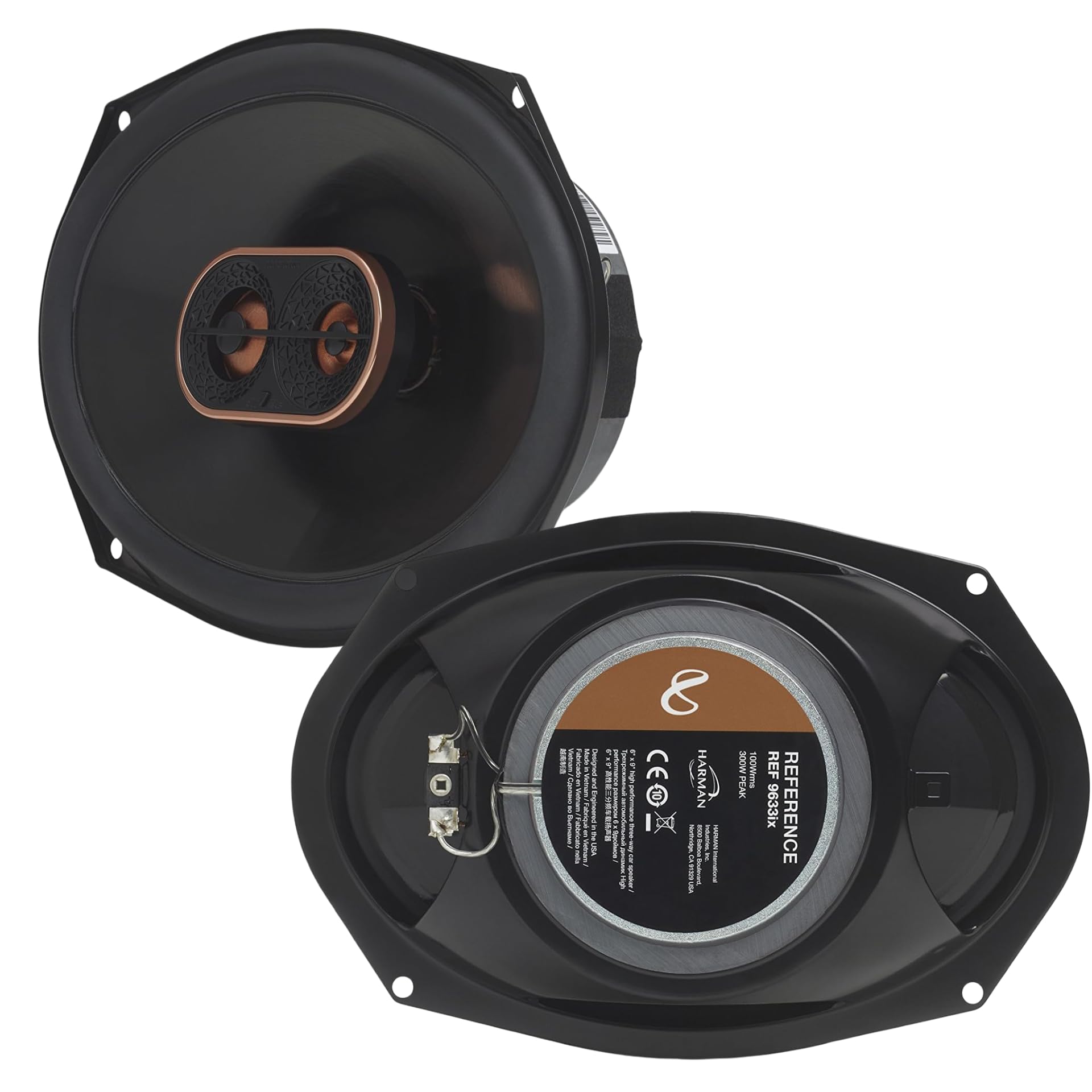


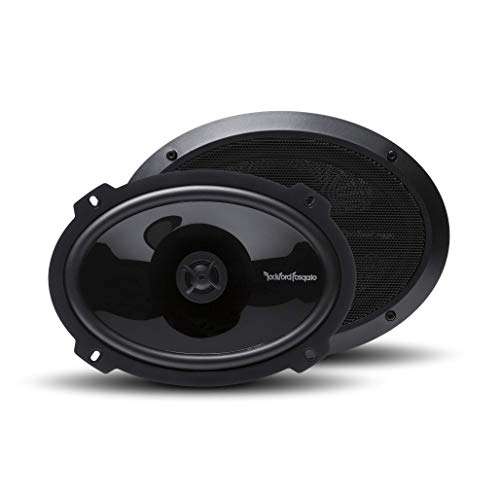
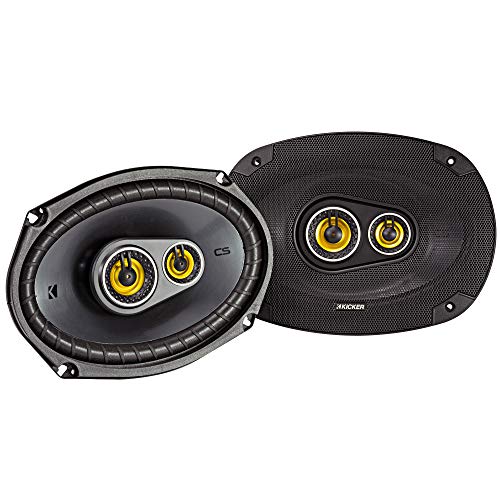
Three Ways to Buy on Factory Power
Best Overall Tier
The strongest stock friendly sets, around $120 to $200, pair very high sensitivity with quality materials like silk dome tweeters and rubber surrounds. They play clearly at the low watt levels a factory radio produces, and they still reward a future amplifier. This tier suits drivers who plan to keep the car for years and want one purchase that survives later upgrades. The limitation is price, and the gains over the value tier are mostly refinement and lifespan rather than raw volume. If your budget allows one careful purchase, this is the tier to aim for.
Best Value Tier
Value sets, around $70 to $120, are the sweet spot for most factory systems. Expect sensitivity near or above 90 decibels, honest RMS ratings in a range your radio can feed, and cones that resist door moisture. Sound is a clear step up from worn factory speakers, with cleaner vocals and tighter bass at normal volume. What you give up is some treble smoothness and some bass weight at high volume. For a daily driver with no amplifier plans, this tier delivers nearly all the real world benefit for the least money.
Best Premium Tier
Premium sets, around $200 to $350, add better crossovers, lighter and stiffer cones, and tweeters with a wider, smoother response. On factory power alone the advantage is smaller than the price gap suggests, because the head unit still limits total volume and bass. This tier makes sense when an amplifier is already planned, since the same speakers will open up once they receive real power. Buying premium without that plan is the most common overspend in this category. Treat it as a system decision, not a speaker decision.
How to Choose the Best 6x9 Speakers: Buying Guide
Features That Matter for Stock Head Unit Use
A stock head unit typically sends about 10 to 20 watts RMS per channel, whatever the box of a speaker may promise about peak power. That single fact drives every choice in this guide. You need a speaker that converts those few watts into sound efficiently and stays composed at the modest volumes a factory system reaches. Shoppers comparing the broader category will find our overview of the best speakers for stock head unit systems a helpful starting point, since the same power logic applies to every speaker size in the car.
Sensitivity and RMS Ratings
Sensitivity, measured in decibels at one watt, is the most important number on the page for this purchase. A speaker rated at 92 decibels plays about as loud on 10 watts as an 89 decibel speaker plays on 20 watts, and your radio may not have those extra watts to give. Aim for 90 decibels or higher. Then check RMS handling, where a range starting low, such as 2 to 50 watts, signals a speaker designed to work on small power. Ignore peak watt figures completely, because they describe a split second burst, not music.
Sound Quality and Tuning
Factory radios often boost bass and treble in ways you cannot fully undo, so a neutral speaker usually beats a bright one in this role. Silk or soft dome tweeters forgive poor recordings and factory tuning, while metal domes can turn harsh. Look for a frequency response that reaches near 50Hz if you want fuller bass without a subwoofer. Drivers chasing outright clarity across sizes often compare notes with our guide to the best sounding 6x9 speakers, where tuning differences between tweeter materials are covered in depth.
Fit and Mounting Depth
A 6x9 opening is common in rear decks and some doors, but depth, bolt pattern, and tweeter height still vary by car. Measure the space behind the panel and confirm the new tweeter will clear the factory grille, because a tweeter pressed against a grille buzzes and can be damaged. Many cars need a harness adapter, which is worth buying, since it lets you avoid cutting factory wires. Our related guide to the best car speakers for stock head unit setups lists the fit checks that apply across door and deck locations.
Materials and Durability
Rear deck speakers bake in the sun and door speakers live with rain runoff, so materials decide lifespan. Polypropylene cones, rubber surrounds, and treated spiders handle heat and moisture far better than paper cones and foam surrounds. A rigid basket keeps the voice coil aligned at higher excursion. Terminals should feel firm and accept your adapters without force. These details rarely appear in headline marketing, yet they are the difference between a speaker that sounds good for eight years and one that buzzes by year three.
When an Amplifier Still Makes Sense
An amplifier is an upgrade path, not a requirement, and a good stock friendly speaker leaves that door open. Add one when you want firm bass at highway volume, when road noise forces you past the clean range of the radio, or when you add a subwoofer and need the speakers to keep up. Until then, spend on sensitivity. Readers weighing the factory route in full will also find our notes on the best speakers for factory head unit systems useful, because factory and stock describe the same low power reality.
Types of 6x9 Speakers
Two Way Coaxial Models
Two way coaxial sets pair a woofer with one tweeter and suit factory power best, thanks to simple crossovers and high sensitivity. They are the default recommendation for this keyword. Their only real limit is treble detail at very high volume, which a stock system rarely reaches anyway.
Three Way and Multi Way Models
Multi way sets add a midrange driver or a super tweeter for extra detail. On an amplifier they can shine, but on factory power the added drivers sometimes reduce efficiency and crowd the cone. Choose them for tuning taste, not because the driver count promises more, and check sensitivity even more carefully.
Component Models
Component sets separate the tweeter for better placement and imaging, but they usually need more power and more installation work, including crossover mounting. On a stock head unit they often underperform a good coaxial set at the same price. Consider them only when an amplifier is part of the same project. Shoppers focused on low end can cross check power needs in our guide to the best 6x9 speakers for bass, since bass output is where factory power runs out first.
Care and Maintenance Tips
- Break in new speakers gently for the first hours of listening, keeping volume moderate while surrounds loosen.
- Keep bass boost and loudness controls low, because factory radios distort early and distortion damages tweeters.
- Wipe dust from rear deck speakers with a soft dry cloth, and never spray cleaner directly on a cone.
- Check door drain holes yearly so water does not pool around a door mounted speaker.
- Reseat loose mounting screws if a buzz appears, since a loose speaker imitates a blown speaker.
- Avoid maximum volume for long sessions, which overheats small factory amplifiers and speaker coils alike.
6x9 Speakers: Your Questions Answered
What features matter most in 6x9 speakers for stock head unit use?
Sensitivity matters most, followed by a low starting RMS range and a forgiving tweeter. Sensitivity near or above 90 decibels turns the few watts a factory radio makes into real volume. A soft dome tweeter stays pleasant with factory tuning, and moisture resistant cone and surround materials protect speakers in doors and sun baked rear decks.
How much power does a stock head unit actually produce?
Most stock head units produce about 10 to 20 watts RMS per channel, despite marketing figures that quote much higher peak numbers. That is enough for efficient speakers at moderate volume, which is why sensitivity dominates this purchase. If a listing only advertises peak watts for the speaker and hides sensitivity, treat that as a warning sign and look for fuller specifications.
Do I need an amplifier with a stock head unit speaker upgrade?
No, a well chosen high sensitivity set is designed to satisfy on factory power alone. An amplifier adds headroom, firmer bass, and cleaner sound at high volume, and it becomes worthwhile if you listen loud on the highway or add a subwoofer. Many drivers run the speakers alone for a season, then decide with real experience rather than guesswork.
Wired or wireless: which sounds better with a stock head unit?
The speakers themselves are always wired, so the real question is how music reaches the head unit. A wired phone connection or a stored file avoids the compression that Bluetooth can add, though modern Bluetooth sounds fine for everyday listening. Either way, the speaker choice stays the same, because sensitivity and fit decide what you hear far more than the source link does.
Do I need a special codec for stock head unit speakers?
No codec belongs to the speaker, because codecs describe how the head unit receives digital audio, not how the speaker plays it. If you stream over Bluetooth, a head unit and phone that share a higher quality codec can sound slightly cleaner. That choice never changes which speaker to buy, so spend your attention and budget on sensitivity, fit, and materials instead.
Will new 6x9 speakers sound better than my factory speakers?
Yes, in clarity and detail, as long as you choose for sensitivity rather than power handling. Worn factory speakers use cheap paper cones that soften with age, so vocals and instruments separate more cleanly on almost any quality replacement. The one exception is bass weight at low volume on cars whose factory speakers were unusually large or specially tuned, which an adapter and correct fit usually resolve.
Wrapping Up
Let sensitivity lead, match the RMS range to the small output of your factory radio, and confirm depth and tweeter clearance before you buy. Check your finalists against the product table above, and the best 6x9 speakers for stock head unit use will be the efficient, well built set that sounds clear on the power you already have, with room to grow if an amplifier joins later.


