
Best Car Seat Cushions for Back Pain: Gel, Foam and Wedge Designs Compared (2026)
Disclosure: We may earn a commission when you buy through links on this page, at no extra cost to you. As an Amazon Associate I earn from qualifying purchases. Learn more

A guide to the best car seat cushions for back pain: gel, memory foam and wedge shapes, tailbone cutouts, thickness, covers and how to position them.
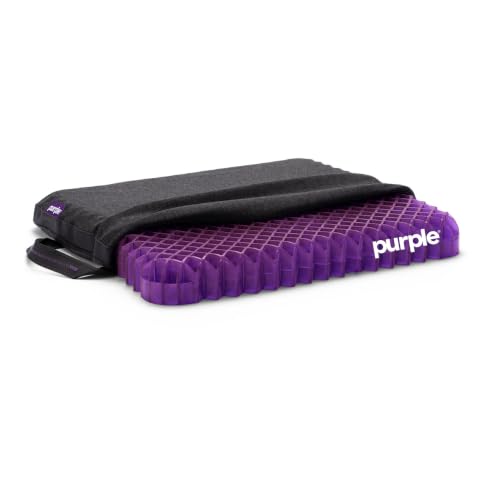
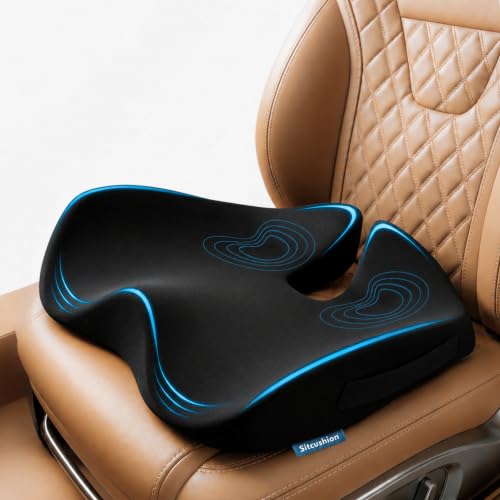
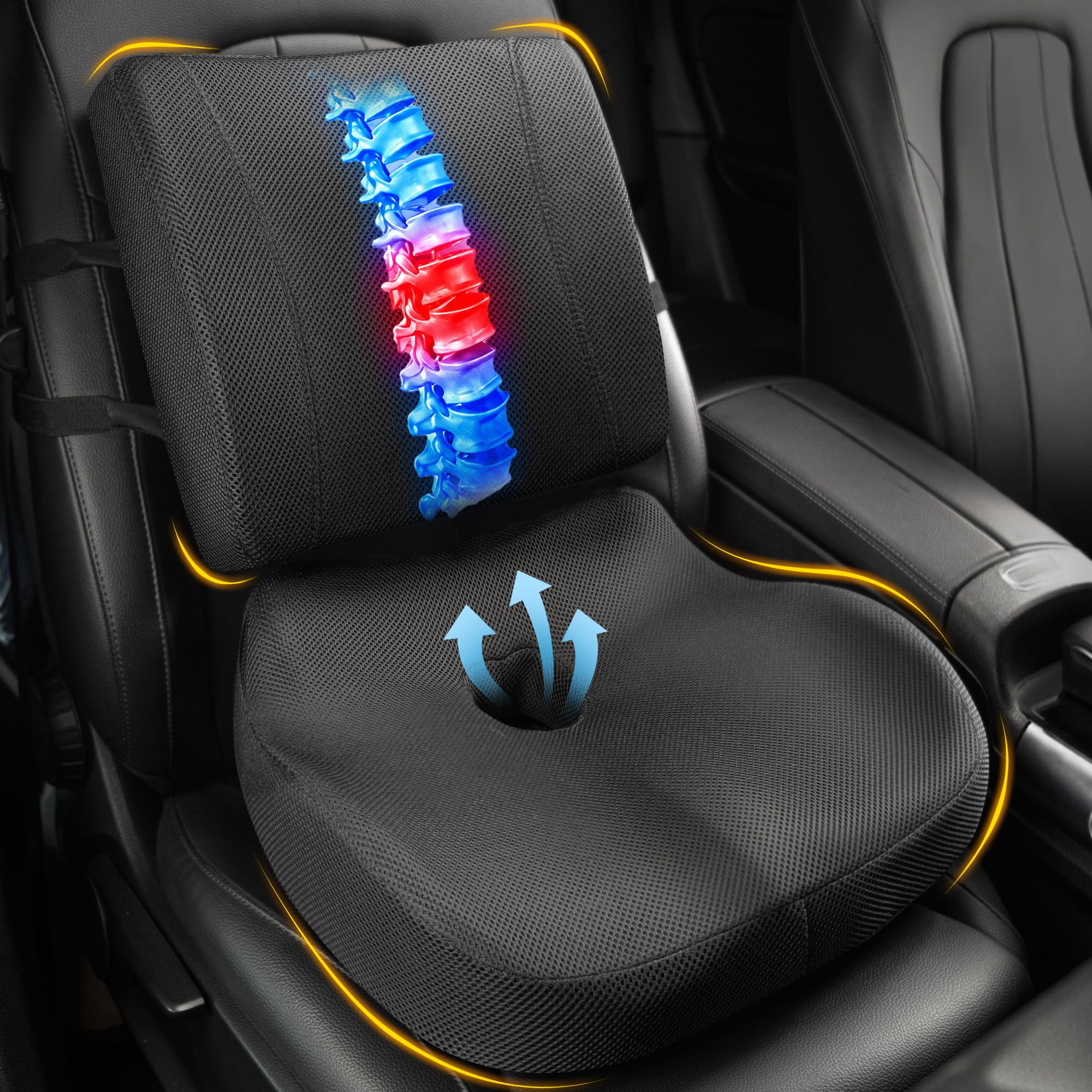
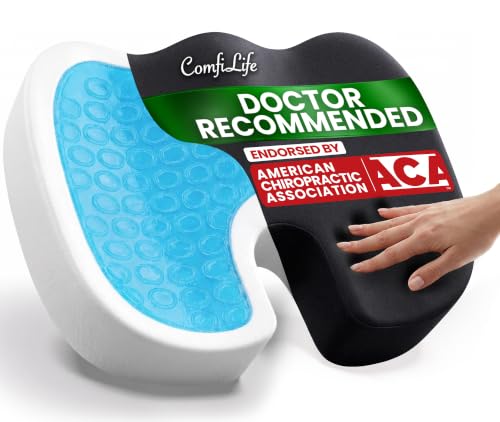
Factory car seats are shaped for an average person, and if your body does not match that average, an hour on the road can leave your back stiff. A cushion changes how weight is spread across the seat and can alter your posture, which is why many drivers add one. The best car seat cushions for back pain feel supportive without lifting you too high, stay in place on the seat and breathe well on hot days. The product table above includes gel-topped cushions, memory foam designs, and combined seat and lumbar sets made for vehicles.
This guide is about comfort. If you have ongoing pain, talk to your doctor, since a cushion is not a treatment.

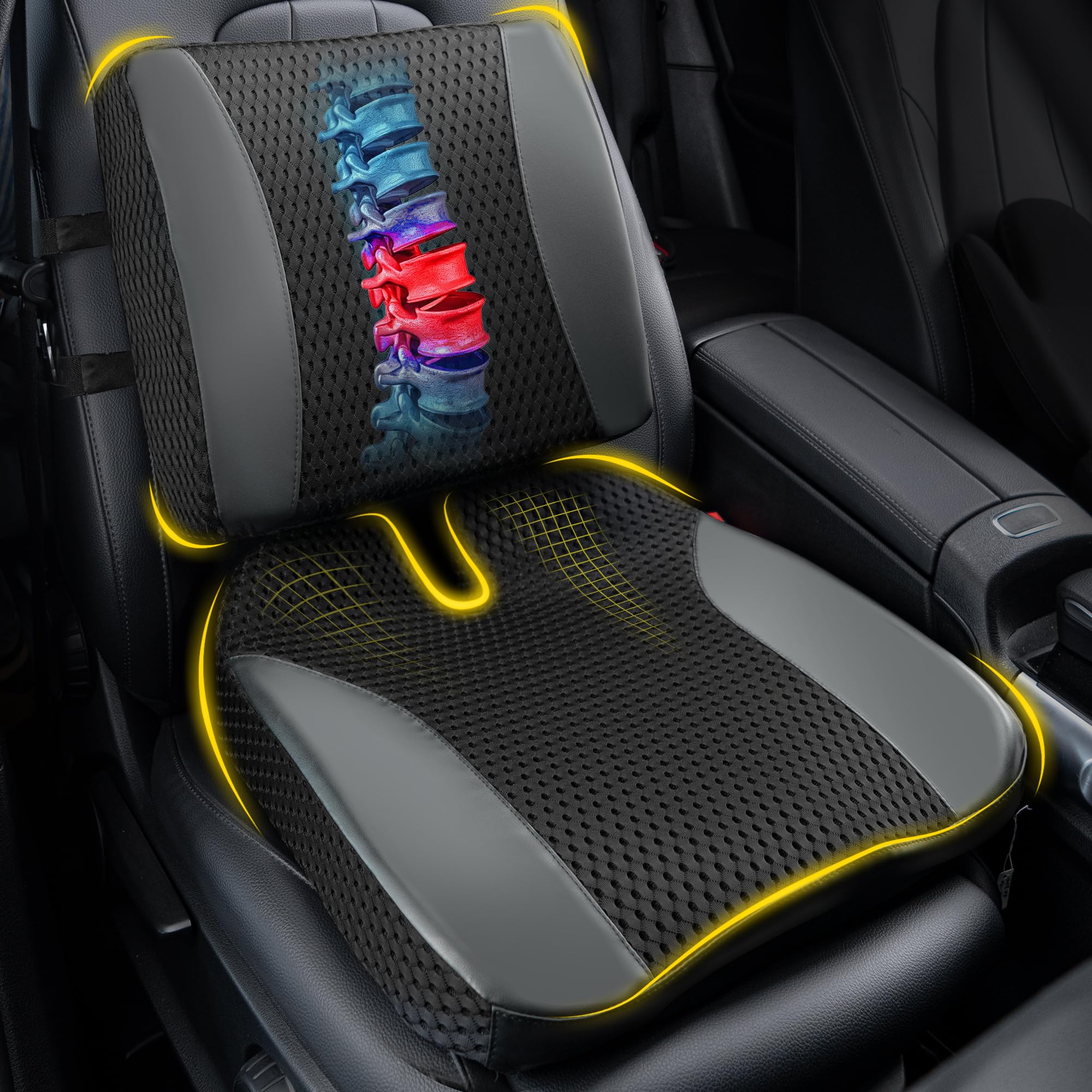


How a Cushion Changes Your Seating
A good cushion spreads pressure over a wider area, which can reduce hot spots under the thighs and the tailbone. It can also change the angle of your hips and pelvis, and that shifts the curve of your lower spine. A small change in angle can feel like a big change after an hour of driving, so cushions are worth trying even if the difference looks small.
The risk is a cushion that is too thick, which lifts you toward the roof and shortens the distance to the wheel and pedals. Consider your headroom, your view of the road and the reach to the controls.
Gel, Foam and Hybrid Materials
Memory Foam
Memory foam molds to your shape and gives a plush, supportive feel. It responds to warmth, so it feels firm in the cold and softens after a few minutes of sitting. Higher density foam lasts longer and bottoms out less.
Gel and Gel-Infused Foam
A gel layer or grid spreads pressure and stays cooler against the body. Gel can feel firmer and slightly heavier, but many drivers like the lasting support and the breathable structure.
Hybrid Cushions
Combine a foam base with a gel top, aiming for both comfort and cool contact. Check how thick each layer is.
Shapes and Features
- Tailbone cutout: a notch at the back reduces pressure at the base of the spine. It suits people who feel soreness at that spot.
- Wedge shape: higher at the back, lower at the front. It tips the pelvis forward and can make sitting more upright.
- Contoured seat: raised sides cradle the thighs and keep you centered.
- Built-in lumbar pad: adds support at the curve of the lower back.
Size and Fit in the Car
Measure the seat's depth and width. A cushion that is too large hangs over the edge and slides, and one that is too small leaves gaps. Check that the cushion does not interfere with the seat belt buckle or the seat's adjustment controls. In a car with electric seats or heated seats, check that the cushion is compatible and does not block the heating element.
Non-Slip Base and Straps
A slick cushion that slides is distracting and unsafe. Look for a rubber dot or textured base that grips the seat, and for straps that fasten to the seat or the headrest. Check that straps do not interfere with the seat belt. If the cushion moves when you get in and out, it is not secure enough.
Covers and Breathability
Mesh or knit covers allow air to flow, which matters in warm weather and on long drives. A washable cover is easy to keep fresh. Leather seats can feel slick under a smooth cover, so choose a textured fabric. Some covers have a dotted underside for extra grip.
Setting It Up
Put the cushion at the back of the seat so your hips sit against the backrest. Adjust the seat height and the steering wheel so that you can see well and reach the pedals. Sit for a few minutes before you start and check that your thighs are supported and your knees are slightly bent. Give your body a few days to adjust, since a change in posture can feel odd at first.
Driving Habits That Help
No cushion substitutes for breaks. Stop every couple of hours to stretch your legs and walk around. Keep your back against the seat and your shoulders relaxed.
Avoid reaching for items while moving and keep a bottle of water in a holder. If your discomfort continues or gets worse, consult a doctor.
Choosing the Best Car Seat Cushions for Back Pain
Think about where you feel the strain: the tailbone, the hips or the lower back. Choose a shape that targets that area, then check the thickness against your car's headroom. Compare the material and the cover, and check the base for grip. Because comfort is personal, buy from a seller with an easy return option.
Sport Seats, Bucket Seats and Bench Seats
Bucket seats with strong side bolsters limit the width of cushion that fits, so measure between the bolsters before you buy. A cushion that is wider than the seat base rides up the bolsters and tilts you sideways. Bench seats in trucks and older cars offer more room, but they are often flat and soft, so a firmer, contoured cushion can add the support the seat lacks. Check the seat's cushion angle too, because a seat that already tilts back may not need a wedge.
Heated and Cooled Seats
Heated and ventilated seats work through the upholstery, and a thick cushion can block that effect. A thinner gel cushion with an open weave lets some of the warmth through, while thick foam traps it. If you rely on a heated seat in winter, check the cushion's description for compatibility. Never use a cushion that covers a seat sensor, such as the occupancy sensor for the airbag, in a way that blocks it from working normally.
When to See a Professional
Sitting aids help with comfort, but ongoing back pain, numbness or pain that spreads down the leg deserves a medical opinion. A physiotherapist can review your driving posture and suggest changes to the seat, mirrors and wheel. Take a short note of when the pain starts, such as after thirty minutes or after two hours, since that helps them advise you.
Related Guides
- Best Cushions For Back Pain
- Best Car Seat Cushions For Lower Back Pain
- Best Seat Cushions For Back Pain
Frequently Asked Questions
Can a cushion cure back pain?
No. It can make a seat more comfortable, but it is not a medical treatment. See a doctor for persistent pain.
How thick should a car seat cushion be?
Thick enough to feel supportive, but not so thick that it hurts your view or reach.
Do I need a cutout?
It suits people with tailbone pressure, but not everyone needs one.
Will a cushion fit every seat?
Not always. Measure first, especially for sport seats with side bolsters.
The Bottom Line
The best car seat cushions for back pain are matched to your body and your seat, grip well and breathe. Choose the shape that suits your trouble spot, avoid bulk that disrupts driving position and take regular breaks. A good cushion makes an hour in the car easier on your back.


