
Best Car Seat for Small Cars: Compact Child Seats That Leave Room for Everyone (2026)
Disclosure: We may earn a commission when you buy through links on this page, at no extra cost to you. As an Amazon Associate I earn from qualifying purchases. Learn more

How to choose the best car seat for small cars: front-to-back depth, width, recline, slim designs, rear-facing fit and what to measure before buying.
In a compact car, every inch counts. A child seat can push the front seat so far forward that the driver cannot reach the pedals comfortably, or it can leave no room for a second passenger beside it. The best car seat for small cars is slim from side to side, shallow from front to back and still holds a child comfortably. The product table above shows slim convertible seats and a couple of budget-friendly options, so you can compare different approaches to saving space.
Before you shop, measure the car and write down the numbers. A seat that is great in a large SUV can be impossible in a hatchback.

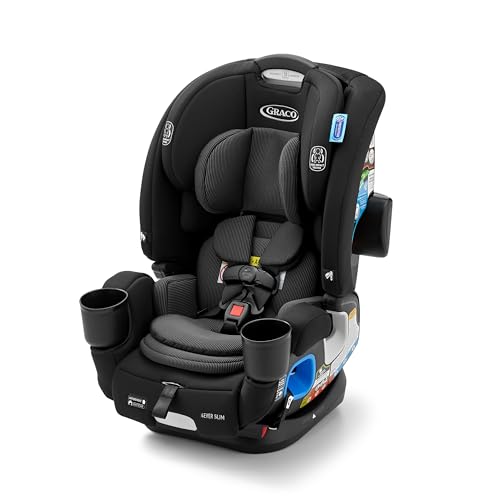
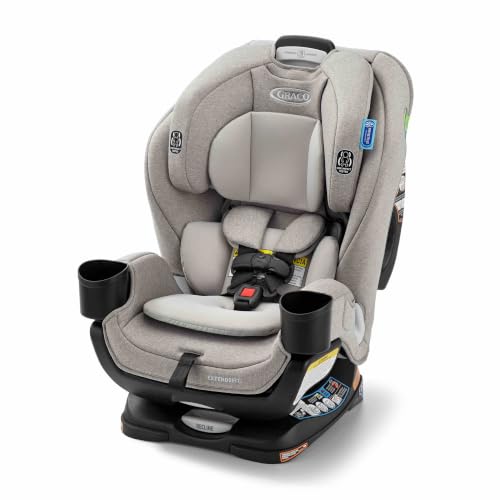


Where the Space Goes
Small cars have two main limits. The first is depth, which is the distance from the back of the rear seat to the back of the front seat. A rear-facing seat uses much of it, because it sits upright against the seat and stretches forward. The second is width, which matters when you want to fit two seats or leave room for an adult next to a seat.
Think about what you need to keep: the driver's legroom, the passenger's legroom and a usable seating position next to the child.
Rear-Facing Depth
A rear-facing convertible seat has a shell and a base that point toward the front seat. A seat with a short base and a compact shell uses less depth. Look for a seat with multiple recline positions so that you can use the most upright one that is allowed, which frees up space. Check the manual for the minimum recline for a baby and the maximum allowed for older children.
Some seats allow a rolled towel or a pool noodle under the front edge to adjust the angle, but only if the manual says it is permitted.
Width and Seating Positions
Slim seats measure less across at the widest point. Check the width including the cup holders and the headrest wings. If you hope to put two child seats in the back, or a child seat and an adult, you may need a seat on the narrower end. A removable cup holder can save a bit of room.
In a small car, the seat position matters: sometimes the center, which offers a belt-only install, can be wider than the side positions.
Front Seat Position
Adjust the front seat to a comfortable position and then fit the child seat behind it. If the front seat has to move too far forward, consider a smaller seat or a different installation mode. Check that the front seat's headrest and the child seat's shell do not collide. Never sacrifice the child's proper fit to gain a little space.
Slim Designs and Narrow Shells
Narrow convertible seats are made to fit three across or to preserve space in a compact. They achieve this with sculpted sides and thin padding, which may be a little firmer. Check the harness height range, the headrest adjustment and the weight limits, so that the seat will last as your child grows.
Rear-Facing Longer in a Small Car
Keeping children rear-facing for longer is a common recommendation, and it takes space. A compact seat with a short footprint makes extended rear-facing possible in smaller cars. If the child's legs touch the seat back, that is typical and not a problem on its own, as long as the child is within the seat's limits.
Installation Tips for Tight Spaces
- Use the seat belt or Latch as the manual allows: whichever gives a tight fit.
- Check the belt path: make sure the belt sits in the path and not on the shell.
- Fold the head restraint of the front seat if the vehicle allows it.
- Check the fit before you tighten fully: make sure the seat can sit flat on the cushion.
- Keep the top tether attached on forward-facing installs.
Common Mistakes to Avoid
- Buying without measuring: write down the depth and the width.
- Forcing a seat into a small space: if it does not sit flat, choose another.
- Moving the child to forward-facing for space reasons: only change when the child reaches the limits.
- Ignoring the front passenger: consider who sits there.
Choosing the Best Car Seat for Small Cars
Measure the back seat, note the front seat positions and compare these numbers with the seat's dimensions. Choose a slim shell and a compact base, and make sure the recline range suits your child's age. Order from a seller who accepts returns, because fit in a small car is hard to predict without trying the seat.
Hatchbacks, Coupes and Two-Door Cars
Two-door cars add another challenge: you have to lean through a small door opening with a tilted front seat to reach the child. A seat that tilts or rotates helps, and so does a lighter seat when you have to place it in the car. Check that the front seat tilts and slides back to its position after the seat is installed. Hatchbacks usually have a shorter back seat, so check the depth and the way the seat sits against the rear window ledge.
Practice Fitting in the Store
If a local store lets you try a floor model in your car, take advantage of it. Bring a measuring tape and a photo of the vehicle manual's child seat page. Install the seat, sit in the driver's position and see how it feels. If a store cannot do that, buy from a seller with a straightforward return policy and install the seat soon after delivery, before the baby arrives.
Growing Out of the Space
Space is tightest in the early months, when the seat is rear-facing and the child is reclined. As the child grows and moves to a forward-facing position, the seat takes much less depth. If you only need a compact seat for the first couple of years, a model with a smaller footprint may be a good short-term choice. After that you can re-evaluate and move to a booster or a larger seat.
Related Guides
- Best Car Seat
- Best Car Seat For Newborns
- Convertible Vs Infant Car Seat
- When To Switch To Booster Seat
- Best Infant Car Seats For Small Cars
Frequently Asked Questions
Can I fit a rear-facing seat in a compact car?
Often yes, particularly with a slim, compact design. Measure first.
Is the center seat better?
Only if the seat installs well there. The best location is where you can install correctly.
Do I need a narrow seat?
If you want to fit two seats or an adult next to the child, it helps.
Should I switch to forward-facing for more room?
Only when the child reaches the limits of the rear-facing mode.
The Bottom Line
The best car seat for small cars is slim, shallow and adjustable, leaving room for the driver and the passengers. Measure the space, check the recline range and install it with care. A smart choice keeps the whole family comfortable in a small car.


