
Best Car Seat for Airplane: Choosing a Child Seat You Can Carry Onto a Flight (2026)
Disclosure: We may earn a commission when you buy through links on this page, at no extra cost to you. As an Amazon Associate I earn from qualifying purchases. Learn more

How to choose the best car seat for airplane travel: the aircraft approval label, width, weight, installation on a plane, harness alternatives and carry options.
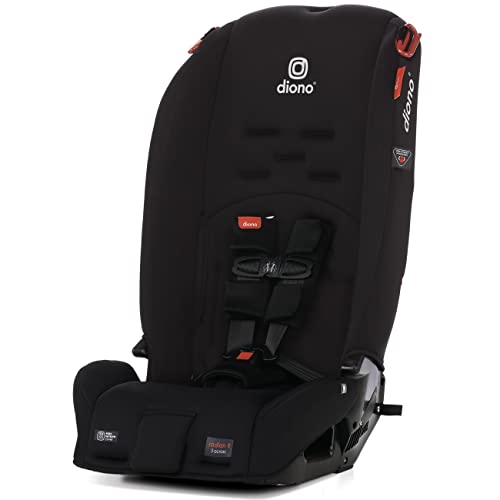
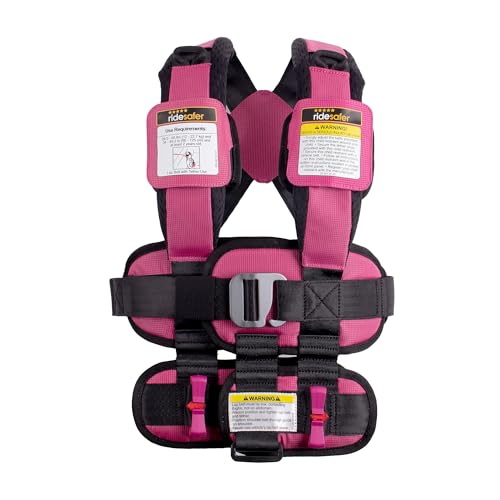
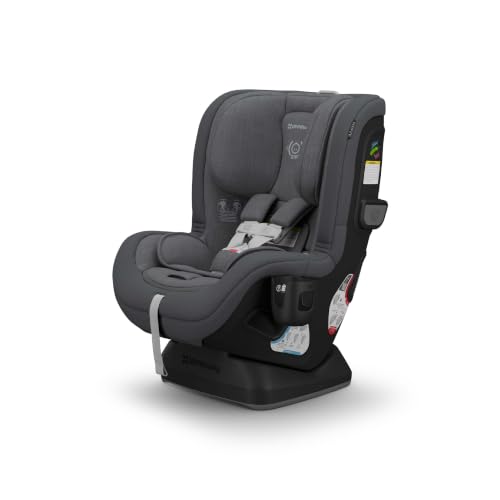
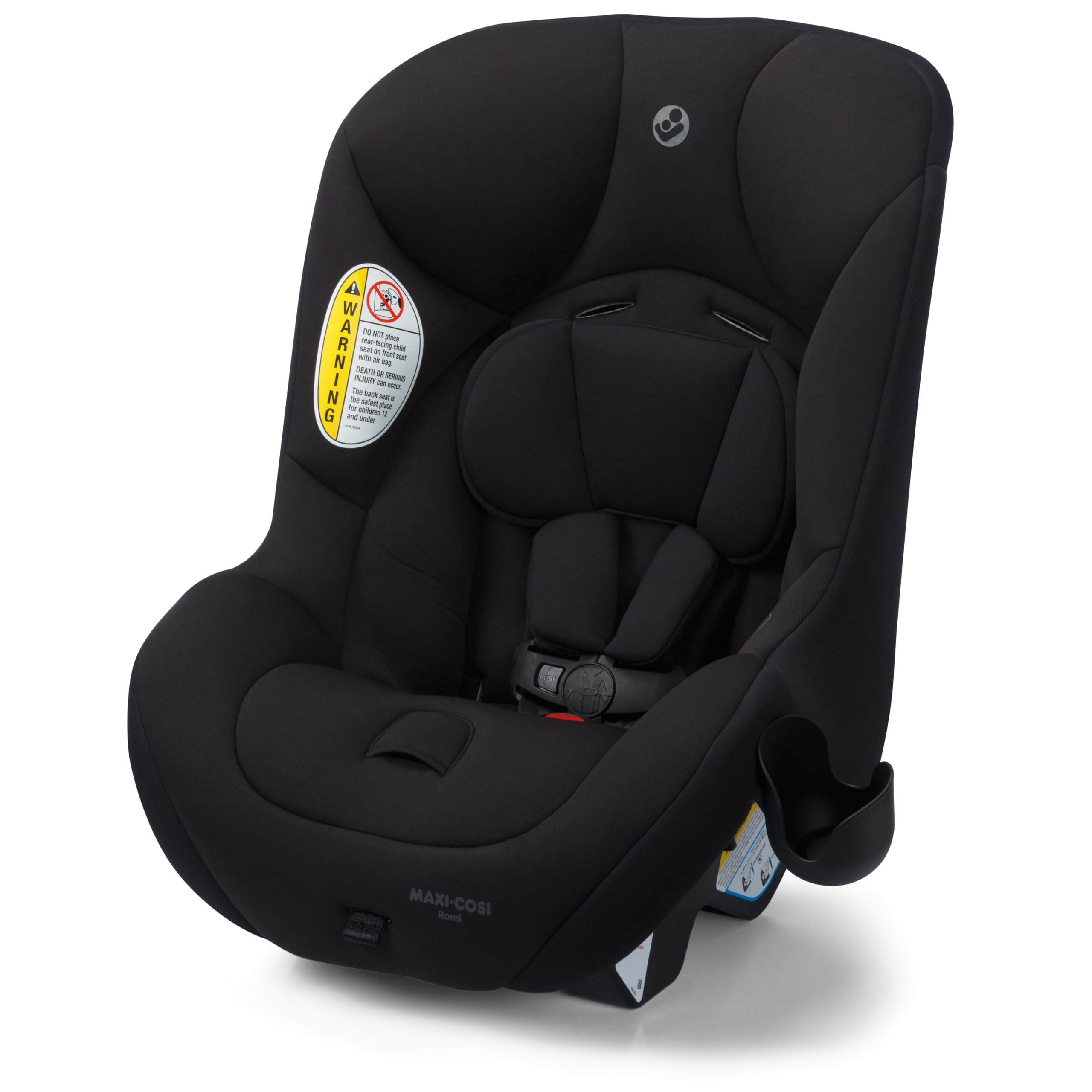
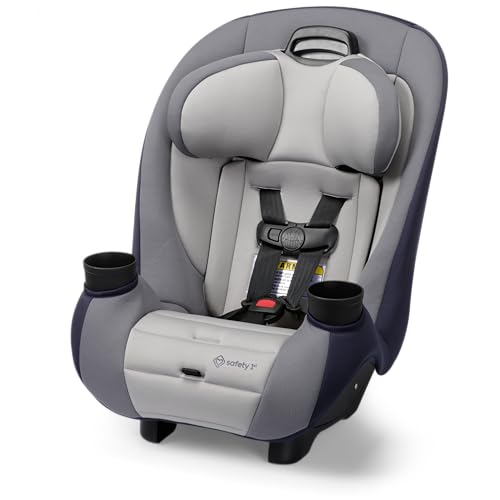
A child seat on a plane changes the whole flight. Your child sits in the seat they know, the harness keeps them in place through turbulence and many children sleep better when they are strapped into a familiar spot. The best car seat for airplane trips is one that fits an airline seat, is light enough to carry through a terminal and carries a label showing that it may be used on an aircraft. The product table above includes narrow convertible seats, a travel-focused folding seat and a harness vest, so you can compare different ways to travel.
Airline rules and seat designs vary, so use this guide as a planning checklist and confirm the details with your airline before you fly.



Check the Label First
Look for text on the seat or in the manual that says it is certified for use in motor vehicles and aircraft. In the United States, that label is usually printed in red letters on the seat or its sticker. Flight attendants may ask to see it, so make sure it is easy to find. A seat without the statement cannot be counted on for the plane, even if it fits.
Booster seats that use only a lap-and-shoulder belt cannot be used on aircraft, because airplane seats have only a lap belt. Plan to check a booster or use another method for older children, and look into whether your child can use an approved harness instead.
Width and Fit in an Airline Seat
Economy seats are narrow, and a bulky seat may not fit between the armrests. Check the width of the car seat and compare it with your airline's published seat width. Narrow convertible seats are often the best fit, and some have a profile designed to sit comfortably in tight spaces. Raise the armrest if the airline allows it, but a seat that cannot sit flat on the cushion is not usable.
A window seat is usually the best location, because the seat will not block the path of other passengers in an emergency. Airlines have rules about where child seats can be placed, so ask the crew if you are unsure.
Weight and Portability
You will carry the seat through a terminal, down a jet bridge and up and down a plane aisle. A heavy seat makes that miserable. Lightweight and foldable designs make life easier, and a seat with a carry handle or backpack straps frees your hands.
Consider a luggage cart or a strap that attaches the seat to a wheeled bag. A seat that you love at home may be too heavy for travel, which is why some families buy a second, lighter one just for trips.
Installing on a Plane
On a plane, the seat is installed with the lap belt, through the belt path marked for forward-facing or rear-facing. Practice at home with a belt of a similar type, since a buckle is different from a vehicle's. Rear-facing in the plane may need more recline room than a forward-facing install, and a seat in front may limit space. Follow the manufacturer's instructions for each mode and ask a crew member for help with the belt extension if needed.
Rear-Facing or Forward-Facing
A seat that works in both positions gives you flexibility. If your child is still rear-facing, check that the seat will fit in front of the airline seat without being pushed by the passenger's reclining seat. Many parents book seats in bulkhead rows only if the airline allows child seats there, so check policies for each carrier.
Harness Alternatives for Older Children
Some children who have outgrown a seat may fly with an approved harness that attaches to the airplane seat belt. These are light and compact, but they are only for children who meet the weight and age limits and who can sit upright. They do not replace a car seat on the ground, so plan ground transport as well.
Gate-Check or Carry?
If you do not want to use a seat on the plane, you can gate-check it, but it may be handled roughly. A padded bag adds protection, and a bright tag helps you find it. A seat that goes in the cargo hold could be damaged in ways that you cannot see, so inspect it carefully before using it again. For a baby under the age for a seat, you may hold them on your lap, but many parents prefer a seat of their own.
Matching a Seat to Your Trip
- Frequent flyers: a light, narrow convertible or a dedicated travel seat.
- Occasional trips: the seat you already own, if it fits and is labeled.
- Older children: an approved harness and a plan for ground transport.
- Short connections: a seat you can carry quickly, or a stroller that accepts it.
Choosing the Best Car Seat for Airplane Trips
Check the aircraft label, the width and the weight. Decide whether you will rent a seat at your destination or bring your own, and think about getting from the curb to the gate. If you drive at your destination, make sure the seat works in a rental car and review how to install it with a seat belt, since rental cars may lack Latch hardware.
Airport Logistics From Curb to Gate
Think about how the seat will travel at each step. At check-in you can ask whether the airline allows the seat to be checked free, and at security the seat goes through the X-ray machine or is inspected by hand, so allow extra time. A folding luggage cart or a strap that clips the seat to a roller bag turns it into a wheeled item. Board early if the airline offers pre-boarding to families, which gives you time to install the seat before the aisle fills up.
Rental Cars and Taxis at Your Destination
Many rental cars have no Latch anchors in the exact positions you use at home, so you will use the seat belt to install. Learn the belt path in advance and check that your seat can be locked with the belt. Taxis and ride-share rules vary by city, so check the local rules before you travel. A lightweight seat that you can install quickly in any car is a good companion on trips.
Packing Tips for Families
Keep the manual in your carry-on, since you may need to show it to cabin crew. Bring a small flashlight to read the label in a dim cabin. Wipe the seat down before you fly, because it will touch many surfaces. Pack a few snacks and a toy that clips to the seat so that the child has something to do during the flight.
Related Guides
- Best Car Seat
- Convertible Vs Infant Car Seat
- Best Travel Car Seat
- Best Booster Car Seat
- How Long Are Car Seats Good For
Frequently Asked Questions
Do I need to buy a ticket for my child's seat?
To use a car seat on the plane, your child needs their own ticket. Check the airline's policy.
Can I use my regular car seat on a plane?
Often yes, if it has the aircraft label and fits the seat.
Where on the plane should I sit?
A window seat is common. The airline will advise on allowed rows.
Should I check the seat as luggage?
You can, but a padded bag helps and you should inspect it afterward.
The Bottom Line
The best car seat for airplane travel has the right label, a narrow shape and a weight you can manage. Plan the airport route, practice the belt install and confirm the airline's rules. With the right seat, a flight with a small child goes more smoothly.


