Best Car Seat Covers Full Set: What to Know Before You Buy
Disclosure: We may earn a commission when you buy through links on this page, at no extra cost to you. As an Amazon Associate we earn from qualifying purchases. Learn more

Shopping for the best car seat covers full set means protecting every seat in the cabin, not just the front two. A full set covers the driver and passenger seats plus the rear bench, so your entire interior gets the same level of defense against spills, pet hair, sun fading, and everyday wear. Before you buy, though, there are a few decisions that matter more than color or fabric texture.
The biggest one is fit, followed closely by airbag compatibility if your vehicle has side airbags built into the seats. Get those two things right and the rest, material, installation, and care, falls into place. This guide walks through what actually affects how a full set performs once it is in your car.
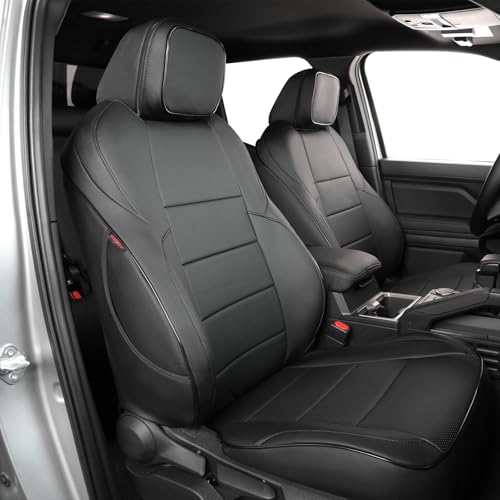
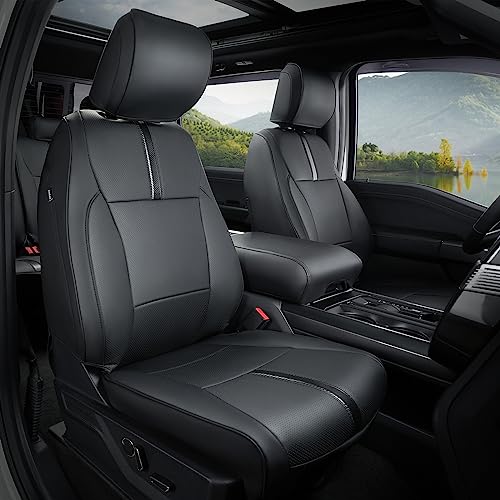
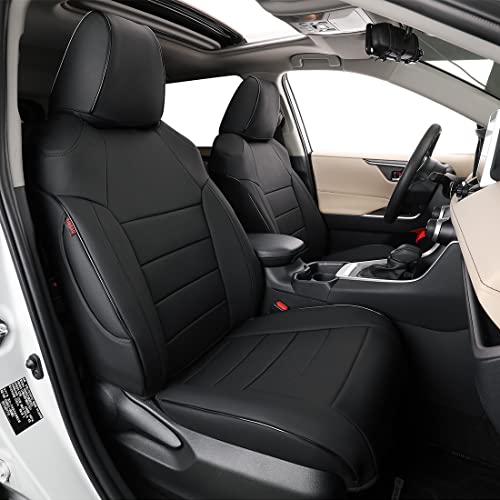
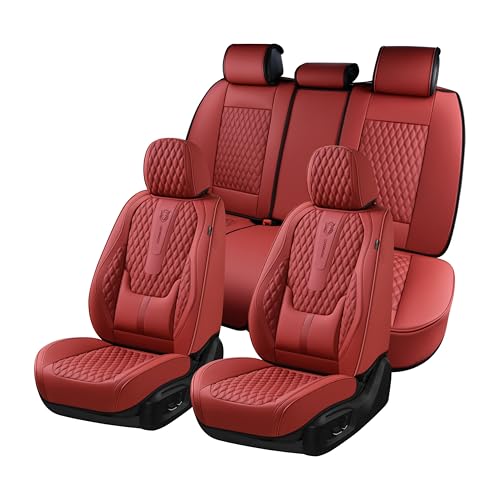
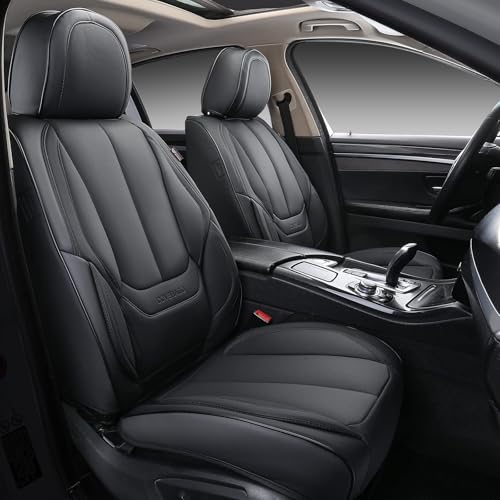
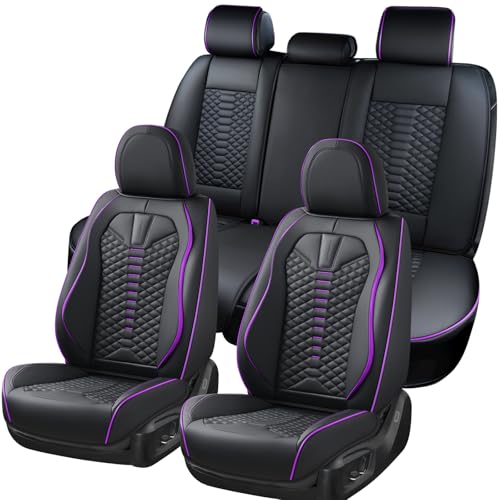
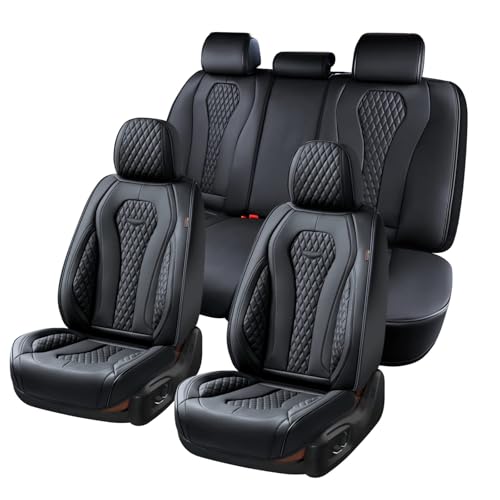
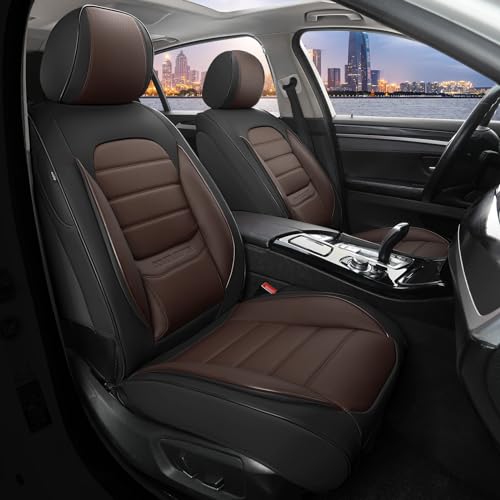
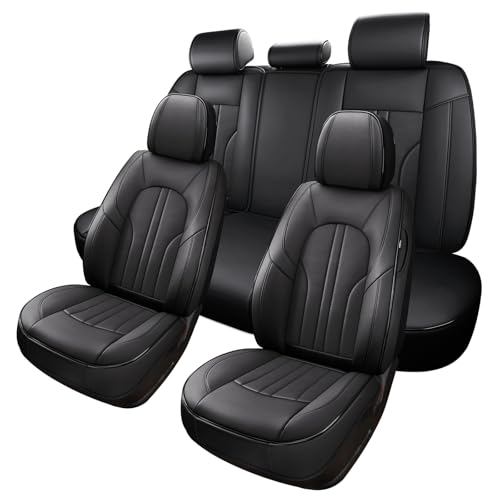
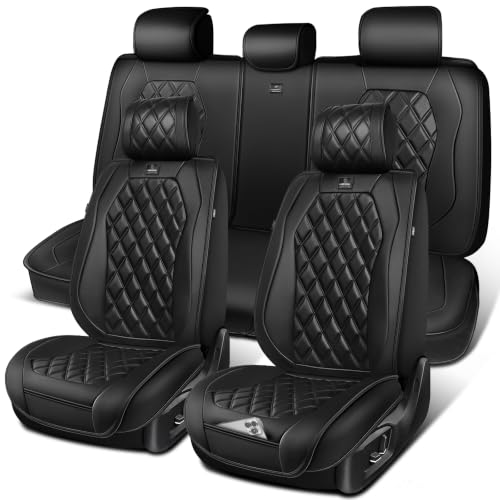
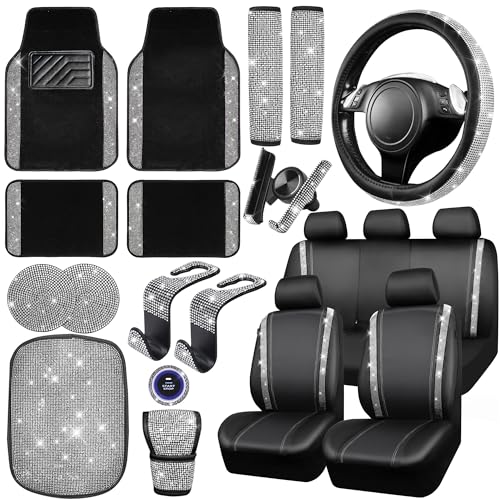
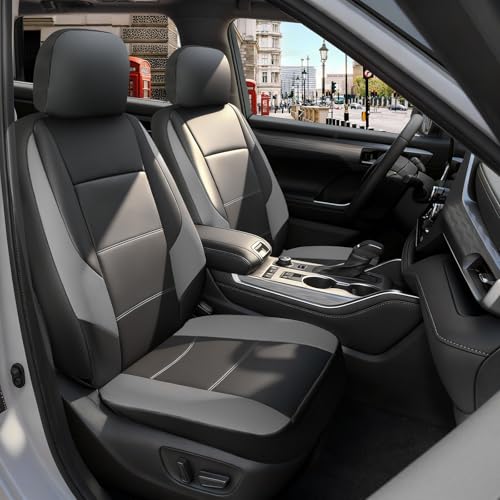
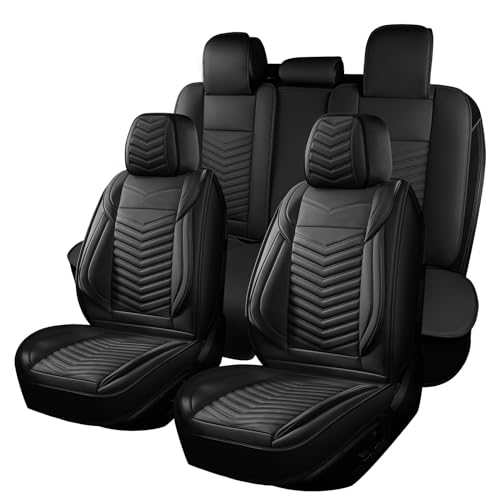
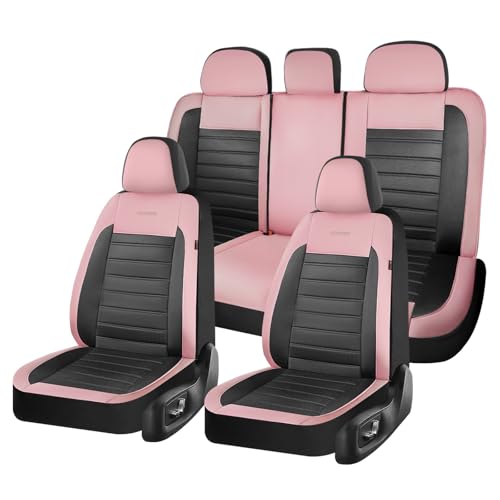
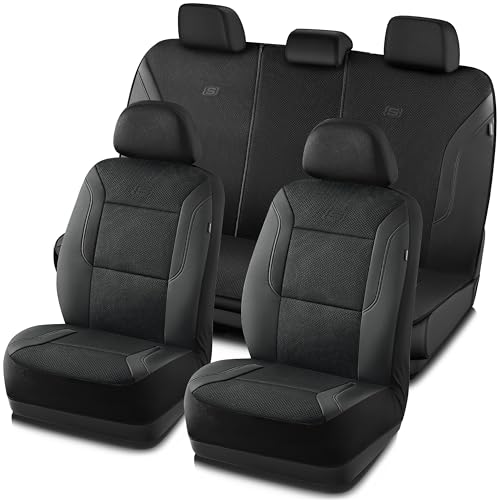
Universal Fit vs Vehicle-Specific: Which Full Set Actually Fits
Full sets are sold two main ways: universal fit and vehicle-specific (sometimes called semi-custom or custom fit). Universal sets are cut to a generic seat shape and stretch or cinch to fit a wide range of cars, trucks, and SUVs. They are the cheaper option and the easiest to find in stock, but the tradeoff is a looser, less tailored look.
Vehicle-specific sets are patterned to match your exact make, model, and seat design, including headrest shape, seatback controls, and armrest cutouts. They install faster, sit tighter, and are far less likely to shift around or bunch up after a few weeks of use. If your seats have unusual contours, integrated headrests, or built-in lumbar controls, a vehicle-specific set is worth the extra cost.
- Universal fit works best for older vehicles, basic bucket seats, or budget-focused buyers
- Vehicle-specific fit works best for newer vehicles, leather interiors, or seats with side airbags
- Always check the manufacturer's fitment list by year, make, and model before ordering
Why Side-Airbag Compatibility Matters More Than You Think
This is the one step buyers skip most often, and it is genuinely a safety issue. Many newer cars and SUVs have side-impact airbags stitched into the outer edge of the front seats rather than mounted in the door or roof pillar. If a seat cover's seams do not tear away cleanly, the airbag can deploy incorrectly or fail to reach the occupant the way it was designed to.
Before you buy a full set, check your owner's manual or look for a small airbag symbol stitched into the seam of your current seat upholstery. If your vehicle has this feature, only buy covers explicitly labeled airbag-compatible or airbag-ready. These use weakened stitching along the seam that splits open on impact instead of blocking the airbag's path.
Skipping this check is one of the most common and most serious mistakes people make when shopping for a best car seat covers full set option. A cover that looks like a perfect match but is not rated for side airbags can create a real hazard in a collision, so this detail should always outrank looks or price.
Neoprene, Canvas, or Leatherette: Choosing the Right Material
Material affects comfort, cleanup, and how long a set lasts, and each option has a different strength. Neoprene is soft, stretches to hug the seat's shape, and resists water well, making it a solid choice for families with kids or pets who need frequent wipe-downs. It is comfortable in most climates but can feel warm in direct summer sun.
Canvas is the toughest of the three. It resists tearing and puncturing better than neoprene, holds up well to repeated loading and unloading of gear, and does not stretch out of shape over time. It is a common pick for work trucks and outdoor use, though it is not fully waterproof and can feel stiffer against bare skin.
Leatherette gives a dressier, factory-like look for a fraction of the cost of real leather. It wipes clean easily and resists stains, but it can feel stiff in cold weather and warm up quickly when parked in the sun. Choose based on how the car gets used day to day rather than appearance alone.
Installation Realities: Headrests, Buckle Access, and Strap Tension
Most complaints about a poorly fitting full set trace back to installation, not the product itself. Headrests cause the most trouble. Removable headrests need a clean opening cut for the posts, while integrated headrests require a cover designed to wrap the full upper seatback in one piece. Using the wrong style leaves gaps or bunching around the top of the seat.
Seat belt buckles and the rear center strap also need clear access points. Rushing this step, or forcing a cover over a buckle instead of routing it through the built-in slit, is a common way to tear fabric or damage the buckle mechanism. Take the extra few minutes to route straps, buckles, and levers through their designated openings.
Finally, tighten the underside straps and hooks fully once the cover is in place. Loose straps are the top reason covers slide, wrinkle, or ride up after a few drives, especially on seats used daily.
Cleaning and Long-Term Care for a Full Interior Set
How a full set holds up long term depends on regular, light maintenance rather than deep cleaning after the damage is done. Vacuum crumbs and pet hair out of seams weekly, since debris trapped in stitching wears fabric faster than normal use does. For spills, blot rather than rub, and check the care label before using any cleaning solution.
Machine-washable sets are the easiest to maintain, but always confirm which pieces are safe for a washer versus which need spot cleaning only, since headrest covers and armrest panels sometimes have foam backing that cannot go through a wash cycle. Air-dry covers whenever possible instead of using high heat, which can shrink synthetic fabrics or crack leatherette over time.
- Vacuum seams and crevices weekly to prevent trapped debris from wearing fabric
- Spot clean spills immediately rather than letting them set into the material
- Reinstall straps snugly after every wash to keep the fit tight
Mistakes That Ruin a Full Set of Seat Covers
A few avoidable errors account for most of the negative experiences people have with seat covers. The first is buying a non-airbag-compatible set for a vehicle that has side airbags in the seats, which is both a fit issue and a safety risk. The second is choosing universal fit for a vehicle with unusual seat contours, then blaming the product when it sags or shifts.
Another common misstep is skipping the fitment chart entirely and guessing based on vehicle size alone. A full set that technically fits a midsize sedan may not match the seat width or headrest style of your specific trim level. Finally, leaving straps loose after installation, or after a wash, is the fastest way to undo an otherwise good fit within days.
Frequently Asked Questions
Do I need a vehicle-specific set or will universal fit work?
Universal fit works fine for basic bucket seats and older vehicles, but vehicle-specific sets fit tighter and hold up better on seats with integrated headrests, side airbags, or unusual contours. Check your fitment chart before deciding.
How do I know if my seats have side airbags?
Look for a small airbag symbol stitched into the seam of your factory upholstery, or check your owner's manual under safety features. If your seats have side airbags, only buy covers labeled airbag-compatible.
What material lasts the longest for daily driving?
Canvas generally holds up best to repeated wear, loading, and unloading, since it resists tearing better than neoprene or leatherette. Neoprene is a close second for households with kids or pets that need frequent cleaning.
Will a full set fit both bucket seats and a rear bench?
Most full sets include separate pieces sized for front bucket seats and a one-piece or split rear bench cover, but always confirm the set matches your rear seat configuration, especially in trucks or SUVs with fold-down sections.
Can I machine wash seat covers?
Many are machine washable, but check the care label first since some pieces have foam backing or leatherette trim that should only be spot cleaned. Air-drying is generally safer than high heat for keeping the fit accurate.
Why do my seat covers keep sliding out of place?
Loose underside straps and hooks are the most common cause. Make sure every strap is pulled snug and every hook or clip is secured to the seat frame during installation, and recheck tension after the first few drives.
Are leatherette covers hot to sit on in summer?
Leatherette can warm up faster than canvas or neoprene when a car sits in direct sun, since it does not breathe as well. Ventilated or perforated leatherette options reduce this effect if you live in a hot climate.
Getting the Right Fit for Your Vehicle
Finding the best car seat covers full set for your vehicle comes down to matching fit, airbag compatibility, and material to how you actually use it. Take the time to check your fitment chart and airbag setup before you buy, and the rest of the decision becomes straightforward. A little research upfront saves you from a return, a bad fit, or a safety compromise later.