
Best Car Seats for Infant: A First-Time Parent's Guide to Choosing (2026)
Disclosure: We may earn a commission when you buy through links on this page, at no extra cost to you. As an Amazon Associate I earn from qualifying purchases. Learn more

A first-time parent's guide to the best car seats for infant use: carriers and rear-facing convertibles, fit, harness, weight, strollers and installation.
Buying your first child seat comes with a lot of questions and not much time. You want something that fits a very small person, that you can install without a degree in engineering and that you can use when you are tired and the baby is crying. The best car seats for infant use are designed around those realities: a snug fit for a small body, clear instructions and a build that stands up to daily life. The product table above includes carriers and rear-facing convertibles that welcome infants, in a range of prices and shapes.
Read on for the decisions in the order you will face them.


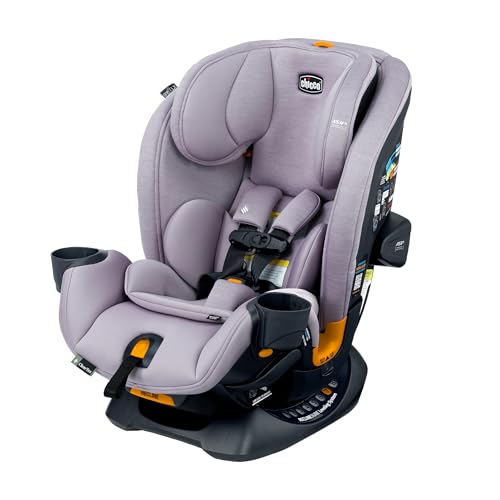


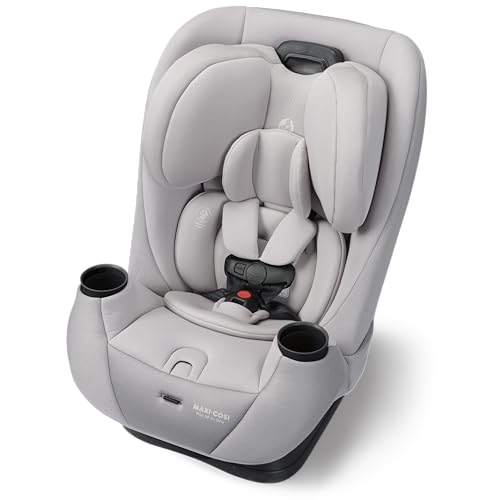
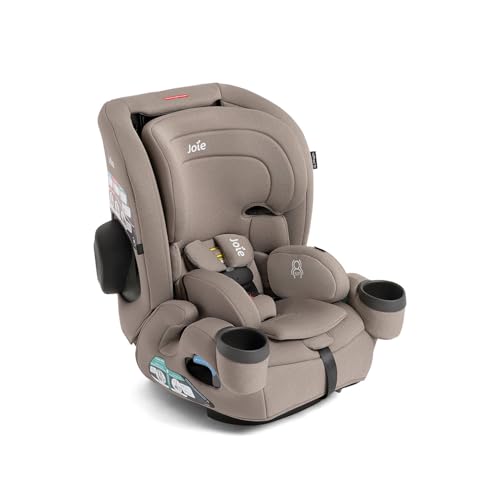


Decision One: Carrier or Convertible
An infant carrier is portable and often clicks onto a stroller. It is meant for the early months. A rear-facing convertible stays in the car and covers many years.
Some families buy a carrier first and move to a convertible, while others go straight to a convertible to save money and avoid a switch. If you plan to carry the baby a lot or use a travel system, a carrier is convenient.
Decision Two: Check the Fit for Small Babies
Rear-facing infants need a snug fit. Look at the minimum weight, which tells you the smallest baby that the seat is designed for. Look for low harness slots, a soft insert, if the manual includes one, and a recline range that keeps the baby's head supported. Avoid adding pillows, rolled blankets or products that were not made for the seat.
Decision Three: Weight and Handles
If you pick a carrier, hold it. You will lift it in and out of the car many times, usually with a baby inside. A light carrier with a comfortable handle makes a difference to your back and shoulders. Check how the handle locks and what positions are allowed during travel.
Decision Four: Base and Installation
A base that stays in the car saves time. Look for a lock-off, level indicator and a firm click. A second base helps if you use two cars.
For a convertible, check the recline options and how the belt path is marked. If your vehicle does not have a convenient anchor, make sure the seat can be installed with the belt.
Decision Five: Strollers
Think about the stroller you will use. Many carriers fit on a stroller from the same brand, and others use adapters. If you buy a travel system, you get a seat and a stroller together, which is convenient for a first baby. If you already own a stroller, check its compatibility.
The Harness and the Buckle
Choose a seat with a harness that tightens smoothly and a buckle that opens when you press, but not by accident. The straps should lie flat and be easy to adjust as the baby grows. Check that the chest clip slides easily to armpit level. Make sure you can reach the harness adjustment in the position you will use.
Seat Position in the Vehicle
The center of the back seat is often described as an ideal position because it is farthest from side impacts, but only if you can install the seat well there. Many vehicles do not have a center anchor, so the seat belt install may be needed. The best position is the one where the seat is installed correctly. Check the vehicle manual for permitted positions.
Time in the Seat
Car seats are for the car. Take the baby out when you arrive, and do not use the carrier as a sleeping place outside the vehicle. Follow the maker's guidance on time limits and take breaks on long drives. Ask your pediatrician for specific advice about your baby.
When Your Infant Outgrows the Seat
Check the limits on the label. Babies grow fast, and a carrier may be outgrown sooner than you think. Look at the height limit and where the top of the head sits relative to the shell, as the manual describes. When the baby reaches a limit, move to the next appropriate seat.
Choosing the Best Car Seats for Infant
Decide between a carrier and a convertible, then check minimum weight, harness slots and recline. Compare weight, base features and stroller options. Make sure the seat fits your vehicle and your budget, and read the manual. Install the seat several weeks before the baby is due.
What First-Time Parents Often Overlook
Many new parents focus on the look of a seat or the stroller it pairs with and forget to check the installation in their own vehicle. Others buy early and never open the manual until the day they leave the hospital. Take an evening to read the manual, to watch the maker's install video and to practice buckling a doll or a teddy bear. Ask about the seat's expiry, the recall registration and the warranty, and write down the model number and the date of manufacture somewhere you can find them.
Dressing and Carrying Tips
Dress the baby in thin layers that do not bunch under the harness. A light hat and socks are enough in a warm car. Avoid heavy snowsuits, since they can compress in a crash and leave the straps too loose.
After buckling, add a blanket on top. When carrying the carrier, keep it close to your body, and watch for stairs, doorways and wet floors. Do not place the carrier on a raised surface where it could fall.
Preparing the Vehicle
Clear the back seat of loose objects, and check for sharp edges or heavy items that could move in a sudden stop. If you have a sunroof or tinted windows, make sure the baby is comfortable and that you can see the rear seat with a mirror. Keep a spare pacifier, a muslin cloth and wipes within reach of the front seat, so that you can handle small problems when you stop. Plan to stop and check on the baby on long drives.
Related Guides
- Best Infant Car Seats Strollers
- Best Infant Convertible Car Seats
- Best Infant Car Seats For Small Cars
- Best Suv For Infant Car Seats
Frequently Asked Questions
When should I buy a car seat?
Before the baby is born. Many hospitals ask to see it installed before discharge.
Should I buy a used seat?
New is best, because you cannot confirm the history of a used one.
Do I need a newborn insert?
Only if it comes with the seat or is approved by the maker.
Can I install the seat myself?
Yes, and a certified technician can check your work.
The Bottom Line
The best car seats for infant use fit a small baby snugly, install firmly and suit your daily life. Choose a carrier or a rear-facing convertible, read the manual and get your install checked. Peace of mind is worth the effort.


