
Best Car Racing Shoes: Driving Boots and Race Shoes for Track and Karting (2026)
Disclosure: We may earn a commission when you buy through links on this page, at no extra cost to you. As an Amazon Associate I earn from qualifying purchases. Learn more
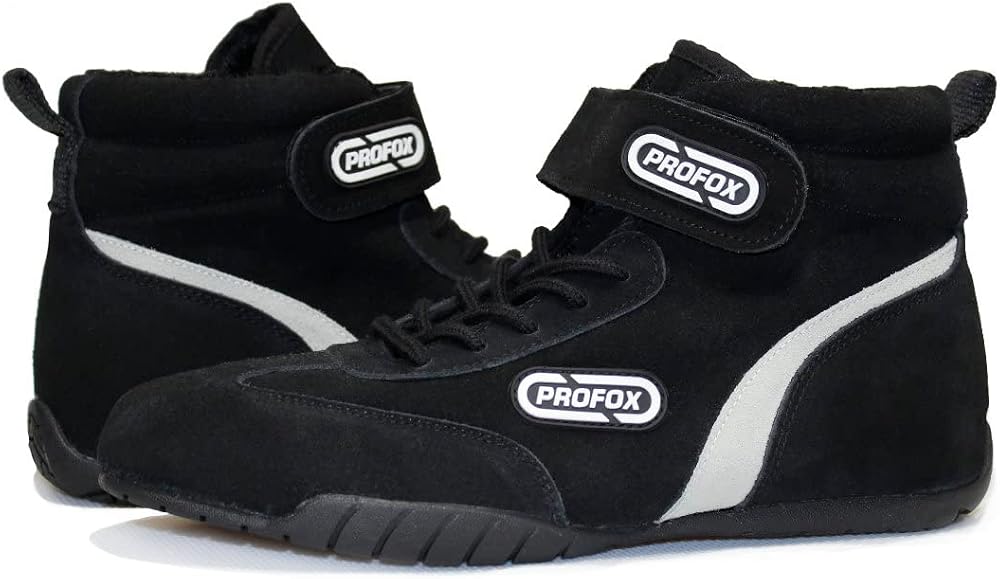
How to choose the best car racing shoes: thin soles for pedal feel, flame-resistant materials, SFI ratings, sizing tips and care.
Race footwear is built for a very specific job: letting your foot feel the pedals precisely while keeping you protected if something goes wrong. The best car racing shoes have a thin sole for feedback, a snug fit that stops your foot slipping and materials that resist heat. The product table above includes SFI-rated auto racing shoes, kart shoes and driving boots, so you can compare the options used on tracks and in club events.
Here is how to read the labels and choose a pair that suits your kind of driving.

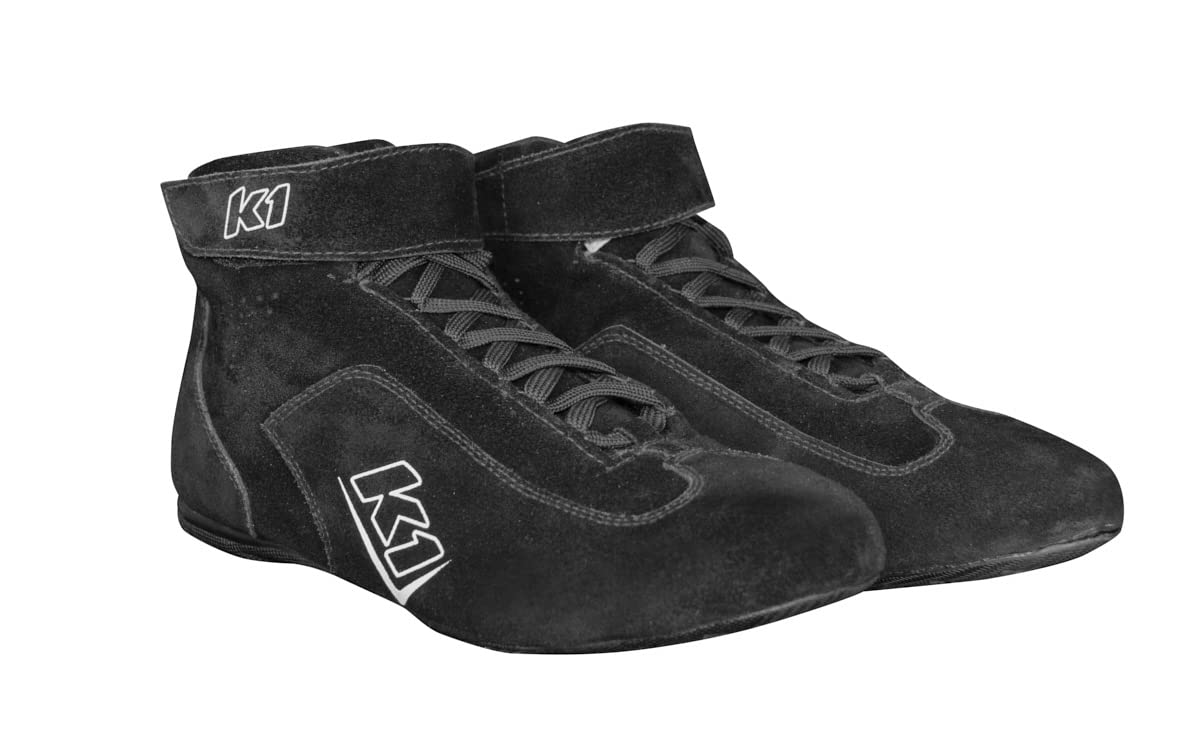

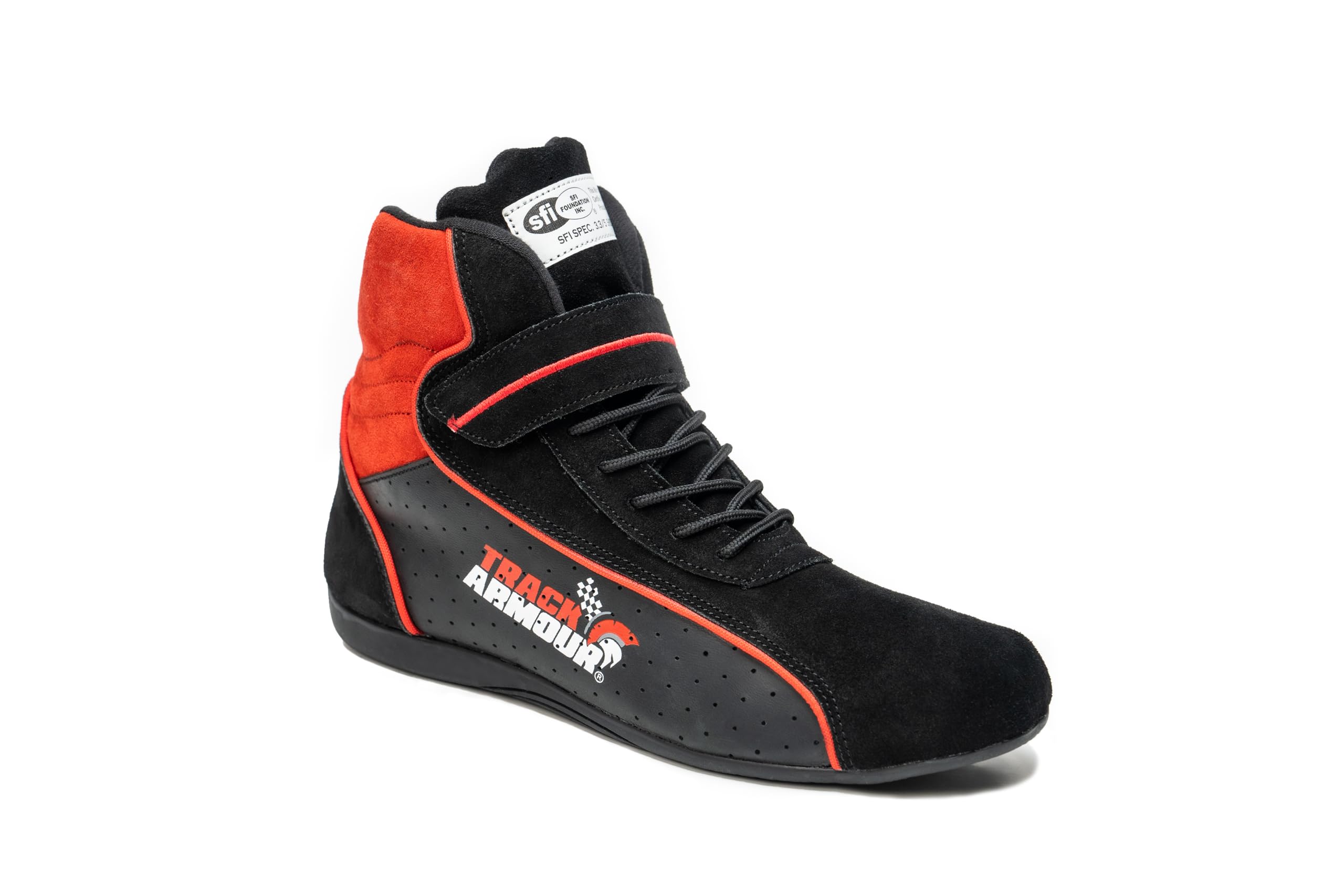


What Makes a Racing Shoe Different
An everyday sneaker has a thick, cushioned sole made for walking. A racing shoe has a thin, flat, flexible sole that lets you feel the throttle, brake and clutch through the pedal. The upper hugs the foot, and the heel is shaped so you can pivot and rock between pedals. The result is more control, particularly when you are heel-and-toeing or making small throttle adjustments.
Because you may spend long sessions in the car, the shoe also needs to be comfortable and breathable without being sloppy.
Fire Resistance and SFI Ratings
Many racing organizations require flame-resistant footwear, and some publish the rating they accept. In the United States, SFI Foundation specifications are widely used to classify driver gear, and shoes carry a rating label showing the specification they meet. Check your series or track rulebook for the required standard, and do not assume that every pair labeled as racing shoes complies. Shoes made with materials such as aramid fibers resist heat better than standard fabrics.
For casual track days, rules vary, and some events only require closed-toe shoes. If you race in a sanctioned class, confirm the requirement with the organizer before you buy.
Styles and Their Uses
- Low-top race shoes: light and flexible, with good ankle freedom. Popular in circuit racing and karting.
- High-top race boots: extra ankle support and coverage, often chosen in drag, off-road and stock car racing.
- Kart shoes: designed for the low seating position and the pedal layout of a go-kart, usually with a flatter sole.
- Driving shoes for the street: soft leather with a thin sole. They give better pedal feel than a sneaker but are not fireproof.
Sole and Grip
Look for a thin rubber sole that grips smooth pedals without catching. A sole that is too grippy can hold on the pedal when you need to move, and a hard slick sole can slip when wet. The shape of the heel matters: a rounded heel makes pivoting easier. A narrow profile helps in a cramped footwell where the brake and the throttle sit close together.
Fit and Sizing
Race shoes should fit snugly but without pressure points. Your toes should not curl, and your heel should not lift when you press the pedal. Size charts vary by brand and may follow European sizing, so measure your foot and compare it with the guide.
If you plan to wear thick socks or fire-resistant socks, try them with that combination. Leather and suede soften as you wear them, but synthetic materials keep their shape, so consider the break-in time.
Materials and Comfort
Suede and leather are durable and mold to the foot, while synthetic fabrics are light and easier to clean. Mesh panels aid ventilation, which matters in a hot cockpit. Reinforced toe and heel areas protect against wear from pedals. A padded tongue and collar add comfort during long sessions.
Care and Maintenance
Let the shoes air out after each session, and keep them dry. Brush off dirt and avoid soaking them. Do not use harsh cleaners on flame-resistant fabrics, because chemicals can reduce their resistance. Inspect the soles and stitching regularly, since a worn sole loses pedal feel and a torn seam lets the shoe fall apart.
Common Mistakes to Avoid
- Wearing thick sneakers on track: they dull pedal feel and may catch on the pedals.
- Buying the wrong size: a shoe that is loose can slip off the pedal.
- Ignoring the rulebook: some series require a specific rating.
- Choosing high-tops for a tiny footwell: extra height can snag.
- Neglecting wear: a worn sole reduces control.
Choosing the Best Car Racing Shoes
Decide what you will drive. A karter needs a flat, light shoe, a stock car driver may prefer a boot and a track-day enthusiast might be fine with a low-top. Check the rule requirements, confirm the size and look at the sole and the weight. Choose a reputable seller with an easy return process, because fit is personal.
Socks, Underwear and the Rest of the Kit
Footwear is one piece of a complete safety setup. Fire-resistant socks, a suit and gloves work together, and a gap in one layer can undo the benefit of the others. Choose socks made for racing, because they are thin enough to fit inside a snug shoe and reduce the risk of blisters. If your event has equipment rules, confirm that every piece meets the same specification.
Moisture management matters too. A hot cockpit makes feet sweat, so socks that wick moisture help prevent slipping inside the shoe. Bring a spare pair for long race days.
Karting Versus Car Racing
Go-karts sit very low, and the pedals are close to the floor, so kart shoes tend to be slim and flat with a flexible sole. Cars with a standard seating position leave more room, which allows slightly taller shoes and boots. Kart racers often value light weight and grip, while stock car and endurance drivers may value protection and padding. If you do both, a versatile low-top can work for each, as long as it meets the rules of your events.
Buying Checklist
- Check the rating label and read the manufacturer's notes.
- Measure your foot at the end of the day when it is slightly larger.
- Try the shoes with the socks you will wear in the car.
- Press the pedal in the shoe, if you can, to check that the heel does not lift.
- Keep the receipt and check the return terms, since fit can only be confirmed in the car.
Related Guides
- Best Racing Shoes
Frequently Asked Questions
Do I need SFI-rated shoes?
Only if your series or track requires it. Check the rules for your event.
Can I use racing shoes on the street?
You can, but they are not designed for walking and may wear fast. Many drivers keep them for track use.
Are thin soles safe?
They are made for pedal feel in a racing setting. For everyday driving, a flat comfortable shoe is better.
How do I choose the right size?
Measure your foot and compare it with the maker's chart. A snug fit with no heel lift is best.
The Bottom Line
The best car racing shoes give you precise pedal feel, a secure fit and the right protection for the type of racing you do. Confirm the rating, check the sizing and keep them clean. With a well-fitting pair, you will notice the difference the first time you roll on the throttle.


