Best Car OBD Scanner: Code Readers, Bluetooth Adapters and Full Diagnostic Tools (2026)
Disclosure: We may earn a commission when you buy through links on this page, at no extra cost to you. As an Amazon Associate I earn from qualifying purchases. Learn more

Compare code readers, Bluetooth adapters and bidirectional scan tools to find the best car OBD scanner for your vehicle and your skill level.
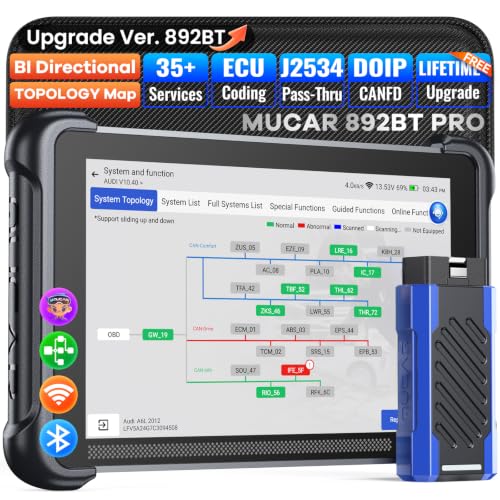
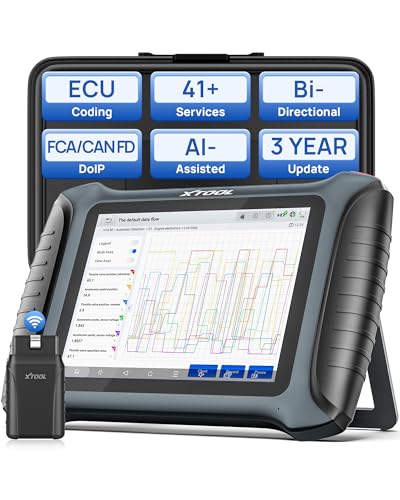
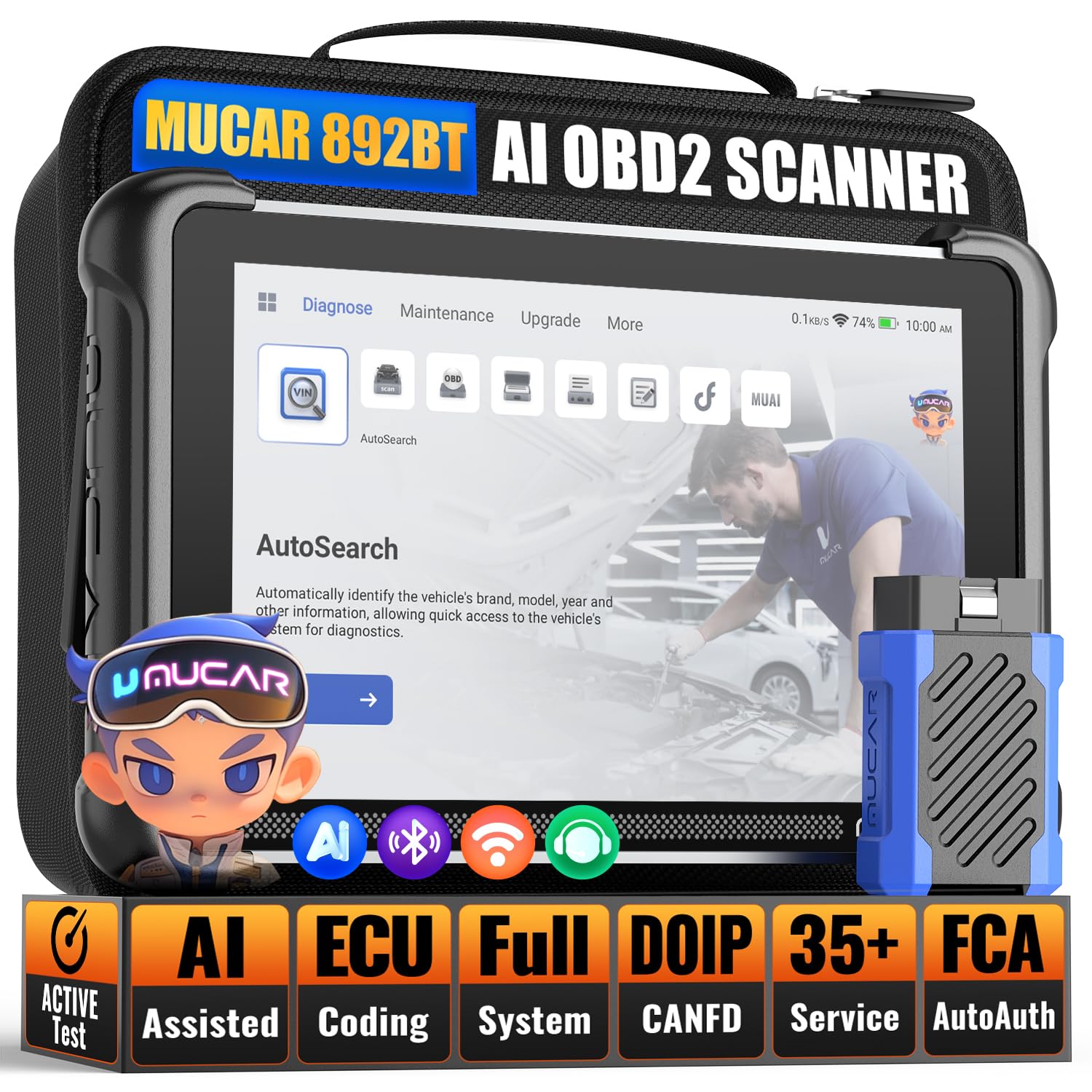
When the check engine light comes on, the first step is to find out why. An OBD scanner plugs into the diagnostic port under the dashboard and reads the trouble codes stored by the car's computer. The best car OBD scanner for you depends on how deep you want to go: a simple reader that names the fault, a phone-based adapter with live data, or a professional-style tool that can command parts and read many control modules. The product table above runs from entry-level readers to advanced tools, so you can match the capability to the need.
Here is how the main kinds differ and what to check before you buy.
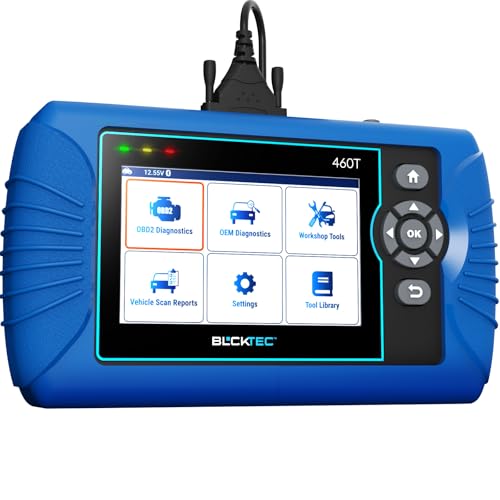
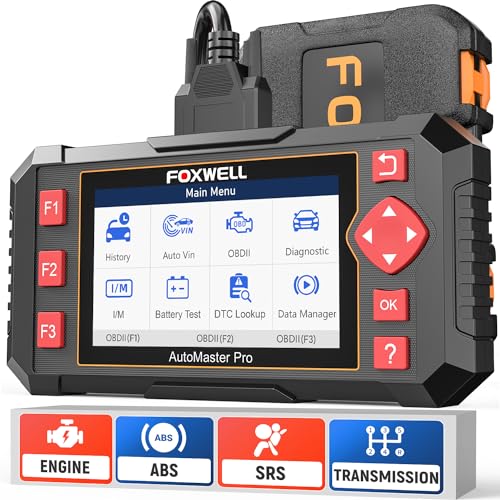
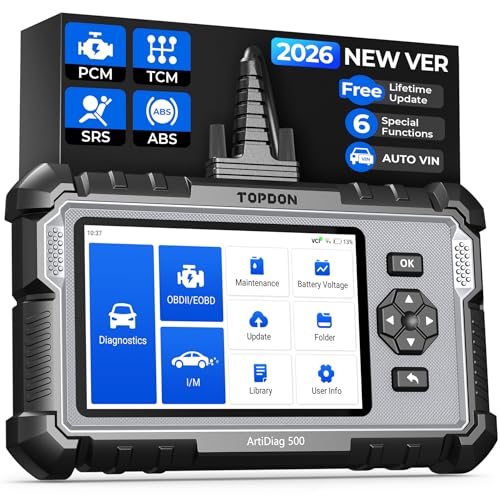
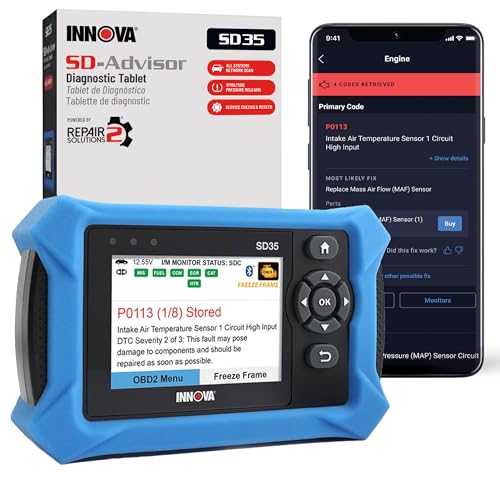
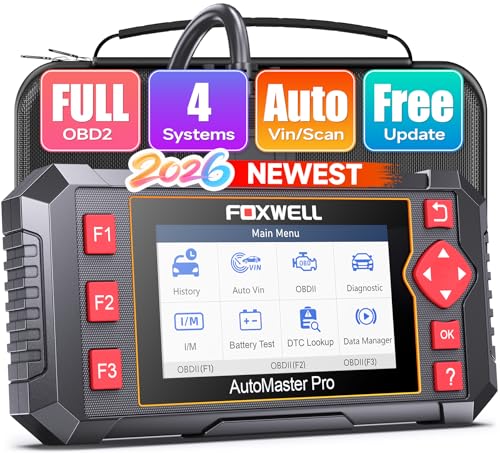
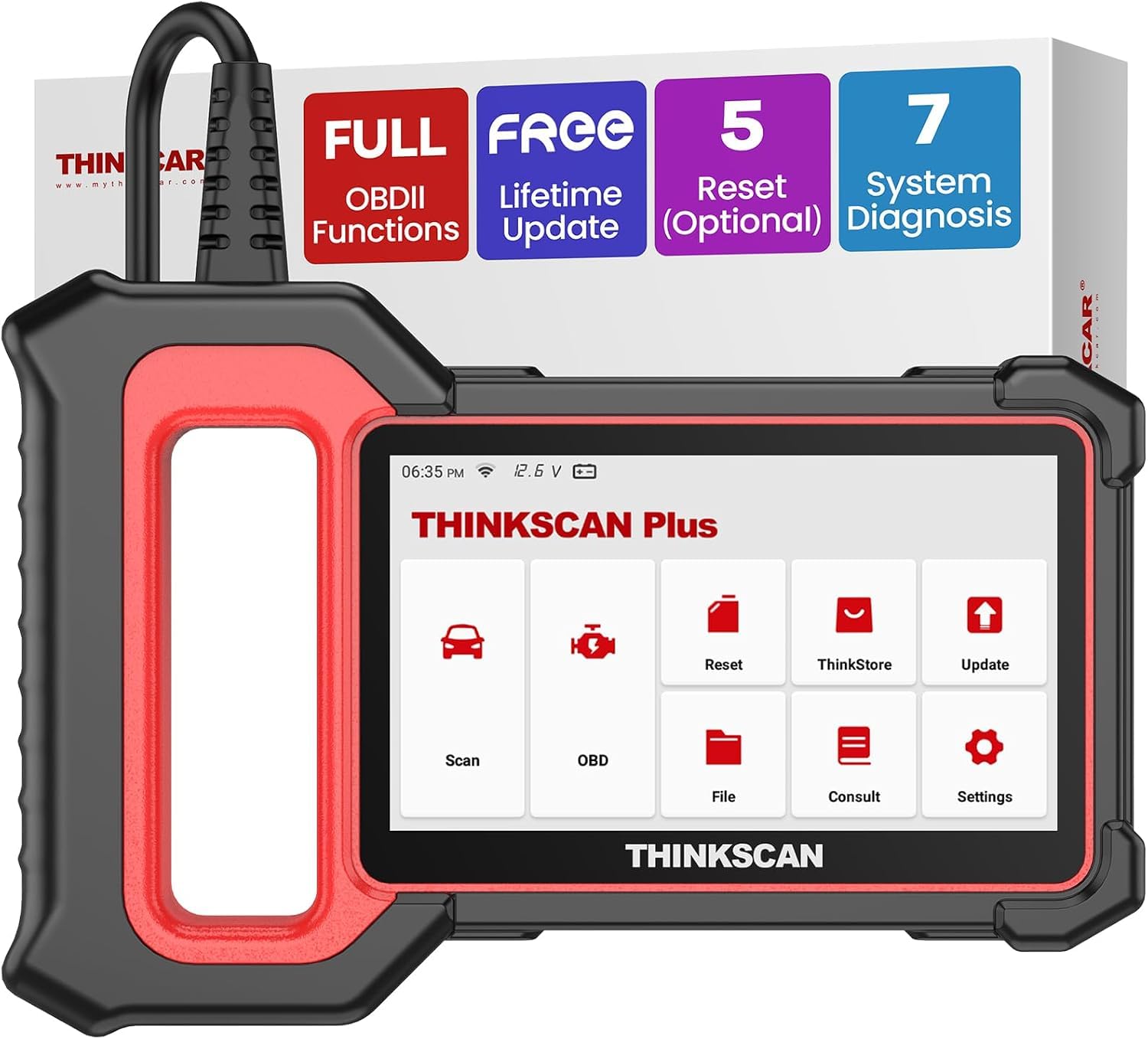

What an OBD Scanner Does
Nearly every modern car has a standard port. A scanner connects to it and reads codes about engine and emissions faults, shows live sensor data such as coolant temperature and fuel trim, and clears the light after a repair. Reading the code does not tell you exactly which part to replace, but it narrows the search so you can make a better decision than guessing.
Types of Scanner
Basic Code Readers
A small handheld reader with a screen and a few buttons. It reads and clears engine codes, shows basic data and checks readiness status for emissions inspections. These are easy to use and good for owners who want to understand a warning light before heading to a shop.
Bluetooth and Wi-Fi Adapters
A small dongle plugs in and talks to an app on a phone. They are compact, often cheaper, and give a rich display, but their features depend on the app. Some apps are free, while some require a paid unlock or a subscription for advanced functions. Check which phones are supported and whether the app is actively updated.
Enhanced Scanners
These add access to other systems such as ABS, airbag, transmission and body modules. If a warning light is for the brakes or the airbag, a basic reader will not see it, so an enhanced scanner is worth considering for owners who do some of their own work.
Bidirectional and Professional Tools
At the top end, a bidirectional scanner can send commands to a component, run self-checks, perform resets and sometimes code or program modules. This is aimed at serious DIYers and small shops, and it carries a higher price and learning curve.
Compatibility Comes First
Vehicles built since the mid 1990s in the United States use a standard port, but not every scanner supports every protocol or every manufacturer's extra data. Check that the listing mentions your make, or the type of engine, such as diesel or hybrid. If you have a European or Asian brand, look for notes on brand-specific coverage.
Features Worth Paying For
- Live data and graphing: it helps you watch a sensor while the engine runs.
- Freeze frame: it saves a snapshot of conditions when a fault occurred.
- Emissions readiness: it shows whether your car is ready for an inspection.
- Code library: built-in definitions save time looking up each code.
- Updates: a tool that receives updates handles newer vehicles.
- Battery check: some readers show charging system voltage.
Using a Scanner Wisely
Plug it in with the ignition on, read the codes and write them down before clearing anything. Clearing codes erases the freeze-frame data and resets readiness monitors, so do it after you have noted the information. A single code can have several causes: a misfire code might come from a plug, a coil, a fuel problem or a vacuum leak.
Use the code as a starting point and check simple things first. If the fault involves brakes, steering or airbags, or if you are unsure, get professional help.
Who Should Buy What
- Occasional owners: a basic reader that names the code is enough.
- Tech-friendly drivers: a Bluetooth adapter with a good app gives live data on a phone.
- DIY maintainers: an enhanced scanner covering ABS and airbag systems is a better fit.
- Enthusiasts and small shops: a bidirectional tool gives control over components.
Choosing the Best Car OBD Scanner
Think about your vehicle, the systems you want to read and how comfortable you are with an app. Decide whether you need engine codes only or access to other modules. Look at the update policy, because a scanner that stops receiving support will age fast. Compare cable length and screen readability, and check the return terms in case it does not read your car.
Reading Codes in Practice
Codes follow a pattern. A code that begins with P relates to the powertrain, which includes the engine and transmission. Codes starting with B point to the body, C to the chassis and U to network communication.
The numbers that follow identify the fault, and a library or a quick online search explains the typical causes. Pending codes mean the computer has seen a problem once but is not yet sure, while stored codes mean the fault has repeated and the light has been turned on.
Look at the freeze-frame data too. It shows the engine speed, load, coolant temperature and other conditions when the code was set. A misfire at idle points to different causes than a misfire under load, and that detail saves guesswork.
Emissions Readiness and Inspections
Many places check whether your car's emissions monitors have completed before an inspection. After you clear codes or disconnect the battery, those monitors reset and need a period of mixed driving to complete. A scanner that shows readiness status lets you see which ones are still pending, so you can avoid a failed inspection simply because you cleared a code the day before.
Common Mistakes to Avoid
- Clearing a code and calling it fixed: if the cause remains, the light will return.
- Buying a reader for a system it cannot see: a basic tool will not show airbag or ABS faults.
- Ignoring battery health: a weak battery can cause strange codes, so check it first.
- Forgetting the app policy: some adapters rely on an app that may become paid or stop updating.
Related Guides
- Best Car Code Scanner
- Best Car Diagnostic Scanner
- Best Scanner For Cars
- Best Obd Bluetooth Scanner
Frequently Asked Questions
Will an OBD scanner work on any car?
Most cars built since the mid 1990s have the port, but support for brand-specific systems varies. Check the compatibility notes.
Can a scanner fix my car?
No. It reads information so you can diagnose the problem. The repair itself still needs the right part or procedure.
Is it safe to clear codes?
Yes, but note them first. If the fault is not fixed, the light will return.
Do I need a subscription?
Some Bluetooth tools require one for advanced features. Basic code reading is usually free.
The Bottom Line
The best car OBD scanner matches your car, your budget and your comfort with data. A simple reader is perfect for most drivers, while advanced tools reward those who want to dig deeper. Read the compatibility notes, understand what each code means and use the tool to make better repair decisions.