
Best Car Neck Pillows: Headrest Support for Long Drives and Daily Commutes (2026)
Disclosure: We may earn a commission when you buy through links on this page, at no extra cost to you. As an Amazon Associate I earn from qualifying purchases. Learn more

Compare the best car neck pillows by shape, foam firmness, strap design and cover, plus how to position one so it supports without pushing your head forward.
Hours behind the wheel can leave your neck tight, especially in a seat whose headrest sits too far back or is shaped for a different body. A small cushion at the right spot can make the headrest feel like it was fitted to you. The best car neck pillows are shaped for the gap between your neck and the seat, hold their position without sliding and stay comfortable through changes in temperature. The product table above leans toward pillows made for driving, with headrest straps and compact profiles.
This guide covers the shapes you will meet, what the foam and cover should do, and how to position the pillow so it helps rather than hurts.
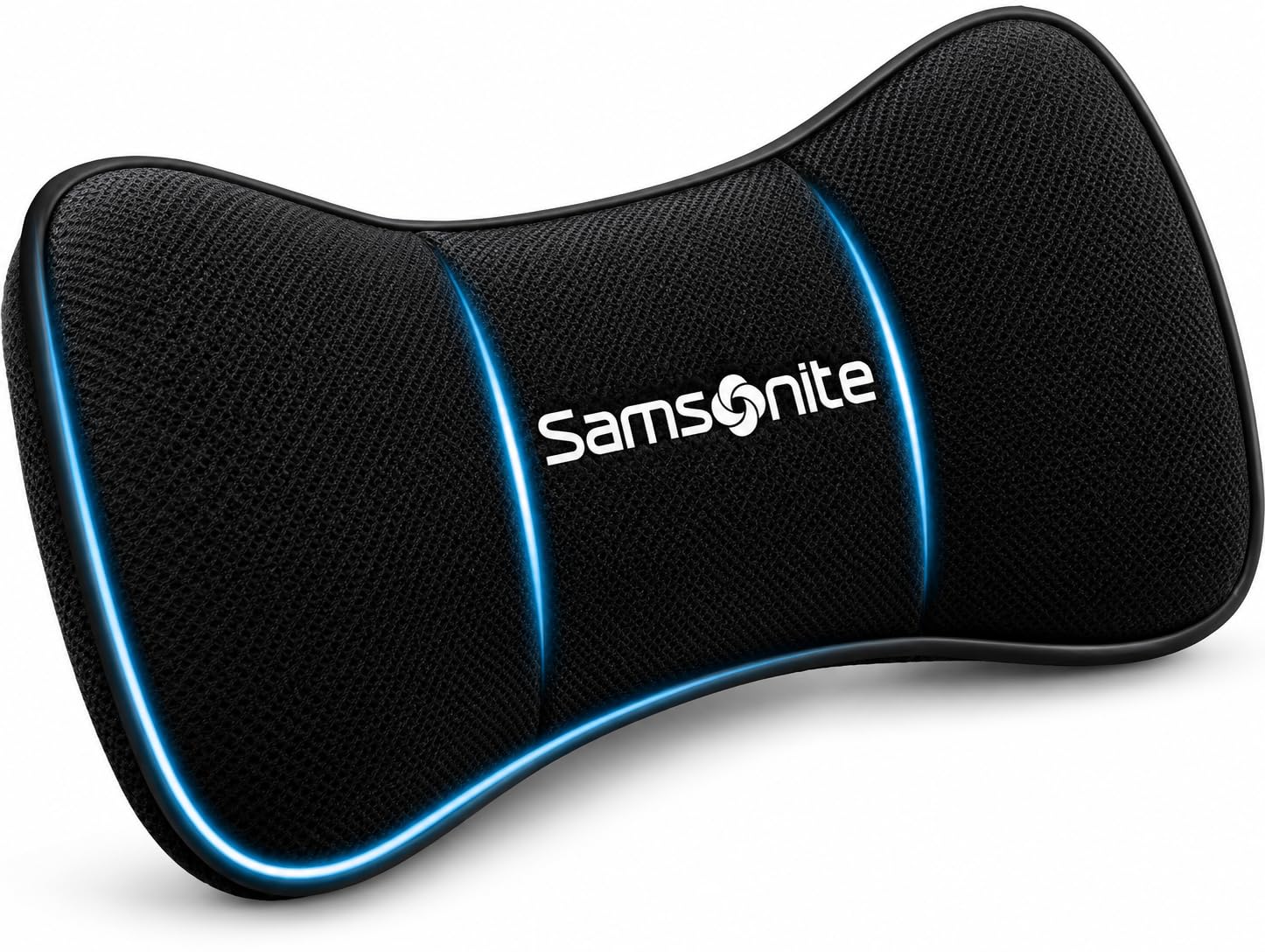


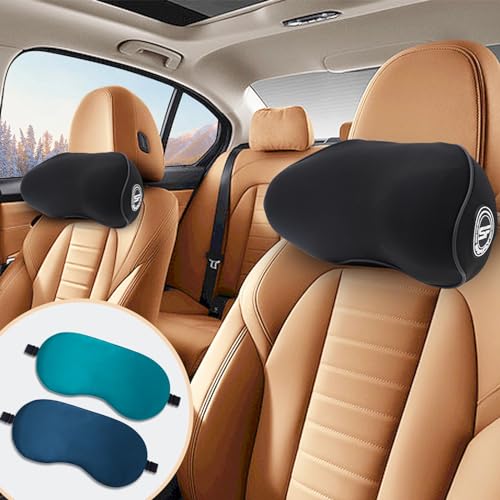


Shapes of Car Neck Pillow
Headrest Cushion With a Strap
The most common design is a curved block that attaches to the headrest by an elastic band or a pair of straps. It sits behind the neck and stays in place when you lean back or move your head. It is the right choice if you drive often, because it can stay installed and does not need adjusting each trip.
U-Shaped Travel Pillow
A horseshoe pillow wraps around the neck. It is easy to use in a passenger seat and in a taxi, but it can push the head forward and does not suit a driver who needs to watch the road. Passengers who nap on the road are the main audience.
Two-Pack Sets
Sold in pairs, these give a cushion for the driver and the front passenger. They are good value for couples and families who share a car.
Combined Neck and Lumbar Sets
Some sets include a headrest pillow plus a back cushion. These are convenient if you want both in one purchase, but check that each piece is sized properly for your seat.
Foam, Fill and Firmness
Memory foam is the usual choice because it molds to the neck and returns to shape. It responds to temperature, so it feels firmer in the cold and softer when warm. A cushion that is too soft will flatten and stop supporting, while a very hard one can create pressure points. Look for a foam with a medium feel and a shape that does not push your chin toward your chest.
A cover with a breathable fabric and a removable, washable design makes it easy to keep clean. Mesh panels reduce heat build-up in summer, and a soft velour or knit cover feels pleasant in winter.
Fit and Positioning
The pillow should fill the curve of the neck without lifting the head forward. Sit in your normal driving position, with your back against the seat, and place the pillow so it touches the back of your neck and your head rests lightly against it. If you feel your chin tipping forward, the pillow is too thick or sits too high.
Some drivers like to position the cushion lower, closer to the base of the neck, while others prefer it near the skull. Try small adjustments over a few days to find what feels right. The headrest itself should still sit behind the head, and it should still be adjusted to the correct height, since it is a safety device first.
Effects on Safety
A headrest cushion changes the distance between your head and the head restraint. If the pillow is thick, it can push the head forward and reduce how well the restraint works in a collision. Choose a slim profile, keep it firmly strapped in place so it cannot slip, and follow your vehicle manual's guidance on head restraints. If neck pain is a recurring issue, ask your doctor or a physiotherapist rather than relying on a cushion alone.
Matching a Pillow to Your Driving
- Daily commuters: a slim strap-on cushion that stays installed is the easiest to live with.
- Long-haul drivers: consider a pair of cushions, one at the neck and one at the lower back, with breathable covers.
- Passengers and sleepers: a U-shaped pillow or a wrap-around design is better for napping.
- Tall drivers: a thicker pad may suit you, but check that it does not push your head forward.
- Hot climates: look for mesh or cooling covers.
What to Check Before You Buy
- Does the strap fit around your headrest posts or stay secure on a one-piece seat?
- Is the cover removable and washable?
- Does the cushion keep its shape after being compressed?
- What is the return policy if the shape does not suit you?
Choosing the Best Car Neck Pillows
Start with your seat. A tall, thick headrest may already support the neck well, and you might only need a small cushion. A low or sloped seat usually needs more.
Compare shape, thickness and strap design, then consider the cover and how easy it is to clean. A short trial period matters because comfort is personal, so buy from a seller with an easy return process.
Material Choices Beyond Memory Foam
Memory foam dominates this category, but it is not the only option. Shredded foam or fiber fill is lighter and allows you to adjust the shape by moving the fill around, which suits drivers who change positions. Gel-infused foam stays a little cooler against warm skin.
Inflatable pillows pack very small but tend to feel less stable and are better for passengers than for a daily driver. If you are sensitive to smells, air a new foam pillow out for a day before use, since fresh foam can have a noticeable odor.
Cleaning and Care
Remove the cover regularly and wash it following the label, since oils and sweat build up where the neck rests. The foam itself should not go in the washing machine. Spot clean with a damp cloth and mild soap, then let it dry completely in open air. Sunlight through the windshield can dry out and fade covers over time, so a pillow that stays in the car all summer will wear faster than one you bring indoors.
Common Mistakes to Avoid
- Choosing a thick pillow for a short neck: more padding is not better support.
- Leaving the strap loose: a pillow that drifts behind your back after a few turns is more annoying than none.
- Using a travel pillow as a driver: keep U-shaped designs for passenger seats.
- Ignoring the seat design: sport seats with built-in wings may leave no room for an extra cushion.
Related Guides
- Best Neck Pillows
- Best Pillows For Sore Neck
- Best Pillows For Neck Problems
Frequently Asked Questions
Can a neck pillow help with neck pain from driving?
It may make the seat more comfortable, but it is not a medical treatment. If you have ongoing neck pain, ask your doctor.
Should the pillow touch my head?
Your head should rest lightly against it, not be pushed forward. If it pushes your chin down, choose a slimmer one.
How do I keep the pillow from slipping?
Use the strap tightly and adjust it so the pillow stays centered. A non-slip backing helps.
Are travel pillows safe to use while driving?
U-shaped pillows are meant for passengers. Drivers should use a slim headrest cushion that keeps the head in a natural position.
The Bottom Line
The best car neck pillows are slim, stable and shaped to the curve of your neck, with a cover you can wash. Check fit, avoid anything that pushes the head forward and choose a seller with a fair return policy. A well chosen cushion can turn a long drive from an ordeal into a routine trip.


