Best Car Mat Liners by Budget: Smart Choices for 2026
Disclosure: We may earn a commission when you buy through links on this page, at no extra cost to you. As an Amazon Associate I earn from qualifying purchases. Learn more

Compare car mat liners by price, fit, raised edges and material, with clear guidance on what each budget tier adds, what to skip and how to clean them.
Prices for a full set of liners range from under $40 to about $250, and the gap is not just branding. The best car mat liners for your vehicle depend on how much water, mud and grit you carry in. This guide shows where extra money buys better coverage, so you can read the comparison table below with a clear budget in mind.
Start with two facts: your vehicle model and year, and the mess you deal with most often. The sections below match user groups, fit types and price tiers to those needs.




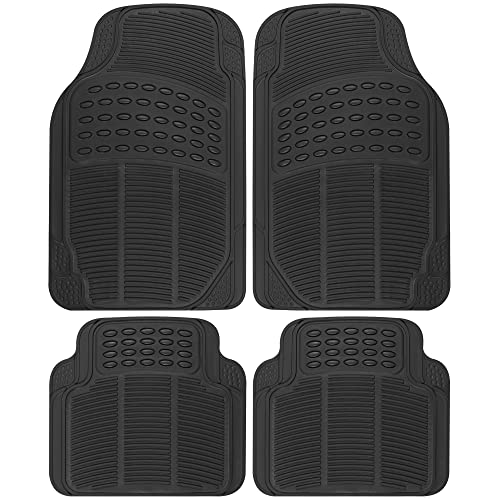
Who Should Buy Which Car Mat Liners?
Your daily routine, not the price tag alone, should set your tier.
Daily Commuters in Mostly Dry Conditions
You drive to work, park on pavement and rarely carry more than coffee, dust and dry leaves. A lightly channeled liner in the budget tier usually gives you enough protection, and it lifts out in seconds for a quick shake. Prioritize a correct fit and a surface that wipes clean, rather than tall walls you will seldom fill. Add a matching rear piece before upgrading the front set.
Families, Dog Owners and Weekend Haulers
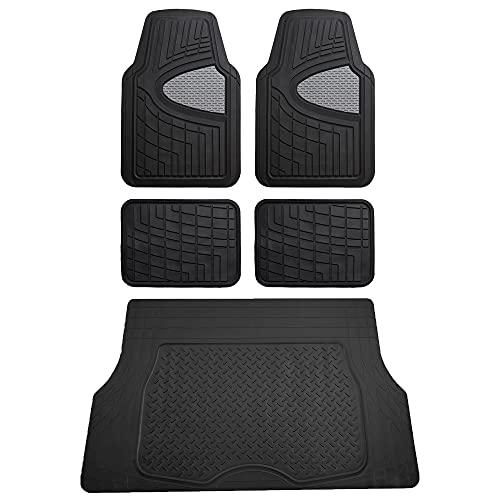
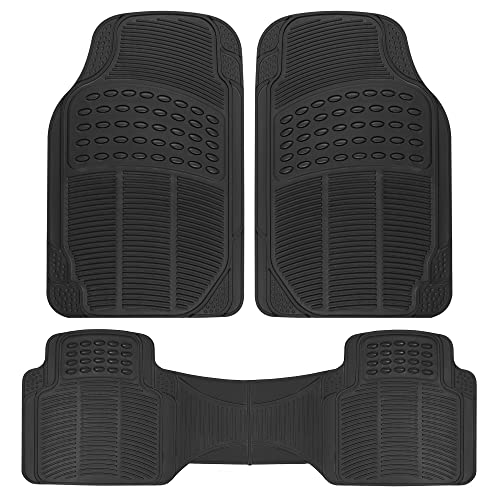
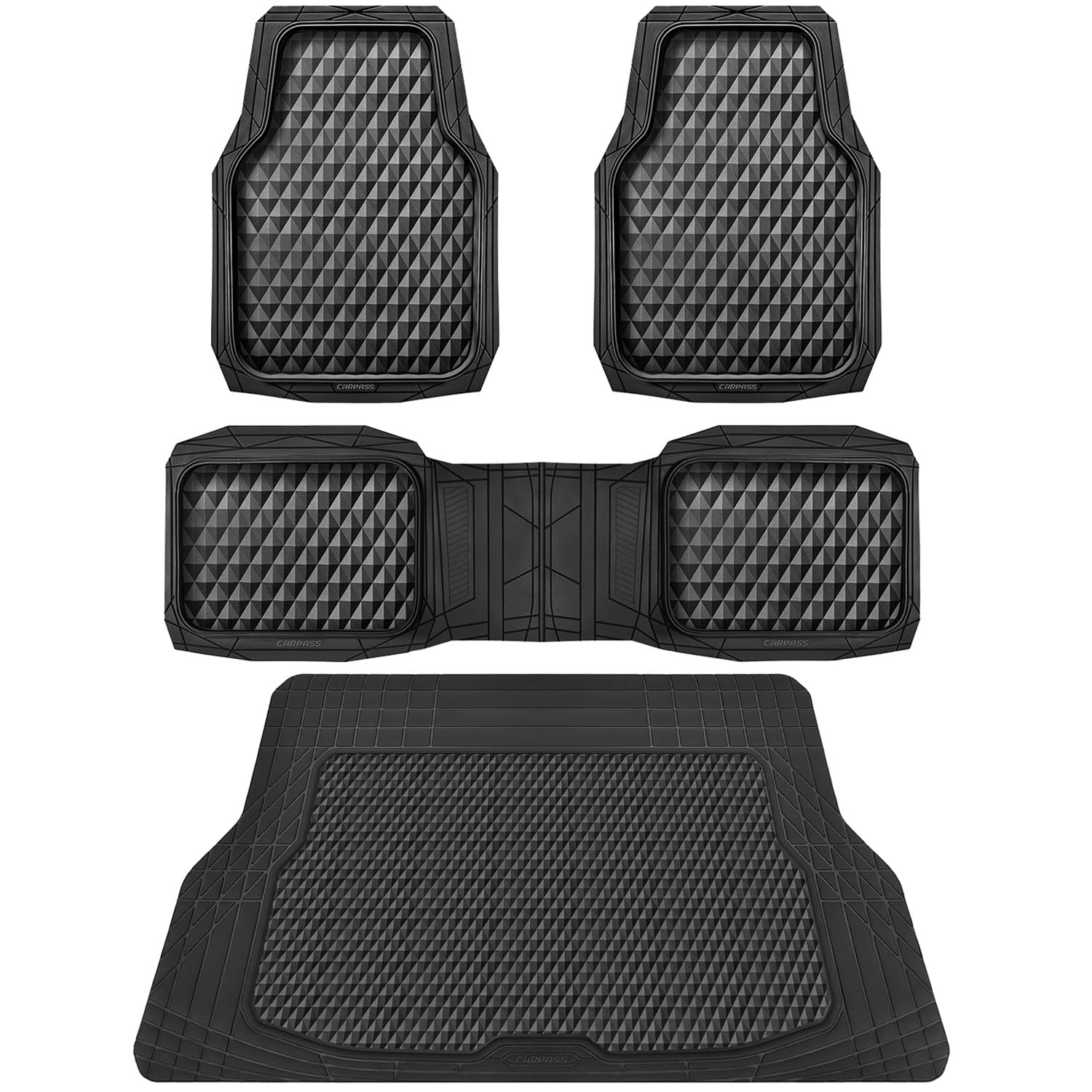
You deal with spilled drinks, snack crumbs, wet paws and sports gear, often in the same week. Look for a molded liner with raised edges on all sides and channels that hold liquid away from shoes. Full rear row coverage matters here, because one wide piece protects the center hump that separate mats leave bare. This group usually gets the best value from the midrange tier.
Drivers Facing Snow, Mud and Work Site Grit
You step in wearing heavy boots, track in road salt and may carry tools or garden supplies. You need the deepest tray shape you can find for your model, with coverage that climbs partway up the footwell walls. A stiff material that keeps its shape in cold weather helps the edges stay upright. For severe weather, see our guide to the best all weather car mats.
Key Features to Compare
Compare these factors in order, because fit and containment decide performance long before color or branding does. When you compare best car mat liners across tiers, these differences explain most of the price gap.
Fit Type and Coverage Area
Liners come in three fit types. Vehicle specific molds follow the exact contours of one model and cover the footwell edges, while trim to fit sets have marked lines you cut with scissors. Universal sets cost least but often leave gaps at the corners where grit collects. Check coverage for the dead pedal area, the rear transmission hump and the space under the front seats.
Raised Edges and Tray Depth
The raised lip around a liner is what turns it from a mat into a tray. Low edges of about half an inch suit dry dust and light rain, while taller edges of about 1 to 2 inches hold melted snow and spilled drinks until you can empty them. Depth only helps if the walls stay upright, so look for reinforced corners that do not fold inward.
Material: Rubber, Vinyl and Modern Elastomers
Traditional rubber is flexible and grippy, and our guide to the best rubber car mats covers that option in depth. Vinyl sets cost less but can curl at the edges and grow stiff in cold weather, while rubber can carry a strong odor when new. Modern elastomer blends, often sold as TPE, hold a molded shape and resist staining. For most drivers, elastomers offer the best mix of durability and easy rinsing.
Backing, Retention and Pedal Safety
A liner must stay exactly where you place it, especially under the driver pedals. Look for nibs or a textured backing that grips the carpet, plus compatibility with the factory retention posts many vehicles have near the seat rails. Before driving, press the liner flat and confirm it cannot slide forward or bunch near the pedals. Heavier liners with deep backing texture suit vehicles without posts.
Price Tiers Buy Fit Precision and Coverage
Price tiers track fit precision and coverage more than raw material thickness.
Budget Tier: Basic Protection at About $30 to $60
Budget options are usually universal or trim to fit sets in vinyl or thinner rubber, with low edges and simple channels. They suit a second car, a short ownership window or a driver whose main problem is dry dirt. Expect to trim corners yourself, and expect a shorter life at the heel. What you give up is containment, so a large spill will still reach the carpet.
Midrange Tier: Molded Fit and Taller Lips at About $60 to $120
This tier buys you model aware shapes, taller raised edges and materials that stay flexible across seasons. Many sets here include a one piece rear liner and a reinforced heel area on the driver side. For families and pet owners, this is where spending stops feeling optional. For the wider category view at this level, see our guide to the best floor mats for car.
Premium Tier: Exact Molds and Extra Coverage at About $120 to $250
Premium sets are molded for one exact vehicle, often with coverage that extends up the footwell walls and under the seat edges. Materials feel denser and warranty terms tend to be longer. Larger vehicles pay more, so if you drive a three row model, see our guide to the best car mats for suv before setting your budget. Pay this much when you keep vehicles for years and face serious weather.
Wear, Replacement and the Real Cost Over Years
The purchase price is only part of what a set costs you. A budget liner that wears through at the heel in two winters costs more over six years than a midrange set that lasts the whole period. Add the price of a cargo area liner later if you haul wet gear, and buy it while your set is current so the material and color match. Cleaning costs stay low for every tier, and some brands sell a single replacement driver liner.
Common Mistakes to Avoid
- Buying a universal set for a narrow footwell leaves folded corners that catch your shoes and let grit reach the carpet.
- Choosing the tallest tray walls for a compact car can block a seat that slides far forward, limiting rear legroom.
- Ignoring the factory retention posts lets a smooth backed liner creep toward the pedals, which is a safety problem.
- Ordering front liners only leaves the rear center hump exposed and the two sets aging at different rates.
- Using a strong solvent cleaner on an elastomer liner can dull the surface and make later dirt stick faster.
- Storing a wet liner folded in a trunk grows mildew odor that transfers to the cabin when you reinstall it.
Care and Maintenance for Car Mat Liners
Shake each liner outside the vehicle at least once a month, and more often in winter when salt builds up in the channels. Rinse with plain water, scrub dried mud with a stiff brush and mild soap, then dry fully before reinstalling, because trapped moisture can leave the carpet beneath damp for days.
Inspect the driver liner every few months for thinning at the heel, cracks along fold lines and edges that no longer stand upright. Check that retention points still hold firmly. Avoid oily dressings meant for tires, because they make the surface slick underfoot and can transfer to shoe soles and then to the pedals.
FAQ
Are expensive car mat liners worth it?
Expensive car mat liners are worth it only when you keep the vehicle for years and regularly face snow, mud or spills, because the extra money buys an exact mold and taller containment. One point buyers overlook is resale: clean original carpet is easier to show a future buyer than stained carpet.
How do I maintain a car mat liner?
Remove the liner, shake it away from the car, then rinse and brush it with mild soap. A useful extra step is to clean the underside as well, because fine grit trapped below the liner grinds into the carpet as you drive. Let both the liner and the exposed carpet dry before refitting, and skip close range pressure washing.
How much should I spend on car mat liners?
Most families land well in the midrange, at about $60 to $120 for a front and rear set, because that budget covers the one piece rear liner that protects the center hump. If your children are past the spill heavy years, step down a tier and put the savings toward a cargo liner instead.
What features matter most in car mat liners?
Tall, stiff edges and deep channels matter most for wet use, because melted snow behaves like a slow spill that seeks the lowest corner. Check the outer edge near the door sill in photos of your vehicle, since coverage there stops salty water wicking into the carpet edge.
How long does a car mat liner last?
A car mat liner usually lasts about three to five years in daily use, and longer in a rear row that sees less wear. Sunlight through the windshield ages the driver side fastest, so uneven fading shows age rather than dirt. Replace a liner when its edges lie flat or its backing no longer grips.
Wrapping Up
Set your budget by your mess and your vehicle, not by the longest feature list. Fit type, raised edges and material decide how a liner performs, and the midrange tier covers most drivers well. Use the product table above to compare coverage, tray depth and price for your exact model.
When you choose best car mat liners with those three factors settled first, the right tier becomes obvious. Spend on containment you will actually use, keep the set clean and dry, and your carpet will look close to new for years.