Best Car Floor Mats for Snow in 2026: Buying Guide
Disclosure: We may earn a commission when you buy through links on this page, at no extra cost to you. As an Amazon Associate I earn from qualifying purchases. Learn more

Compare the best car floor mats for snow by tray depth, vehicle fit, grip and cold weather material, so melt water and road salt stay off your carpet.
Snow season turns every trip into a small flood. Boots carry in packed snow, slush, and road salt, and all of it melts onto your carpet within minutes of the heater kicking on. The best car floor mats for snow catch that melt water in a deep tray, keep salt off the carpet, and stay put under your heels while you drive.
This guide compares the main types of snow ready mats by fit, tray depth, grip, and ease of cleaning, so you can match a set to your vehicle and your winters. The comparison table below sums up the key differences before the details.


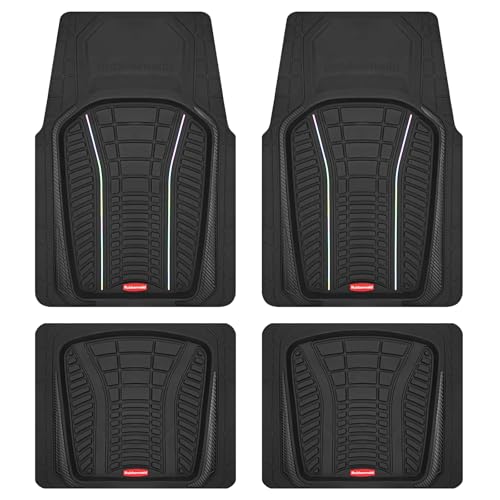
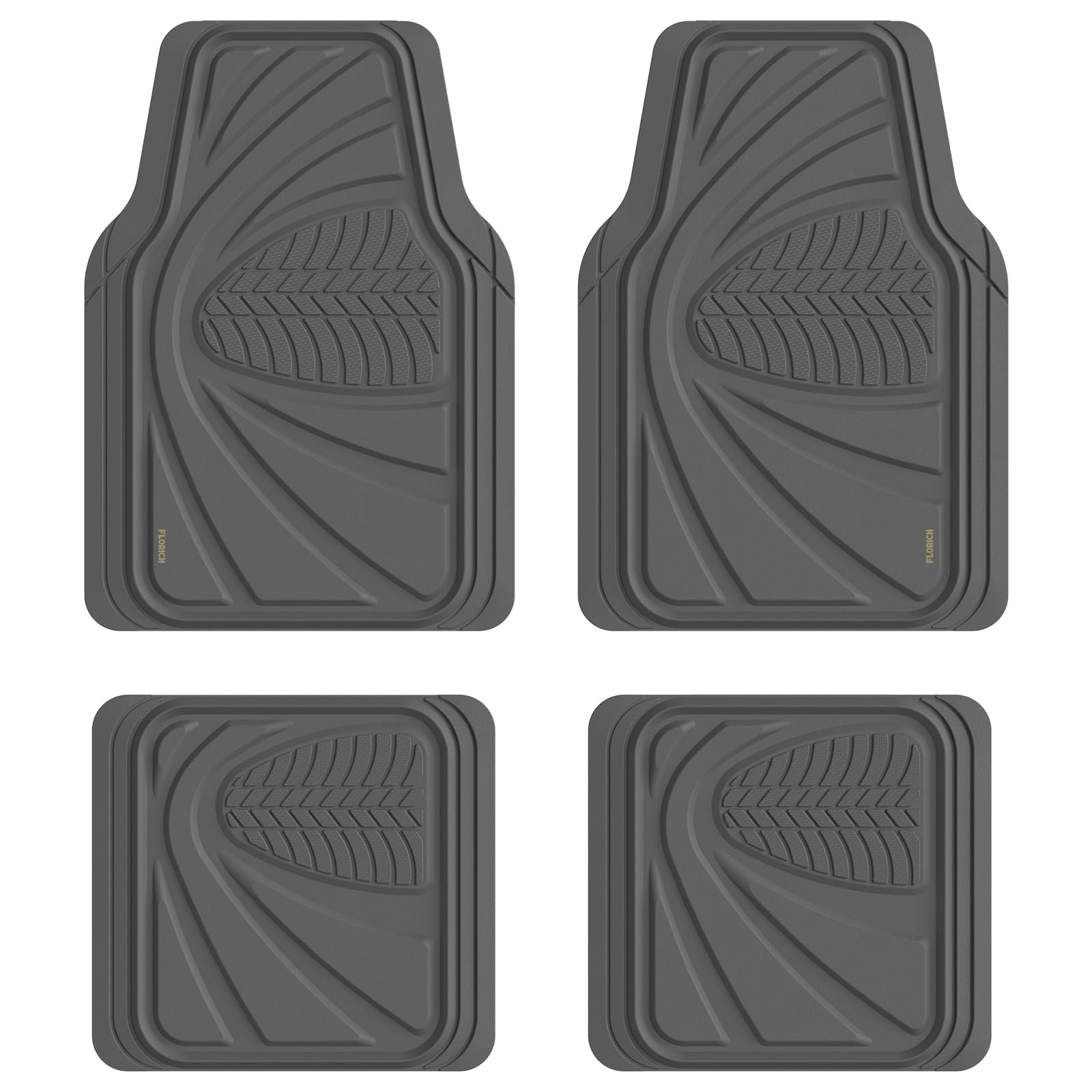

Who Should Buy Which Type of Snow Mat?
Daily commuters in slushy cities
If you park on the street and climb in with wet boots twice a day, you need a tray style liner with raised edges all the way around. Melt water pools in the tray instead of running off the sides, and the ribbed surface gives your wet soles something to grip. A full coverage set for the front and rear rows keeps salt spray from soaking through at the seams between smaller mats.
Families hauling kids and gear
School runs and ski trips mean boots, snow pants, and spilled drinks in the back seat. Look for a one piece rear mat or liner that runs across the center hump, because separate rear mats leave the middle strip of carpet exposed to dripping boots. Easy removal matters here too, since you will shake out and rinse these mats often during the season.
Drivers in mild snow regions
If your winters bring a handful of light snowfalls rather than months of slush, a simpler rubber mat set may be enough. You still want channels deep enough to hold a small amount of melt water and a back that grips the carpet, but you can skip the tallest tray walls. Our broader guide to the best car floor mats covers options for drivers who want one set that works across all seasons.
Key Features to Compare
Mat type and coverage style
Snow mats come in four main styles. Tray liners are molded with raised walls and hold the most melt water, which suits heavy snow areas. Flat rubber mats have channels that trap some water but can overflow in deep slush. Carpet mats absorb moisture instead of containing it, so they stay damp and are a poor match for snow. Trim to fit mats start oversized and get cut along marked lines, which gives a semi custom shape at a lower price. For most snow belt drivers, a molded tray liner in the front row does the hardest work.
Vehicle compatibility and fit
Fit decides how much carpet stays dry. Custom fit liners are shaped for one exact vehicle, following the footwell curves and clearing the pedals, seat rails, and dead pedal. Universal mats are cheaper and swap between cars, but gaps at the edges let melt water reach the carpet. Check the listing against your year, make, model, and cab style, and confirm whether the set covers the rear row and the cargo area or only the front footwells. If exact fit matters most to you, see our guide to the best custom fit car floor mats for how that shaping works.
Tray depth and raised edges
A pair of boots can carry a surprising amount of snow into the car, and it all becomes water. Deeper trays with walls around one to two inches high hold that water through turns and braking without spilling onto the carpet. Look at the edge near the door sill and the seat, because low spots there are where melt water escapes first. Surface channels help by spreading water out so your heel is not sitting in a puddle while you drive.
Material and cold weather flexibility
Rubber and rubber like compounds stay flexible in freezing weather, so the mat keeps its shape and does not crack when you flex it to empty the tray. Some stiff plastics turn brittle in deep cold and can curl at the edges, which breaks the seal against the footwell. Thickness matters for durability under the driver heel, the spot that wears first. If you prefer natural rubber feel and simple rinsing, our guide to the best rubber car floor mats explains the trade offs of that material in more depth.
Grip on top and underneath
Two kinds of grip keep you safe and comfortable. On the underside, nibs or a textured backing stop the mat from sliding forward under the pedals, and many sets use the factory retention posts on the driver side. That anchor point is a safety feature, not a detail to skip, because a mat that creeps forward can bunch near the pedals. On top, raised ribs give wet boot soles traction as you get in and out on icy ground.
Installation and daily ease of use
Most snow mats install in minutes. Remove the old mats first, never stack a new mat on top of an existing one, then set the new mat in place and press it onto the retention posts if your vehicle has them. During the season, ease of use means you can lift the tray out with two hands without spilling the melt water it holds, shake off the slush, and drop it back in. Stiff, well shaped trays make this far easier than floppy flat mats.
Warranty and price expectations
Warranties on mats range from one year to lifetime coverage against defects and cracking, and longer coverage usually signals a thicker, more durable compound. Basic universal rubber sets often cost about $25 to $50. Custom fit front and rear tray sets commonly run about $100 to $250 depending on vehicle size and whether a cargo liner is included. Paying more mainly buys exact fit, deeper trays, and better cold weather material rather than extra features you will never use.
What Matters Most When Snow Is the Main Threat
Snow is different from rain or mud because it arrives solid and melts slowly inside a warm cabin, releasing water over the whole drive. Road salt rides along with it, and salt is what stains carpet and corrodes the floor pan over time if it soaks through repeatedly. That is why containment beats absorption for this job. A mat that holds water until you empty it protects both the carpet and the metal under it.
Coverage up the sides of the footwell matters too, because boots rest against the transmission tunnel and the outer wall near the door. Liners molded with raised sides guard those vertical surfaces, while flat mats only protect the floor. Drivers comparing all weather sets for mixed rain and snow can also read our guide to the best all weather car floor mats, which weighs the same containment questions for year round use.
Common Mistakes to Avoid
- Stacking a new mat over the old one. The extra height can interfere with pedal travel and lets both mats slide.
- Choosing carpet mats for a snowy climate. They absorb melt water, stay damp for days, and grow musty odors.
- Ignoring the driver side retention posts. An unanchored mat can creep forward and bunch near the pedals.
- Buying universal mats that are too small. Exposed edges around the footwell let slush reach the carpet with every entry.
- Leaving melt water sitting in the tray. Standing water spills on the first hard turn and adds humidity that fogs the windows.
- Forgetting the rear row. Passengers track in just as much snow, and rear carpet stains are easy to miss until spring.
How to Make Your Snow Mats Last Longer
Empty the tray before it fills. On slushy days, a quick lift and tip at your destination keeps water off the carpet and stops salt from sitting against the mat surface. Rinse mats with plain water every week or two during the season to wash off the salt film, which dries out rubber compounds over time. A soft brush loosens grit caught in the channels.
Let mats dry fully before putting them back, and store off season sets flat rather than folded, because long folds can become permanent creases that break the tray seal. If you want a full step by step routine, our guide on how to clean car floor mats walks through washing and drying for each material. Check the driver side heel area each spring, since that spot thins first and a worn patch lets water straight through.
FAQ
Are tray liners or flat rubber mats better for snow?
Tray liners work better in regions with frequent or deep snow because the raised walls hold melt water through turns and stops. Flat rubber mats handle light, occasional snow well enough and cost less. One point buyers miss is the door sill edge: trays seal that side, while flat mats often leave a gap where slush drips in as you get out.
Can snow mats stay in the car all year?
Yes, most rubber and molded liner sets are built for year round use and also catch rain, mud, and spilled drinks. The trade off is looks and feel, since some drivers prefer carpet mats in summer for a softer cabin feel. If you swap seasonally, store the off season set flat and clean so grit does not grind into the surface.
How do I stop snow mats from smelling musty?
Musty smells come from water and grit sitting in the tray too long, so empty and rinse the mats more often during heavy slush weeks. Dry them fully in open air before reinstalling, and check the carpet underneath once a month, because trapped moisture under a waterproof tray can keep the carpet damp. A dry carpet plus a clean tray solves most odor problems without any sprays.
Do snow mats fit over factory carpet mats?
No, they should replace the factory mats rather than sit on top of them. Stacking raises the surface near the pedals and prevents the retention posts from locking the mat in place. Remove the original set, store it clean and dry, and install the snow set directly on the carpet so the molded edges meet the footwell walls as designed.
How much snow melt can a typical tray liner hold?
Capacity varies with footwell size, but a deep front tray can hold roughly a cup or two of water before it nears the lowest edge. You rarely need the full capacity, because most snow falls off your boots as you knock them together before getting in. Making that quick boot knock a habit cuts the water your mats must handle by a large share.
Final Thoughts
For snowy winters, the winning formula is containment: a molded tray that fits your exact vehicle, stays flexible in the cold, anchors to the factory posts, and lifts out easily for emptying. Match tray depth to how much snow your area really gets, cover the rear row if passengers ride along, and rinse off salt through the season. Start with the best car floor mats for snow that fit your vehicle properly, and check the product table above to compare the main types side by side before you order.