Best Car Charger for Android: A Complete Buying Guide
Disclosure: We may earn a commission when you buy through links on this page, at no extra cost to you. As an Amazon Associate we earn from qualifying purchases. Learn more

Android phones do not all charge the same way, and that is exactly why a charger that works great for one friend's phone can leave yours crawling along at half speed. Some Android devices still use an older port, others expect a specific fast-charging protocol, and a few can pull noticeably more power when you are running turn-by-turn navigation on top of everything else. Picking the best car charger for android devices means looking past the wattage number printed on the box and understanding how your particular phone actually accepts power. This guide breaks down what really matters so you are not guessing at the store or scrolling through mismatched reviews.



![USB A to USB C Cable 3A Fast Charging [2Pack 3FT], USB](https://images-na.ssl-images-amazon.com/images/I/41Z%20YNMtNaL.jpg)
Port Type and Cable Compatibility for Android Phones
Unlike phones from a single manufacturer that all share one port style, Android covers a huge range of devices, and that shows up in the charging port. Most phones released in the last several years use USB-C, which is now the standard across flagship and mid-range models alike. But plenty of budget phones, older hand-me-downs, and some accessories still ship with micro-USB, and a charger built only around USB-C output does nothing for a device that physically cannot plug into it.
Check the Port Before the Wattage
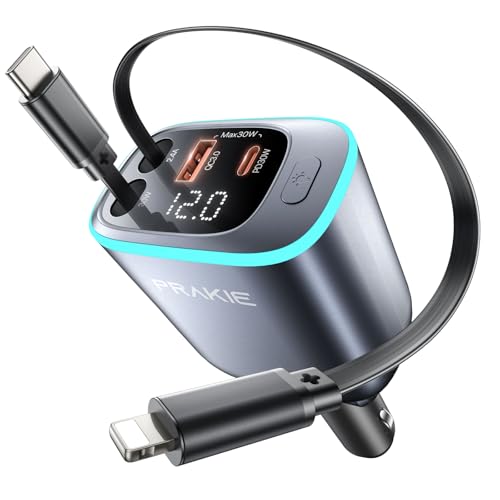
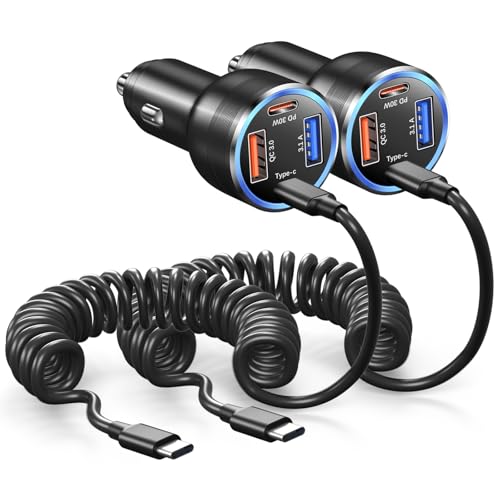
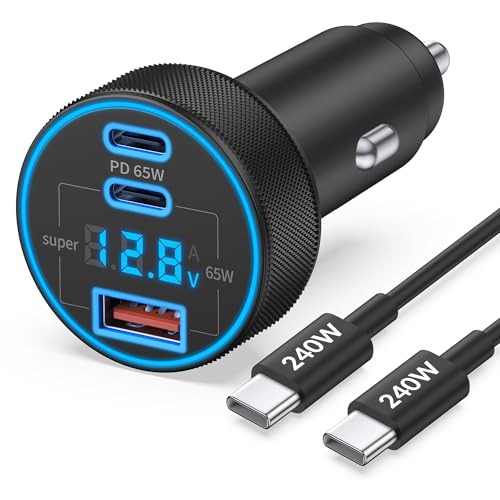
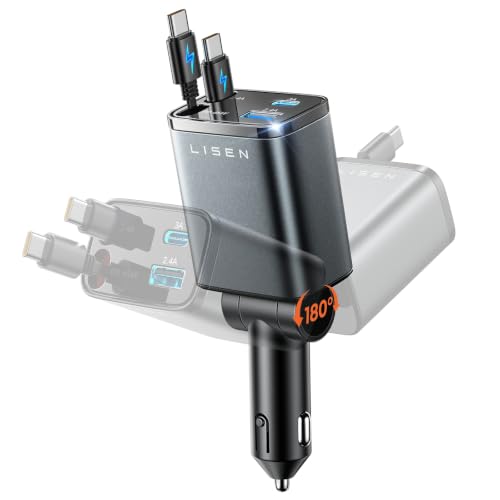
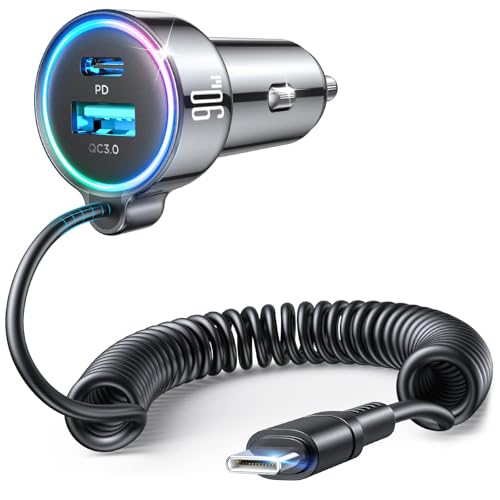
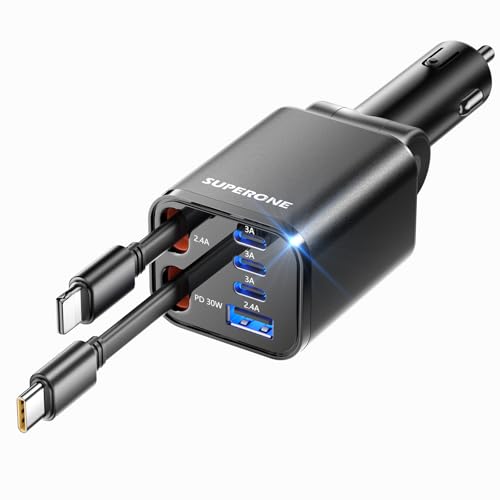
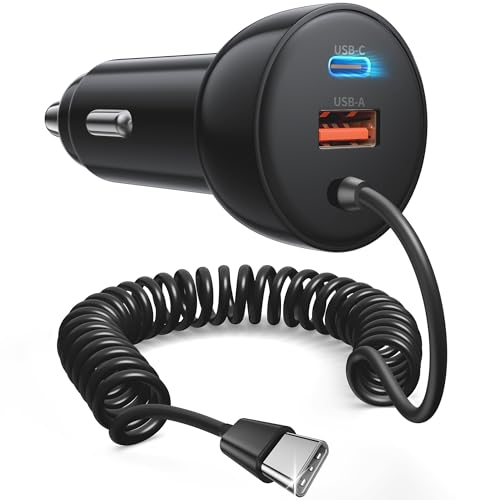
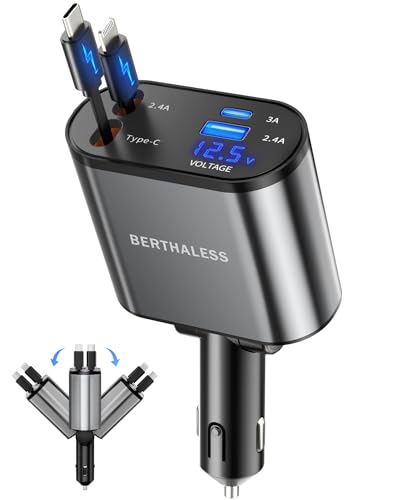
Before comparing charging speeds, confirm what port your phone actually has. If it is micro-USB, you need a charger with a USB-A output and a compatible cable, since a USB-C-only port on the charger will not help unless you also carry an adapter. If you share a car with family members or regularly have passengers charging their own phones, a charger that mixes a USB-C port with at least one USB-A port covers more real-world situations than an all USB-C unit.
Cable Quality Still Limits Speed
A charger rated for high output cannot push that power through a cable that is not built to carry it. Thin, unrated cables are a common reason people assume a charger is defective when the charger itself is fine. Match the cable's rated wattage to the charger's output, and replace any cable that feels unusually thin or has a loose-fitting connector.
Fast-Charging Standards Your Android Phone Might Use
Android fast charging is less standardized than it looks on paper, and this is where a lot of buyers get tripped up. Several different protocols exist, and a phone only charges at its fastest when the charger speaks the same one it does.
Quick Charge
Quick Charge is a protocol built specifically for phones using certain processors, and it shows up often on mid-range and budget Android devices. A charger that lists Quick Charge support will fast charge a compatible phone, but it will not necessarily do anything extra for a phone that was not built around it.
USB Power Delivery and PPS
Power Delivery is an open standard, meaning it was not designed around one specific chipset, and a growing number of Android phones support it either as their primary fast-charging method or as a fallback. A newer variation called PPS fine-tunes the voltage in smaller steps and is often what current-generation Android phones expect to reach their highest charging speed, similar to how it works with USB-C chargers in general.
Proprietary Fast Charging
Some Android manufacturers use their own fast-charging technology that only unlocks full speed with a matching charger and cable from the same ecosystem. A universal charger can usually still charge these phones, sometimes even quickly, but it may not hit the exact peak speed the manufacturer's own charger reaches. If your phone came with its own wall adapter, check what protocol is printed on it before assuming any fast car charger will match that number.
Power Needs for Navigation and Android Auto While Driving
A lot of Android car charger shopping happens because the phone doubles as a navigation device, and that changes the math on what wattage you actually need. Running maps with the screen on, especially over a wired Android Auto connection, draws considerably more power than a phone sitting idle in a cupholder. A charger that would comfortably top off a resting phone can end up barely keeping pace, or even losing ground, once navigation, music streaming, and a paired Bluetooth connection are all running at once.
If long drives with navigation are part of your routine, look for a charger that comfortably exceeds your phone's minimum fast-charging wattage rather than one that just barely meets it. This is often where a car charger for android navigation use starts to separate itself from a basic model, since it gives you headroom for those higher-draw moments instead of leaving your phone at the same battery percentage after an hour on the highway.
Certifications and Safety Features That Matter (No MFi Required)
One thing Android buyers do not need to worry about is any manufacturer certification program tied to a specific phone brand. That kind of licensing requirement applies to a different ecosystem entirely, and its absence on a charger's packaging says nothing about how well it will work with an Android phone. What actually matters is far more practical.
Look for a listed safety certification such as UL 2089, which covers vehicle-specific chargers, along with basic protections against overcurrent, overvoltage, and short circuits. A metal or well-shielded housing handles heat better than an all-plastic shell, which matters if your car regularly sits in direct sun. These details tell you far more about long-term reliability than any brand-specific badge would.
Choosing a Charger for Mixed or Older Android Devices
Households rarely upgrade every phone at once, so it is common to have a newer USB-C device and an older micro-USB one that both need to charge in the same car. In that case, a single-port USB-C charger forces a choice every trip, while a charger with one USB-C port and one USB-A port lets both devices plug in without an adapter. For comparison, if every phone in your household is already on USB-C, a USB-C car charger built entirely around modern Power Delivery speeds may be the simpler and more future-proof pick.
It also helps to think about your next phone, not just your current one. If you are due for an upgrade soon and expect to move to a newer USB-C model, a charger that leans toward USB-C output with a secondary USB-A port for guests or older devices tends to age better than one built entirely around an older standard.
Frequently Asked Questions
Does every Android phone use USB-C now?
Most current phones do, but plenty of budget models and older devices still use micro-USB. Check your specific phone's port before assuming USB-C compatibility.
Will a Power Delivery charger fast charge a Quick Charge phone?
Often yes, since many phones support more than one protocol as a fallback, but the charging speed may land lower than what a matching Quick Charge charger would deliver.
Do I need MFi certification for an Android car charger?
No, that certification program applies to a different phone ecosystem and has no bearing on Android compatibility or performance.
Why does my phone charge slower while using navigation?
The screen, GPS, and Android Auto connection all draw power at the same time, which competes with the incoming charge. A higher-wattage charger reduces this effect but does not eliminate it entirely.
Can I use a USB-C to USB-C cable on a micro-USB phone?
No, the connector shape is physically different, so you need either a USB-A to micro-USB cable or an adapter that matches your phone's port.
Is a higher total wattage always better for an Android car charger?
Not necessarily. What matters more is the wattage available on the single port you actually use, since a high combined total can still leave individual ports underpowered.
Making the Right Call for Your Android Setup
The best car charger for android phones is the one that matches your actual port, supports a fast-charging protocol your phone recognizes, and holds up to real driving conditions like heat and long navigation sessions. Skip the marketing wattage race and focus on per-port output, port type, and a real safety certification instead. Get those details right and your phone will charge reliably no matter which Android device ends up in the cupholder.