
Best Car AC Leak Sealer for 2026: A Budget Level Buying Guide
Disclosure: We may earn a commission when you buy through links on this page, at no extra cost to you. As an Amazon Associate I earn from qualifying purchases. Learn more
How car AC leak sealers work, which leaks they may help and when to see a shop, with clear guidance on sealer type, UV dye and fit.
When a car air conditioner slowly loses cooling, a small leak in a hose, seal, or connection is a common cause, and a sealer can seem like a simple fix. The best car ac leak sealer for your situation depends on the size of the leak, the type of refrigerant in your system, and whether the system still holds some pressure. This guide compares sealers by spending level and by sealer type, so you can judge when a sealer is worth trying and when it is not.
Keep expectations realistic. Sealers are made for tiny leaks at seals and joints, not for cracked hoses, damaged condensers, or a compressor that has already failed. If cooling drops fast, if you hear a loud hiss, or if the system is fully empty, a shop inspection is the safer next step. Read the maker label, and follow your vehicle manual before adding anything to the system.
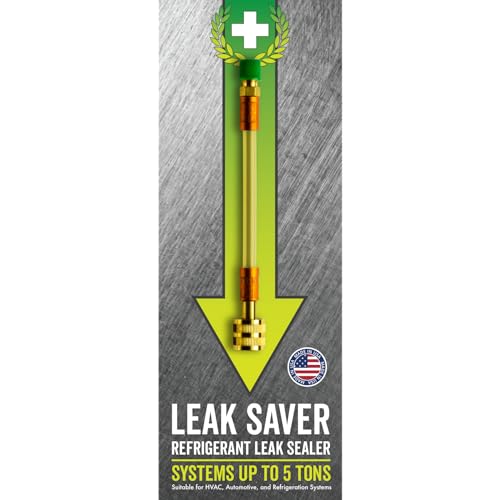


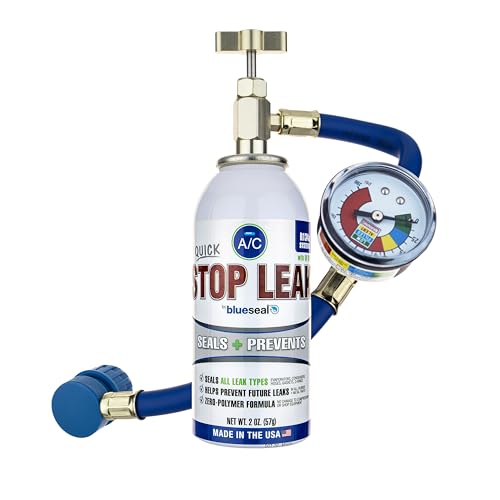
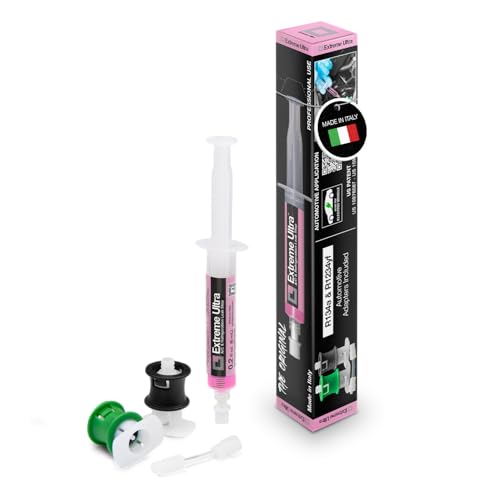
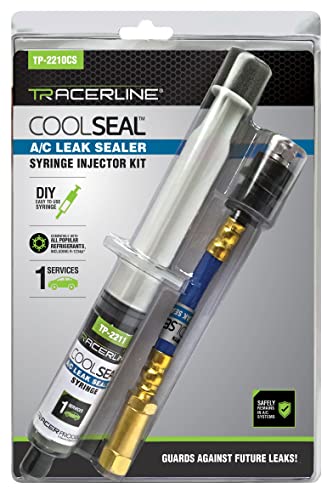
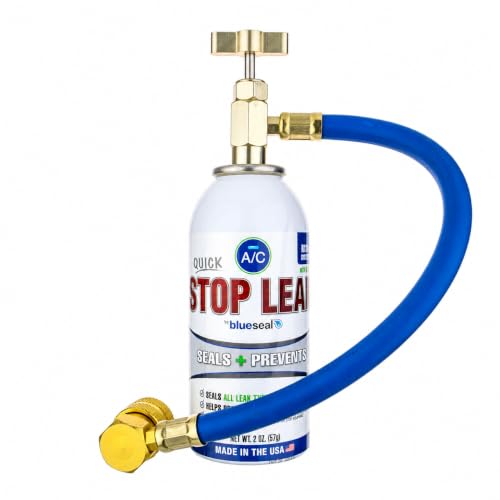
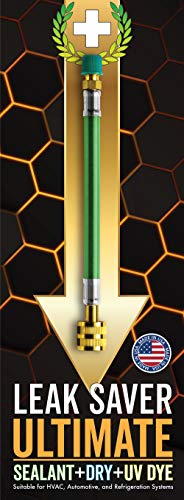
Spending Levels Compared
The price tiers below describe what you usually get at each level, not specific products. Use them to match your budget to the kind of leak you are dealing with.
Budget Level: Simple Sealers for Small Leaks
Budget options, usually about $15 to $30, tend to be a single can or bottle with a basic hose and gauge. They suit a slow leak that takes weeks to reduce cooling, where the system still runs and still holds pressure. The trade off is less guidance on dose and fewer extras, such as dye for finding the leak later. For a first try on a minor leak, this level can be a low cost way to test whether sealing helps at all.
Mid Level: Sealers With Dye and Better Fit
Mid level options, usually about $30 to $55, often add UV dye, a clearer gauge, or an adapter that fits more service ports. Dye is useful because it can help a technician find the leak later if the sealer does not hold. This level suits drivers who want a better chance of a clean install and a clearer record of what was added. Check that the adapter and refrigerant type match your vehicle before buying.
Higher Level: Sealers for Larger Systems and Repeat Use
Higher priced options, usually about $55 to $90, may include a larger volume, a more complete kit, or a formula made for larger systems such as trucks and SUVs. They do not make a large leak sealable, and they do not repair mechanical damage. This level makes most sense when you have a large system, when you want dye included, or when you want enough product for a careful second application as directed by the maker.
What Your Money Gets You at Each Price Tier
Price alone does not tell you whether a sealer will work, so compare what changes as you move up in price. The points below help you judge value without overpaying for features you do not need.
Budget Tier: What to Expect
At the budget tier, expect a basic sealer with simple instructions and a basic connector. The formula may still seal a tiny leak at a rubber seal or joint, but you may get little help with diagnosis. This tier is best for a slow, minor leak in an older vehicle where a low cost trial makes sense. Do not expect it to fix a leak that empties the system in days.
Mid Tier: A Practical Balance for Most Drivers
The mid tier often gives the best balance for most drivers, because dye and a better gauge add real value without a large price jump. Dye can save time later, since a shop can trace a leak that returns instead of guessing. A clearer gauge also helps you avoid overfilling, which can harm cooling. If you are unsure which tier to pick, this is usually the sensible middle ground.
Premium Tier: When Spending More Pays Off
Spending more pays off mainly when you need a larger volume, a fuller kit, or a formula rated for a bigger system. It does not turn a sealer into a repair for a cracked part, and a higher price does not guarantee a longer lasting seal. Before paying more, check the refrigerant type, the system size, and whether dye is included, since those factors matter more than the price label.
Features Worth Paying For (and Ones to Skip)
Use this section to separate features that help from features that sound useful but add little for most drivers.
Sealer Type and Leak Size
Most sealers are made for tiny leaks at seals, O rings, and joints, where a small amount of material can plug a pinhole gap. They are not made for split hoses, corroded metal lines, or a leaking compressor shaft seal that is already badly worn. If you do not know the leak size, start with the assumption that it is small only if cooling fades slowly over weeks. A fast loss of cooling points to a larger problem that a sealer is unlikely to fix.
Dye for Finding Leaks Later
UV dye is worth paying for if you may need a shop visit later, because it leaves a visible trace at the leak point under UV light. Without dye, a technician may need more time to locate a leak that returns after sealing. Dye does not seal anything by itself, so do not choose a product for dye alone if the formula does not match your system. If your system already has dye from a prior service, adding more may not help.
Refrigerant Fit and Adapter Type
Fit matters more than brand claims, so check the refrigerant type listed in your vehicle manual, such as R134a or R1234yf, and buy only a sealer made for that type. Also check the service port adapter, since a poor fit can leak during filling and give a false gauge reading. Never mix refrigerant types, and never force an adapter that does not seat cleanly. When in doubt, ask a qualified mechanic before adding anything.
Warranty and Maker Support
A clear maker guide, a readable label, and a stated warranty are worth more than vague promises about performance. Look for plain instructions on dose, waiting time, and when to run the air conditioner after adding the sealer. Avoid products that promise a permanent fix for every leak, since no sealer can do that. Keep the receipt and the product label, so a shop knows exactly what was added if you need help later.
Long Term Costs to Factor In
The can or bottle is only part of the cost. If the sealer does not hold, you may still pay for a shop diagnosis, a proper repair, and a system recharge, so a cheap trial can end up costing more than going to a shop first for a large leak. Also factor in the cost of a gauge or adapter if your kit lacks one, and the cost of refrigerant if the system needs topping up. For a slow leak in an older vehicle, a trial may still be good value, but for a newer vehicle under warranty, check the warranty terms first, since it may affect coverage.
Frequently Asked Questions
Will a car AC sealer fix any leak in my system?
No, a car AC sealer will not fix every leak, and it works best only on tiny leaks at seals and joints. It cannot repair a cracked hose, a corroded line, a damaged condenser, or a failed compressor. If cooling fades over weeks, a small leak is possible, but if cooling drops in days, the leak is likely too large for a sealer. In that case, a shop inspection is the better choice, since it can find the failed part and prevent further damage.
How do I know if my car AC leak is small enough for a sealer?
A small leak usually shows as cooling that fades slowly over several weeks, while the system still runs and still holds some pressure. A large leak often shows as warm air within days, a loud hiss, oil stains near a fitting, or a system that will not hold pressure at all. You can also look for dye traces if dye was added before, but a visual check cannot prove leak size on its own. When you are unsure, have a shop test the system before adding a sealer.
Is a car AC sealer safe for my compressor?
A sealer made for your refrigerant type and used exactly as directed is generally meant to pass through the system without harming a healthy compressor. Problems are more likely when the wrong type is used, when the system is overfilled, or when a sealer is added to a system that already has a mechanical fault. Follow the dose on the label, run the air conditioner as directed, and stop if you hear new noises or if cooling gets worse. See a qualified mechanic if anything seems wrong.
Should I choose a sealer with dye in it?
Yes, dye is often worth choosing, because it helps a technician find the leak later if the seal does not hold. Dye leaves a trace at the leak point that shows under UV light, which can save diagnosis time and cost. Dye alone does not seal a leak, so it should be an extra feature, not the main reason for buying. If your system already contains dye, check the maker guide before adding more, since extra dye may not help.
How long does a car AC sealer last?
There is no fixed lifespan, since the result depends on leak size, system condition, and driving conditions. A tiny seal leak may hold for a season or longer, while a larger leak may return within days or weeks. Heat, vibration, and pressure cycles all stress the seal over time. If cooling fades again after sealing, do not keep adding sealer, since repeated doses can mask a growing fault, and have the system checked instead.
Our Verdict
A sealer is a reasonable trial only for a slow, small leak in a system that still holds pressure, with the right refrigerant type and a clear maker guide. For fast cooling loss, visible damage, or a system that is fully empty, a shop repair is the safer and often cheaper long term choice. If you do try a sealer, choose one with dye when it fits your system, follow the dose exactly, and keep the label for any future service. In short, the best car ac leak sealer is the one that matches your system and your leak, so compare the product table above against your refrigerant type before you buy.


