
Best Canvas Ballet Shoes: 2026 Dance Shoe Buying Guide
Disclosure: We may earn a commission when you buy through links on this page, at no extra cost to you. As an Amazon Associate I earn from qualifying purchases. Learn more

Canvas ballet shoes are light, breathable, and easy to break in. Compare full and split soles, sizing, and drawstrings to find a pair that fits your dancing.
A guide to the best canvas ballet shoes matters because fit shapes everything in ballet, from balance to foot articulation. Canvas shoes are light, breathable, and mold to the foot faster than leather, which makes them popular for classes, rehearsals, and exams. The comparison table below compares full sole and split sole canvas shoes side by side.
Canvas shoes suit dancers who want a close, flexible feel and a shoe that breaks in quickly. They wear faster than leather and offer less support, so they suit studio floors and regular classes rather than rough outdoor use. This guide explains sole types, sizing, drawstrings, and care, and helps parents, students, and adult beginners choose with confidence. Keep those points in mind as you compare the best canvas ballet shoes.


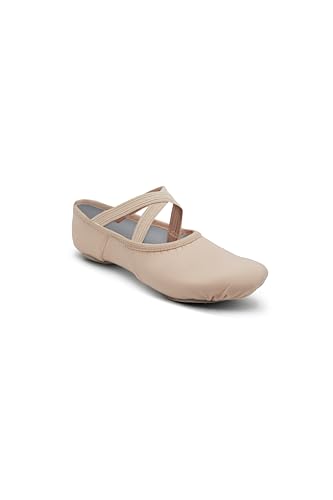
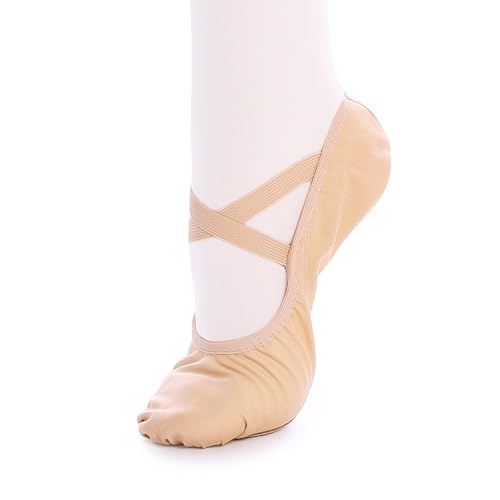
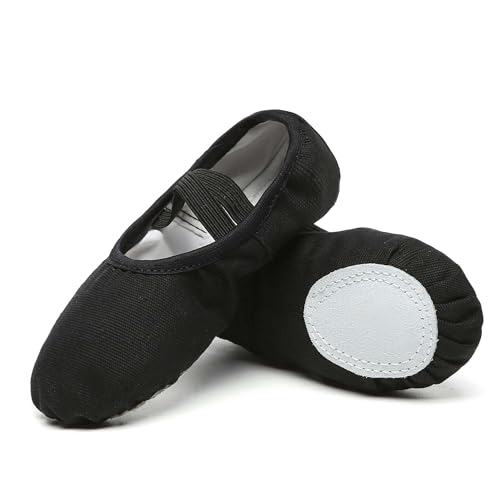
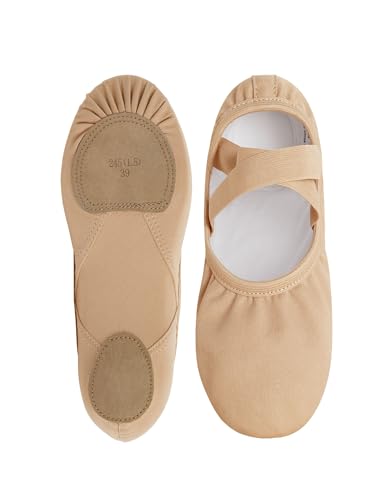


Who Should Wear Canvas Ballet Shoes
Students in regular classes benefit most from canvas shoes, since they are affordable, breathable, and easy to replace as feet grow. Children outgrow shoes fast, so a lower priced canvas pair that fits well beats an expensive pair that pinches. Adult beginners also like canvas for its soft feel and quick break in.
Advanced dancers often keep canvas shoes for classes and rehearsals, saving leather shoes for performances where support and durability matter more. Dancers with narrow feet often find canvas molds better to their shape. Dancers who need strong arch support or who dance on rough floors may prefer leather for its sturdier feel.
Full Sole Versus Split Sole
Full sole shoes have one continuous sole from heel to toe, which supports the foot and helps beginners build strength and alignment. Teachers often recommend full soles for young students, since the resistance helps develop foot muscles and control. Full soles can feel stiffer and show less of the arch line.
Split sole shoes have separate pads under the ball and heel, with a flexible middle that lets the foot arch fully. They show a beautiful foot line and suit intermediate and advanced dancers. They offer less support, so they suit dancers with already strong feet. Choose full sole for building strength, and split sole for articulation once strength is established.
Sizing and Fit
Ballet shoes should fit like a second skin, snug without pinching toes or bunching fabric. Toes should lie flat, not curled, and the heel should stay put when you point. Canvas stretches with wear, so a snug first fit usually relaxes into comfort. If a shoe feels roomy on day one, it will likely feel loose within weeks.
Drawstrings adjust the fit around the foot. Tie them in a small knot and tuck the ends inside, or cut and knot them short, following your teacher guidance. Elastic across the instep holds the shoe in place for many dancers. Try shoes on with the tights you dance in, and check fit in tendu and relevé, not just standing still.
Care and Replacement
Air canvas shoes after every class to dry sweat, and wash them gently when dirty, following maker guidance. Machine washing can shrink or misshape some shoes, so hand washing in cool water is safer. Dry away from direct heat, since radiators and dryers can stiffen canvas and damage soles.
Replace shoes when the sole wears thin, the canvas bags at the heel, or the drawstring no longer holds fit. Children may need new sizes every few months during growth spurts. Keep a spare pair for exams or performances, so a worn sole never ruins an important day.
A Final Check Before You Order
Before you order, check your teacher or school guidance on sole type, color, and drawstring style, since many schools require specific shoes for class and exams. A beautiful split sole shoe that breaks school rules wastes money, while the right full sole shoe in the required color keeps a student focused on dancing rather than dress code. Ask before you buy, especially for a first pair.
Check sizing guidance for the exact maker and model, since ballet shoe sizing varies between brands and between canvas and leather. Some makers size small, others size true, and width options matter as much as length for dancers with wide or narrow feet. Read the maker size chart and buyer comments for your model, and buy from a seller with easy exchanges, since fit is hard to judge from a chart alone.
Finally, consider buying two pairs for a serious student: one for daily classes and one kept fresher for exams and performances. Rotating pairs extends the life of each, and a backup pair saves a crisis when a sole wears through the week before an exam. For growing children, buy for current fit, not for growth, since a loose ballet shoe hinders technique and risks injury.
Related Buying Guides
To compare related options, see our guides to the best canvas shoes, the best ballet shoes, and the best ballet pumps.
Frequently Asked Questions
Should I choose full sole or split sole canvas ballet shoes?
Choose full sole shoes for beginners and young students, since the continuous sole supports the foot and helps build strength and alignment. Choose split sole shoes for intermediate and advanced dancers with strong feet, since the flexible middle shows a fuller arch line. Ask your teacher, since many schools have a preference for class levels. Fit matters more than sole type, so try both if your teacher allows.
How should canvas ballet shoes fit?
Canvas ballet shoes should fit like a second skin: snug without pinching toes or bunching fabric. Toes should lie flat, not curled, and the heel should stay put when you point. Canvas stretches with wear, so a snug first fit usually relaxes into comfort. If a shoe feels roomy on day one, it will likely feel loose within weeks, so try shoes on with your dance tights and check fit in tendu and relevé.
Do canvas ballet shoes stretch?
Yes, canvas stretches noticeably with wear and molds to your foot shape, which is one reason dancers like it. Buy snug rather than roomy, since a loose shoe will only get looser. If a shoe feels tight only across the width at first, it will usually relax within a few classes. If toes curl or the heel slips, the size or width is wrong, and stretching will not fix it.
How do I wash canvas ballet shoes?
Hand wash canvas ballet shoes in cool water with mild soap, then air dry away from direct heat. Machine washing can shrink or misshape some shoes, so check maker guidance first. Remove drawstrings before washing if they tangle, and reshape the shoe while damp. Never dry canvas shoes on a radiator or in a dryer, since heat stiffens canvas and damages soles.
When should I replace canvas ballet shoes?
Replace canvas ballet shoes when the sole wears thin, the canvas bags at the heel, the drawstring no longer holds fit, or your toes curl from growth. Children may need new sizes every few months during growth spurts. Dancers in daily classes wear shoes out faster than weekly students. Keep a spare pair for exams or performances, so a worn sole never ruins an important day.
Final Thoughts
The right choice among the best canvas ballet shoes starts with fit, then sole type. Full soles build strength for beginners, split soles show articulation for stronger dancers, and snug canvas molds to your foot with wear. The product table above can help you compare sole types side by side. Try shoes in tendu and relevé, ask your teacher, and replace them when fit or sole wear fades.


