Best Ballet Pumps 2026 Buying Guide
Disclosure: We may earn a commission when you buy through links on this page, at no extra cost to you. As an Amazon Associate I earn from qualifying purchases. Learn more

Learn how to choose ballet pumps that fit well, flex naturally, and last through classes. Compare materials, soles, and fit for dancers of every level.
Choosing best ballet pumps means finding a shoe that feels like a second skin yet supports hours of class. A pump that is too tight pinches toes, while one that is too loose slips during turns and jumps. This guide covers fit, materials, and soles so dancers can focus on movement, not footwear. The comparison table below compares pump styles.
Ballet pumps differ from street ballet flats. They are made for studios, with soft soles and close fits that let the foot articulate. Street style flats may look similar but lack the flexibility and fit that dance demands. The sections below keep the focus on dance use.


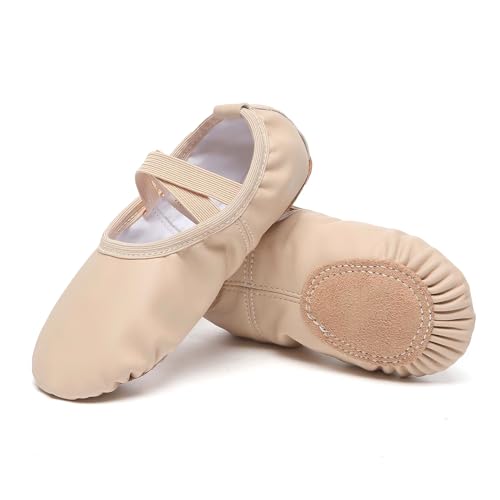


Fit: The First Test
Fit should be snug with toes flat and no bunching at the heel. The shoe should hug the foot without squeezing the toes together. Drawstrings help fine tune the fit, but they cannot fix a shoe that is a full size wrong.
Try pumps at the end of the day and with the tights you wear in class. Walk, point, and flex the foot before deciding. A pump that gaps at the heel during a tendu will slip worse during turns.
Canvas Versus Leather
Canvas pumps breathe well, wash easily, and mould to the foot quickly. They suit warm studios and younger dancers who outgrow shoes fast. Canvas wears faster than leather and can stretch with heavy use.
Leather pumps last longer and give a sleeker line, but they need more break in time. They suit dancers who want durability and a polished look for exams and performances. Some dancers keep canvas for class and leather for stage.
Split Soles and Full Soles
Full soles give steady support and suit beginners learning placement and balance. They feel stable underfoot and help younger dancers build strength. Split soles flex more at the arch and suit experienced dancers who want a clean foot line.
Choose the sole for your level and your teacher guidance, not for looks alone. A split sole that is too soft can feel unstable for a beginner. A full sole can restrict an advanced dancer who needs full articulation.
Sizing and Growth for Young Dancers
Children outgrow pumps quickly, so check fit every term. A little growing room is fine, but a shoe that is far too large teaches poor habits and risks slips. Replace pumps when toes press the front or the heel slips repeatedly.
Keep a note of the size and brand that fit well, since sizing varies between makers. Second hand pumps may save money, but worn soles and stretched uppers change the fit. For exams, always use a well fitted pair in good condition.
Care and Replacement
Air pumps after class and avoid washing leather pumps. Canvas pumps can be washed gently, but air drying keeps their shape better than heat. Check drawstrings and stitching regularly, since a failed drawstring mid class is a nuisance.
Replace pumps when the sole thins, the upper stretches loose, or the fit no longer holds the heel. The product table above recaps the pump styles in this guide.
Related Buying Guides
For a related angle, see our guide to best ballet pumps for walking.
Preparing for Class and Exams
Arrive with pumps already broken in, since a brand new pair can distract during an exam. Wear new pumps for several classes before an important assessment, and check drawstrings and elastics beforehand. Pack a spare pair if you own one, in case a drawstring snaps.
Teachers often check that pumps fit correctly and look neat, so trim loose threads and secure drawstrings inside the shoe. Clean canvas pumps before exams, since scuffed shoes distract from line and presentation. Small preparation habits show respect for the class and help you dance confidently.
Dancing on Different Studio Floors
Sprung wooden floors suit most pumps well, giving grip and shock absorption that protect joints. Harder floors demand more care, since landings feel harsher and soles wear faster. Vinyl floors can feel slippery when dusty, so wipe soles gently before dancing.
If you dance on varied floors, keep a pair of pumps for each main surface when possible. A worn pair for daily class and a fresher pair for performances keeps both roles covered. Always warm up fully before jumping, whatever the floor.
Before You Buy Checklist for Ballet Pumps
Dance teachers judge fit quickly, so get the fundamentals right before class. This checklist covers fit, material, and sole choice.
- Fit snug with toes flat and no heel gap when pointing
- Drawstring adjusts smoothly and secures inside the shoe
- Material suits your level and budget, whether canvas or leather
- Sole type matches your level, whether full sole or split sole
- Shoes tried with the tights worn in class
- Movement tested, including tendu, flex, and a turn if space allows
- Size noted by brand, since sizing varies between makers
- Spare pair or drawstring available for exams and performances
Ask your teacher to confirm the fit if you are unsure, since early habits shape technique.
Ballet Pump Fitting for Different Foot Shapes
Narrow feet need pumps that hug without excess material bunching at the sides, since loose fabric slips during turns. Look for a narrower last or a drawstring that genuinely tightens the fit, and avoid sizing down so far that toes cramp. A snug heel and smooth vamp matter more than brand for narrow feet.
Wide feet need a wider last or a stretch material that accommodates the forefoot without squeezing. Canvas stretches somewhat, while leather moulds more slowly, so wide feet often prefer canvas for comfort. Check that the widest part of the foot matches the widest part of the shoe, not just the length.
High arches need pumps with enough vamp height to cover the foot without cutting in, since a low vamp can feel restrictive and slip. Split sole pumps often suit high arches better, as they flex with the arch rather than resisting it. Try both sole types if your arch is pronounced.
Finally, growing dancers need regular refitting, since foot shape changes faster than shoe wear in childhood. Check fit every term, and replace pumps when toes press the front or heels slip, even if the shoes still look new. Good fit supports technique at every stage.
Frequently Asked Questions
How tight should ballet pumps feel?
Ballet pumps should feel snug like a sock, with toes flat and no heel gap when you point. They should not pinch or numb the toes. A small amount of stretch is normal for leather, so a very tight leather pump may settle, while canvas stretches less.
Canvas or leather for a beginner?
Canvas suits most beginners because it is affordable, breathable, and easy to break in. Leather suits dancers who want longer life and a sleeker look once they dance regularly. Many teachers accept either, so choose based on comfort and budget.
Split sole or full sole for my level?
Full soles suit beginners by giving stable support while learning placement. Split soles suit intermediate and advanced dancers who want greater arch flexibility. Ask your teacher if you are unsure, since class style also affects the choice.
How do I wash canvas ballet pumps?
Wash canvas pumps gently by hand in cool water with mild soap, then air dry away from heat. Avoid machine washing if the maker advises against it, since agitation can distort the shape. Remove drawstrings before washing if possible.
When should I replace ballet pumps?
Replace them when the sole wears thin, the upper stretches loose, or the heel slips during movement. Growing dancers may need new sizes each term. Worn pumps change your balance and line, so do not wait until they fall apart.
Final Thoughts
Fit first, material second, and sole matched to level: that order keeps dancing comfortable and safe. Use it when comparing best ballet pumps, and let your teacher confirm the final choice.
Before your next class, spend a few minutes checking your pumps the way a teacher would, since small faults distract from dancing. Pull each drawstring gently to confirm it holds, check the elastic for fraying, and look at the soles for thinning or holes that could slip on the studio floor. Try a few movements at home, including pointing, flexing, and a slow turn, and notice any heel gap or toe pinch that a quick fitting missed. If the pumps have stretched loose, consider whether a new pair or a simple drawstring adjustment restores the fit, since dancing in loose shoes teaches poor habits and risks slips. Keep a spare pair in your dance bag for exams and performances, and replace worn pumps promptly, since good fit supports every step, turn, and jump you practise.