Best Ballet Shoes: How to Choose Soles, Materials and Fit for 2026
Disclosure: We may earn a commission when you buy through links on this page, at no extra cost to you. As an Amazon Associate I earn from qualifying purchases. Learn more

Compare full and split sole ballet shoes in canvas or leather, and learn how a pair should fit for class and practice.
Choosing the best ballet shoes starts with the class you take, not the color. Ballet shoes are soft, close-fitting slippers made of canvas or leather, and small differences in sole, material and fit change how well you can feel the floor, point your foot and stay balanced through turns.
This guide explains the sole and material choices, how a ballet shoe should fit, and how to tell when a pair is worn out. The product table shows current options for class and practice.


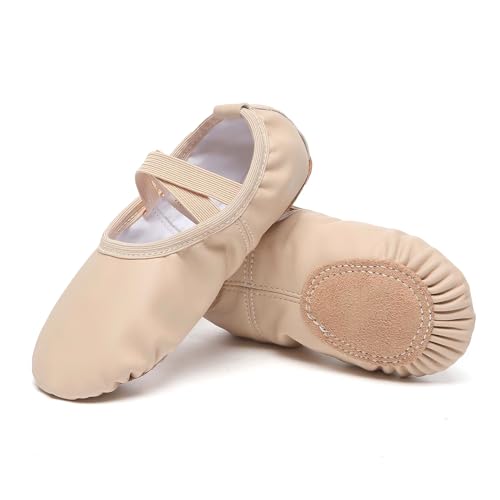
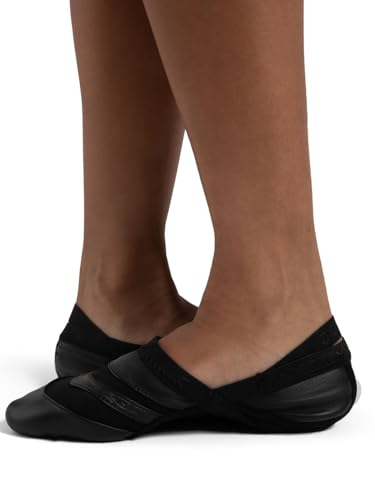
Types of Ballet Shoes Compared
| Type | Best for | Trade-off |
|---|---|---|
| Full sole leather | Beginners and young students building foot strength | Needs a few classes to soften |
| Split sole leather | Regular students who want a cleaner arch line | Less support for new dancers |
| Split sole stretch canvas | Comfort from the first class, easy washing | Wears faster than leather |
| Hybrid or lined styles | Dancers who want durability with a close fit | Higher price |
Choosing the Right Sole
A full sole runs the length of the shoe, so it supports the arch and makes the foot work harder, which is why teachers often start new students there. A split sole has separate pads under the heel and the ball of the foot, leaving the arch free to stretch and show a clean line. Move from full to split when your teacher says your foot strength and technique are ready, not simply because the split sole looks more advanced.
Canvas or Leather
Canvas is light, breathable and washable, and it molds to the foot almost at once. It suits warm studios and growing children, though it wears out sooner and can stretch with heavy use. Leather lasts longer, gives a smoother line and softens into a custom fit, but it starts firmer and costs more. Many dancers keep a canvas pair for daily class and a leather pair for exams or performances.
How Ballet Shoes Should Fit
A ballet shoe should fit like a firm sock. Toes should lie flat and reach the end of the shoe without curling, the heel should hold without a gap when you point, and the upper should not bag at the sides. Fit shoes in the evening, when feet are slightly larger, and wear the tights or socks you use in class.
Ballet sizing often runs a size or two different from street shoes and varies by maker, so use the size chart. Leather stretches a little with wear, so it should feel snug at first, while canvas should fit correctly from day one. For growing children, check the fit every term instead of buying a size up, since a loose shoe slips and teaches poor habits.
Drawstrings and Elastics
Drawstrings fine-tune the fit around the foot and should be tied flat and tucked inside the shoe. Pre-sewn elastics hold the shoe on without adjustment, and many students prefer them. Elastics should sit across the instep and lie flat against the ankle without digging in. A loose elastic or frayed drawstring is easy to restitch, so check them each week.
Choosing by Class Type
The right shoe also depends on what you do in class. Children in a first creative movement class usually do best in a soft leather full sole shoe with pre-sewn elastics, because it stays on and teaches them to feel the floor. Teens and adults in a technique class often move to a split sole canvas or leather shoe as their strength grows.
Dancers who also practice jazz, contemporary or lyrical styles may want a second pair, such as a half sole turner, for floorwork. Ballet shoes are made for barre and center practice, and wearing them outside the studio wears the soles out quickly. Keep a clean pair for the studio and change into them there.
If your school has a dress code, check it before ordering. Many require pink, black or white shoes with matching elastics, and an incorrect color can mean buying a second pair.
Common Mistakes to Avoid
- Choosing a split sole too early, before the foot has the strength to control it.
- Buying a size up for growing room, which lets the foot slide and hides poor technique.
- Ignoring the school dress code on color and style.
- Storing damp shoes in a closed bag, which weakens the material and causes odor.
- Wearing street ballet flats for class, since they lack the fit and flexible sole of dance shoes.
Care and When to Replace
Air shoes after every class and keep them in a breathable bag. Canvas pairs can usually be washed gently and air dried away from heat, while leather pairs should be wiped clean and left to dry naturally. Replace shoes when the sole thins at the ball of the foot, holes appear, the upper stretches so the heel slips, or the arch no longer holds its shape.
If foot pain lasts more than a few days, or a blister keeps reopening, rest and talk with your clinician or dance teacher about fit and technique. Shoes support comfort and fit; they do not treat foot conditions.
Frequently Asked Questions
Should ballet shoes feel tight?
They should feel snug, with toes flat and no bunching, but never painful. Numbness or red marks mean the size or shape is wrong.
Canvas or leather ballet shoes: which should I buy?
Canvas suits most students for comfort, breathability and price. Choose leather if you dance several times a week and want a longer-lasting shoe.
Do I need split soles?
Not at first. Full soles help build strength. Switch to split soles when your teacher recommends it.
How often should ballet shoes be replaced?
Weekly students may need a new pair every six to twelve months, while dancers in daily classes may replace them every few months. Children often outgrow them sooner.
Can I machine wash ballet shoes?
Canvas pairs often can be washed on a gentle cycle if the maker allows it. Leather pairs should not be machine washed.
Final Thoughts
Match the sole to your level, choose the material for how often you dance, and put fit ahead of looks. Use the product table above to compare current pairs, and the best ballet shoes for you will be the ones you can feel the floor in without thinking about the shoe.