
Best Canon SLR Cameras in 2026: Every Type Explained Side by Side
Disclosure: We may earn a commission when you buy through links on this page, at no extra cost to you. As an Amazon Associate I earn from qualifying purchases. Learn more

Compare the best canon slr cameras by sensor type, lens mount, autofocus, video and price to pick the style that fits your photos.
Canon SLR covers small starter bodies, fast APS C models for action, and larger full frame bodies. The best canon slr cameras for you depend less on the badge and more on sensor size, lens mount, and how you like to compose. This guide compares each type plainly, so you can read the comparison table below and know which rows deserve attention.
An SLR uses a mirror and an optical viewfinder, so you see the scene through the lens itself with no screen lag. That brings long battery life and a huge lens choice, but bodies are bulkier than most mirrorless models. Keep your total budget in mind, because later lenses shape photos more than a small step up in body.



Who Should Buy a Canon SLR Camera?
Start with the photos you take most often. Your subject, your light, and the weight you carry point to one SLR type more clearly than any spec.
First Time Buyers Who Want to Learn Photography
You want real controls you can grow into, without paying for speed you will never use. An entry level APS C body with a kit zoom teaches aperture, shutter speed, and focus while staying light in a bag. Guided menus help at first. If you are comparing starter options across brands, see our guide to the best beginner slr cameras.
Sports and Wildlife Shooters Who Want Extra Reach
You shoot moving subjects at a distance, so focus speed and reach matter most. An advanced APS C body narrows the view usefully, making a telephoto lens act longer than on a full frame body. That saves money and weight on lenses. Pair it with a fast burst rate, and practice tracking at local games first.
Portrait and Event Shooters Who Want a Full Frame Look
You shoot people, often in dim light, and you care about smooth background blur and clean files at high ISO settings. A full frame Canon SLR suits that work, if you accept heavier glass and higher prices. For a wider look at brand options, see our guide to the best photography canon cameras.
Types of Canon SLR Cameras Compared
When you compare the best canon slr cameras side by side, three clear groups appear. Sensor size drives most differences in price, size, and lens choice, so learn the groups before single models.
Entry Level APS C Canon SLR Cameras
These are the smallest Canon SLR bodies, usually sold with an 18 to 55 mm kit zoom at about $400 to $700. The viewfinder is smaller and the burst rate modest, but daylight quality is strong. A flip screen on many bodies helps with video and odd angles. Choose this type for learning, family photos, and travel where a light kit matters.
Advanced APS C Canon SLR Cameras
These bodies keep the APS C sensor but add a brighter viewfinder, bursts of about 7 to 10 frames per second, more focus points, and tougher build, at about $700 to $1,200. Dual dials let you change settings without opening a menu. This type suits sports, birds, and school events, with lenses smaller than full frame glass of the same reach.
Full Frame Canon SLR Cameras
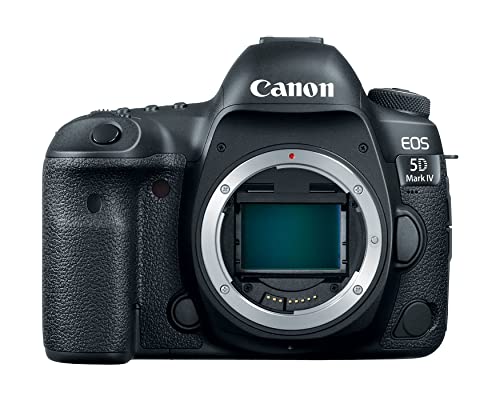
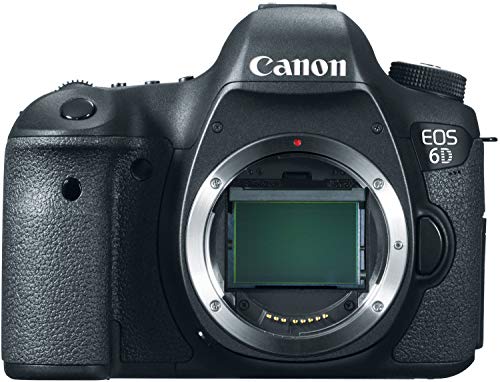
These bodies use a sensor about the size of 35 mm film, giving the widest view from each lens, the shallowest depth at a given aperture, and the cleanest high ISO files in the range. Prices run at about $1,200 to $2,500, and lenses cost more. Choose this type for portraits, weddings, and landscapes where file quality comes first.
Key Features to Compare
Compare these factors in the same order for every body, so a tempting price cannot hide a weak viewfinder or the wrong mount.
Full Frame Versus APS C in an SLR Kit
Sensor size shapes the rest of the kit. A full frame sensor gathers more light per photo site, so files stay cleaner as ISO rises and prints hold up larger. An APS C sensor gives more reach from the same lens and keeps the kit smaller. Megapixel count matters less than listings suggest. A moderate count on a larger sensor often beats a high count on a small one in dim light.
Lens Mount and Lens Choice
Canon SLR bodies use the EF mount, and APS C bodies also take EF S lenses built for the smaller sensor. That shared mount opens a deep pool of new and second hand lenses. Before you buy a body, price the two or three lenses you actually want, since that total often exceeds the body cost alone.
Autofocus and Lens Based Stabilization
Through the viewfinder, Canon SLR autofocus uses phase detection points, and cross type points track moving subjects with greater confidence. In Live View, later bodies focus on the sensor itself, which suits still subjects and video. Stabilization lives in the lens, marked IS, not in the body. It calms hand movement at slow shutter speeds, but it cannot freeze a moving subject.
Viewfinder, Build and Weather Sealing
A pentaprism viewfinder in advanced bodies looks brighter than the pentamirror design in entry bodies, and coverage near 100 percent means the frame you see matches the photo closely. Sealing on higher bodies sheds light rain and dust, though no Canon SLR is waterproof. Grip depth matters too, so hold the body with your longest lens fitted.
Video, Burst Rate and Battery Life
Video varies widely across Canon SLR generations, so check frame rates, a microphone input, and whether the screen flips if you film yourself. Burst rate and buffer depth decide how long you can track action before the camera slows. Battery life is a quiet strength, since the optical viewfinder draws little power, while Live View and video drain a charge far faster.
Canon SLR Cameras vs Mirrorless Cameras: Which Should You Choose?
A Canon SLR shows the real scene through glass, never a screen, and its battery lasts through a long day. EF mount lenses are plentiful and often cost less second hand. For the broader format picture, see our guide to the best digital slr cameras.
A mirrorless body is smaller and previews exposure on screen before you shoot. Choose an SLR for the optical view, long battery life, and lower lens prices. Choose mirrorless if size and video tools top your list. To weigh current Canon models of both kinds, see our guide to the best canon cameras.
Common Mistakes to Avoid
These errors cost buyers money or image quality, and each is easy to dodge.
- Buying a full frame body and then affording only a slow kit lens wastes the sensor you paid for.
- Planning a kit around EF S lenses for a full frame body fails, because EF S lenses do not fit full frame Canon SLR bodies.
- Judging a camera only by megapixels leads you to ignore viewfinder quality, focus points, and lens choice.
- Shooting action with a stabilized lens but a slow shutter speed still gives blurred subjects.
- Keeping no budget for a spare battery, cards, and a bag leaves the kit unusable on long days.
How to Make Your Canon SLR Camera Last Longer
Clean the front and rear glass with a lens cloth and a blower, never with your shirt, because grit in fabric can scratch coatings. Keep a spare battery charged, and store the kit in a dry, padded bag away from heat. When you change lenses, point the body opening downward so dust is less likely to settle on the sensor.
Never touch the mirror or the focus screen with your fingers, since both mark easily. Wipe the body after beach or rain shoots before storage, and check strap lugs for wear. A sensor with stubborn spots needs a professional clean, not harder rubbing at home.
Frequently Asked Questions
Is a smartphone enough instead of a Canon SLR camera?
For casual snapshots shared on a phone screen, a smartphone is often enough. A Canon SLR camera pulls ahead when you print large, crop into a scene, or swap lenses for reach and blur. It also gives a real viewfinder in bright sun, where a phone screen washes out. If your photos live only in a family chat, save your money.
Which Canon SLR camera type is better for low light photos?
A full frame Canon SLR camera type is better for low light photos, because its larger sensor keeps noise lower as ISO climbs. The lens matters almost as much. A prime lens at f/1.8 on an APS C body can beat a slow zoom on a full frame body in a dark room. For still scenes, a tripod lets either sensor keep ISO low.
Can Canon SLR cameras use both EF and EF S lenses?
APS C Canon SLR bodies accept both EF and EF S lenses, while full frame bodies accept EF lenses only. When you shop second hand, read the full lens name, because sellers often shorten it and the S is easy to miss. Also check the mount contacts for wear, since clean contacts keep autofocus and aperture control reliable.
How much should I spend on my first Canon SLR camera?
Most first time buyers do well at about $400 to $800 for a body with a kit zoom, new or in clean second hand condition. Hold back roughly a fifth of your budget for a memory card, a padded bag, and a second battery. That reserve matters more than a small spec step up.
What should beginners check first on a Canon SLR camera?
Beginners should check grip comfort, menu clarity, and help features first. A feature guide that explains each setting on screen shortens the learning curve. Weight matters too, since a camera left at home teaches you nothing. Skip dense button layouts until you know which controls you reach for most.
The Bottom Line
Match the sensor to your subject, confirm the lens mount fits the glass you plan to buy, and weigh viewfinder quality before small spec differences. Use the product table above to compare type, price, and key features. Entry APS C bodies suit learners, advanced APS C bodies suit action, and full frame bodies suit people work in dim light.
With those points clear, the best canon slr cameras become a simple fit between your subjects, your lenses, and your budget. Buy the type you will carry often, and your photos will improve.


