
Best Canon Cameras under 500 in 2026: Everything to Know Before Your First Purchase
Disclosure: We may earn a commission when you buy through links on this page, at no extra cost to you. As an Amazon Associate I earn from qualifying purchases. Learn more

Compare Canon camera types under $500 and learn sensor size, lenses, autofocus and video basics, so your first camera choice feels simple and clear.
Buying your first Canon camera feels exciting until the spec sheets start to blur together. The best canon cameras under 500 dollars share one promise: real control over your photos without the cost of a pro kit. This guide explains each term in plain words and shows you what this budget can and cannot buy.
You do not need to master every setting before you order. Start with how you plan to shoot, then match the camera type, sensor and lens to that habit. Use the comparison table below to check each model against this guide, and keep a little budget aside for a memory card and case.

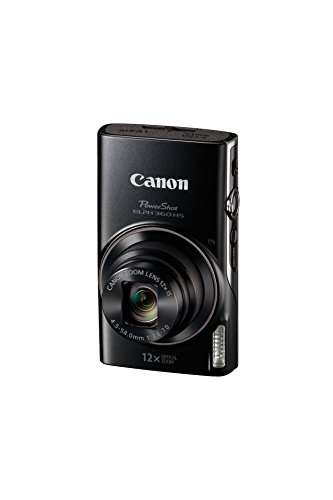


Canon Cameras 101: The Basics
A Canon camera records light through a lens onto a digital sensor and saves the image to a memory card. The front glass, often called the objective lens, gathers the light, while the sensor decides how clean and detailed the file looks. Canon families share menus and controls, so skills learned on one body carry to the next.
Compact models keep the lens fixed and fit in a jacket pocket. Mirrorless cameras and DSLR models let you change lenses, and bridge models pair a small body with a long optical zoom that changes magnification without swapping glass. To see how Canon sits beside other brands at this price, see our guide to the best cameras under 500.
Reading Canon Specs Without the Jargon
When you compare best canon cameras under 500, read each spec as a daily use question: what will this change in your photos? The six points below cover the differences that show up in real files.
What You Can Realistically Get Under $500
At this price you can expect a solid sensor, a useful kit lens on many models, and video that suits family clips and simple online posts. You give up the largest sensors, fast burst speeds, and rugged weatherproof sealing found on costly bodies. Put money toward the sensor and lens first, and treat extras such as large touch screens as bonuses. For a wider view of this budget, see our guide to the best cameras under 500 dollars.
APS C Sensors and Everyday Photo Quality
Sensor size shapes image quality more than the megapixel count on the box. Most Canon options at this price use an APS C sensor, while better compacts use a smaller 1 inch sensor that still does well in daylight. A larger sensor gathers more light, so indoor and evening photos hold detail with less grain. About 20 to 24 megapixels covers large prints and cropping for most buyers.
Learning Controls at Your Own Pace
Good first cameras help you learn in stages instead of forcing full manual control on day one. Full auto and scene modes handle exposure while you practice framing, and guided menus explain settings in short plain lines. A touch screen speeds up focus point choice, and WiFi transfer through the Canon app sends photos to your phone without cables. Choose this help if you want quick results while you learn.
Size, Weight, and Ergonomics
A camera you leave at home takes no photos at all, so size deserves real weight in your choice. Compact bodies suit travel and daily carry, while a deeper grip on a mirrorless or DSLR body feels steadier during long sessions. Hold the camera if you can, and check that your fingers reach the dials without stretching.
Focus Help for Kids, Pets and People
Autofocus decides how many moving subjects stay sharp. Look for face and eye detection autofocus if you photograph kids, pets, or people, because the camera locks onto the subject while you compose. Image stabilization steadies small hand movements, and at this price it usually lives in the lens rather than the body. It helps most with still subjects, so active subjects still need a faster shutter speed.
Video Capabilities
Many Canon models at this price record clean full HD video, and some offer 4K recording with limits on recording time or frame rate. A screen that flips forward helps if you frame yourself, while a microphone input appears only on select models. For simple family films and class projects, smooth HD footage with clear sound beats unused 4K modes.
Choosing Canon Cameras for Your Situation
Your daily subjects point to the right type faster than any spec list. Match one path below to the photos you plan to take most in your first year.
Best Canon Cameras for under 500: Tips for First Time Buyers
Start with a kit that includes a lens, because a body sold alone cannot take a photo until you add glass. Prefer simple controls and a guided menu over advanced dials you may never touch. Leave part of your budget for a fast memory card, since slow cards can delay burst shooting and video.
Canon Cameras for Travel and Everyday Family Photos
Choose a compact or small mirrorless body that slips into a day bag and starts fast when a moment appears. A moderate zoom range covers group photos, street scenes, and details across a courtyard without lens changes. If pocket size matters most, see our guide to the best compact cameras under 500 for the smallest options in this budget.
Canon Cameras for Learning Photography Step by Step
Pick an interchangeable lens body if you want to learn aperture, shutter speed, and lens choice over time. A DSLR gives you an optical viewfinder and a huge pool of used lenses, while a mirrorless body shows exposure changes on screen before you shoot. To compare the classic route, see our guide to the best dslr cameras for under 500.
Rookie Mistakes to Avoid
New buyers repeat the same handful of errors, and each one is easy to sidestep.
- Spending your whole budget on a body only listing leaves you unable to shoot until you buy a lens.
- Judging by megapixels alone leads you to ignore sensor size, which shapes low light quality far more.
- Trusting a digital zoom number disappoints you later, because digital zoom crops the image instead of magnifying it optically.
- Skipping a spare battery cuts a shooting day short, since video and screens drain power fast.
- Buying the largest travel kit means it often stays in the hotel, because bulk and weight wear you down.
First Day Setup for a New Canon Body
Charge the battery fully before your first session, then set the date, time, and language so files sort correctly later. Insert the memory card and format it in the camera, because formatting in the camera matches the card to that body. Attach the strap, fit the kit lens until it clicks, and remove the cap only when you are ready to shoot.
Spend your first hour in full auto and take the same scene at several zoom settings and light levels. Review each shot at full size and note which look soft, dark, or noisy. Carry a spare battery, and keep a soft lens cloth in the same pocket.
Care and Maintenance for Your Canon Camera
Clean the front glass with a blower first to lift grit, then wipe gently with a lens cloth. Never use your shirt, because fabric can hold grit that scratches coatings. Keep caps on the lens and body whenever parts are separated, and never touch the sensor.
Store the camera in a dry place away from direct sun and car heat. Remove the battery if the camera will sit unused for several weeks, and store it partly charged. After a beach day, wipe the body with a soft dry cloth before you open any cover.
FAQs
Can you get a good Canon camera for under $500?
Yes, you can get a good Canon camera at this price if you accept a smaller sensor and fewer pro controls. A smart route is a recent kit on sale or an official refurbished model with a warranty, which stretches the same budget further. Check that the kit includes a lens, battery, and charger.
Does a Canon camera under $500 usually include a lens?
Some listings include a lens and some sell the body alone, so read the title and box contents with care. A kit lens usually covers wide group shots through short portrait range in one zoom. If the price looks far below similar kits, the lens is often missing. Budget for glass first.
Is a smartphone enough instead of a Canon camera under $500?
A smartphone is enough for quick sharing, but a dedicated camera pulls ahead when light drops or subjects sit far away. The larger sensor and true optical zoom keep detail that a phone must invent through software. A phone also interrupts you with calls and drains fast on video days.
How much should you spend on a first Canon camera under $500?
Spend most of the budget on the camera kit, but hold back about $50 to $75 for a memory card, a spare battery, and a padded case. Aim for a kit at about $400 to $425, which leaves room for those basics without a second order. Save any leftover for a second lens later.
Which Canon camera type under $500 is better for low light photos?
A mirrorless or DSLR model with an APS C sensor is usually better for low light photos at this price. Its larger sensor collects more light than the small sensor in most compacts, and a kit lens at its widest setting lets in more light still. Raise the ISO only as far as you must, because each step adds grain.
Our Verdict
For a first purchase, sensor size, lens choice, and ease of use matter more than any single headline spec. Compact buyers gain freedom to carry the camera daily, while interchangeable lens buyers gain room to grow. Decide which freedom fits your first year, then check recording limits and battery life.
When you compare the best canon cameras under 500 with those points in mind, the right Canon rarely feels like a guess. Use the product table above to confirm price and kit parts, and order the simplest option that covers your plans.

