Best Canon Binoculars in 2026: Which Type Is Right for You?
Disclosure: We may earn a commission when you buy through links on this page, at no extra cost to you. As an Amazon Associate I earn from qualifying purchases. Learn more

Compare the best canon binoculars by type, with image stabilization, magnification and lens size explained for birding, travel and boat use.
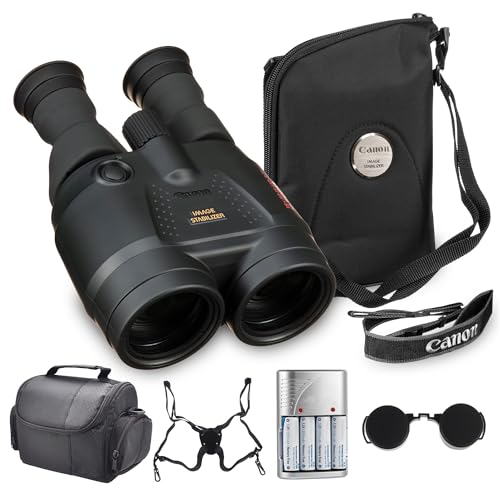
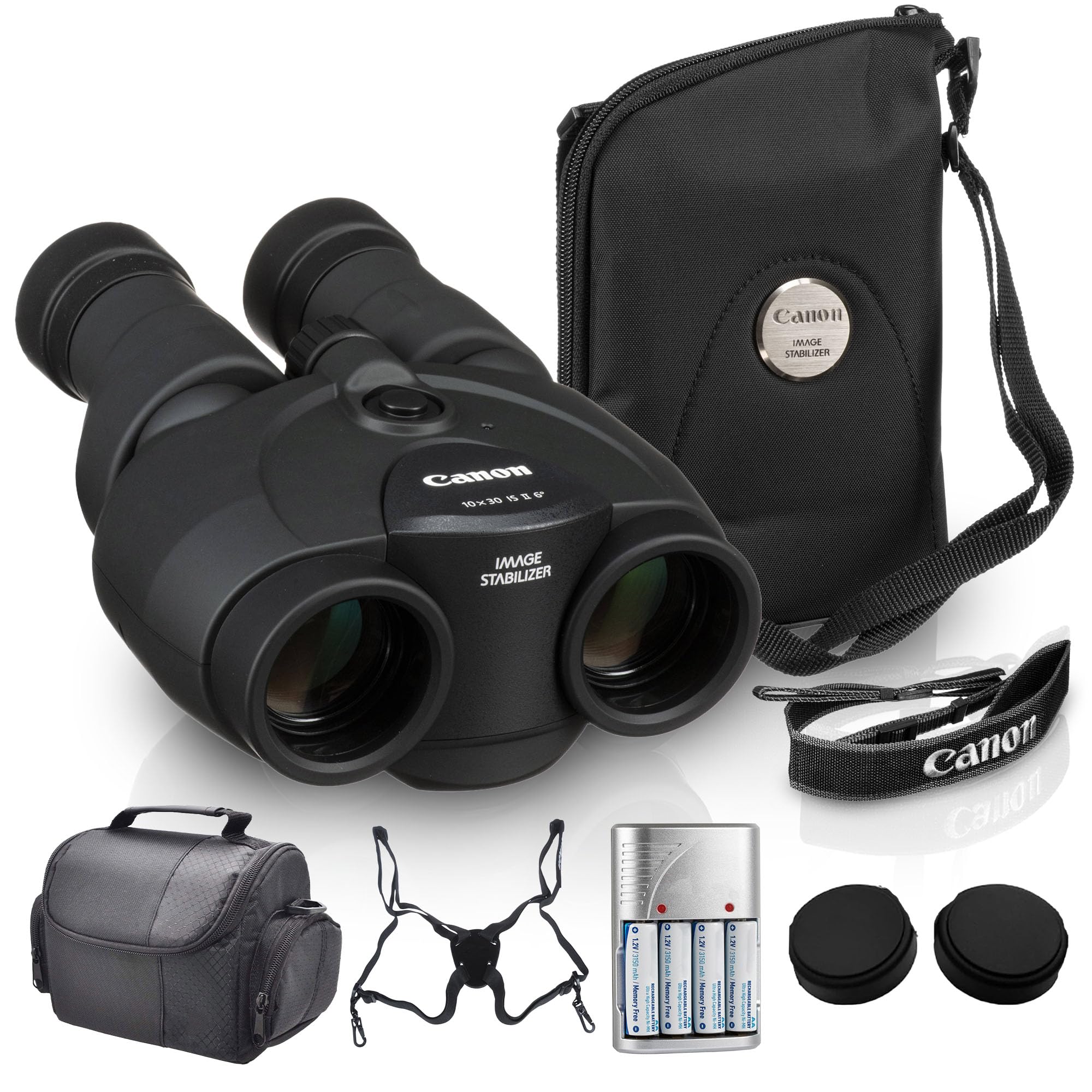
Canon builds binoculars around one clear idea, a steadier view than your hands alone can give you. Magnification, lens size and stabilization strength all change what you see. The best canon binoculars for you depend on where you watch and how much shake you need removed, and the product table below lays out the main choices.
This guide compares Canon binoculars by type instead of naming individual models. You will learn how the three main types differ and what to check before you spend.


Who Should Buy Canon Binoculars?
Canon suits buyers who value a calm, detailed view more than the lowest price. Your main activity should decide the size and power you choose.
Birders and Wildlife Watchers Who Need a Steady View
You follow small, fast birds and need fine detail on feathers, bills and eye markings. A mid size pair with 10x magnification and image stabilization helps you stay on a moving bird without the view bouncing at every small hand movement. If you compare wider shortlists, see our guide to the best binoculars for birdwatching for how field of view affects birding use.
Travelers and Concertgoers Who Pack Light
You carry binoculars in a jacket pocket or small day bag for short bursts at stadiums, theaters and scenic stops. A compact 8x or 10x pair keeps weight low and brings distant faces closer. Stabilization matters because you often watch standing, with no rail to brace your arms against.
Boaters and Coastal Watchers Who Face Constant Motion
You watch from a deck or shoreline where your whole body moves, not only your hands. Stronger stabilization and a weather sealed body matter more than saving a few ounces. Larger objective lenses also help at dawn and dusk, when detail on buoys and sails fades quickly in smaller optics.
Key Features to Compare
Compare these factors in order when you compare the best canon binoculars side by side. Stabilization comes first for this brand, then the numbers that shape brightness and width of view.
Image Stabilization and How Steady the View Feels
Image stabilization uses powered lenses or prisms that shift to counter small hand movements, so the image drifts gently instead of jittering. You can hold a 12x or 14x pair steady in a way that would feel tiring without help. Some Canon types correct shake in all directions, while simpler systems correct mainly up and down movement. Choose stronger correction for boats, and basic correction if you mostly sit and watch.
Magnification and Field of View
The first number in a rating such as 10x42 is magnification, or how many times closer a subject appears. Higher power shows more detail, but it narrows the field of view, the width of the scene you see at once. A wide field helps you follow moving birds, boats and players. A narrow field at 15x or 18x suits still subjects you can center first, such as distant ships.
Objective Lens Size, Exit Pupil and Brightness
The second number in 10x42 is the objective lens diameter in millimeters, and larger front lenses gather more light. Divide that number by the magnification to get the exit pupil, the beam of light reaching your eye. A 10x42 pair gives a 4.2 mm exit pupil, while a 10x32 pair gives 3.2 mm. The larger exit pupil looks brighter at dawn, dusk and under tree cover, but larger lenses add weight.
Lens Coatings, Prism Design and Image Clarity
Glass quality decides how much gathered light becomes a clear, true color image. Coatings reduce glare and washed out contrast, and quality prism glass keeps edges sharper. Some Canon types use special low dispersion elements that reduce color fringing around bright edges, such as a white bird against a dark shoreline. If you watch toward the sun or over bright water, better glass is worth paying for before extra magnification.
Eye Relief, Focus Wheel and Close Focus Distance
Eye relief is the distance your eye can sit from the eyepiece while still seeing the full view, and glasses wearers usually need about 15 mm or more. Twist up eye cups and a diopter dial let you match both eyes. The center focus wheel should turn smoothly with one finger. Close focus matters too, because a pair that focuses at about 6 to 8 feet lets you watch butterflies and nearby feeder birds in detail.
Size, Weight, Weather Sealing and Battery Life
Canon stabilized binoculars weigh more than plain binoculars of the same lens size, because they carry motors, extra glass and batteries. Compact types often weigh under 1 pound, while large objective types can pass 2 pounds and need a harness for long sessions. Weather sealed bodies resist splashes, and fully waterproof types suit boats. Stabilization runs on replaceable AA batteries on many types, so check run time and carry spares.
Types of Canon Binoculars Compared
Canon types divide mainly by lens size and stabilization strength, and each suits a different outing. For a broader view of the market, see our guide to the best rated binoculars before you narrow your choice to one brand.
Compact Image Stabilized Binoculars
Compact types pair 8x or 10x magnification with front lenses of about 20 to 25 mm, so they slip into a coat pocket and feel light on long walks. Their stabilization suits everyday hand shake at events and casual birding. Daylight views look sharp, but the small lenses limit dawn performance. Prices often run about $400 to $600. For similar small options, see our guide to the best rated compact binoculars.
Mid Size All Weather Image Stabilized Binoculars
Mid size types use front lenses of about 32 to 42 mm and stronger stabilization that corrects movement in more directions. They balance brightness, weight and price for birding, hiking and hunting, and sealed bodies handle dew and light rain. Prices often run about $700 to $1,500. If scouting game at first light is your main use, see our guide to the best rated binoculars for hunting for the brightness features hunters weigh most.
Large Objective Image Stabilized Binoculars
Large objective types use front lenses of about 50 mm with 15x or 18x magnification, a pairing that would shake badly without stabilization. They deliver the brightest long range views in the Canon range, for coastal watching, moon viewing and distant wildlife. The cost is size, weight and price, often about $1,200 to $1,600. Choose this type when reach matters more than packing light.
Common Mistakes to Avoid
These errors come up often with stabilized binoculars, and each one is easy to prevent before you buy.
- Choosing the highest magnification for every use narrows your field of view and makes moving subjects hard to follow.
- Ignoring exit pupil leaves you with a dim view at dawn and dusk, even when the magnification number looks impressive.
- Forgetting that stabilization needs battery power leaves you with a shaky high power view when the batteries die mid outing.
- Buying a large objective pair for all day hikes adds neck strain that makes you leave the binoculars at home.
- Skipping an eye relief check means glasses wearers lose the edges of the view and strain to see the full scene.
- Storing binoculars in a hot car trunk for weeks can damage seals, coatings and battery contacts over time.
How to Make Your Canon Binoculars Last Longer
Clean the lenses with a soft lens cloth, never your shirt, because grit in fabric can scratch coatings. Blow loose dust off first, then wipe in small circles from the center outward. Keep lens caps on when you are not watching, and carry the pair in a padded case.
Store the binoculars in a dry place at room temperature, away from direct sun. Remove the batteries before long storage so a leak cannot corrode the contacts. Check the strap and eye cups each season, and pack spare batteries on long trips.
FAQs
What specs matter most for beginners choosing Canon binoculars?
Beginners should put stabilization strength, magnification and weight first when choosing Canon binoculars. Start with 8x or 10x power, because it is easier to aim and follow subjects while you learn. Also check the strap and case in the box, since a comfortable carry setup makes new users bring the pair more often.
What does 8x42 or 10x42 mean on Canon binoculars?
On Canon binoculars, 8x42 means the view appears 8 times closer through front lenses that measure 42 mm across. The 10x42 version brings subjects closer but shows a narrower slice of the scene. A practical test is reading a distant sign, where 8x feels calmer and wider, while 10x helps you pick out smaller letters.
Which Canon binoculars are better for low light viewing?
Canon binoculars with larger objective lenses and a larger exit pupil are better for low light viewing. A 42 mm or 50 mm front lens gathers more light than a 25 mm lens at the same power. Evening walks also reward slightly lower magnification, because the brighter view helps you spot movement in dim corners first.
How much should you spend on your first pair of Canon binoculars?
Most first time buyers should plan on about $400 to $700 for a first pair of Canon binoculars. That range covers compact and entry mid size stabilized types with glass that rewards regular use. Spending less usually means giving up true stabilization, the main reason to choose this brand. Set aside a little for a harness or better case.
Do Canon binoculars need batteries for image stabilization?
Yes, Canon binoculars need battery power to run image stabilization, and the optics still work as plain binoculars when the power is off. Without power the view shakes at high magnification, so the benefit fades on 12x and stronger types first. Switch stabilization off while you walk between viewpoints to save charge.
Wrapping Up
Match the type to your outing first, then check stabilization strength, exit pupil and eye relief before price. Compact types serve travel, mid size types serve most outdoor days, and large objective types serve long range watching. Use the product table above to confirm lens size, weight and battery details.
When those checks line up, the best canon binoculars feel simple to choose, because each number on the box connects to a view you can picture. Pick the lightest pair that gives you the steady, bright view your main outing demands.