
Best Canning Jars Made Simple: A Clear Buying Guide (2026)
Disclosure: We may earn a commission when you buy through links on this page, at no extra cost to you. As an Amazon Associate I earn from qualifying purchases. Learn more

Canning jars explained for beginners: sizes, mouth widths, glass, lids and safe first steps.
Home canning turns summer tomatoes, berries and cucumbers into jars of sauce, jam and pickles you can enjoy all year. The jars themselves look simple, but size, mouth width, glass quality and lids all affect how well your food seals and stores. This first time buyer's guide to the best canning jars covers the basics, explains the key specs in plain English and walks you through setup and common mistakes.
You do not need to be an experienced canner to choose well. By the end you will know which jar sizes and mouth widths fit your recipes, what to look for in lids and how to get started safely.





Canning Jars 101: The Basics
Canning jars, often called mason jars, are heat tempered glass jars made to handle the high temperatures of water bath and pressure canning. Most use a two piece lid system: a flat metal lid with a sealing compound and a screw band that holds it in place during processing. As jars cool after processing, a vacuum pulls the lid down to form an airtight seal.
A few terms help. Regular mouth jars have an opening of about 2.75 inches, while wide mouth jars open to about 3.25 inches, matching the lid sizes sold by brands like Superb Sealing Solutions. Headspace is the gap between the food and the rim, which recipes specify. Water bath canning suits high acid foods like jams, pickles and most fruit, while pressure canning is required for low acid foods like vegetables, beans and meat.
Ball is the best known jar brand, but other makers such as SEWANTA, JoyJolt and Rainforce sell jars in standard sizes. Lids from brands like Superb Sealing and Dalzom fit standard regular and wide mouth jars.
Key Specs of the Best Canning Jars, Explained in Plain English
Intended Use and Who It's For
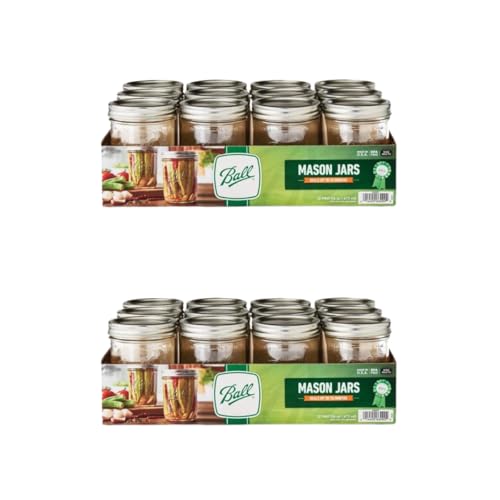
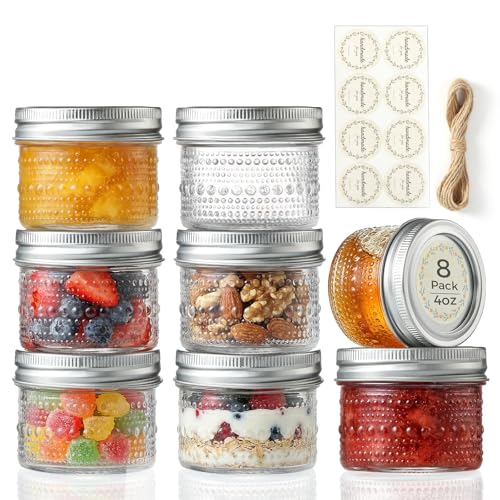
Match jar size to what you make. Small 4 ounce jars, like the NETANY embossed mini jars, suit jams, gifts and samples. Half pint 8 ounce jars, like the Ball half pint set of 12, suit jams, jellies and sauces.
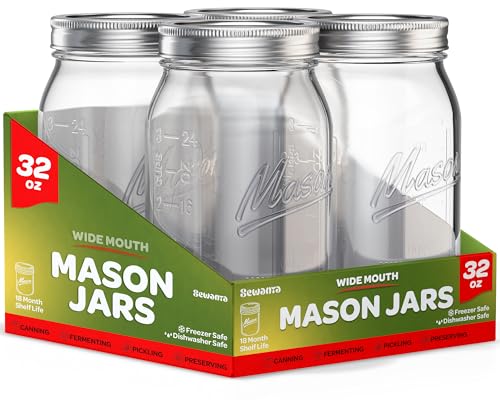
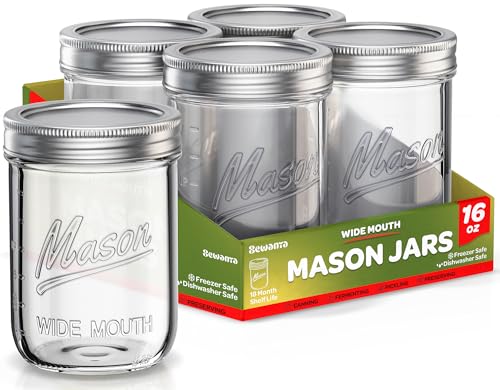
Pint 16 ounce jars, like the Ball regular mouth pint 8 pack, suit salsa, pickles and vegetables. Quart 32 ounce jars, like the Ball wide mouth quart and SEWANTA 32 ounce jars, suit tomatoes, whole pickles, soups and fermenting. Choose wide mouth for whole fruits and vegetables and regular mouth for pourable foods.
Build Quality and Materials
Canning jars should be made from heat tempered glass designed for canning. SEWANTA describes its jars as American made soda lime glass, and JoyJolt uses 1/8 inch thick lead free glass.
Ball jars are BPA free and dishwasher safe. Check that jars are labeled for canning, since decorative jars may not handle heat. Inspect rims for chips before every use, because a chipped rim will not seal.
Lids, Bands and Seals
Lids matter as much as jars. Flat lids are designed for one time sealing; Dalzom notes its rings are reusable but lids are for one time use only.
Bands can be reused if they are not rusted or bent. Superb Sealing Solutions lids use a thick rubber seal and metal with five layers of corrosion protection and are made in the USA, and the brand reminds canners not to over tighten bands. Ball says its bands and lids create an airtight seal for up to a year of preserving.
Price vs Value
Jars are a long term purchase. Small 2 to 4 packs cost around $12 to $15, while 8 to 12 packs cost around $11 to $33 and 24 packs around $61.
Replacement lids cost around $13 to $15 for 24. Larger packs lower the cost per jar if you can a lot. Full canning kits, like the Zavor DUO 8 piece pressure canning set around $180, include a canner and tools but not jars.
Maintenance and Long Term Costs
Jars can last for years, so the main ongoing cost is new flat lids for each batch. Wash jars in hot soapy water or the dishwasher, check rims and replace any with chips or cracks. Keep bands dry to prevent rust. Over time, a few jars break, so buy a spare pack.
Size, Weight and Fit for Your Space
Check that jars fit your canner. The Zavor DUO 10 quart pressure canner fits up to four 1 quart jars, so larger batches need a bigger canner or multiple loads. Wide mouth jars stack well in pantries, while tall quart jars need deeper shelves. JoyJolt lists its 32 ounce regular mouth jars at 3.5 inches wide and 7.6 inches tall, which helps plan storage.
Extras: Measurement Markings and Labels
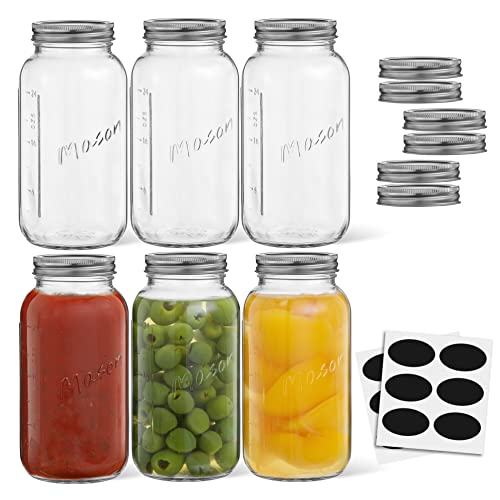
Some jars add embossed measurement markings, like SEWANTA and JoyJolt, which help with recipes and fermenting. JoyJolt includes chalk labels for dating jars. These are nice extras but not required; a marker on the lid works too.
Water Bath vs Pressure Canning Compatibility
Standard canning jars work for both water bath and pressure canning when used with proper lids. The method depends on the food, not the jar. High acid foods such as jams, jellies, fruit and pickles can be processed in a boiling water bath, often in a large stock pot with a rack. Low acid foods such as green beans, corn, soups and meat must be pressure canned to reach temperatures high enough for safety. Superb Sealing notes its wide mouth lids work in both pressure canners and water bath canners.
Beyond Canning: Storage and Fermenting
Canning jars are also handy for everyday kitchen storage. Wide mouth quarts suit fermenting sauerkraut and kimchi, overnight oats, salads and dry goods like beans and rice, and SEWANTA notes its 32 ounce jars work for fermenting and pickling. Plastic storage caps make opened jars easier to use in the fridge, though they are not for canning. Small 4 and 8 ounce jars work well for spices, dressings and gifts.
Rookie Mistakes to Avoid
- Reusing flat lids for canning. Lids are made for one seal; use new lids for each batch.
- Using non canning jars. Decorative or thin jars can crack under heat.
- Over tightening bands. Bands should be fingertip tight so air can escape during processing.
- Skipping headspace. Too much or too little headspace leads to failed seals.
- Using untrusted recipes. Follow research based recipes and processing times from sources such as the National Center for Home Food Preservation or the USDA.
Getting Started: Setup and First Use
- Inspect and wash jars. Check rims for chips and wash in hot soapy water.
- Prepare lids. Follow the lid maker's instructions for warming or washing.
- Fill with correct headspace. Use a canning funnel and headspace tool, like those in the Zavor kit.
- Remove air bubbles and wipe rims. A clean rim helps the lid seal.
- Process and cool. Process for the recipe's full time, then let jars cool undisturbed for 12 to 24 hours and check that lids do not flex.
FAQs
What features matter most when buying canning jars?
The most important features are heat tempered glass made for canning, the right size and mouth width for your recipes, and compatibility with standard regular or wide mouth lids. After those, measurement markings, labels and pack size add convenience and value.
How do I maintain a canning jar?
Wash jars after use in hot soapy water or the dishwasher, dry them fully and store them upside down or covered to keep dust out. Check rims for chips before each use. Keep bands dry to prevent rust, and replace bands that bend or corrode.
How much should I spend on a canning jar?
Most canners spend around $1 to $3 per jar, depending on size and pack count. Buying 8 to 24 packs lowers the price per jar. Budget around $13 to $15 for every 24 replacement lids, since flat lids are single use for sealing.
Are expensive canning jars worth it?
Well known brands like Ball offer consistent sizing, reliable glass and widely available lids, which many canners value. Other brands such as SEWANTA and JoyJolt offer good quality with extras like measurement markings. Very cheap, unlabeled jars may not be designed for canning heat, so avoid those for processing.
How long does a canning jar last?
Canning jars can last many years, even decades, with care. Replace jars with chips, cracks or scratches on the rim. Bands last several seasons if kept dry, while flat lids should be replaced for each canning batch.
Can I freeze food in canning jars?
Yes, many canning jars are freezer safe; Ball notes its pint jars are freezer and refrigerator safe. Leave extra headspace for expansion, and wide mouth jars without shoulders resist cracking better in the freezer. Let food cool before freezing.
Why didn't my jar seal?
Common causes include a chipped or dirty rim, incorrect headspace, bands that were too tight or too loose, reused lids or processing for too short a time. If a jar does not seal within 24 hours, refrigerate and use the food soon, or reprocess it with a new lid within the time the recipe allows.
The Bottom Line
Three things matter most: heat tempered jars made for canning, the right size and mouth width for your recipes and fresh lids for every batch. Beginners can start with Ball half pint or pint jars, home cooks preserving tomatoes and pickles should add quart jars from Ball or SEWANTA, and anyone ready for low acid foods needs a pressure canner like the Zavor DUO. Pair your jars with a good stainless steel stock pot for water bath canning, store extras in a small chest freezer, then check the product table above to choose the best canning jars for your kitchen. For pressure cooking more broadly, see our stainless steel pressure cooker guide.


