Best Canister Vacuums for Pet Hair: Which One Fits the Way You Use It for 2026
Disclosure: We may earn a commission when you buy through links on this page, at no extra cost to you. As an Amazon Associate I earn from qualifying purchases. Learn more

Choose the best canister vacuums for pet hair by floor type, suction, and filtration with this use case guide for busy homes with shedding pets.
Pet hair does not behave like ordinary dirt. It weaves into carpet fibers, clings to upholstery with static, and drifts into corners where a wide floor head cannot reach. No single machine handles every mix of floors and pets, which is why the best canister vacuums for pet hair are the ones matched to your home layout, your floors, and how often you actually clean.
Canister designs suit pet homes well because the motor body rolls behind you while a light wand reaches under sofas and beds. Use this guide to sort buyers by use case, compare the features that matter, and check the product table below before you decide.

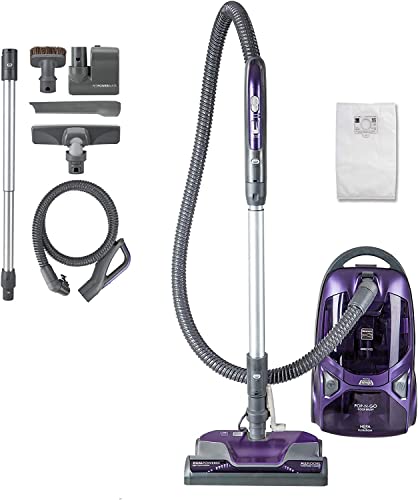
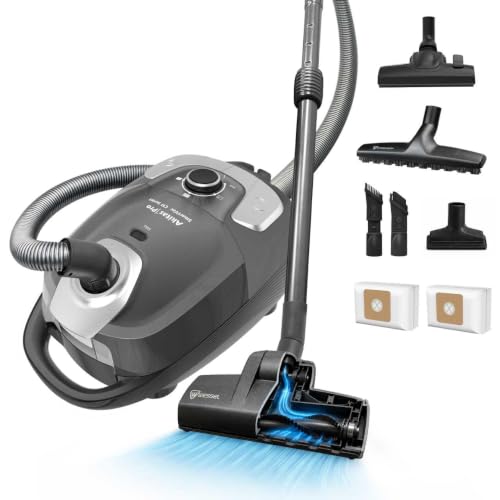

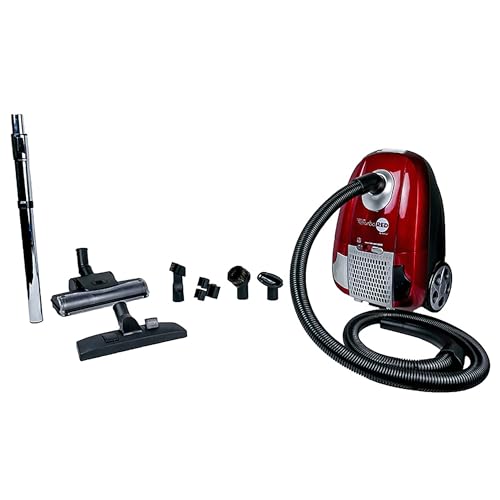
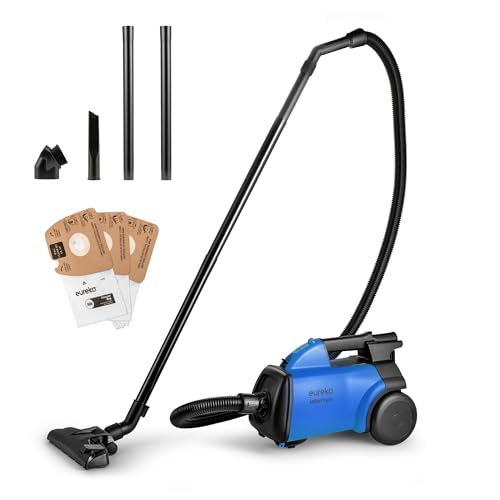

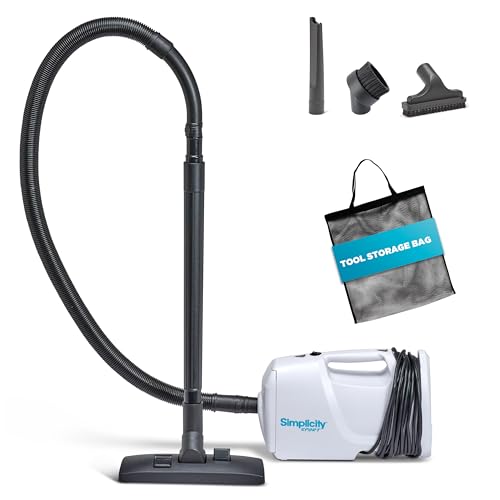

Who Should Buy Which Canister Vacuums?
For First Time Buyers
If this is your first canister, favor simple controls, a clear dust path you can empty without a mess, and attachments that store on the machine itself. A midweight body is easier to pull up stairs and around chair legs. You do not need the highest suction rating on the shelf. You need a floor head that moves between carpet and hard floors without a swap, sealed filtration so hair and dander stay inside, and a cord or runtime that covers your main rooms in one session. Simple and dependable beats powerful and fiddly.
For People Who Want the Best Performance
Performance buyers should look at strong airflow at the floor head, a motorized brush that digs hair out of carpet pile, and a large bin or bag that holds a full shedding season session without clogging. A sealed HEPA system matters if anyone in the home has allergies, because it keeps fine dander from blowing back out. Premium price tiers usually buy quieter motors, better hose swivels, and sturdier wands. Those details sound small until you clean a whole house twice a week, which is life with a heavy shedding dog.
For Gift Shoppers
A vacuum is a surprisingly welcome gift for a new pet owner, as long as you choose a safe, middle of the road design. Pick a well known size class with bags or filters that are easy to reorder, a warranty of at least a year, and a weight the person can carry between floors. Avoid niche models with rare bags or unusual attachments. Include a note about where replacement filters are sold. The best gift vacuum is one the owner can maintain without hunting down odd parts or calling you for help.
Key Features to Compare
Floor Types: Hardwood, Carpet, and Area Rugs
Your floor mix should drive the floor head choice. Hardwood and tile need a soft roller or a brush you can switch off, because a spinning stiff brush can scatter litter and scratch delicate finishes. Medium and high pile carpet need a motorized brush with height adjustment to reach hair at the base of the fibers. Area rugs add a twist, since strong suction can seal the head to a light rug and drag it. Adjustable suction solves that in seconds. Oriental rugs and fringe need gentle settings and a careful approach from the center outward, so fringe never gets eaten by the brush.
Suction Power and Airflow
Listings quote suction in air watts or pascals, but the number alone can mislead you. Airflow at the head, hose diameter, and how well the system seals all change real pickup. A slightly lower rated machine with a tight seal often lifts more hair than a stronger rated machine leaking air at every joint. Use ratings to sort models into broad tiers, then weigh filtration, brush design, and bin size just as heavily. If you can, check whether suction stays strong as the bin fills, because pet hair packs down and chokes weak designs quickly.
Vacuum Type: Why a Canister Suits Pet Homes
Upright vacuums carry their weight on the head, which helps on carpet but tires your arm on stairs. Stick models are light and quick but have small bins that fill with hair in minutes. Robots help with daily surface hair yet miss edges and deep carpet. A canister splits the difference. The heavy motor sits on the floor, the wand stays light in your hand, and the bin or bag is usually the largest of any style. For multi floor homes with mixed surfaces and furniture to clean, that balance is hard to beat. Shoppers comparing formats can also browse our guide to the best vacuums for animal hair for a wider view.
Features That Matter for Pet Hair
Pet duty demands a few specifics. A brush roll you can remove without tools makes cutting away wrapped hair a two minute job instead of a chore you postpone. Clear bin walls show you when hair is bridging and blocking airflow. Rubber edged upholstery tools pull hair from sofa fabric better than smooth plastic. A mini motorized tool for stairs and pet beds is worth real money if your animals claim the furniture. Finally, check filter access. If reaching the filter needs a screwdriver, you will clean it less often, and suction will fade. Homes heavy on carpet may also want to compare the best vacuums for carpet and pet hair before settling on a format.
Common Mistakes to Avoid When Buying Canister Vacuums
- Shopping on suction numbers alone. Brush design, sealing, and airflow decide how much hair leaves your carpet, not one headline rating.
- Ignoring your floor mix. A head built for deep carpet can scratch hardwood, and a hard floor head skims over carpet hair without lifting it.
- Buying too small a bin. Shedding season fills small bins fast, and every extra emptying trip spreads dust and slows the whole job.
- Forgetting filter and bag costs. A bargain machine with pricey, hard to find bags can cost more over three years than a midrange model.
- Skipping the weight check. You will pull this body up stairs and out of closets weekly, so a few pounds matter more than showroom impressions suggest.
Tips to Get the Most From Your Canister Vacuum
Empty the bin before it looks full, because hair packed past the fill line strangles airflow and makes the motor work harder. Wash or replace filters on the schedule in the manual, and let washable filters dry fully before refitting them. Cut hair off the brush roll after every few sessions with small scissors, working away from the bristles. Vacuum high traffic pet zones in two directions, since a second pass at a right angle lifts hair the first pass flattened. Keep a small handheld for litter spills and car seats; our notes on the best portable pet hair vacuums cover that companion role well.
Storage habits matter too. Coil the hose loosely so it never kinks, and park the body where the cord can retract without yanking the plug. Once a month, check the hose ends and wand joints for hair clogs, which announce themselves as a sudden drop in pickup. Catching a clog early protects the motor and keeps suction honest.
Frequently Asked Questions
What features matter most in canister vacuums for pet hair?
A motorized brush that suits your floors, sealed filtration, and a bin or bag sized for shedding matter most. Hair wraps and clogs are the daily reality of pet cleaning, so easy brush access and clear clog points save more time than raw suction. Match the floor head to your main surface first. Then check that filters and bags are easy to buy, because a machine you maintain keeps its performance for years.
What type of canister vacuum is best for my home?
Bagged models suit allergy households because bags seal the hair and dander away when you change them. Bagless models suit budget minded owners who vacuum often and dislike buying bags, though emptying needs care to avoid dust clouds. Homes with lots of carpet should insist on a motorized power head either way. Mostly hard floor homes can use a lighter suction only head and save money and weight.
How often should I replace the filter?
Most makers suggest rinsing washable filters every one to three months and replacing them about every six to twelve months, but pet homes sit at the busy end of that range. A filter that looks gray after washing or smells musty despite drying is telling you it is done. Mark change dates on a calendar or on the filter edge itself. Fresh filters restore suction you may not have noticed losing.
Is HEPA filtration necessary for pet hair?
HEPA filtration is not necessary to pick up visible hair, but it helps a great deal with the fine dander that rides along with it. If anyone at home has asthma or allergies, a sealed HEPA system is worth the added cost because it traps what a standard filter blows back into the room. Look for the words sealed system, since a HEPA filter in a leaky body loses much of its benefit.
Are cordless vacuums strong enough for carpet?
Modern cordless models handle low and medium pile carpet well for spot cleaning, but most still trail corded canisters on deep pile and long sessions. Runtime fades fast on maximum power, which thick carpet demands. Many pet homes pair a cordless stick for daily sweeps with a corded canister for the weekly deep clean. If you want one machine only and own plush carpet, corded power remains the safer bet. Budget shoppers can compare value tiers in our guide to the best inexpensive vacuums for pet hair, and stick fans can check the best stick vacuums for pet hair.
The Bottom Line
Match the floor head to your floors, insist on filtration that keeps dander inside, and size the bin for your shedding season. Those three decisions predict your satisfaction far better than any single suction figure. First time buyers can choose simple and midweight, while heavy shedding homes will feel the value of a strong power head every week. Review the product table above with those points in mind, and the best canister vacuums for pet hair for your home will be easy to spot.