
Best Camping Towel in 2026: Which Type Is Right for You?
Disclosure: We may earn a commission when you buy through links on this page, at no extra cost to you. As an Amazon Associate I earn from qualifying purchases. Learn more

Choose the best camping towel by material, size, drying speed, and pack size for backpacking and family trips.
Choosing the best camping towel is harder than it looks, because a towel that feels soft at home can stay damp for hours in a tent, take up too much space in a pack, or feel too small after a swim. Camping towels differ in material, weight, size, and drying speed, and each difference matters more outdoors than it does in a bathroom. This guide compares the main types side by side, so you can match a towel to the way you camp. See the comparison table below for a quick view of how the types differ.
Start with your trip, not with a single feature. A backpacker needs a towel that packs small and dries fast, while a family on a car camping trip can carry a larger, softer towel without worrying about weight. Think about how often you will wash the towel, how much space you have, and whether you need one towel for showers, swimming, and drying gear. When those answers are clear, the right type usually stands out.
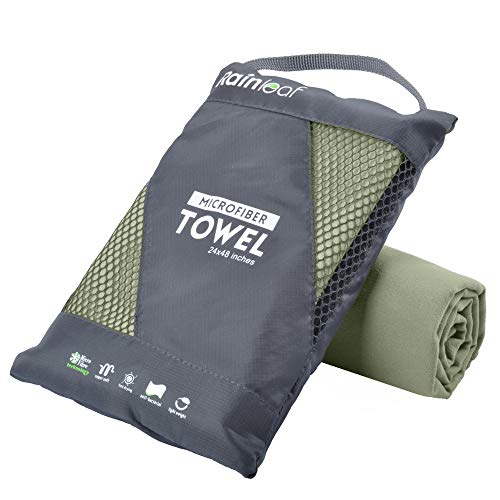


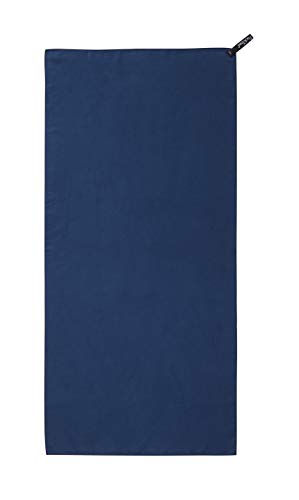

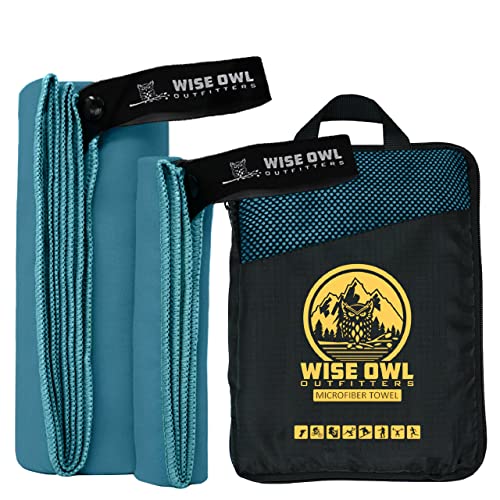

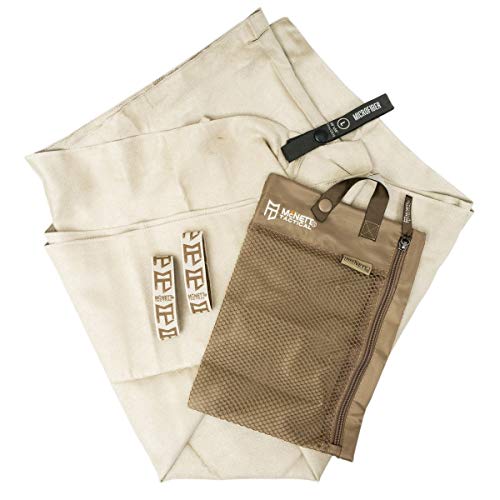


Best Camping Towel Types Compared
The table at the top of this guide gives a short view of each type, and the sections below explain what each type does well and where it falls short. No single type suits every trip, so compare them by the factors that matter most for your packing style and your comfort.
| Type | Best For | Pros | Cons | Typical Price |
|---|---|---|---|---|
| Everyday value towels | Car camping and family trips | Soft feel and low cost | Slower to dry and bulkier to pack | around $10 |
| Space saving towels | Backpacking and light travel | Very compact and fast drying | Thinner feel and smaller size | around $15 |
| Premium towels | Long trips and frequent use | Soft feel with good drying speed | Higher cost and more care needed | around $25 |
| Eco friendly towels | Low waste camping | Natural fibers and durable weave | May dry more slowly than synthetics | around $20 |
Everyday Value Towels
Everyday value towels suit car camping, cabin stays, and family trips where space is not tight. They often use cotton or a cotton blend, which feels familiar and soft against the skin after a shower or a swim. The trade off is pack size, since a cotton towel takes more room in a bag and needs more time to dry in humid air. If you can hang the towel in sun and wind, it will still serve well for a weekend trip.
Space Saving Towels
Space saving towels are made to fold down small and dry quickly, which makes them a strong choice for backpacking and multi stop travel. Many use microfiber, a fine synthetic fiber that absorbs a surprising amount of water for its weight and size. The feel is different from cotton, and some people find it less plush, but the fast drying time is a real benefit when you pack up early in the morning. For a closer look at this material, see our guide to best microfiber towels for camping before you decide on a size.
Premium Towels
Premium towels aim to combine softness with practical camping performance, often through a denser weave, a larger size, or a blend of fibers. They can feel closer to a home towel while still drying faster than a basic cotton towel, which suits longer trips and frequent use. The higher price makes sense only if you camp often enough to notice the difference in comfort and durability. Check the packed size and weight before you buy, since a premium towel can still be bulkier than a space saving option.
Eco Friendly Towels
Eco friendly towels use natural fibers, recycled materials, or production methods that aim to reduce waste and chemical use. Bamboo and organic cotton are common choices, and they can feel soft and breathable in warm weather. Some natural towels dry more slowly than synthetics, so plan for hanging space and airflow at camp. If low waste camping matters to you, look for clear maker information about fiber content and care, rather than a vague green claim on the label.
Everyday Value Towels Compared With Space Saving Towels
The choice between everyday value towels and space saving towels comes down to comfort, pack size, drying speed, and cost. Everyday value towels usually win on softness and price, while space saving towels win on weight, pack size, and drying time. A family with a car can accept a larger towel, while a backpacker may gladly trade a little softness for a towel that fits in a side pocket.
If you camp in humid weather, drying speed may matter more than softness, since a damp towel can feel cold and heavy by morning. For trips that mix hiking and car travel, many campers carry one of each type, using the compact towel on the trail and the softer towel at base camp.
How to Choose the Right Camping Towel
Use the factors below to narrow your choice, and judge each towel by how it will perform on your next trip. A towel that looks good in a photo may still disappoint if it is too small, too slow to dry, or too bulky for your pack.
Material and Construction
Material decides how a towel absorbs water, how fast it dries, and how it feels on skin. Cotton feels soft and familiar, microfiber packs small and dries fast, and blends try to balance both qualities. Weave also matters, since a tight weave can feel smoother and last longer, while a looser weave may dry faster but snag more easily.
Comfort and Feel
Comfort depends on softness, thickness, and how the towel drapes around your shoulders after a shower. A very thin towel may dry fast but feel cold and flimsy, while a thick towel may feel luxurious but stay damp in a tent. When you can, handle the towel before you buy, or read maker details about weight and thickness in plain terms.
Size and Fit
Size should match your body and your trip, not just the largest option on the shelf. A full size towel suits showers and swimming, while a smaller towel may be enough for face and hands on a short hike. Pack size matters too, so check the folded dimensions and weight, and compare them with the space left in your pack. A towel that fits your bag with room to spare is far more useful than a larger towel that forces you to leave other gear behind.
Certifications and Care Labels
Certifications can help you judge safety and quality, but they should not replace a close look at the towel itself. OEKO TEX certification, for example, relates to screening textiles for harmful substances, and it can give extra confidence for a towel used against skin. Read the care label as well, since washing and drying guidance affects how long the towel keeps its softness and absorbency. A towel that needs special care may still be worth it, but only if you are willing to follow that care on the road.
Care and Maintenance Tips
Wash a new towel before first use, following the maker guidance for water temperature and detergent. Skip fabric softener on most camping towels, since it can coat fibers and reduce absorbency over time. Hang the towel in moving air whenever you can, and avoid packing it while it is still damp, since that can lead to a musty smell.
For quick drying on the trail, see our guide to best quick dry towels for camping for tips on choosing a towel that dries well in humid conditions. At home, wash the towel promptly after a trip, and store it fully dry in a clean, ventilated place.
Good care also includes checking seams and edge binding after several washes, since fraying edges can shorten the life of an otherwise good towel. If a towel starts to lose absorbency, try washing it without softener and drying it fully in moving air before you replace it. For general towel quality and care advice, see our guide to best quality towels when you compare home and camping options. A little care after each trip keeps a camping towel soft, fresh, and ready for the next outing.
FAQs
How do I keep a camping towel fresh longer?
You can keep a camping towel fresh longer by drying it fully in moving air after every use and washing it promptly when you return home. Avoid storing a damp towel in a sealed bag, since trapped moisture encourages odor and mildew. Wash with a mild detergent, skip fabric softener, and dry the towel completely before you pack it away. A mesh bag can help airflow during a trip, and a second small towel gives you a dry backup while the first one airs out.
What GSM is best for a camping towel?
GSM, which measures fabric weight per square meter, gives a rough guide to thickness, but it does not tell the whole story for a camping towel. Lower GSM towels, often around 300 to 400, tend to pack small and dry fast, while higher GSM towels feel plusher but take longer to dry. For most camping trips, a mid range GSM offers a useful balance of softness, absorbency, and drying speed. Always check packed size and weight alongside GSM, since fiber type and weave affect performance just as much as weight alone.
How often should I replace a camping towel?
You should replace a camping towel when it no longer absorbs well, stays damp for a long time, or shows fraying seams that washing cannot fix. A well cared for towel can last for many trips, but frequent use, rough washing, and packing while damp all shorten its life. Inspect the towel after each trip, and look for thinning fabric, persistent odor, or edges that are coming apart. Replacing a worn towel before a long trip is safer than discovering its limits far from a store.
Are luxury camping towels worth it?
Luxury camping towels are worth it when you camp often and value a softer feel, a larger size, or a more durable weave that survives many washes. They are less useful for a rare weekend trip, where a good value towel may meet your needs at a lower cost. Compare the luxury towel on packed size and drying speed, not only on softness, since a plush towel that stays damp can be a burden on the trail. If the extra cost buys comfort you will notice every day of a long trip, it can be a sound choice.
How long does a camping towel take to dry?
A camping towel can take from under an hour to most of a day to dry, depending on material, thickness, airflow, and humidity. Thin microfiber towels often dry fastest, especially in sun and wind, while thick cotton towels dry slowest in still, humid air. Hanging the towel spread out, rather than folded over a line, speeds drying a great deal. If you need a towel ready by morning, choose a thinner, faster drying type and hang it as soon as you finish using it.
Our Verdict
The best camping towel is the one that fits your trip, your pack, and your comfort needs, rather than the softest or cheapest option alone. Backpackers should favor fast drying and compact size, while car campers can favor softness and a larger towel. Review the product table above one more time, check size, weight, and care guidance, and choose the type that will still feel useful on the last day of your trip.


