Best Camping Refrigerators for 2026: Every Type Explained Side by Side
Disclosure: We may earn a commission when you buy through links on this page, at no extra cost to you. As an Amazon Associate I earn from qualifying purchases. Learn more

Compressor, dual zone, absorption or thermoelectric: the best camping refrigerators differ in power use, noise and cold. See which type fits your trips.
Camping fridges look alike in photos, but the cooling system inside changes everything about power use, noise, and how cold your food stays. The best camping refrigerators hold a steady temperature on rough roads and sip power from a vehicle battery. This guide compares the main types side by side so the trade offs are clear before you spend.
Start with the comparison table below, which sums up each type, its best use, and its typical price. After the table, a direct head to head section and a step by step buying guide walk through size, power, and temperature control in plain terms. By the end you will know which cooling system fits your trips and which features you can safely skip.



Types of Camping Refrigerators Compared
Four cooling approaches cover almost every model on sale. Three of them chill with a compressor or a heat driven cycle, and one simply slows warming, so read the cons column closely before you decide.
| Type | Best For | Pros | Cons | Typical Price |
|---|---|---|---|---|
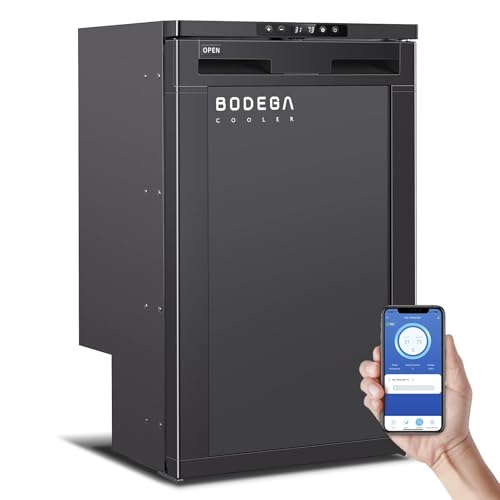
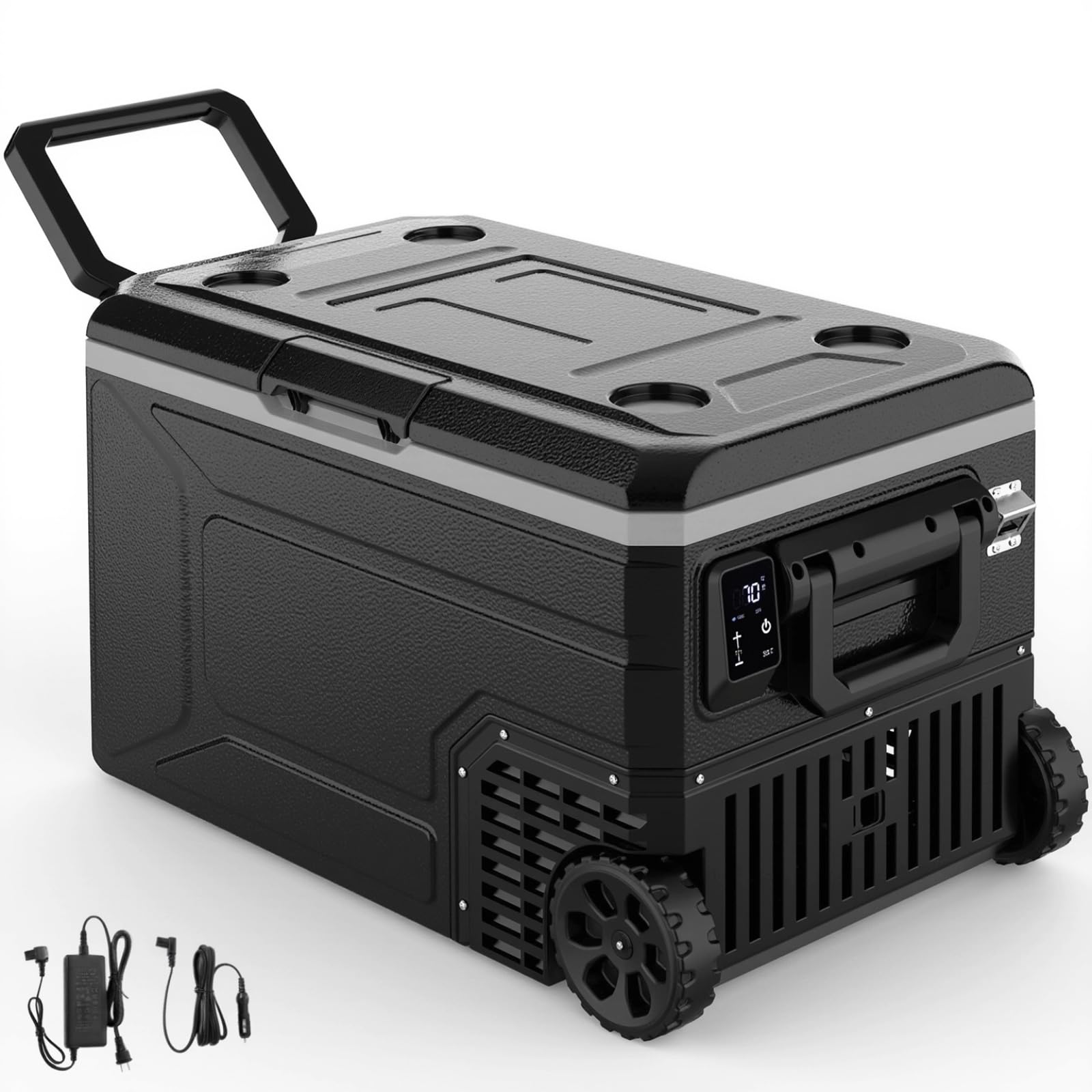
| Compressor single zone | Most campers and road trips | Chills well below freezing, sips power | Costs more than a cooler | about $250 to $600 |
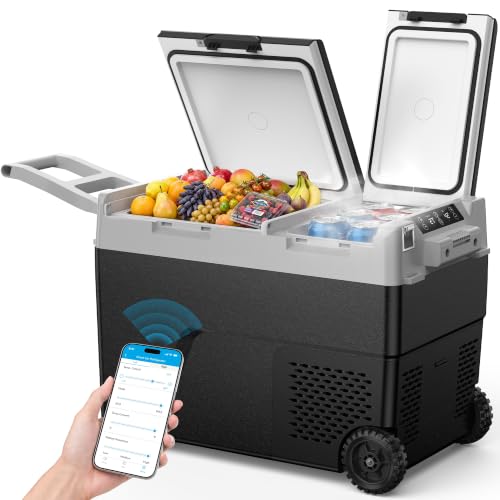
| Dual zone compressor | Long trips with frozen food | Fridge and freezer in one box | Bigger, heavier, pricier | about $500 to $1,000 |
| Absorption three way | Quiet sites with a gas supply | Silent, runs on propane | Weak in high heat, must sit level | about $400 to $900 |
| Thermoelectric cooler | Short drives and day trips | Light, cheap, simple | Cools only so far below air temperature | about $60 to $150 |
Compressor Fridge Freezers With One Zone
A small compressor cycles refrigerant through a sealed loop, the same idea as a home fridge in a tougher box. Single zone models hold one temperature, usually set between about 28 and 50 degrees Fahrenheit, and can freeze when set low. They run on 12 volt vehicle power, household current, or a camp battery. Most campers who cook real meals on trips of two days or more start here.
Dual Zone Compressor Models
Dual zone models split the cabinet with a divider and two controls, so one side freezes while the other keeps drinks and produce cold. The flexibility suits long routes and families carrying meat for a week. The cost is size and weight: many hold 55 to 75 liters and weigh about 45 to 60 pounds loaded. Choose one only if you truly need frozen storage, because a single zone box is easier to live with otherwise.
Absorption Three Way Refrigerators
Absorption models use heat from propane, 12 volt, or household power to move the cooling cycle, so they run in near silence with no moving parts. That quiet makes them popular in small trailers and at still campsites. They cool more slowly, lose ground when outside air passes about 90 degrees Fahrenheit, and must sit close to level to work. On propane they use very little fuel, which suits long stays away from hookups.
Thermoelectric Coolers
A thermoelectric unit moves heat with an electric plate and a fan. It can cool contents to about 30 to 40 degrees Fahrenheit below the air around it, which is fine for drinks on a mild day and not cold enough for raw meat in summer heat. These are coolers rather than true refrigerators, a point we return to in the best camping coolers guide. Buy one for short drives, not for week long food storage.
Compressor vs Absorption: Which Should You Choose?
Choose a compressor model if you drive between camps, run solar, or camp in hot weather, because it chills fast and holds temperature while the vehicle moves. Choose absorption if your camper stays parked for weeks, silence matters, and propane is easy to carry. Compressor units draw steady power but cool in almost any conditions. Absorption units sip gas yet struggle on steep grades and in heat waves, so for most readers comparing the types in the product table above, the compressor box is the safer all round pick.
How to Choose the Right Camping Refrigerator
Capacity and Layout
Plan about 10 to 15 liters per person for a weekend of fresh food, and 35 to 50 liters for two people on a week long trip. Tall bottles, flat trays, and a removable basket shape how much of that space you can actually use. Measure your cargo area or fridge slide before ordering, including room for the lid to open fully. A box that fits on paper but blocks its own lid will frustrate you daily.
Power Draw and Battery Protection
Most compressor models draw about 35 to 60 watts while the motor runs, and the motor cycles on and off. Over a day, expect roughly 20 to 40 amp hours of use in warm weather. Look for a battery monitor with low, medium, and high cut off settings so the fridge never drains a starter battery flat. Solar users should size the panel for the fridge first, then everything else.
Temperature Range and Zones
A useful fridge holds food between about 34 and 40 degrees Fahrenheit, cold enough for safety without freezing salad. Freezer capable models reach about 0 degrees Fahrenheit or lower. A digital display that shows the real cabinet temperature beats a simple dial, because you can spot a problem early. Dual thermostats matter only on dual zone models; on a single zone box, one accurate control is all you need.
Noise, Ventilation, and Build
Compressor fridges hum at about 35 to 45 decibels while running, similar to a quiet room fan, and most sleepers stop noticing after a night. The vents on the sides or back need a few inches of open air, and blocking them raises power use and heat. Metal corners, strong latches, and a lid seal you can replace point to a long service life. Before cleaning the inside, switch the unit off and unplug it, and leave refrigerant or compressor faults to a qualified technician.
Tips to Get the Most From Your Camping Refrigerator
Chill food and drinks at home before loading, because a fridge works far less to keep cold items cold than to cool warm ones. Keep the lid closed during the hot part of the day and store the unit in shade with the vents clear. A simple cover over the top adds insulation, as long as it stays away from the vents. At home between trips, many owners run the box as a spare drinks fridge; for a permanent home unit, see our guide to the best recommended refrigerators.
Camping Refrigerators: Your Questions Answered
What size camping refrigerator does a family of four need?
A family of four usually needs about 45 to 60 liters for a long weekend of fresh food and drinks. That space covers milk, eggs, meat, and produce without crushing anything. For week long trips, either step up to about 70 liters or plan a mid trip store stop. Remember that frozen water bottles double as ice and food space, so count them in your layout.
How much power does a camping refrigerator use each day?
Most compressor models use about 20 to 40 amp hours per day from a 12 volt battery in warm weather. Cooler nights, shade, and a full load all cut that figure. A 100 amp hour camp battery therefore runs a typical fridge for about two days before it needs charging from driving or solar. Thermoelectric coolers draw power without pause and use far more over the same day.
Can a camping refrigerator stay in a hot garage between trips?
Yes, most models can live in a garage, but heat raises power draw and shortens compressor life over time. Store the unit clean, dry, and unplugged with the lid cracked open so the seal and interior stay fresh. If you want a fridge that works in the garage full time, compare the best garage refrigerators, which are built for wide temperature swings.
How cold does a camping refrigerator need to be for food safety?
Keep fresh food at or below about 40 degrees Fahrenheit, the same guidance used for a home fridge. Set the control a few degrees lower, around 36 to 38, because opening the lid lets warm air in. Use a small thermometer inside the cabinet for the first trips until you trust the display. Frozen food should sit at about 0 degrees Fahrenheit to keep its quality.
How long should a camping refrigerator last?
A well kept compressor model often lasts about 8 to 12 years of regular trips. The compressor and electronics usually outlast the lid seal, latches, and handles, which are cheaper to replace. Dust on the vents, blocked airflow, and running flat batteries shorten life more than miles do. Store the unit dry with the lid ajar and it will be ready each season.
Final Thoughts
Start with the cooling type, since it decides power use, noise, and how your food survives a hot drive. Then match capacity to your crew and check the battery plan. Do that, and the best camping refrigerators for your trips will be easy to spot in the product table above, whether you tour every weekend or camp twice a year.