Best Canyoneering Shoes 2026: Buying Guide
Disclosure: We may earn a commission when you buy through links on this page, at no extra cost to you. As an Amazon Associate I earn from qualifying purchases. Learn more
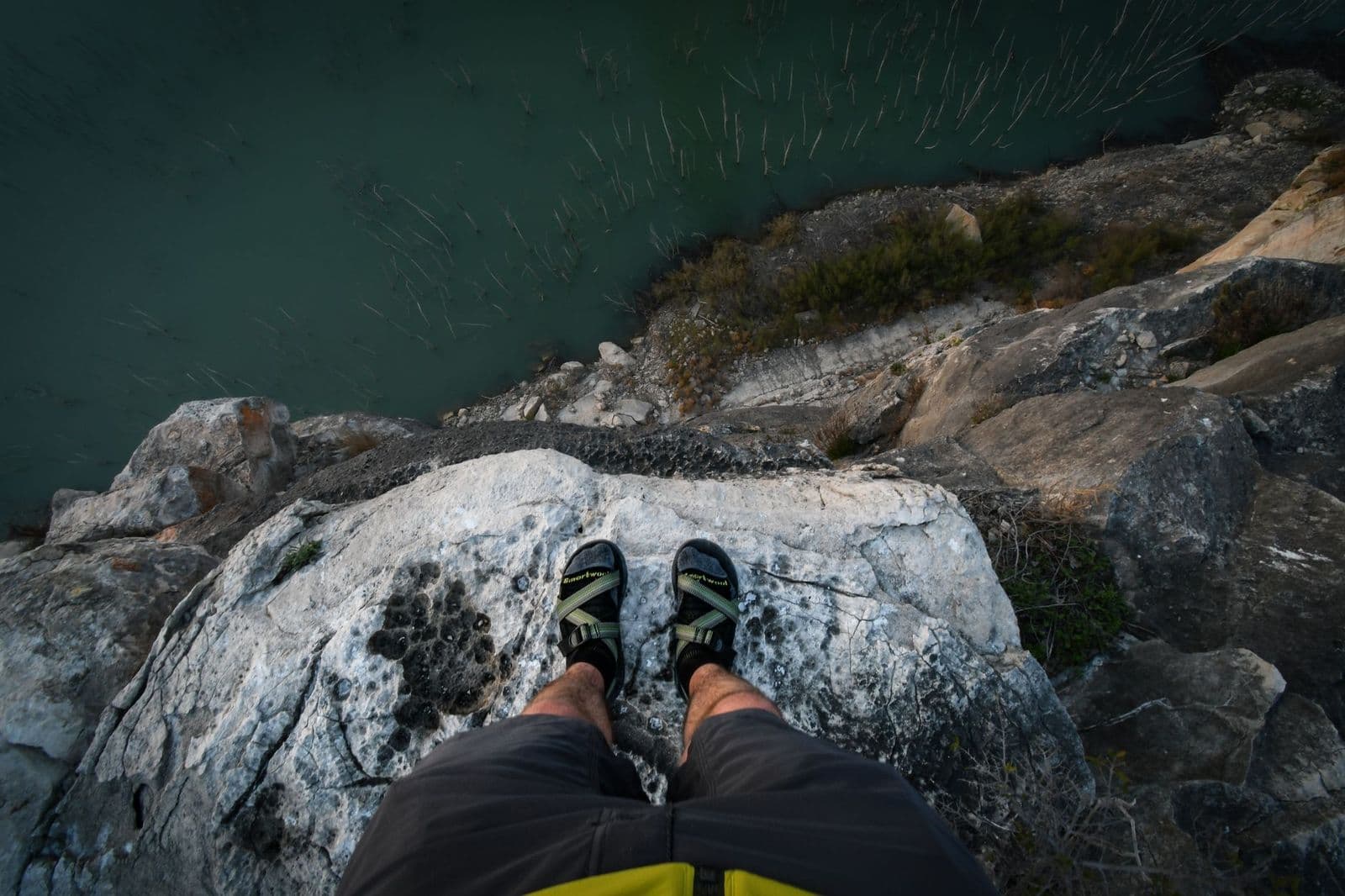
Learn how to choose canyoneering shoes by wet grip, drainage, protection, fit, and durability for canyon hikes, swims, scrambles, and rappels.
Choosing the best canyoneering shoes is about a sport that mixes hiking, swimming, scrambling, and rappelling in one outing. This guide compares wet grip, drainage, protection, and fit, so your shoes handle slick rock, flowing water, and long approaches without failing.
A canyoneering shoe must grip wet rock, drain quickly after swims, protect toes on scrambles, and stay secure during rappels. No ordinary hiking shoe does all of that well, so purpose built features matter more than brand or appearance alone.
Wet Grip: The Decisive Feature
Wet grip decides safety on slick rock, algae covered slabs, and wet boulders, so rubber compound and lug pattern matter more than any other feature. Sticky rubber grips wet rock better than hard hiking rubber, while shallow, well spaced lugs shed water and mud rather than hydroplaning on slick surfaces. Test grip on wet rock in a controlled setting before a serious canyon, because shop floor feel does not predict wet performance.
Grip also changes with wear, temperature, and silt, so inspect soles before each trip and replace shoes when rubber hardens or lugs wear smooth. Clean soles after trips, since dried mud and sand reduce grip on the next outing. In canyoneering, grip is not a comfort feature, it is the primary safety system under your feet.
Drainage, Drying, and Water Handling
Drainage decides how a shoe feels after a swim, since waterlogged shoes become heavy, blister prone, and slow on the next hike. Look for drain ports, mesh panels, and materials that do not absorb excessive water, and avoid waterproof membranes that trap water inside after immersion. A shoe that drains in minutes and dries reasonably between water sections keeps feet lighter and warmer throughout the day.
Water handling also includes fit when wet, since feet swell and materials stretch, so lacing systems should allow quick adjustment on the move. Neoprene socks or dedicated canyon socks improve warmth and fit in cold water, while bare feet inside wet shoes often blister. Plan your sock system with your shoe choice, not as an afterthought.
Protection, Toe Caps, and Ankle Support
Protection covers toes against rocks, sides against abrasion, and soles against sharp stones, all of which are routine in canyons. A sturdy toe cap and reinforced rand protect during scrambles and stem moves, while a firm midsole shields feet from sharp edges underfoot. Ankle support is a trade off, with low shoes offering agility and mid height shoes offering stability on uneven exits, so choose based on your ankle history and canyon type.
Protection should not sacrifice drainage or grip, so check that toe caps do not trap water and that reinforced areas still flex at the forefoot. Fit with your canyon socks, and test scrambling moves before a committing canyon, since a protective shoe that pinches will cause blisters that ruin a long day. If you have ankle instability, discuss support needs with a clinician or experienced guide.
Fit, Lacing, and Rappel Compatibility
Fit for canyoneering should be snug without cutting circulation, since loose shoes slip on wet rock and tight shoes cause numbness during long swims and hikes. Lacing should stay secure when wet, allow quick tightening after water sections, and avoid bulky knots that catch on ropes or rock. Test fit after soaking shoes, because dry fit alone misleads for a sport spent partly underwater.
Rappel compatibility matters when shoes meet harness and rope work, with low profile toes and secure heels helping foot placement on walls. Avoid shoes with large loops or dangling laces that snag, and check that soles do not slip on wet rappel ledges. A shoe that works for hiking but fails on rappel ledges is a poor canyon choice, so test the full range of moves before committing.
Durability, Abrasion, and Canyon Wear
Durability in canyons means resistance to abrasion from sandstone, chemical exposure from water, and repeated wet dry cycles that degrade glues and fabrics. Look for stitched construction, abrasion resistant uppers, and soles bonded for wet use, rather than lightweight trail runners that shred on first contact with rough rock. Expect canyon shoes to wear faster than hiking shoes, and budget for replacement based on trip frequency.
Care extends life, with rinsing after trips, drying away from direct heat, and inspecting stitching and soles before each outing. Remove sand and grit from drainage ports, since clogged ports trap water and weight. A shoe inspected before a canyon is far safer than one assumed ready after a season in storage.
Mistakes to Avoid When Buying
A common mistake is using ordinary hiking shoes or water shoes for serious canyons, since neither grips wet rock and drains well enough for sustained canyon work. Another mistake is buying too loose for comfort, which causes slips on wet rock and blisters from foot movement inside a wet shoe. Finally, do not skip a wet test, because dry shop comfort reveals little about canyon performance.
Also avoid ignoring group and guide advice for specific canyons, since water levels, rock types, and exit hikes change shoe needs. Learn basic canyon safety, never canyon alone in committing terrain, and carry appropriate rescue and communication gear. Shoes are one part of a safety system that includes skills, partners, and planning.
A Final Check Before You Order
Before a committing canyon, test new shoes wet on slick rock in a controlled setting, including scrambling, swimming, and rappel stance, and note grip, drainage, and fit when soaked. Dry shop comfort reveals almost nothing about canyon performance, so a wet test is essential safety preparation rather than optional diligence. Note how laces behave when wet and whether the shoe stays secure during movement, since those details decide safety on real terrain.
Also practise canyon safety skills with experienced partners, including route planning, water level checks, communication plans, and basic rescue awareness, since shoes alone do not make a canyon safe. Learn the specific canyon rating, exit options, and weather risks before entering, and never rely on a single piece of gear for safety. Skills, partners, and planning form the real safety system.
Finally, inspect and rinse shoes after every canyon, checking soles, stitching, and drainage ports before the next trip, since canyon wear is rapid and failures hide until they matter. Keep a log of trips and wear, so replacement timing becomes predictable rather than surprising. Diligent care and inspection protect both shoes and the people wearing them.
Frequently Asked Questions
Can I use hiking shoes for canyoneering?
Ordinary hiking shoes grip poorly on wet rock, drain slowly, and wear quickly on abrasive canyon rock, so they suit only dry, easy canyons at most. Purpose built canyoneering shoes use sticky rubber, drainage, and reinforced protection for sustained wet work. For committing canyons with swims and scrambles, dedicated canyon shoes are a safety investment, not a luxury.
How should canyoneering shoes fit?
Canyoneering shoes should fit snugly without cutting circulation, with room for canyon socks and allowance for feet swelling when wet. Test fit after soaking, since dry fit misleads for a sport spent partly underwater. Lacing should allow quick adjustment after water sections, and loose shoes should be avoided because they slip on wet rock.
Do canyoneering shoes need to be waterproof?
Canyoneering shoes should drain, not waterproof, because waterproof membranes trap water after swims and make shoes heavy. Drain ports, mesh, and low absorption materials let water escape quickly after immersion. A shoe that drains in minutes keeps feet lighter, warmer, and less blister prone across a full canyon day. Choose drainage over waterproofing for wet canyons, since a shoe that empties quickly stays lighter and safer all day.
How do I care for canyon shoes after a trip?
Rinse shoes thoroughly after each trip, remove sand from drainage ports, and dry naturally away from direct heat. Inspect soles, stitching, and laces before storage and before the next trip, since canyon abrasion wears parts faster than hiking. Proper rinsing and inspection extend life and catch failures before they matter in a canyon.
Are canyoneering shoes safe for rappelling?
Canyoneering shoes suit rappelling when they offer secure heels, low profile toes, and grip on wet ledges, without dangling laces that snag. Test foot placement and stance in a controlled setting before a committing canyon. Shoes alone do not make rappelling safe, so proper training, partners, and equipment remain essential for every descent.
Final Thoughts
When wet grip, drainage, protection, and fit are weighed together, the best canyoneering shoes become a safety decision rather than a style choice. Choose the shoe that grips your local wet rock and drains after swims.
Test shoes wet before a serious canyon, learn canyon safety skills, and never tackle committing terrain alone. The right shoes, combined with training and good partners, make canyon days both thrilling and responsibly safe.