Best Camping Folding Saws: A Practical Buying Guide for 2026
Disclosure: We may earn a commission when you buy through links on this page, at no extra cost to you. As an Amazon Associate I earn from qualifying purchases. Learn more

A clear guide to the best camping folding saws, covering blade length, tooth pattern, locking strength, and safe use for firewood and camp tasks.
A folding saw earns its pack space the first time you need dry firewood cut to stove length or a fallen branch cleared from your tent pad. Choosing the best camping folding saws comes down to blade length, tooth pattern, and a lock you can trust, not to motor specs, because these are hand tools powered by your arm. This guide explains each factor in plain terms.
Start with the comparison table below, then use the checklists to match a saw to the wood you actually cut. A saw sized for thumb thick kindling will struggle with a wrist thick log, and the reverse wastes weight.
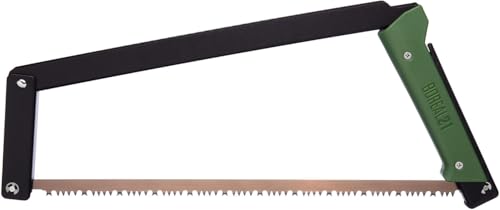
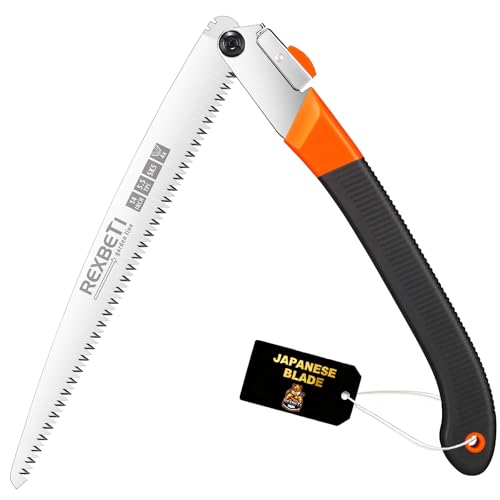


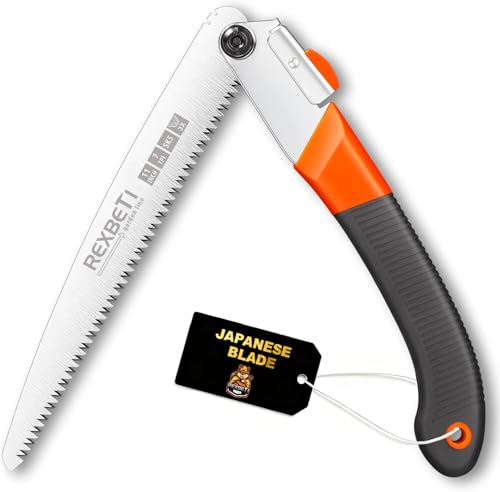
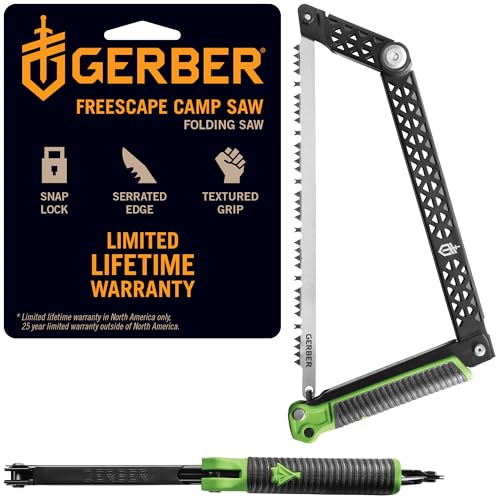


Three Tier Checklists at a Glance
Instead of a single winner, think in tiers. Each checklist below describes what a strong option at that level should offer, whoever makes it.
Mid Tier: What to Look For
An all around camping saw should carry a blade of about 7 to 10 inches, cut on the pull stroke, and lock open with no wobble at the pivot. The grip should fill your hand without hot spots, and the folded package should ride in a pack side pocket. Expect to pay around $25 to $45 for this balance of steel quality, lock strength, and comfort. This tier handles firewood, tent site clearing, and trail side chores for most campers, most trips.
Budget Tier: What to Look For
A value saw, often around $12 to $25, should still give you hardened teeth, a positive lock, and a blade that does not flex like a ruler on the push stroke. You may give up a refined grip, a sheath, or the smoothest cutting finish. For occasional campers who cut small wood a few nights a year, that trade is sensible. Check that replacement blades exist for the design, because a cheap saw with no spare blade becomes litter after one dull season.
Premium Tier: What to Look For
A premium saw, often around $45 to $80, should justify itself with superior steel that holds an edge through green and dry wood, a refined tooth grind that leaves a clean cut, and a lock and pivot built for years of use. Grips tend to be shaped rubber that stays secure with gloves. Backpackers who process wood often, and campers who heat with a tent stove, feel this difference nightly. Casual users will notice it less, so buy this tier for workload, not status.
How to Choose the Best Camping Folding Saws: Buying Guide
Manual Power: Why There Is No Cord or Battery
Folding saws are manual tools, so there is no corded or cordless choice to weigh and no battery platform to join. Your arm supplies the power, which means tooth design and blade length decide how fast you cut far more than strength does. A sharp, well shaped blade rewards a relaxed, steady stroke and punishes forcing. If you need to cut large volumes of wood at a base camp, a full size bow saw or a powered tool at home is a different category entirely; for packable camp work, manual is the point.
Blade Length and Cutting Capacity
Blade length sets the largest log you can cut with control. As a working rule, choose a blade at least twice the diameter of the wood you cut most often, so the teeth clear the cut on each stroke. A blade around 7 inches suits kindling and small branches, while 10 to 13 inches handles serious firewood. Longer blades cut faster per stroke but fold into a longer, heavier package, so backpackers often accept a mid length and a little patience.
Tooth Pattern and Cutting Speed
Most camping saws cut on the pull stroke, which keeps the thin blade straight and lets you use body weight rather than arm force. Tooth size matters: larger, widely spaced teeth clear wet and green wood quickly, while finer teeth leave a smoother finish in dry hardwood and bone dry branches. Teeth per inch figures on listings help you compare, with lower counts cutting coarse and fast. Pick the pattern for the wood in your region, not for the fastest demo video.
Sheath, Replacement Blades, and What Is Included
A good package includes a sheath or a blade guard, because an exposed edge will shred a pack liner or a hand reaching in the dark. Some saws include a belt loop case, which suits camp hosts who carry the saw all evening. Confirm that replacement blades are sold for your design and note their price before you buy; a spare blade restores a saw to full sharpness in minutes. For a wider view of the category, see our guide to the best folding saws beyond camping specific designs.
Steel Quality and Performance Specs
Blade steel and tooth hardening decide how long a saw stays sharp. Many quality blades use high carbon steel with impulse hardened teeth, a treatment that keeps tooth tips hard while the blade body stays flexible enough not to snap. A rust resistant coating helps in wet climates, though wiping the blade dry still matters. Flex is a spec you can feel: a blade that bends easily in your hands will wander in the cut and tire you, while a slightly stiffer blade tracks straight.
Weight, Ergonomics, and Hand Fatigue
Weight ranges from a few ounces for compact saws to over a pound for long blades, and your trip style decides what is fair. The grip matters as much as the scale: look for a handle that locks your hand in place without squeezing, works with gloves, and keeps knuckles clear of the log. Fatigue comes from vibration and from a grip that forces a tight hold, so a shaped rubber handle is worth real money if you cut nightly. Test the lock and grip with the gloves you camp in.
Durability and the Locking Mechanism
The lock is the safety heart of a folding saw. It should engage with a clear click, hold the blade rigid under cutting pressure, and release only when you press or slide it on purpose. Check for play at the pivot by holding the handle and wiggling the open blade; side to side movement will grow with use. Metal pivot hardware and a replaceable blade mount signal a design built to last. If a lock ever feels uncertain, stop using the saw until it is repaired or replaced.
Types of Camping Folding Saws
Curved Blade Saws
Curved blades keep more teeth in contact with round wood, so they cut firewood and branches quickly with less effort per stroke. They are the natural choice for pruning style cuts and for processing logs at camp. The curve makes straight, flat cuts less tidy, which rarely matters outdoors. Most campers who cut wood every trip land here, and our guide to the best camping saws covers curved and other camp designs in more depth.
Straight Blade Saws
Straight blades give a predictable, even cut and pack into a slim, simple shape. They suit campers who also do light carpentry style tasks at camp, such as trimming a tent pole repair or cutting stakes. Cutting speed on round logs is a touch slower than a curved blade of the same length. If your work mixes firewood with careful, measured cuts, a straight blade is a calm and versatile tool.
Compact and Pocket Saws
Compact saws trade blade length for a folded size that vanishes into a hip belt pocket or repair kit. They handle kindling, small branches, and emergency shelter poles, and they weigh very little. Their limit is capacity: a thick log becomes a long, tiring project. As a second saw in a group kit, or the only saw on a fair weather backpacking trip, they make strong sense. Bushcraft users who rely on a saw daily should compare our guide to the best folding saws for bushcraft for heavier duty expectations.
How to Make Your Camping Folding Saw Last Longer
- Wear eye protection when cutting, and keep your free hand well clear of the blade path, because a folding saw can jump from a cut when a branch gives way.
- Let the teeth do the work with long, relaxed pull strokes; forcing the blade bends it, dulls teeth, and tires your arm.
- Keep the blade clean and dry, wiping sap off with a cloth after use, since sap and moisture dull edges and invite rust.
- Store the saw folded and locked in its sheath, never loose in a pack where the edge can open or strike other gear.
- Replace the blade when cutting slows and effort rises, because most camping saw teeth are hardened for replacement rather than home sharpening.
One more habit helps every saw: cut a small notch first to guide the blade, and support the wood so the cut does not close and pinch the blade as you finish. For emergency oriented kits, see our guide to the best survival folding saws for designs built around that role.
FAQs
What blade length is best for camping firewood?
A blade of about 10 inches suits most camping firewood, because it cuts logs up to about 5 inches across with strokes that clear the teeth. Smaller wood and light trips allow about 7 inches, which packs shorter and lighter. If you regularly cut wood for a tent stove, step up in length and accept the weight. Matching blade length to your usual log size saves more effort than any other single choice.
Can a folding saw cut green wood and dry wood?
Yes, a folding saw can cut both, but the wood changes how the teeth behave. Green wood is softer yet can clog fine teeth with wet fibers, while dry hardwood cuts slower and dulls edges faster. Coarse teeth clear green wood well; mid range teeth handle both reasonably. Clear the cut with a short push to knock out debris when the stroke starts to drag, and never twist the blade to free it.
Can I sharpen a camping folding saw blade?
Usually you replace the blade rather than sharpen it. Most camping saw teeth are impulse hardened, and filing softens that hard layer and rarely restores the original tooth shape. A blade that needs real effort, leaves a ragged cut, or has bent or missing teeth is ready for replacement. Keep the old blade as a rough spare for dirty jobs like cutting roots in soil, where a new blade would dull at once.
How do I use a folding saw safely?
Lock the blade fully open before the first stroke and check for pivot wobble, then brace the wood so it cannot roll toward your legs. Cut away from your body, keep bystanders out of the swing and fall zone, and fold the saw before walking anywhere. Gloves protect against slips, and eye protection guards against snapped twigs. If you are new to hand saws generally, our guide to the best folding hand saws explains shared technique basics.
Wrapping Up
Choose blade length for your wood, teeth for your region, and a lock you trust, and the rest is comfort and weight. The product table above will help you compare those points across tiers. Picked with care, the best camping folding saws option for your trips will ride unnoticed in your pack and then quietly turn a pile of branches into an evening of firelight.