Best Camping Saws 2026: A Safe, Practical Buying Guide
Disclosure: We may earn a commission when you buy through links on this page, at no extra cost to you. As an Amazon Associate I earn from qualifying purchases. Learn more

Choose the best camping saws by blade type, size, weight, and safety for firewood, trail chores, and camp use.
The best camping saws help with firewood, shelter poles, and trail clearing, but the right saw depends on pack size and the wood you cut. The comparison table below compares folding, bow, and fixed blade styles, so you can match the saw to your trip. This guide focuses on safe, practical cutting, not on felling large trees, which needs professional tools and training.
Camp cutting is usually light work: small branches, kindling, and poles for a tarp or shelter. A saw built for that work is compact, sharp, and easy to control with one hand or two. Larger saws cut faster but add weight and pack bulk, so balance speed against how far you will carry it.


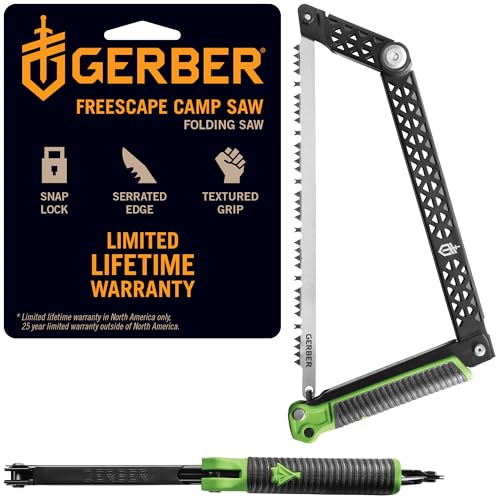


Best Camping Saws: Styles Compared
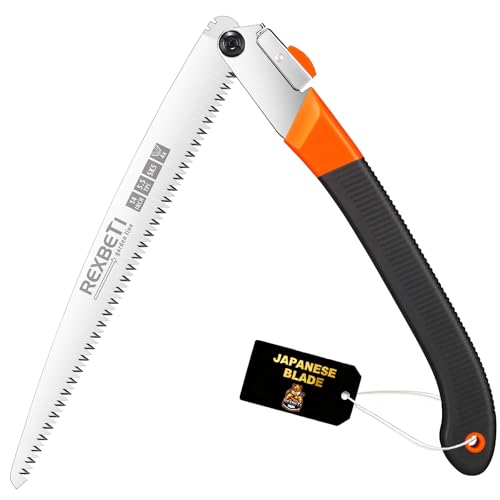
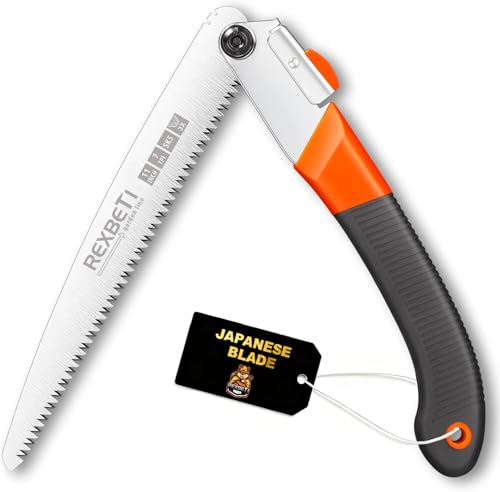
Folding saws fold the blade into the handle for safe packing. They suit most campers because they are light, compact, and easy to carry in a pack pocket. Blade length decides cutting capacity, so choose a blade long enough for your usual branch size without adding unnecessary length.
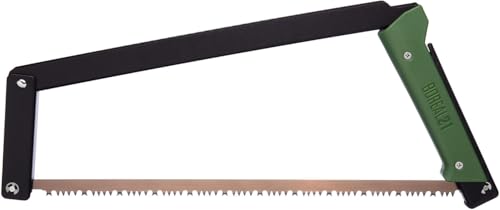
Bow saws use a frame and a long blade for faster cuts on larger wood. They suit base camps and car camping, where weight matters less and firewood processing is a bigger job. They pack awkwardly, so check whether the frame folds or breaks down before buying.
Fixed blade saws and pruning style saws offer a rigid, controlled cut for camp chores and trail work. They need a sheath for safe carrying and suit users who cut often. A fixed blade can feel more precise than a folding saw, but it takes more pack space.
Blades, Teeth, and Cutting Performance
Tooth pattern decides how fast and how clean a saw cuts. Coarse teeth cut green wood quickly but leave a rougher finish, while finer teeth cut dry wood more cleanly. For camp firewood, a medium tooth pattern offers a good balance of speed and control.
Blade material and coating affect rust resistance and friction. A coated blade resists sap build up and cuts more smoothly in wet wood. Check whether replacement blades are available, because a dull blade is both slower and more dangerous than a sharp one.
Length and handle grip matter for control. A handle that fits your hand with gloves on, and that does not slip when wet, reduces fatigue and slips. Test grip with damp hands if you can, and avoid a handle that forces your wrist into an awkward angle.
Safety, Packing, and Camp Rules
Always cut away from your body, keep the free hand clear of the blade path, and secure the wood before cutting. Wear gloves and eye protection for larger cuts, and never force a dull blade through wood. If a blade binds, stop, reposition the wood, and cut again rather than wrestling it free.
Check camp and trail rules before cutting. Many sites forbid cutting live trees or gathering wood beyond a certain size, and some areas ban saws during fire restrictions. Use only dead, downed wood where allowed, and leave the site as you found it.
Pack the saw with the blade covered and away from food, water, and sleeping gear. A folding saw should lock open and closed, and a fixed saw needs a secure sheath. Keep the saw dry between trips to prevent rust, and oil the blade lightly for storage.
Choosing for Your Trip Type
Backpackers need the lightest saw that still handles their usual wood size. A compact folding saw often wins, because every gram counts over miles. If you rarely cut wood, a smaller blade or even a sturdy knife for kindling may be enough.
Car campers can carry a larger bow saw or a longer folding saw for firewood processing. Weight matters less, so cutting speed and comfort become the priorities. A saw that processes a pile of firewood without tiring your arm will make camp life easier.
Trail workers and group leaders need a durable saw with replaceable blades and a comfortable two hand grip for repeated cuts. Safety training matters here, and a saw should be matched to the volunteer's experience and the trail authority rules.
Related Guides to Compare
If you want a pack friendly blade, our guide to best folding saws for camping covers that style in more depth.
A Final Check Before You Order
Match the saw to the way you camp. A saw that is perfect for a base camp can be a burden on a long trail, and a trail saw can be slow on a pile of firewood, so check blade length, packed size, and weight against your usual trip. Confirm that a folding saw locks open and closed, or that a fixed saw has a secure sheath, and check that replacement blades are easy to find, since a sharp blade is safer than a dull one.
Practice with a new saw at home on scrap wood before you rely on it miles from a shop. That shows how the blade starts, how it binds, and whether the handle suits your hand with gloves on. Check local rules for gathering wood and using saws during fire restrictions before you cut anything at camp.
Frequently Asked Questions
What size camping saw do I need?
Choose a blade slightly longer than the thickest branch you usually cut. For kindling and small firewood, a compact folding blade is enough. For larger firewood at a base camp, a longer bow or fixed blade cuts faster and with less effort.
Are folding saws safe for camping?
Folding saws are safe when the blade locks open and closed and the user cuts away from the body. Keep the blade covered in a pack, use gloves for larger cuts, and replace dull blades promptly. A saw that does not lock securely should not be carried in a pack.
Can I cut live trees at a campsite?
In most campsites and parks, cutting live trees is not allowed, and many areas restrict wood gathering to dead and downed wood. Always check local rules before cutting. Respecting these rules protects the site and avoids fines or damage to living trees.
How do I maintain a camping saw?
Clean sap and dirt after each trip, dry the blade fully, and oil it lightly before storage. Sharpen or replace dull blades rather than forcing cuts. Store the saw covered in a dry place, away from moisture that causes rust.
Should I carry a saw on a short hike?
For a short day hike with no campfire or shelter work, a saw is usually unnecessary weight. Carry one only when you plan camp chores, trail clearing with permission, or firewood processing. Otherwise, leave it behind and enjoy a lighter pack.
Final Thoughts
Match the saw to your pack, your usual wood size, and local rules, then prioritize a sharp blade and a secure grip. best camping saws should cut safely and pack safely, with no need for a larger tool than your trip requires.