Best Bodum French Press (2026): Sizes, Materials and Care
Disclosure: We may earn a commission when you buy through links on this page, at no extra cost to you. As an Amazon Associate I earn from qualifying purchases. Learn more

Size, material and care advice for choosing the best bodum french press, from classic glass models to steel and compact travel presses.
Picture a slow weekend morning in a small kitchen. Two people want coffee, the counter is already crowded with a kettle and a toaster, and a huge brewer would only get in the way. Choosing the best bodum french press for a home like that has less to do with fancy extras and more to do with fit. The right size, material, and shape depend on how many cups you brew, how much counter room you have, and how much cleanup you will accept each day.
This guide walks through the Bodum lineup by household size, kitchen space, daily routine, and budget, so you can narrow the range before you shop. Use the product table below to line up real capacities and materials side by side.





Quick Answer: Three Styles Worth a Look
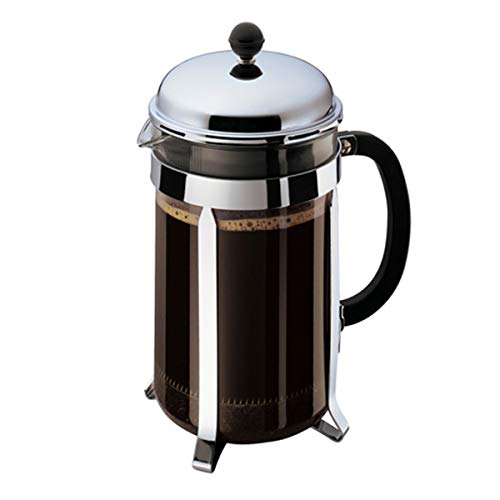
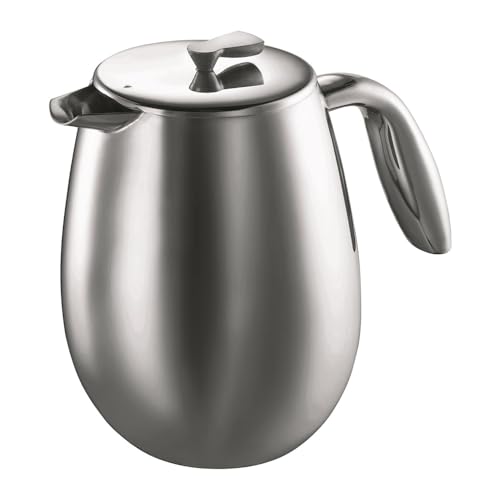
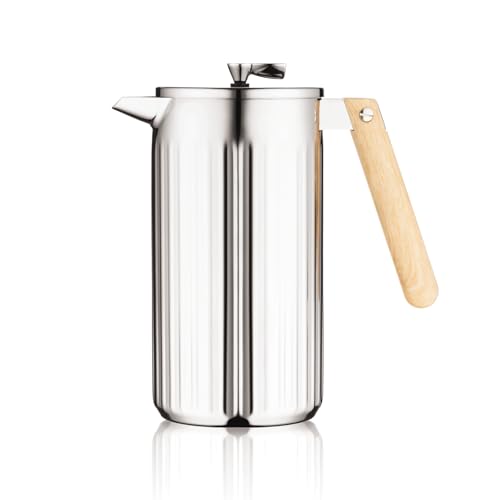
If you want the short version, most homes land on one of three styles. A classic glass press suits households that brew at the table and pour right away. A steel press suits busy kitchens where bumps and drops are likely and coffee needs to stay warm a little longer. A compact travel style press suits one person, a small apartment, or a desk.
Before You Buy: A Quick Checklist for Choosing a French Press
Bodum sells several presses that look similar at a glance, yet small differences in size, frame, and filter change how each one fits your home. Work through the points below in order.
Size: Match It to Your Space
Bodum presses commonly come in sizes near 12 ounces, 17 ounces, 34 ounces, and 51 ounces, and those numbers describe the full beaker, not the amount you should brew. Leave head room for grounds and foam, so a 34 ounce press pours closer to 28 ounces of coffee. A couple drinking one mug each does well with a mid size press, while a household of four coffee drinkers will refill a small one every morning and resent it.
Which Type Fits Your Routine
Glass beakers show the brew level at a glance and feel light in the hand, but glass can break and loses heat fast once brewing ends. Steel bodies shrug off knocks and suit homes with kids, pets, or tight counters where things get set down hard. Travel presses add a sealed lid and a smaller footprint for commutes or camping.
Brew Temperature and Water Quality
Press coffee tastes best when the water sits between 195 and 205 degrees Fahrenheit, just off a rolling boil. Water that is too hot can pull harsh flavors from the grounds, while water that has cooled too far gives a flat, sour cup. If your tap water tastes strongly of chlorine, use filtered water, since a press does nothing to hide off flavors in the water itself. You control the heat, not the brewer.
Filters, Screens, and Cleaning Needs
Every Bodum press relies on a mesh screen and a plunger rather than paper filters, so there are no paper refills to buy. The screen keeps most grounds out of your cup, though a fine sediment at the bottom is normal for this brew method. Check that the plunger comes apart fully, because coffee oils collect around the screen and the cross plate and cause stale flavors if they stay there. Models with fewer small parts rinse faster on busy mornings.
Counter Footprint and Storage
Measure the shelf or cabinet where it will live, and note the height with the plunger raised, since you lift the rod straight up each time you brew. Wide frames and chunky handles need more room than slim ones. In a tiny kitchen, a compact press that tucks beside the kettle wins over a statement piece you must move daily.
Realistic Budget Ranges
Most Bodum presses fall between under $25 and about $50, with larger steel models sometimes costing a bit more. At under $25 you get a simple glass press that brews exactly the same coffee as pricier ones, since the method does not change. Spending about $25 to $50 buys tougher frames, steel bodies, better heat retention, and spare parts that are easier to find. Pay for durability and fit rather than looks, since brew quality depends far more on your coffee, grind, and water than on the price of the press.
Three Press Types Compared for Home Use
Since the brew method stays the same across the lineup, the honest way to compare Bodum models is by type.
Classic Glass Presses for the Table
A glass beaker in a metal or plastic frame is the style most people picture, and it remains the easiest to live with for daily home brewing. You can watch the grounds steep and judge the color as you pour. The trade off is fragility and fast heat loss, so plan to pour into mugs or a thermal carafe as soon as the plunge is done. For most couples and small families, this is where the search for the best bodum french press sensibly starts, since the type matters far more than any single model name within it.
Steel Presses for Busy Kitchens
A steel press trades the view of the brew for strength. It survives drops that would end a glass beaker, and many steel bodies hold heat longer, which helps when breakfast runs long. If you are comparing materials broadly, our guide to the best stainless steel french press explains how steel compares with glass across brands. Steel costs more and weighs more, and you cannot see the coffee level, so you learn to judge by time instead.
Compact and Travel Presses for One
The smallest Bodum presses brew one generous mug and fit in a drawer, a dorm room, or a work bag. Sealed travel versions double as the drinking cup, which limits you to one serving at a time. Households that host often should treat a compact press as a second press rather than the only one, since guests will wait through several small brews. For trips away from home, our roundup of the best french press for camping covers presses built for packs and camp stoves.
How to Judge Bodum French Presses
Judge the lineup on brew quality, how steady the temperature stays during a normal steep, ease of use, how simple each press is to clean, and overall build quality. Maker specifications and patterns in verified buyer feedback, such as repeated comments about broken beakers or loose screens, are the best guide. Give more weight to long term ownership costs, like replacement glass and screens, than to first impressions.
The Bodum French Press Lineup Explained
Bodum organizes its range less by brew performance, which stays similar, and more by beaker material, frame style, and size. The glass lines share the same plunger design, so moving between them changes looks and durability rather than flavor. Steel lines add insulation in some models, which keeps a second cup warm without a separate carafe. If warmth is your main concern, compare your shortlist with the options in our guide to the best insulated french press before you decide.
One naming trap catches many buyers. Cup counts on press packaging often use small European style cups of about 4 ounces, so a press sold as eight cups may hold about 34 ounces and fill only three or four American mugs. Always shop by ounces rather than by the cup number on the box. For a wider view, our main guide to the best french press compares press styles across makers and price bands.
Common Buying Mistakes to Avoid
- Buying by the cup count on the box, which uses small cups, and ending up with a press that holds far less than your household drinks.
- Choosing the largest size for occasional guests, then brewing weak half loads most days that never taste quite right.
- Ignoring replacement costs, since a glass beaker will likely need replacing at some point and spare screens wear out with daily use.
- Paying extra for decorative frames or colors while skipping the size and material checks that decide daily satisfaction.
- Forgetting storage height, so the press with its plunger raised does not fit under the cabinets where you planned to keep it.
Cost of Ownership and Care
A press has no power draw and no pods or paper filters to restock, so running costs stay close to zero. The real costs are replacement parts. A spare glass beaker costs roughly a third of a new press, and mesh screens flatten and fray with heavy use, so budget for a new screen now and then if you brew daily. Wash the plunger parts in warm soapy water after each use, let them dry fully before you reassemble, and put grounds in the trash rather than the sink to protect your drain.
Your Questions, Answered
How do you clean a french press?
Scoop the spent grounds into the trash, then take the plunger apart so the screen, cross plate, and rod can be washed separately in warm soapy water. A soft sponge protects the mesh from bending. Once a week or so, soak the parts to lift the coffee oils that a quick rinse leaves behind, since old oils turn rancid and dull the next brew. If you are new to the method, our walkthrough on how to use a french press covers the full routine from first brew to cleanup.
Is a french press worth it?
For home use, yes, if you like a full bodied cup and want a brewer with almost no running costs. A press needs no electricity, takes little counter room, and handles two to four mugs without the waste of pods. The trade offs are sediment in the cup, steeping time, and washing the parts by hand.
How long does a french press last?
The frame and plunger of a Bodum press can last for many years because there are no motors, seals under pressure, or electronics to fail. The parts that wear are the mesh screen, which slowly loses its shape, and the glass beaker, which usually ends by accident rather than old age. Keeping a spare screen on hand stretches the life of the whole press far more than any special care product.
Which Bodum french press should I buy?
Start with how many mugs you brew on a normal morning, then choose the material that fits your kitchen. Glass suits careful users who pour at once, steel suits busy or crowded homes, and compact sizes suit solo drinkers. For step by step ratios once your press arrives, see our guide on how to make coffee with a french press.
What is the best bodum french press?
There is no single winner for every home, because the brew method is identical across the range and the differences are size, material, and build. The best choice is the press whose capacity matches your daily mugs and whose body suits your counters and storage. A mid size glass press covers most households, a steel press covers rough handling and slow mornings, and a compact press covers one person well. Decide those two points first and the model choice becomes straightforward.
Final Thoughts
Bodum built its name on simple presses that do one job well, and the range rewards buyers who think about their own kitchen first. Match the ounces to your mugs, pick glass for value and steel for toughness, and keep a spare screen in a drawer. Do that, and the best bodum french press for your home stops being a guess and becomes an easy fit for your mornings. Before you order, glance back at the product table near the top to confirm the capacity and material of the press you settled on.