
Choosing the Best Coffee Percolators for Stovetop or Electric Brewing
Disclosure: We may earn a commission when you buy through links on this page, at no extra cost to you. As an Amazon Associate I earn from qualifying purchases. Learn more
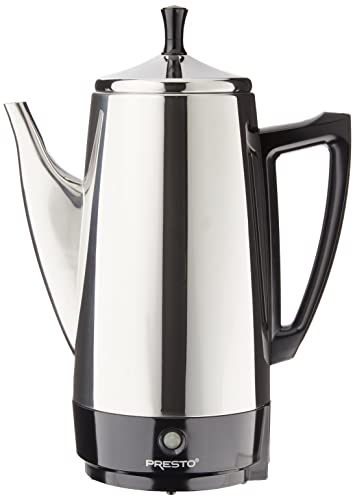
Coffee percolators have been a home staple for generations, and they are having a comeback with campers, homesteaders, and anyone tired of fussing with paper filters. But not every percolator brews the same cup, and the wrong choice can mean bitter, gritty coffee instead of a smooth, bold one. Picking from the best coffee percolators on the market means understanding a few key differences: stovetop versus electric, basket material, grind compatibility, and cup capacity. This guide walks through what actually matters when shopping for a percolator, how the brewing method affects flavor, and what to check before buying, so the result is a pot that makes coffee worth drinking.
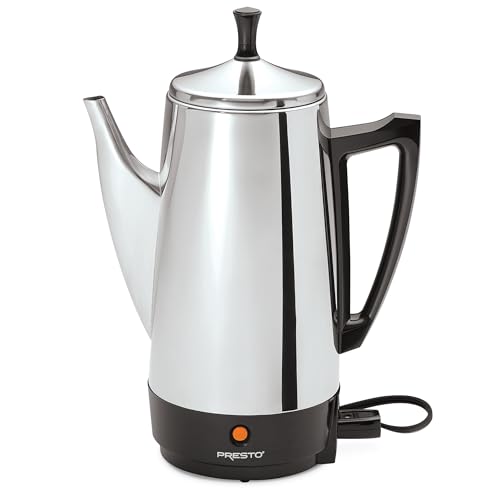
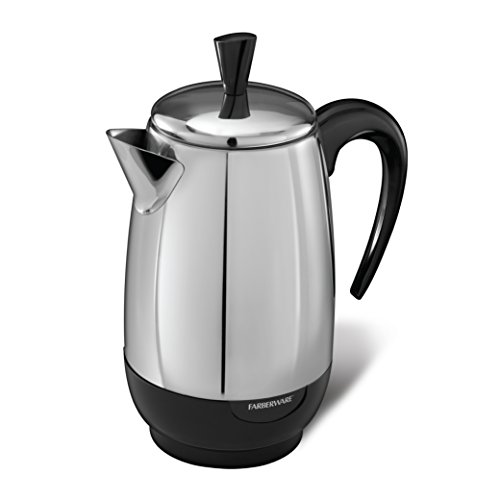
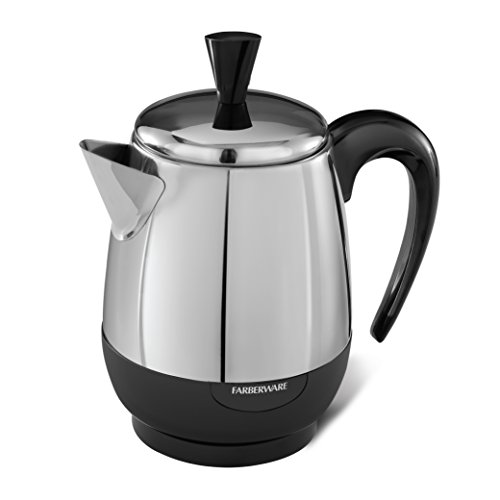
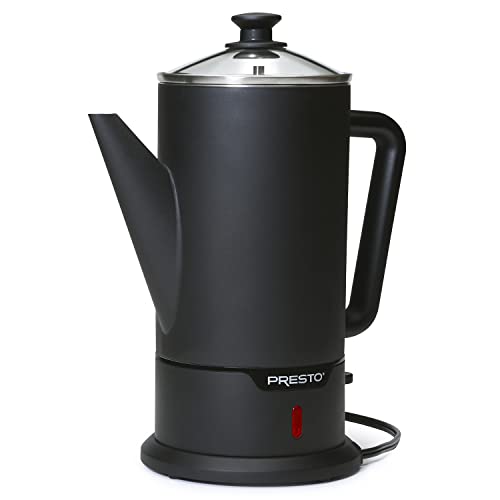
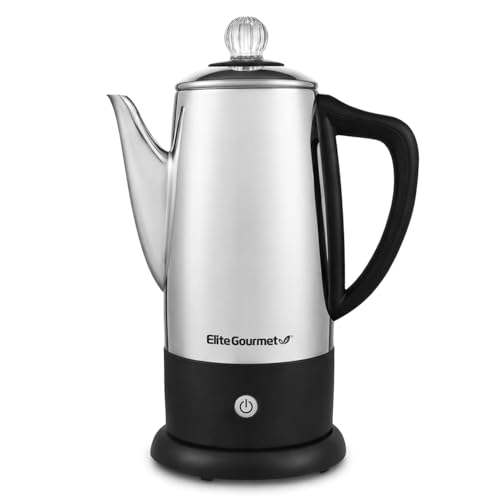
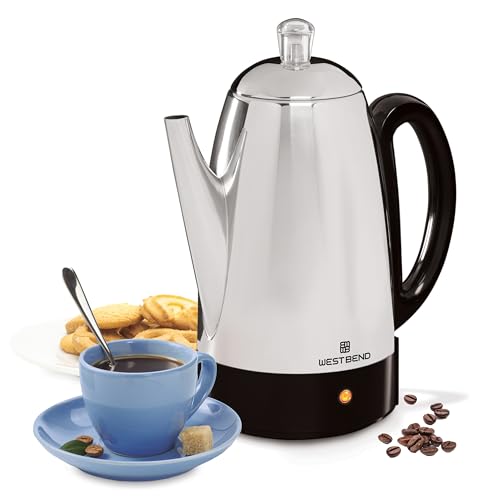
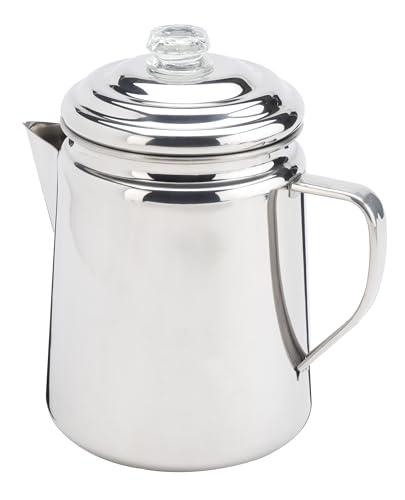

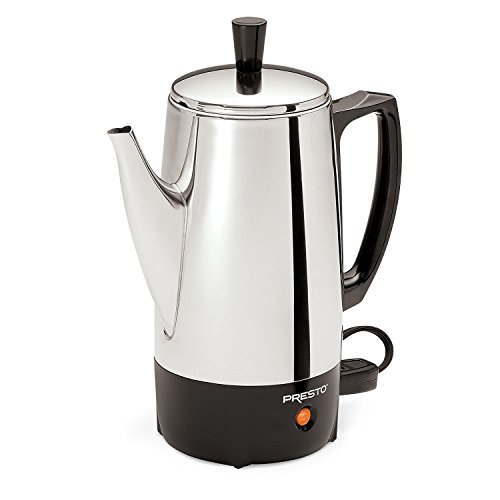
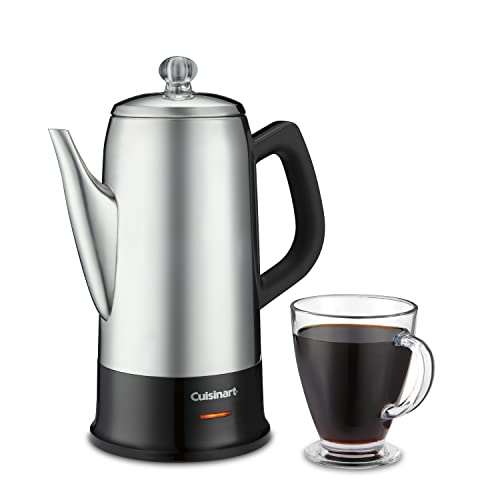
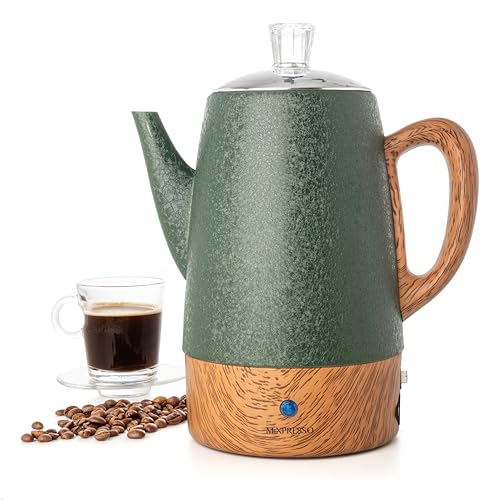
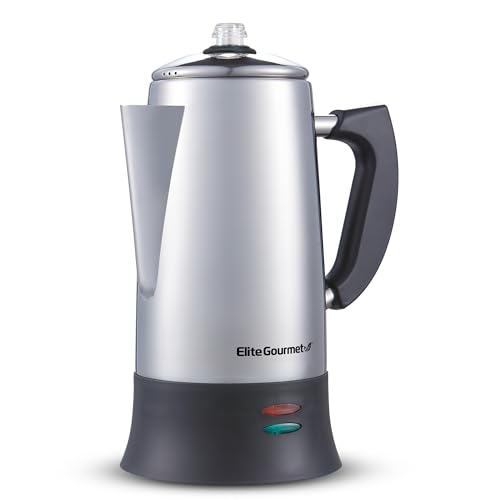
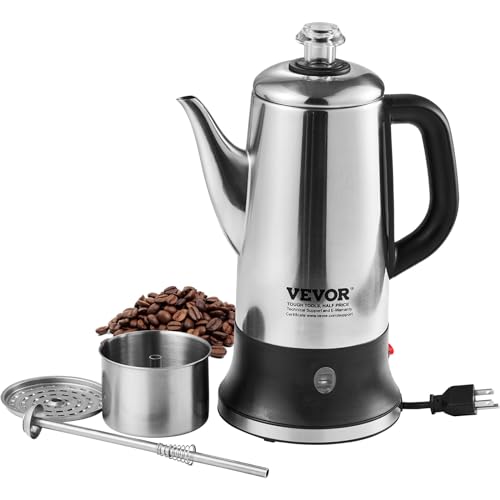
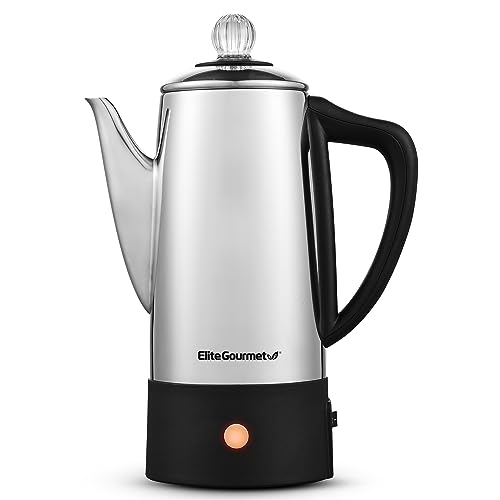
Stovetop vs. Electric Percolators: Which One Fits How You Brew
Every percolator on the market falls into one of two categories, and the choice shapes everything from portability to how much attention the brewing process needs.
How a Stovetop Percolator Works
A stovetop percolator sits directly on a gas burner, electric coil, or campfire grate, and it has no heating element of its own. Water in the bottom chamber heats up, gets pushed through a center tube, and sprays over a mesh basket packed with coarse grounds. Because there is no thermostat, the person brewing controls the heat by hand, watching the perk rhythm through the glass knob on the lid and pulling the pot off the burner once the color and smell are right. That hands-on control is exactly why campers and outdoor cooks still reach for stovetop models: they work anywhere there is a flame, do not need an outlet, and tend to be lighter and more compact for packing.
How an Electric Percolator Works
An electric percolator has a built-in heating element and plugs into a standard outlet, so it works more like a countertop coffee maker. Many models include an automatic keep-warm setting that holds the coffee at serving temperature after brewing finishes, along with an indicator light so there is no need to hover over the pot. If the goal is just keeping a single mug hot at a desk rather than a full pot warm on a counter, a coffee mug warmer can be a simpler and cheaper fix. Electric percolators cost more than a comparable stovetop pot and stay bulkier, but for a kitchen counter that mostly stays put, the extra size rarely matters.
Capacity and Cup Sizing: Brewing for One Person or a Crowd
Coffee percolator capacity is usually listed in cups, but those are not the same as the 12-ounce mugs on a coffee shop menu. Percolator cup sizes are typically measured in 5 to 6 ounce increments, so a 12-cup percolator makes roughly six to eight standard mugs' worth of coffee, not twelve.
- 4 to 6 cup models suit one or two people who want a single fresh pot
- 8 to 10 cup models work well for a small household or a couple camping together
- 12 cup and larger models are built for group camping trips, family gatherings, or an office that needs a steady supply
Buying larger than needed is not just wasted space either. A coffee percolator brewed well under its rated capacity tends to perk unevenly, since there is not enough water volume to cycle properly through the tube. Households split between someone who wants a full carafe and someone who only drinks a single cup might do better with a dual coffee maker instead of stretching one percolator to cover both needs.
Basket Material and Grind Compatibility: What Actually Shapes the Flavor
The pot's material and the coffee grind size are not separate decisions. They work together to determine whether a cup comes out balanced or burnt.
Stainless Steel, Aluminum, or Glass
Stainless steel is the most common material for coffee percolators and generally the safest bet: it does not react with the acidity in coffee, resists rust, and holds up to repeated stovetop use without warping. Aluminum percolators are lighter and cheaper, which explains their popularity for camping gear, but they can develop a faint metallic taste over time, especially if the pot is not dried thoroughly between uses. Glass percolators, usually built for stovetop use only, let the brewer watch the perking cycle directly through the body of the pot rather than just the knob, though they are more fragile for travel.
Why Grind Size Determines Bitterness
A percolator works by repeatedly cycling boiling water through the grounds, so it needs a coarse grind, similar in texture to coarse sea salt. Fine or medium grounds fall through the mesh basket and get re-boiled along with the water, which is the single biggest cause of bitter, gritty percolator coffee. A percolator with a tight, well-fitted mesh basket helps keep even coarse grounds contained, so basket quality is worth checking before buying rather than assuming any basket will do the job.
Where You'll Use It: Countertop, Campsite, or Both
Heat source compatibility matters as much as capacity for coffee percolators. Stovetop percolators generally work on gas burners, electric coils, and open campfires, though glass and some coated aluminum models are not rated for direct flame. It is worth confirming a percolator's base material is safe for a gas stove cooktop before buying one meant for daily home use, since scorching or warping can happen fast on high heat. Electric percolators need a reliable outlet, which rules out tent camping but makes them a fine, low-maintenance option for a kitchen, an RV with shore power, or an office breakroom. Anyone splitting time between a home kitchen and regular camping trips may find it easier to own one of each rather than expecting a single percolator to do both jobs well.
Keeping a Percolator Brewing Clean, Cup After Cup
Coffee percolators pick up oils inside the pot and basket faster than drip machines do, since there is no disposable filter catching residue. Left long enough, that buildup turns rancid and starts producing a burnt or metallic taste even with fresh grounds. Washing the pot, basket, and stem with warm soapy water after every use, and running an occasional brewing cycle of white vinegar and water, keeps mineral scale and old oil from building up. A percolator that starts tasting off after weeks of regular use is usually overdue for a deeper clean rather than dealing with a problem in the coffee itself.
Frequently Asked Questions
What is the difference between percolator coffee and drip coffee?
Percolator coffee is brewed by repeatedly cycling boiling water through the grounds, while drip coffee passes water through the grounds once and filters out the oils with paper. That repeated cycling gives percolator coffee a heavier body and more intense flavor, since more oils and solids stay in the cup instead of getting caught in a filter.
Why does percolator coffee sometimes taste bitter?
Bitterness in percolator coffee almost always comes down to over-extraction, whether from a grind that is too fine, brewing longer than about ten minutes, or a dirty pot adding old, rancid oils to the flavor. Switching to a coarser grind and watching the perking time usually solves it.
What grind size works best for a percolator?
A coarse grind, similar to coarse sea salt, works best. Finer grounds slip through the mesh basket and get over-extracted by the repeated boiling, which is the most common reason percolator coffee turns out gritty or harsh.
How long should coffee percolate before it's ready?
Most percolators produce their best cup between seven and ten minutes of active perking. Brewing much longer than that tends to pull bitter compounds out of the grounds and can scorch the coffee.
Is percolator coffee stronger than drip coffee?
It tastes stronger because of its heavier body and higher concentration of oils, though the actual caffeine content is closer to drip coffee than most people expect. The perceived strength comes mostly from texture and intensity rather than a large caffeine difference.
Do percolators require special coffee grounds?
No specialty coffee is required. Standard ground coffee works fine as long as it is coarse enough. Pre-ground bags sold for drip machines are usually too fine and need to be reground or swapped for a coarse blend.
How often should a percolator be cleaned or descaled?
A quick wash after every use prevents oil buildup, and a vinegar-and-water descaling cycle once a month handles mineral scale from hard water. Skipping this is one of the most common reasons percolator coffee starts tasting metallic or stale.
Making Your Decision
The right choice among the best coffee percolators comes down to matching the brewing method to how and where coffee actually gets made, whether that is a stovetop pot for weekend camping trips or an electric model that holds a pot warm on the kitchen counter all morning. Basket quality, material, and rated capacity deserve just as much attention as the brewing style, since those details affect flavor as much as the perking method itself. With the right combination of grind size, heat source, and care, a well-chosen percolator can turn out a cup that rivals more modern brewing methods, and for anyone who likes a bolder cup, it can beat them outright.

