
Best Camping Blanket: Types and Price Levels for 2026
Disclosure: We may earn a commission when you buy through links on this page, at no extra cost to you. As an Amazon Associate I earn from qualifying purchases. Learn more
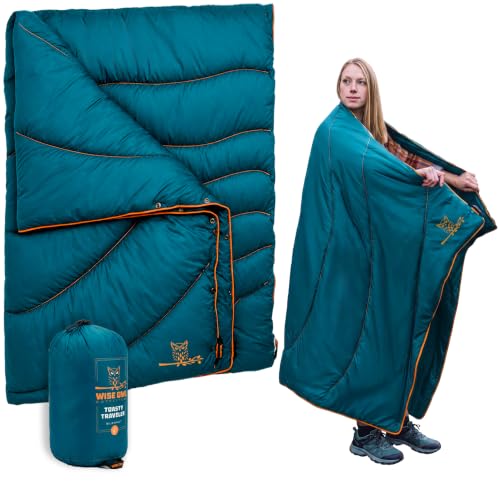
Compare puffy, wool and fleece blankets by warmth, weight, size and price to find the best camping blanket for your trips.
A blanket earns its place in the camping kit by doing three jobs: keeping you warm in the evening, adding a layer at night, and giving you a clean place to sit. The best camping blanket for you depends on how much weight you carry, how cold your trips get, and how wet the ground is where you sit. This guide sorts blankets by material and budget so you can see what each step up in price changes.
Start with the comparison table below, then read the sections that match your trips. Weekend car campers, backpackers and people who mostly sit by a fire all want slightly different blankets.

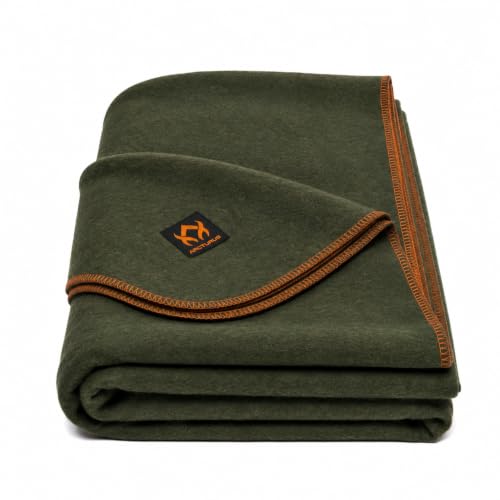


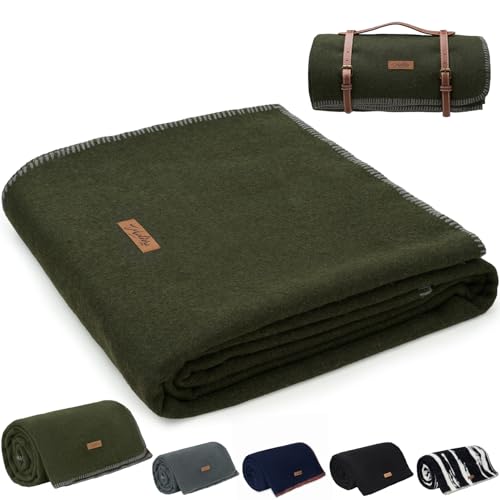

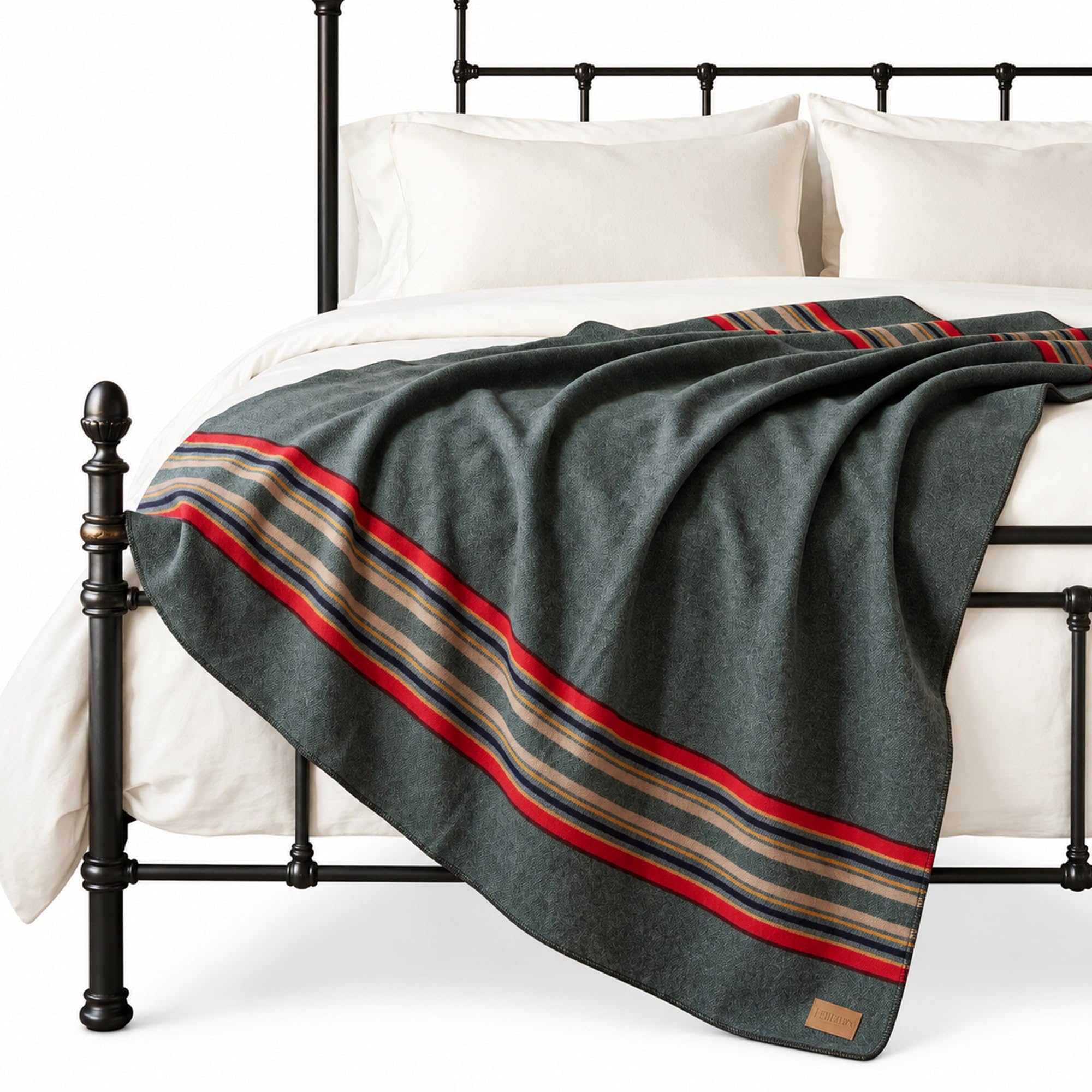

Types of Camping Blankets Compared
Puffy Insulated Blankets
Puffy blankets use down or synthetic fill inside a light nylon shell, and they work like a quilt you can wear around your shoulders. They pack into a small stuff sack, weigh little for the warmth, and the shell sheds light damp and dew. Synthetic fill keeps insulating when damp and costs less. Down packs smaller and feels warmer for its weight, but it needs more careful drying. Most puffy blankets cost about $30 to $130 depending on fill and size, and two person sizes sit at the top of that range.
Wool Blankets
Wool is heavier and bulkier, but it insulates even when damp, resists stray sparks better than most synthetics and wears for many seasons. Surplus style wool blankets cost about $40 to $60, while heritage camp blankets from well known makers can cost several times more. Wool suits car camping, cabin trips and fireside use, and it is a poor choice when pack weight matters. Some people find coarse wool itchy, so a sheet or sleeping bag liner underneath helps.
Fleece and Lined Camp Blankets
Fleece throws and lined picnic style blankets are the cheapest option and feel soft right away. They add useful warmth on cool evenings, but they hold little heat in real cold and soak up moisture from the ground. They suit mild weather, kids and tailgates, and many have a water resistant backing so they can double as a ground cover.
What Each Price Level Gets You
Under about $40 you will find basic fleece blankets and simple synthetic puffy styles with thin shells and light fill. They work for warm summer evenings and occasional use. From about $40 to $80 you get heavier wool, thicker synthetic fill, better stitching and usually a stuff sack. Above about $80 the money goes into down fill, lighter shell fabrics, larger sizes for two and sometimes a water resistant treatment that lasts longer. Past that level the gains are smaller, so spend more only if you camp often or carry the blanket on your back.
Features That Matter
Size
A one person blanket of about 50 by 70 inches wraps a seated adult. Couples and families should look for sizes near 60 by 80 inches or larger. Oversized blankets are comfortable but take more room in the car and are harder to dry after a damp night.
Shell and Water Resistance
A water resistant shell keeps dew and light rain off the fill and lets the blanket work as a seat on damp grass. It does not make the blanket waterproof, so keep it off standing water and dry it fully after wet use. Quiet fabrics suit light sleepers, while crinkly ones can be loud in a still campsite.
Packed Size and Weight
Backpackers should check the packed size and weight in the listing and compare it with their pack space. Car campers can ignore weight and choose warmth and size instead. Compression straps and a stuff sack that closes easily save time on departure morning.
Corners, Loops and Fasteners
Corner loops and snaps let you stake the blanket down in wind, hang it as a windbreak or wear it as a poncho style wrap. They are cheap extras that work better than they sound.
Choosing a Camping Blanket for Your Trips
Backpackers and bikepackers should lean toward a puffy blanket, since it packs small and replaces a heavier layer. Car campers who sit by the fire most evenings get more value from a large wool blanket. For cold weather camping, compare these guides: best blankets for winter camping, best wool blankets for camping and best heated blankets for camping if you have a power source. For fabric quality in general, see best quality blankets.
Keep fire safety in mind. No blanket is fireproof, and synthetic shells can melt if an ember lands on them. Sit back from the fire, keep the blanket away from flames and shake it out before storing it.
Care and Storage
Shake out dirt and ash, spot clean small marks and wash only when needed, following the label. Synthetic blankets usually go in a home machine on a gentle cycle. Wool often needs gentle washing and flat drying. Dry every blanket fully before storing it, and keep puffy blankets loose in a large bag rather than compressed for months, since long compression flattens the fill.
Common Mistakes to Avoid
- Buying a puffy blanket for sleeping outdoors in real cold, when it is built as an extra layer and not a sleeping bag.
- Choosing a heavy wool blanket for a backpacking trip where every ounce counts.
- Skipping the size check, so two people end up pulling the corners all night.
- Putting the blanket away damp, which leads to mildew and a musty smell.
- Ignoring the fabric on the ground side, so a thin shell soaks through on wet grass.
Frequently Asked Questions
Are camping blankets warm enough for sleeping outside?
A camping blanket adds warmth on top of a sleeping bag or quilt, but most are not rated like sleeping bags. On mild nights a puffy blanket over a good sleeping pad can be enough. On cold nights treat the blanket as an extra layer, not the whole system.
What is the difference between a camping blanket and a camping quilt?
A camping quilt is made to sleep under and often has a footbox and pad straps. A camping blanket is more general: you can wrap it around your shoulders, sit on it or spread it over your sleeping bag. Some puffy blankets work as either.
Is wool or synthetic fill better for camping?
Wool insulates when damp and lasts a long time, but it is heavy and bulky. Synthetic fill is lighter, packs smaller, dries faster and costs less. Choose wool for car camping and fireside use, and synthetic for hiking trips and damp climates.
How do I wash a camping blanket?
Check the care label first. Most synthetic puffy blankets can be machine washed on a gentle cycle with mild detergent and dried on low heat. Wool usually needs a gentle wash and flat drying. Avoid fabric softener, which can reduce water resistance.
What size camping blanket do I need for two people?
Look for a blanket of about 60 by 80 inches or larger so two seated adults can cover their laps and shoulders without tugging. Many puffy blankets are sold in one person and two person sizes, so check the listing.
Final Thoughts
Pick the material first, then the size, and only then the price level. Puffy blankets suit weight conscious trips, wool suits fireside car camping, and fleece suits mild evenings and kids. The product table above helps you compare the current options, and the best camping blanket for your trips is the one you will actually bring and keep dry.


