
Best Camp Cookers: Our 2026 Checklist and Buying Guide
Disclosure: We may earn a commission when you buy through links on this page, at no extra cost to you. As an Amazon Associate I earn from qualifying purchases. Learn more

Use this checklist guide to the best camp cookers to judge fuel type, safety, build quality, size, and value before you cook your first meal outdoors.
A camp cooker has one job: turn fuel into a hot meal, reliably, in wind, cold, and the last light of the day. When it fails, dinner fails with it. This guide gives you a checklist for judging the best camp cookers before any money changes hands, covering intended use, safety, build quality, and value in a clear order.
You will not find named models pushed here. Instead, you will learn the thresholds that separate a dependable cooker from a frustrating one, the price tiers and what each tier actually delivers, and the warning signs that should send you back to the shelf. The comparison table below offers a quick overview to use alongside the checklist.



How to Evaluate Camp Cookers
Intended Use and Who It Is For
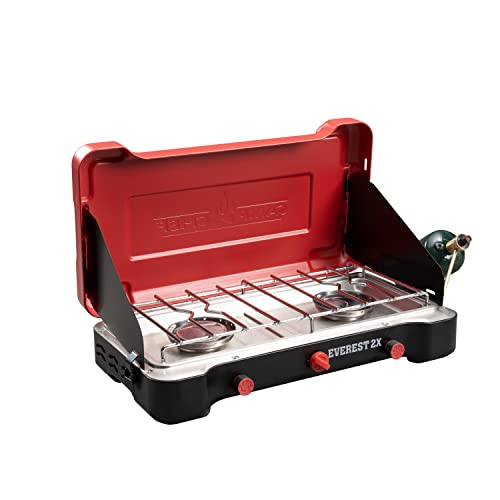
Start by naming your cooking style, because it decides everything else. A solo backpacker boiling water for dehydrated meals needs a tiny single burner that simmers poorly but weighs almost nothing. A family car camper cooking full breakfasts needs two burners, room for two pans, and a stable base. Group leaders and base camp cooks should look at larger systems with strong output and easy cleaning.
Be honest about frequency too. A cooker used twice a year can be simple and cheap. A cooker used every weekend should light easily, hold a low simmer without constant attention, and survive being packed and unpacked hundreds of times. Write your main use in one sentence before you shop, and test every candidate against that sentence.
Ease of Use and Setup
Good camp cookers set up in minutes with cold, tired hands. Legs should lock firmly, hoses and regulators should connect without tools, and ignition should work without a separate lighter held at an awkward angle. Piezo ignition is convenient, but check that you can still light the burner manually when the igniter ages, because igniters are a common failure point.
Controls deserve attention as well. A burner knob should turn smoothly through a wide range, so you can move from a rolling boil to a gentle simmer without the flame dying. Windscreens that fold out from the lid help a lot in open sites. Practice the full setup once at home, in daylight, so your first real use is not a puzzle solved by headlamp.
Safety and Certifications
Safety is the criterion that outranks all others. Look for certification marks from recognized testing bodies and clear fuel instructions in the manual. Cook only outdoors or in a fully open shelter with strong airflow. Never use a fuel burning cooker inside a tent, vehicle, or closed awning, because carbon monoxide is odorless and can build to dangerous levels without any warning smell.
Keep the cooker on a flat, stable, nonflammable surface, away from tent walls, dry grass, and fuel canisters stored in the sun. Never leave a lit cooker unattended, and keep children and pets back from hot pans and open flame. Let everything cool before packing, and check hoses and seals for cracks at the start of each season. If a connection hisses or smells of fuel, stop, close the valve, and fix the problem before lighting anything.
Build Quality and Materials
Burners, grates, and drip trays take heat, grease, and weather in equal measure. Stainless steel and coated steel parts resist rust and clean more easily than thin painted metal. Pot supports should feel rigid with a full pan of water on top, because wobble at home becomes a spill at the campsite. Hinges and latches should close with a positive action and no forcing.
Weight tells a story here. A cooker that feels surprisingly light for its size often uses thinner metal that dents and warps sooner. For a wider look at how material and finish signal durability across cooker types, our guide to the best quality cookers explains the workmanship clues worth checking in the store.
Warranty and Customer Support
A warranty of at least one year is the baseline, and longer coverage on burners and regulators is a good sign. More important in practice is spare part availability. Jets, seals, igniters, and hoses wear out, and a cooker you can repair will outlast a sealed design you must replace whole. Check that the maker sells those parts and publishes clear manuals before you buy.
Support quality shows in small ways. A brand that answers questions about fuel types and regulator fittings will help you again in three years. Keep your receipt and a photo of the rating plate, since support teams ask for model details first. Register the product if the maker offers it, and note the warranty end date in your calendar.
Size, Weight, and Fit for Your Space
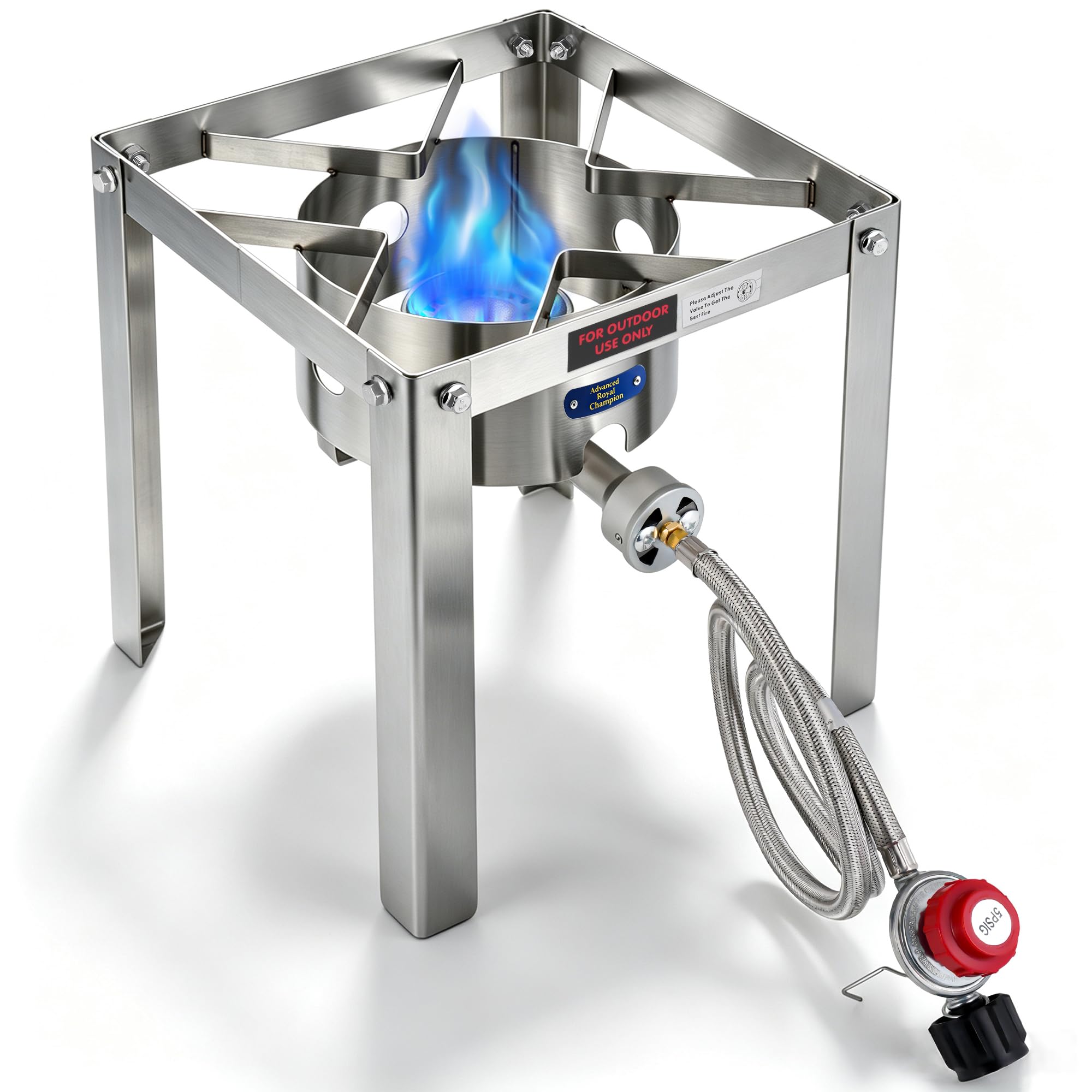
Match the cooker footprint to your camp table and your vehicle. Two burner stoves commonly fold to the size of a small suitcase and weigh about 8 to 15 lb, which suits car camping well. Compact single burner models can weigh under 2 lb for backpacking, while large expedition systems trade portability for output and pan space.
Think about pan size as carefully as packed size. Measure your largest pan and confirm both burners can hold real cookware at the same time, because some stoves fit two burners but not two wide pans. Also confirm the closed cooker fits your storage box with the fuel you plan to carry, stored upright and away from heat.
Price vs Value
Budget cookers, often under $60, usually offer one or two simple burners, basic windscreens, and light construction. They suit occasional trips and simple menus. Mid range models, about $60 to $150, add stronger frames, better simmer control, reliable ignition, and windscreens that actually work. This is the value sweet spot for most car campers.
Premium systems, above about $150, buy durability, high output, refined control, and sometimes integrated pots or multi fuel flexibility for international travel. Judge value by cost per season of use, not sticker price. A mid range cooker that lasts eight seasons is cheaper in the end than a budget cooker replaced three times.
Three Profiles That Pass the Checklist
The All Round Profile
The all round profile is a two burner stove in the mid range tier with strong windscreens, smooth simmer control, and a coated steel body. It cooks a family breakfast on one burner while water heats on the other, packs flat, and runs on widely available canisters or a refillable tank with the right hose. This profile suits most car campers and covers about ninety percent of camp cooking without drama.
Its limitation is weight. It is not coming on a backpacking trip, and it is more stove than a solo traveler needs. Within the profile, choose based on grate sturdiness and how well the knobs behave at low settings during a store visit.
The Value Profile
The value profile is a simple single or dual burner in the budget to lower mid range, chosen for honest basics done well. Expect manual or basic piezo ignition, decent wind protection, and enough output to boil a liter of water in roughly four to six minutes. It serves new campers, festival cooks, and anyone building a starter kit while money goes toward shelter and sleep gear first.
The compromise is control and longevity. Simmering may be touchy, and thinner parts need gentler handling. Treat it well, store it dry, and it returns several seasons of good meals for the price of a single restaurant dinner.
The Premium Profile
The premium profile adds power, refinement, and repairability. Think high output burners that boil fast in cold wind, precise valves that hold a whisper low simmer for sauces, and legs and grates that stay rigid under heavy pots. Some premium systems burn multiple fuel types, which matters for travel where your usual canister may be unavailable.
This profile fits frequent campers, group cooks, and anyone who treats camp cooking as a pleasure rather than a chore. The cost is real, so buy it for seasons of use you can already picture, not for an expedition you may never take. If your site has an electric hookup, electric options covered in our guide to the best induction cookers can complement a fuel stove for quiet indoor style cooking at a powered pitch.
Quick Buyer Checklist
- Does the burner layout fit the pans you actually own and the meals you actually cook?
- Can you set it up and light it easily with cold hands, without tools?
- Does it hold a low simmer without going out when you turn the knob down?
- Are hoses, seals, and the regulator sound, with spare parts available to buy?
- Is the packed size and weight right for your vehicle or your pack?
- Does the warranty run at least one year, with support you can reach?
- Do you have a safe, flat, outdoor spot in mind for every place you will use it?
- Is the fuel type easy to buy where you camp most often?
Red Flags to Watch For
- Vague output figures with no clear fuel consumption data, which makes trip planning guesswork.
- No recognizable safety certification and a manual that skips fuel and ventilation warnings.
- A flood of glowing write ups that all appeared within a few days of each other, a pattern worth distrusting.
- A warranty measured in weeks, or support that cannot name where spare parts come from.
- Thin, flexing pot supports and a lid that will not stay open as a windscreen in a light breeze.
Any single flag deserves a question, and two or more should end the purchase. Camp cooking gear works with fire and pressurized fuel, so caution here is not fussiness. It is the whole point of a checklist.
Setup and Care Tips
Read the manual before first use, even if the design looks obvious, because fuel connections differ between systems. Clean and inspect the cooker regularly: brush food from the grates, wipe grease from the drip tray, and check jets for blockages with the tool or method the maker specifies. Store it in a dry place with the fuel disconnected, and keep seals lightly protected from dust. At powered campsites, some campers also pack small electric helpers from our guide to the best air cookers, but fuel stove safety rules still govern the main cooking.
FAQs
Are expensive camp cookers worth it?
They are worth it when you cook outdoors often or in hard weather. Higher prices buy stronger frames, better simmer control, faster boiling in wind, and spare parts that extend the cooker life for years. For a couple of gentle trips each summer, a mid range model delivers nearly the same meals. Let your trip calendar, not ambition, set the tier.
How do I maintain a camp cooker?
Empty and wipe the drip tray after each trip, brush the grates, and keep burner jets free of food and rust. Inspect hoses and seals each season and replace any that look cracked. Store the cooker dry with fuel removed. A useful habit is a short test burn at home before the first trip of the year, which reveals problems while solutions are still easy.
How much should I spend on a camp cooker?
Most car campers should plan on about $60 to $150 for a cooker that balances control, durability, and value. Backpackers can spend less on a tiny single burner or more on ultralight premium designs. Add fuel, a lighter, and a stable table or board to the budget. Spending a little more on windscreens and simmer control usually improves daily cooking more than raw power does.
What features matter most when buying camp cookers?
Stable pot supports, a windscreen that works, smooth low end control, and a reliable ignition matter most. Together they decide whether cooking feels calm or chaotic at the end of a trail day. After those, consider packed size and fuel availability near your usual sites. Fancy extras help only once those four basics are solid.
How long does a camp cooker last?
A well kept mid range camp cooker commonly lasts about eight to ten years of seasonal use, and premium models can serve longer because their wear parts are replaceable. Budget models often last three to five seasons. Lifespan depends heavily on storage and cleaning. A cooker stored dry and checked yearly will outlive a neglected premium model every time.
Wrapping Up
Run every candidate through the same order: fit for your use, safe and certified, built to last, and priced by seasons of service. The product table above gathers the current options so you can test them against that checklist quickly. Choose the best camp cookers for the meals and trips you really take, cook outdoors with good ventilation, and dinner at camp becomes the reliable highlight it should be.


